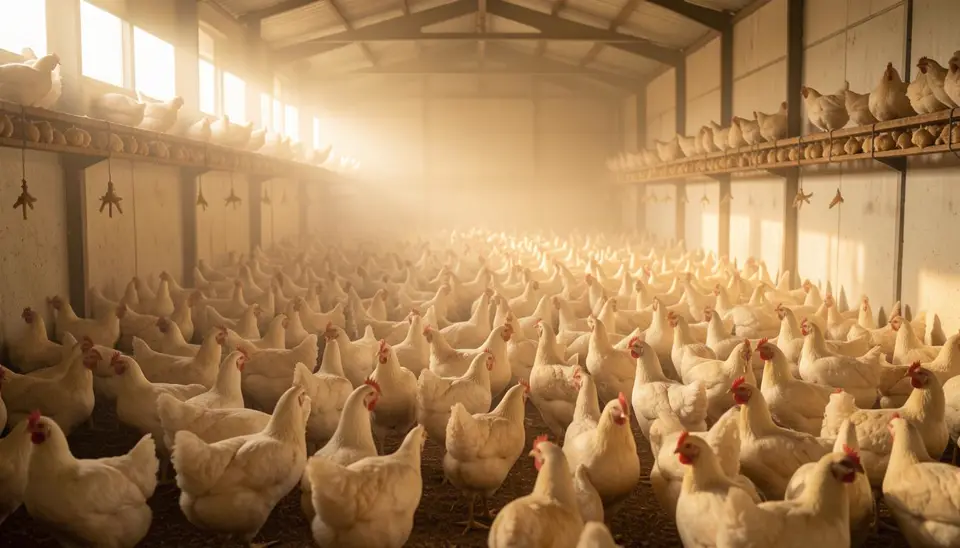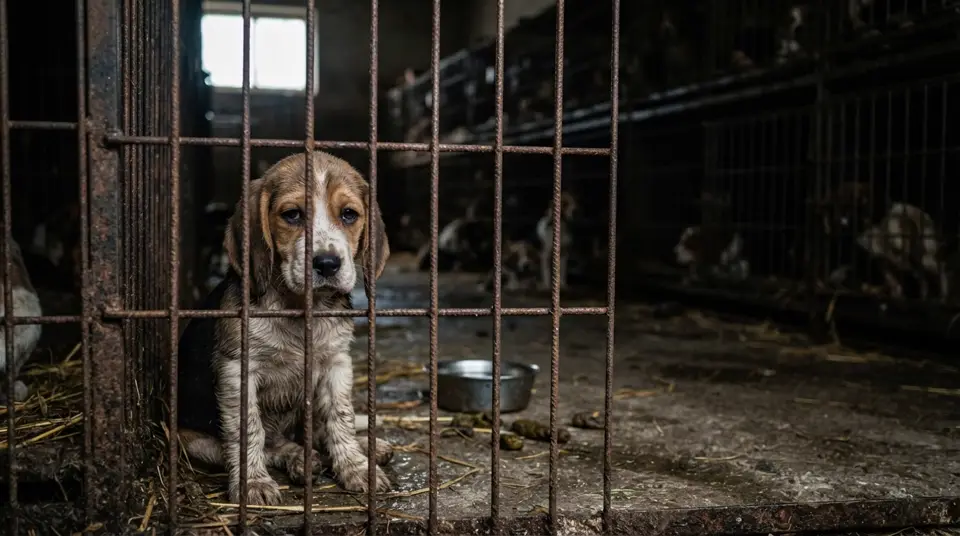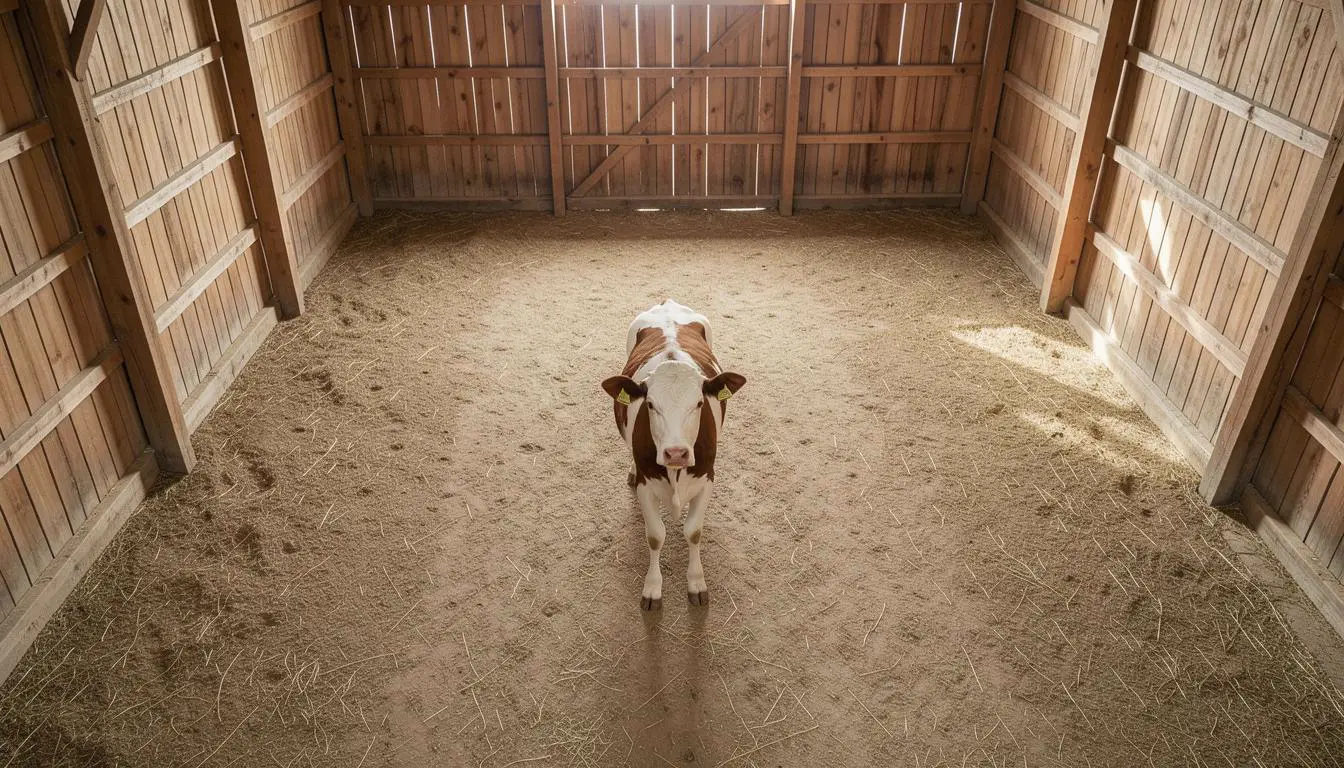
Did you know that behind the 'humane' labels on your favorite dairy products, calves as young as a day old are separated from their mothers, often resulting in distress and health issues? As a van-lifer or off-grid dweller, understanding this reality can help you make more informed purchasing decisions.
The impact of calf separation on calves and the environment
Calf separation has significant impacts on both the calves and the environment. Calves separated from their mothers often exhibit signs of distress, including vocalizations, increased cortisol levels, and even immobility. This stress can lead to health issues and reduced growth rates.
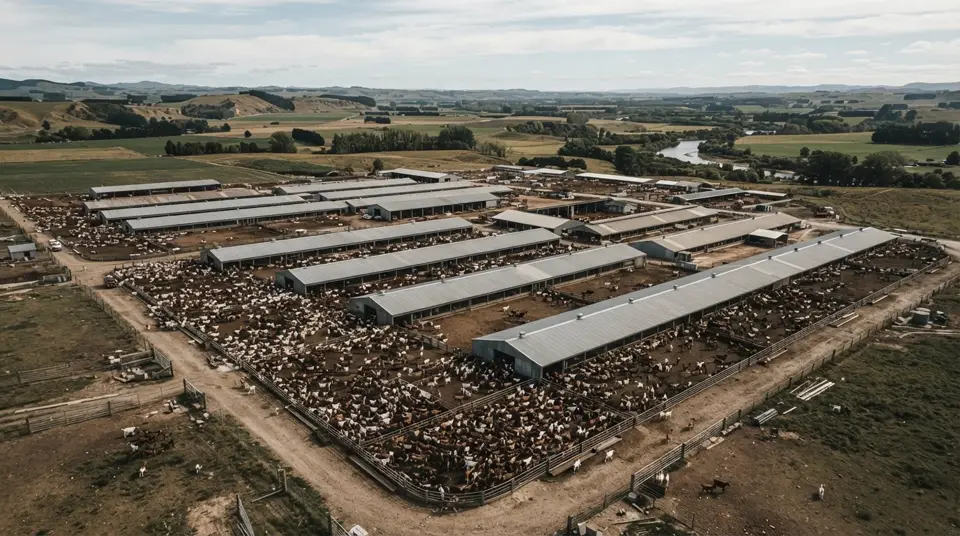
From an environmental perspective, factory farming contributes significantly to greenhouse gas emissions, deforestation, and water pollution. The United Nations has estimated that the livestock industry is responsible for around 14.5% of global greenhouse gas emissions, making it a significant contributor to climate change.
The dairy industry's use of 'humane' labels
Many dairy products bear labels such as 'humane', 'free-range', or 'grass-fed' to suggest that the animals have led happy, healthy lives. However, these labels often do not account for the distress caused by calf separation. A 2022 report by the Cornucopia Institute found that many of these labels were misleading, with no legal definition or enforcement.
| Label | Meaning |
|---|---|
| Humane | Varies widely, often includes calf separation |
| Free-range | Can mean anything from a small farm to a large, industrial operation |
| Grass-fed | May include calves raised on grass but separated from their mothers |
How van-lifers and off-grid dwellers can make a difference
As a conscious consumer on the go, you can make a difference by choosing products that support non-exploitative farming methods. This could mean choosing plant-based alternatives to dairy, or supporting local, small-scale farmers who prioritize animal welfare.
“Calf separation is a cruel and unnecessary practice that causes distress to calves and contributes to environmental degradation. As consumers, we have the power to demand better through our purchasing choices.”
Frequently asked questions
Isn't grass-fed always better for calves?+
While grass-fed can indicate better living conditions for the cows, it does not necessarily mean that calves are not separated from their mothers.
What can I do if I'm not ready to give up dairy?+
Even small changes like reducing your consumption or choosing products with better animal welfare certifications can make a difference.