Forced moulting, a common practice in backyard chicken keeping, can lead to increased antibiotic use, raising concerns about antibiotic resistance. But maintaining a healthy flock on a $10/day budget is possible with natural alternatives. Discover how to support your chickens' well-being while combating antibiotic resistance.
While forced moulting may temporarily boost egg production, it also weakens chickens' immune systems, making them more susceptible to diseases and increasing the risk of antibiotic resistance. A more sustainable and humane approach involves supporting natural moulting with a balanced diet and enriched environment.
Understanding the problem: forced moulting and antibiotic resistance
Forced moulting stresses chickens, leading to increased susceptibility to infections and illnesses. To combat these issues, chicken owners often resort to antibiotics. However, excessive antibiotic use contributes to the growing problem of antibiotic resistance, making infections harder to treat and posing a significant threat to both animal and human health.
“Antibiotic resistance is one of the biggest threats to global health, food security, and development today. Left unchecked, it could cause a global catastrophe. – World Health Organization”
Natural alternatives: supporting moulting on a $10/day budget
Replacing forced moulting with natural alternatives not only promotes chicken health but also saves money in the long run by reducing the need for antibiotics. Discover how to support your chickens' natural moulting process on a $10/day budget.
| Feed Option | Price per lb | Monthly Cost for 6 Chickens |
|---|---|---|
| Commercial Layer Feed | $0.50 | $90.00 |
| Scratch Grains (Corn, Wheat) | $0.25 | $45.00 |
| Mealworms and Black Soldier Fly Larvae | $0.30 | $54.00 |
| Kitchen Scraps and Garden Greens | $0.00 | $0.00 |
Antibiotic use in chickens by production system
Enriching the environment: reducing stress and promoting health
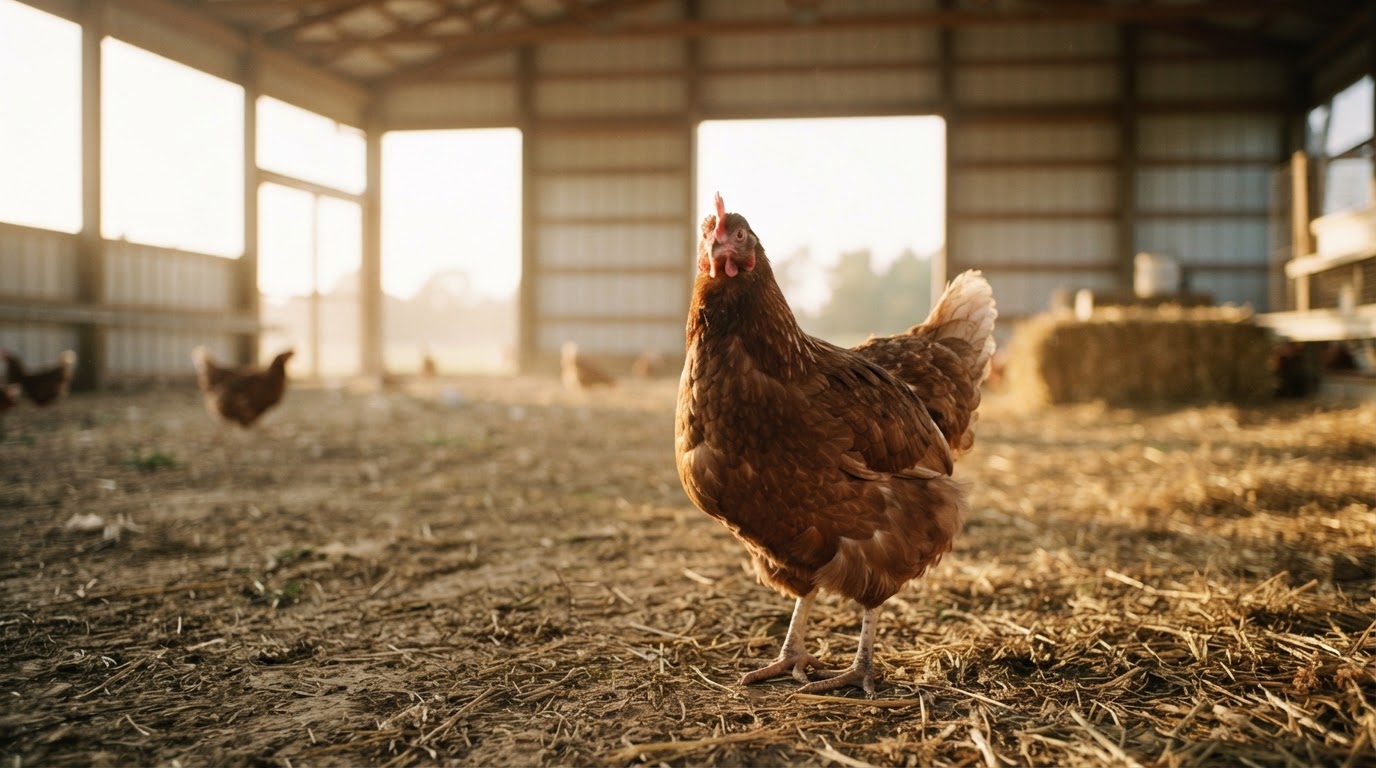
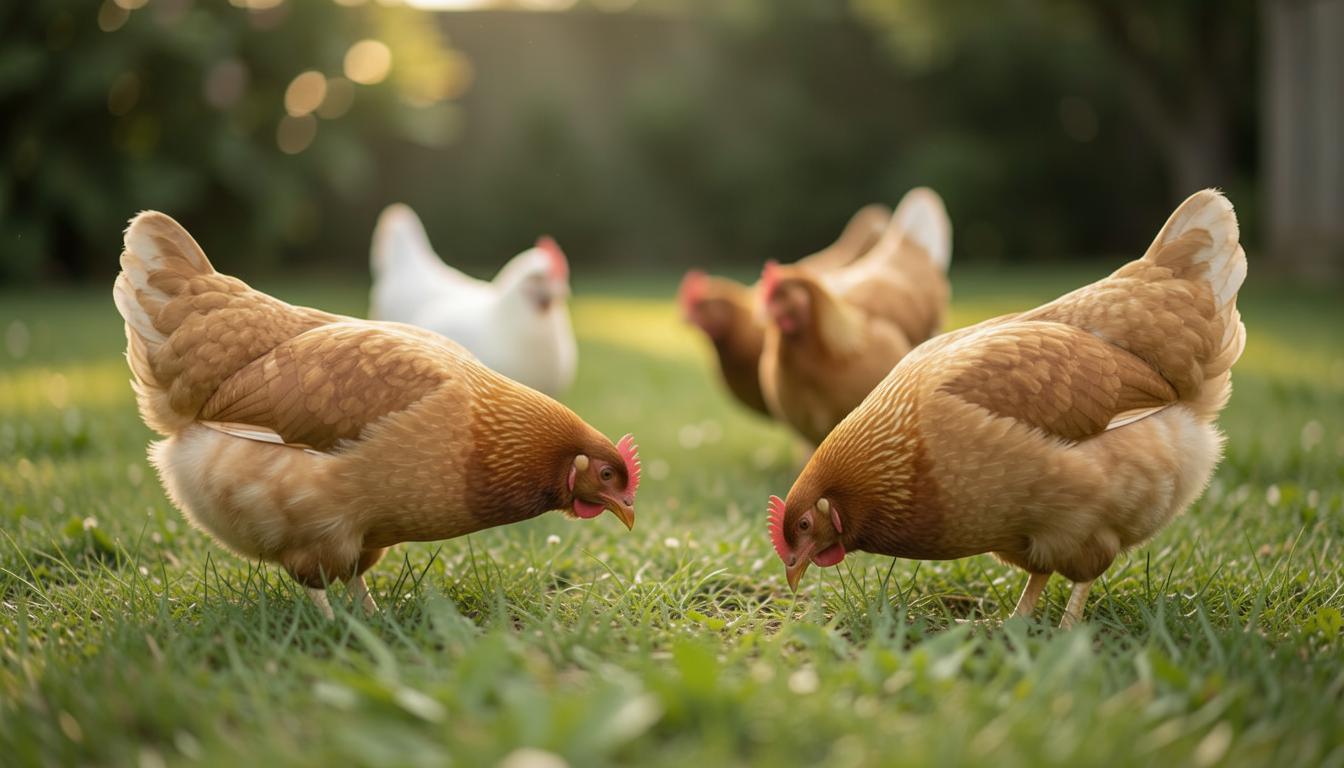
Providing an enriched environment with perches, nesting boxes, and outdoor space allows chickens to engage in natural behaviors, reducing stress and promoting overall health. This, in turn, supports their natural moulting process and reduces the need for antibiotics.
Regular veterinary care: early detection and prevention
Regular veterinary check-ups help detect health issues early, preventing the need for antibiotics. By staying on top of your chickens' health, you can maintain a happy and productive flock while combating antibiotic resistance.
FAQ: Addressing common concerns about natural moulting
Frequently asked questions
Won't natural moulting take longer than forced moulting?+
Yes, natural moulting may take longer, but the benefits to chicken health and the environment make it a worthwhile investment.
How can I ensure my chickens are getting enough protein without commercial feed?+
Incorporate insects, legumes, and kitchen scraps into your chickens' diet to provide adequate protein.
Can I still expect eggs during the natural moulting process?+
Egg production may decrease temporarily during natural moulting, but it should rebound once the chickens have completed the process.
Is natural moulting suitable for all chicken breeds?+
While natural moulting can benefit most breeds, some high-production breeds may require additional support to maintain egg production.