<img class="vimage_class" src="https://hfa.ngo/wp-content/uploads/2025/03/34_640.jpg" alt="植物性饮食“>
Is a plant-based diet more enduring than a meat-based diet in terms of land use?
Plant-Based Diets and Deforestation: Mitigating Habitat Loss Through Veganism
元标题: Plant-based Diets and deforestation: How Veganism Helps Combat Habitat Loss
元说明: Discover how adopting a plant-based diet can reduce deforestation, mitigate habitat loss, and promote sustainability. Learn tips for transitioning to veganism while aiding the planet.
Introduction: The Intersection of Diet and Deforestation
Deforestation is one of the largest environmental crises of our time. Forests, which cover about 31% of the Earth’s land area, are frequently enough cleared for agriculture, urban development, and livestock farming.According to the Food and Agriculture Organization (FAO), over 7.3 million hectares of forests are lost annually, with beef production and animal agriculture being among the primary culprits.
Transitioning to a plant-based diet aligns with environmental stewardship by helping to combat deforestation,mitigate climate change,and conserve wildlife habitats. But how does veganism reduce habitat loss,and what steps can you take to make an impact? In this article,we’ll explore these connections and provide practical advice to help you make informed,eco-kind choices.
How Animal Agriculture Contributes to Deforestation
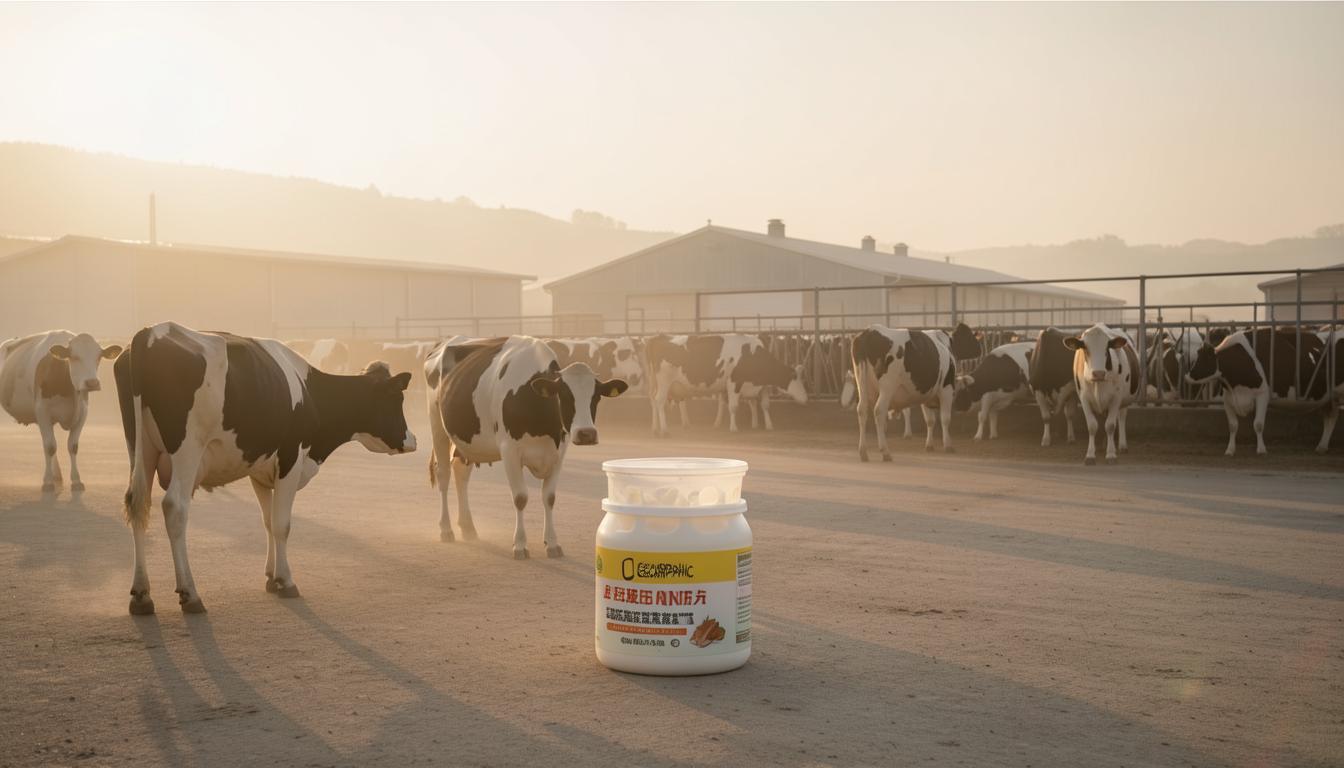
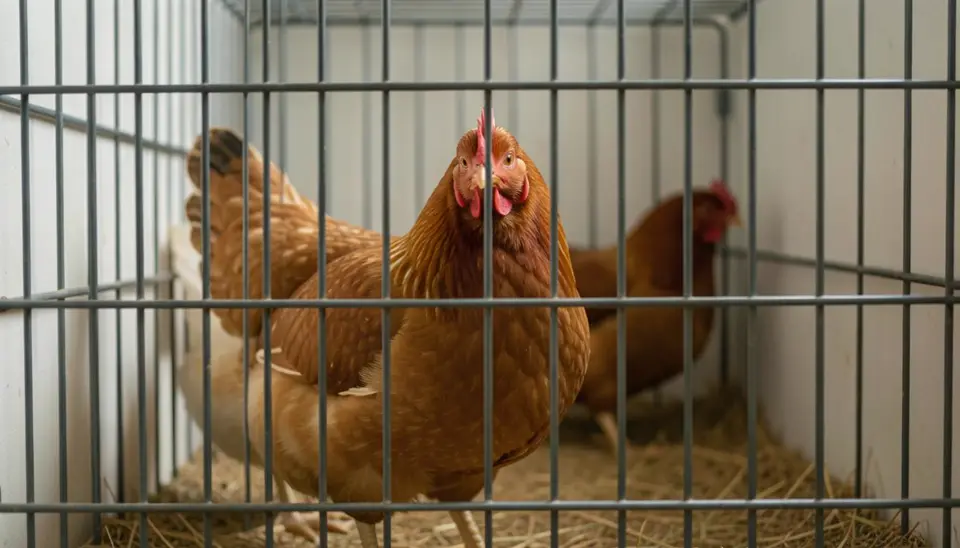
Animal agriculture is a leading driver of deforestation globally.Practices like cattle ranching and growing feed crops (such as soy and corn) for livestock have devastating effects. Hear’s a breakdown of how deforestation is linked to the meat and dairy industries:
The role of Livestock Farming
- 牧场: According to the World Resources Institute, beef production is the top driver of deforestation, especially in tropical rainforests like the Amazon. Large areas of forest are cleared to make way for grazing land.
- 饲料生产: Crops like soy are grown primarily to feed livestock, not humans. in fact, roughly 77% of global soy production is allocated for animal feed, rather than direct human consumption.
生物多样性的丧失
Deforestation leads to habitat destruction, endangering species that rely on these ecosystems to survive. Such as, orangutans in Southeast Asia are losing their homes due to palm oil plantations and livestock expansion.Similarly, jaguars in the Amazon are under threat from cattle farming.
| 影响区域 | Contribution of Animal Agriculture |
|—————————-|———————————————–|
| Carbon Emissions | Approx. 14.5% of global emissions stem from livestock production (source: FAO). |
| Deforestation for Grazing | Notable contributor in the Amazon and tropical forests. |
| Biodiversity Loss | Millions of hectares cleared, leading to endangered species. |
By reducing the demand for meat and adopting veganism or plant-based options, individuals can help reverse these trends.
why a Plant-Based Diet is Key to Combating Deforestation
Switching to a plant-based diet is one of the most impactful ways to reduce your ecological footprint. Below are some of the reasons this dietary shift is vital in addressing deforestation:
Reduced land usage
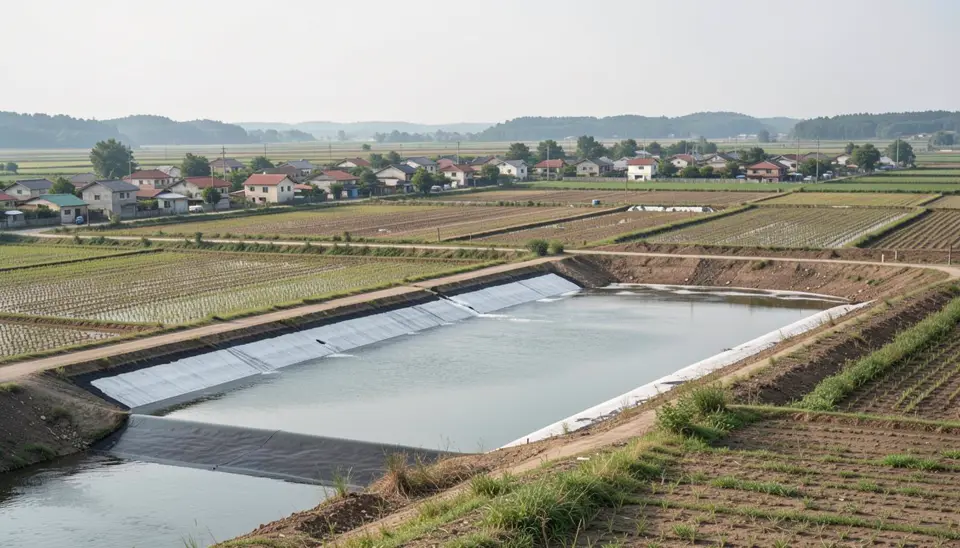
Producing 植物性食品 like grains, pulses, fruits, and vegetables requires far less land compared to raising animals for meat. According to a study published in Nature, plant-based diets can reduce global farmland use by up to 76% while still feeding the world’s population.
lower Carbon Emissions
Plant-based diets generate substantially fewer greenhouse gas emissions than diets heavy in animal products. Livestock farming emits methane—a potent greenhouse gas—while deforestation further exacerbates climate change by reducing carbon absorption by forests.
more Efficient Food Systems
Switching to plant-based diets improves food system efficiency. Rather than growing crops to feed livestock, those same crops could feed billions of humans directly, reducing the strain on arable land and water resources.
Benefits of Veganism Beyond Deforestation
1. Promotes Global Food Security
Feeding livestock requires massive amounts of water, land, and grain. By shifting to plant-based diets, we can redirect these resources to address global hunger and food insecurity more sustainably.
2. protects Wildlife and Ecosystems
By reducing deforestation,vegan diets help preserve ecosystems that are home to countless species,such as tropical rainforests,wetlands,and grasslands.
3. Improves Personal Health
Plant-based eating not only helps the planet—it contributes to better health. Vegan diets are often rich in fiber, vitamins, and antioxidants, and are associated with lower risks of heart disease, diabetes, and obesity.
Practical tips for Transitioning to a Plant-Based Diet
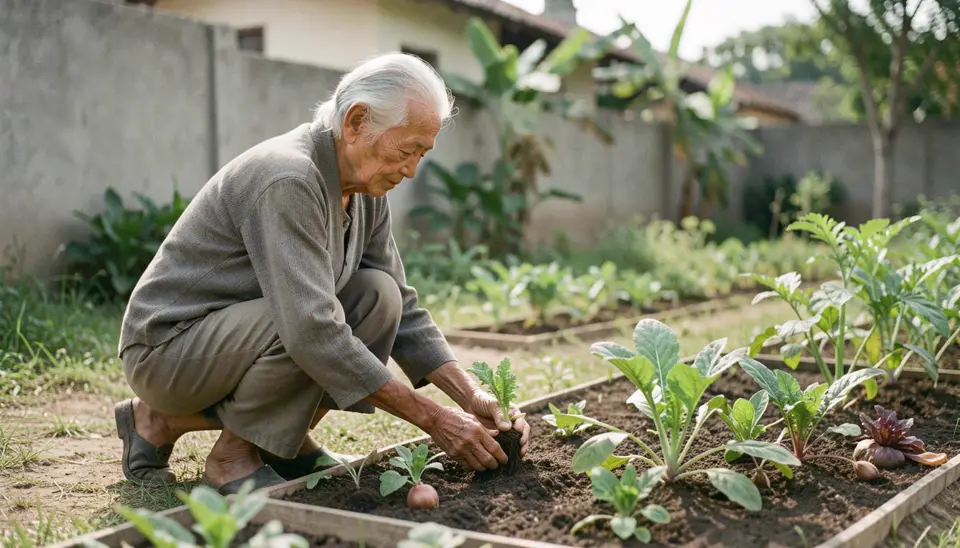
Adopting a vegan or plant-based lifestyle might seem daunting at first,but with the right strategies,it can be both practical and enjoyable. Here are some tips to help you make the switch:
1. Start Small
- Begin with 无肉星期一 or swap out one meal a day for a plant-based alternative.
- Incorporate simple swaps like almond milk instead of dairy milk or veggie burgers instead of beef patties.
2. Educate Yourself
- Research plant-based protein options such as lentils, chickpeas, quinoa, and tofu.
- Use apps or recipe blogs for vegan meal inspiration.
3. Support Local and Seasonal Produce
- Prioritize fresh,locally grown fruits and vegetables to reduce your carbon footprint even further.
- Seasonal eating supports biodiversity and minimizes transportation emissions.
4. Explore Meat Alternatives
- Try plant-based meat options, such as Beyond Meat or Impossible Foods, to reduce cravings for customary animal-based dishes.
5. get Involved
- Share details about the environmental benefits of plant-based diets with friends and family. Participation in initiatives like Veganuary can also be a powerful step toward change.
Frequently Asked questions
1. can one person really make a difference by going plant-based?
Absolutely! If just one person goes vegan for a year, they can save nearly 401,500 gallons of water, 10,950 square feet of forest和 14,600 pounds of greenhouse gases (source: PETA).
2. Is soy bad for the surroundings?
Soy grown for direct human consumption is far less damaging than soy grown for livestock feed. By eating plant-based, you reduce demand for soy-driven deforestation.
3. Is every plant-based product sustainable?
Not all plant-based products are equally sustainable. Prioritize whole, minimally processed foods and avoid items reliant on deforestation-linked ingredients, such as unsustainable palm oil.
Conclusion: A Plant-Based Future for a Sustainable Planet
Switching to a plant-based diet is not just a personal health choice—it’s a profound step toward addressing global issues like deforestation, climate change, and biodiversity loss. The impacts of animal agriculture on our rainforests and ecosystems are undeniable, but by reducing demand for meat and dairy, individuals can drive significant change.
Every meal is an chance to make a difference.By opting for plant-based foods, you can contribute to a more sustainable and compassionate world. Whether you take small steps or fully embrace veganism, your choices matter—for the forests, the wildlife, and our collective future.
So, why not try a plant-based meal today? It’s a simple, delicious way to protect the planet—and it all starts on your plate.
Call to Action
Are you ready to explore the benefits of a plant-based lifestyle? Join the growing community of people making a positive impact on the planet! Visit our recipe section for quick and easy vegan meal ideas and tips for a seamless transition.