9个数据揭示加勒比孕期母猪的生命之旅
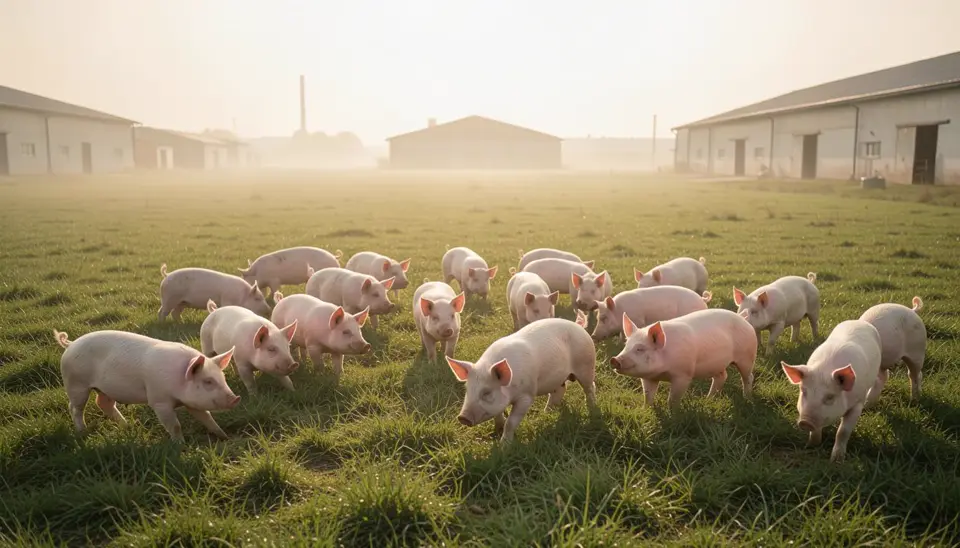
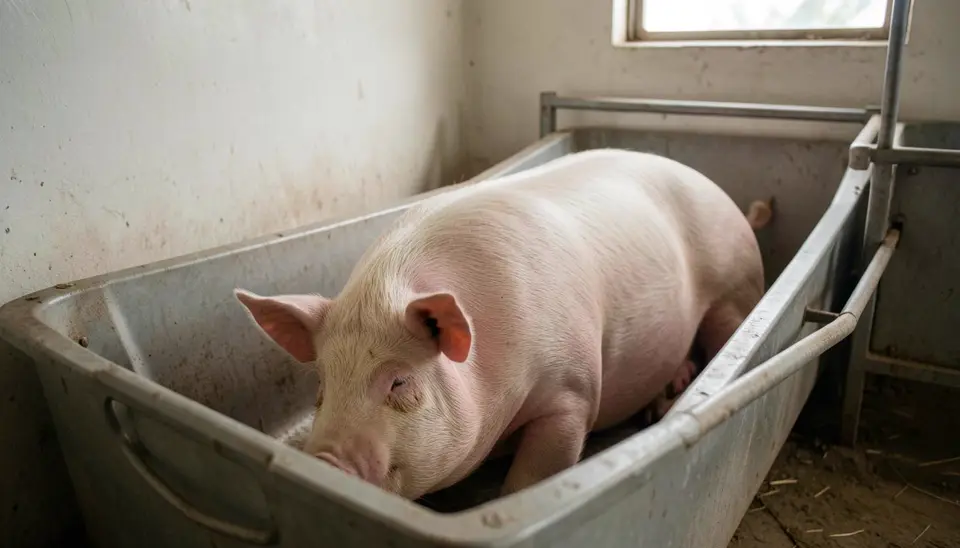
从产床到屠宰场,孕期母猪在加勒比地区面临着哪些挑战?本文用数据展现她们的生命之旅。
4 分钟阅读
话题
为人类、动物与地球的植物性生活。

东欧的猪仔解放故事展示了集约化养殖的真实面貌,并提供了转变的希望。
作者 李明 · 4 分钟阅读

从产床到屠宰场,孕期母猪在加勒比地区面临着哪些挑战?本文用数据展现她们的生命之旅。
4 分钟阅读

动物权益机构认证是否可信?本文通过剖析利益冲突对认证可信度的影响,为您解密动物权益认证的真相。
4 分钟阅读

美国动物系统改革法案已多次推迟,但它对动物福利的影响将是巨大的。让我们从动物的角度探讨一下为什么它会一再受阻。
4 分钟阅读

了解肉鸡饲养密度的伦理挑战及其对健康的影响,并通过混合饮食策略促进家庭和谐,实现可持续与健康的餐桌。
4 分钟阅读

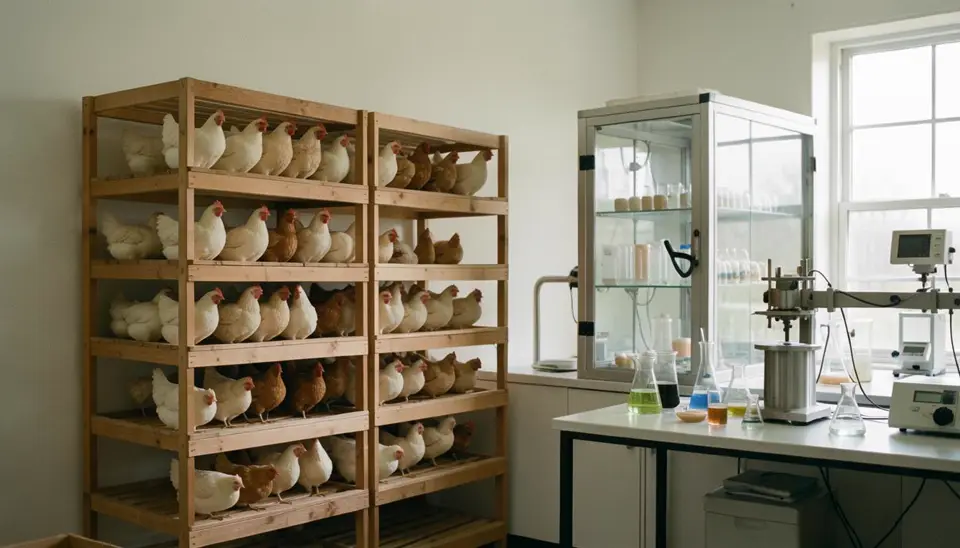
关于层架式鸡笼替代方案的讨论常被误解。本文深入分析植物性替代途径,驳斥常见误区,并提供证据支持。
4 分钟阅读

全球犬猫肉贸易是一个复杂的议题,涉及文化传统、动物福利、公共卫生和国际政策,其政策制定需平衡多方利益。
4 分钟阅读

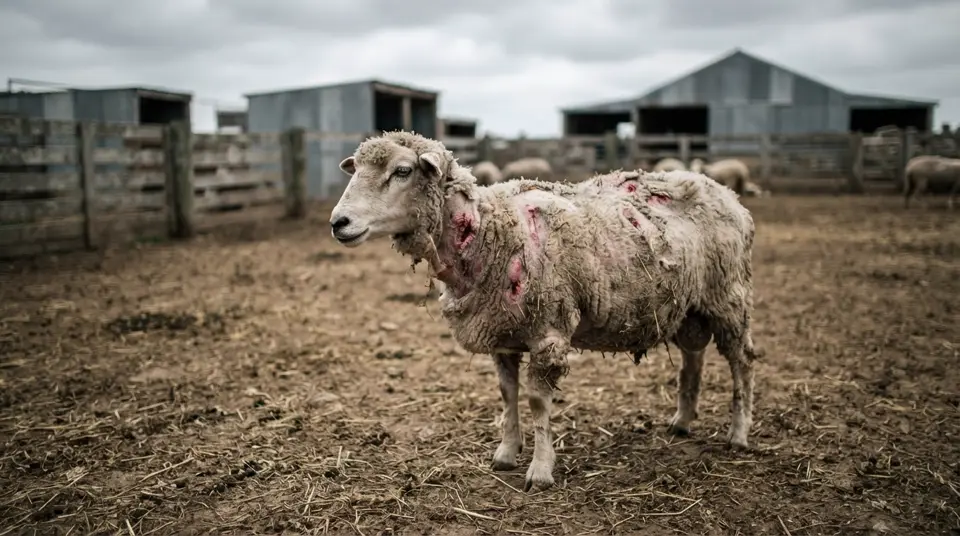
本文探讨了羊毛行业中,剪毛伤害和蝇蛆症对动物福利的深远影响,并从媒体报道自由角度深入剖析其伦理困境。
4 分钟阅读
实用导读 · index
好的环境新闻帮助你定位问题、核查说法,并决定下一步阅读什么。我们把证据、背景和可行路径放在一起,不把复杂议题简化成口号。
证据
研究驱动
背景
相互关联
下一步
可实践
| 从这里开始 | 你会看到 | 适合 |
|---|---|---|
| The overview | A clear answer and the essential terms | First-time readers |
| The evidence | Sources, comparisons and reported context | Checking a claim |
| The pathways | Related topics, tools and further reading | Going deeper |
We separate evidence, interpretation and practical guidance. Claims should be traceable to research, public records or clearly identified editorial analysis.
No. Food systems, animal welfare and climate are connected systems. Individual choices matter, and so do policy, business and collective action.
Use the related topics, topic hubs and calculators on this page to move from a quick answer to the primary context behind it.
深入背景
Animal agriculture sits at the intersection of climate, land use, water, public health and animal welfare. These reference points recur across our reporting, so we keep them in one place: the numbers most often cited, the way we read a claim, the myths that survive longest, and the vocabulary you need to follow the debate in any language.

土地是关键
Roughly three quarters of global farmland is used for livestock, yet it supplies a minority of the world's calories. Shifting even part of that land back to crops, forest or wetland is the single largest lever most countries hold.
| 常见说法 | 证据显示 | 为何重要 |
|---|---|---|
| Local food is always the lowest-carbon choice | Transport is a small share of most food footprints; what is produced matters more than how far it travelled. | It redirects effort towards the choices with real leverage. |
| Plant-based eating cannot meet protein needs | Legumes, grains, soy foods, nuts and seeds cover protein and amino-acid needs in well-planned diets at every life stage. | Nutrition myths keep people from a change they were open to. |
| Higher-welfare labels mean animals are not harmed | Label standards vary widely and many permit routine practices readers would not expect. | Informed choices depend on knowing what a label actually certifies. |
| Individual choices are irrelevant next to policy | Demand shifts change what is produced, funded and legislated; the two move together. | It replaces fatalism with something you can act on this week. |
从证据到日常选择
Numbers describe the system; meals, votes and purchases are how most people meet it. This field guide turns the reporting into concrete swaps, a four-week plan and the signals worth watching, so a page of research becomes something you can act on this week without pretending the hard parts are simple.
| 与其 | 不如试试 | 为何重要 |
|---|---|---|
| Beef mince | Lentils, beans or soy mince | Beef carries by far the highest emissions and land use per gram of protein. |
| Dairy milk | Soy or pea milk | Comparable protein with a fraction of the land, water and emissions. |
| Cheese in daily meals | Nut or seed-based spreads, cashew cheese | Cheese is the most resource-intensive dairy product per kilogram. |
| Chicken and eggs | Tofu, tempeh, chickpeas | Removes the welfare cost of the most intensively farmed animals. |
| Farmed shrimp and salmon | Beans, jackfruit, seaweed-seasoned dishes | Avoids mangrove loss, bycatch and wild fish used as feed. |
| Butter | Olive or rapeseed oil | Lower emissions per kilogram and better cardiovascular profile. |
Most people who change their diet permanently do it gradually, one meal slot at a time, keeping the food they already like at the centre.

改变最先显现的地方
Markets are the clearest place to watch demand shift: as pulses, grains and vegetables take more shelf space, producers, buyers and policy follow the money rather than the argument.