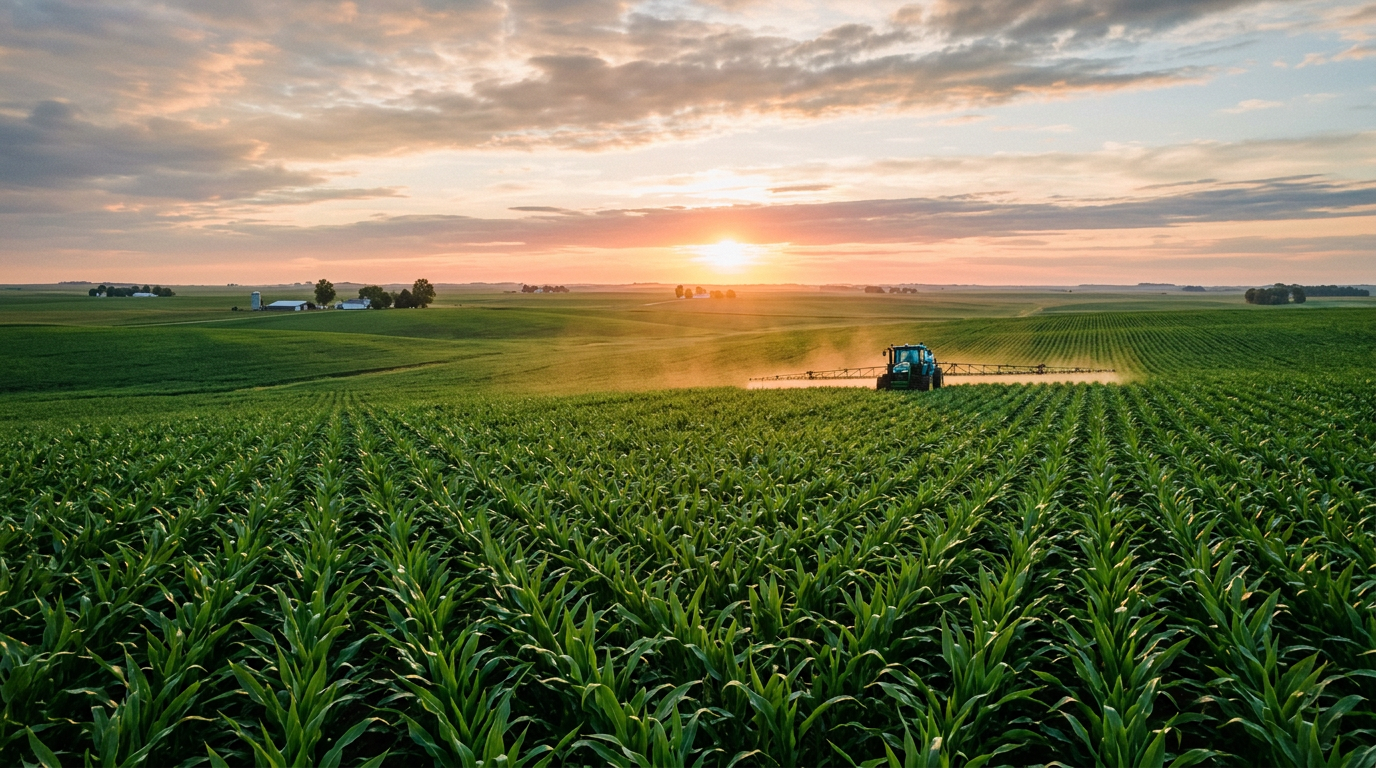
전세계 군대 음식 공급과 지역 공급의 비교: 기후 영향 비교 - 2024
전세계 군대 음식 공급망에서 군대가 지역 공급망보다 기후에 미치는 영향이 더 큰가요? 이 시나리오를 따라가 보세요.
4 분 소요
식품 시스템은 전 세계 온실가스 배출량의 약 4분의 1에서 3분의 1을 차지하며, 동물성 제품이 그 대부분을 차지합니다. 이 허브에서는 식품별 탄소 발자국, 메탄 및 식단 전환 모델링을 다룹니다.
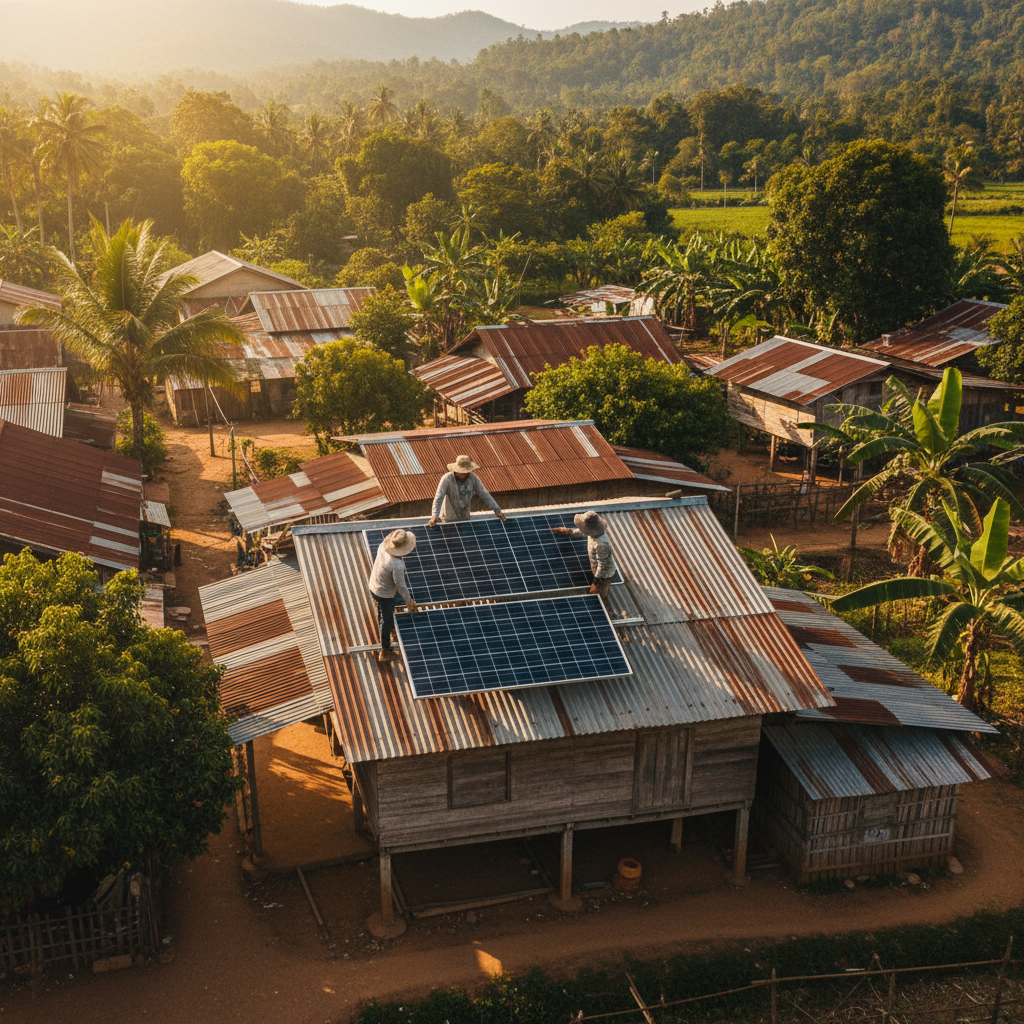
Discover the carbon footprint of school meals in West Africa and learn how to make a positive impact.
작성자 Aisha Diop · 4 분 소요
전세계 군대 음식 공급망에서 군대가 지역 공급망보다 기후에 미치는 영향이 더 큰가요? 이 시나리오를 따라가 보세요.
4 분 소요
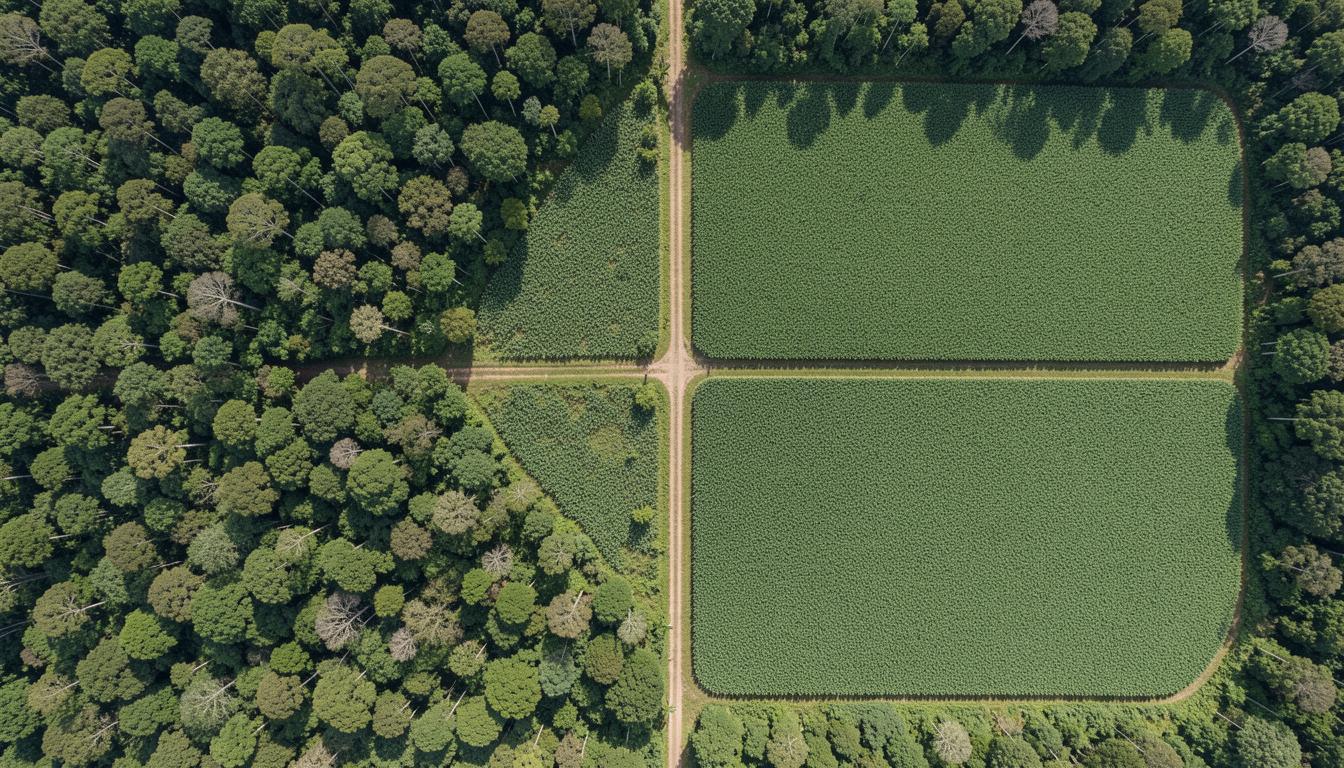
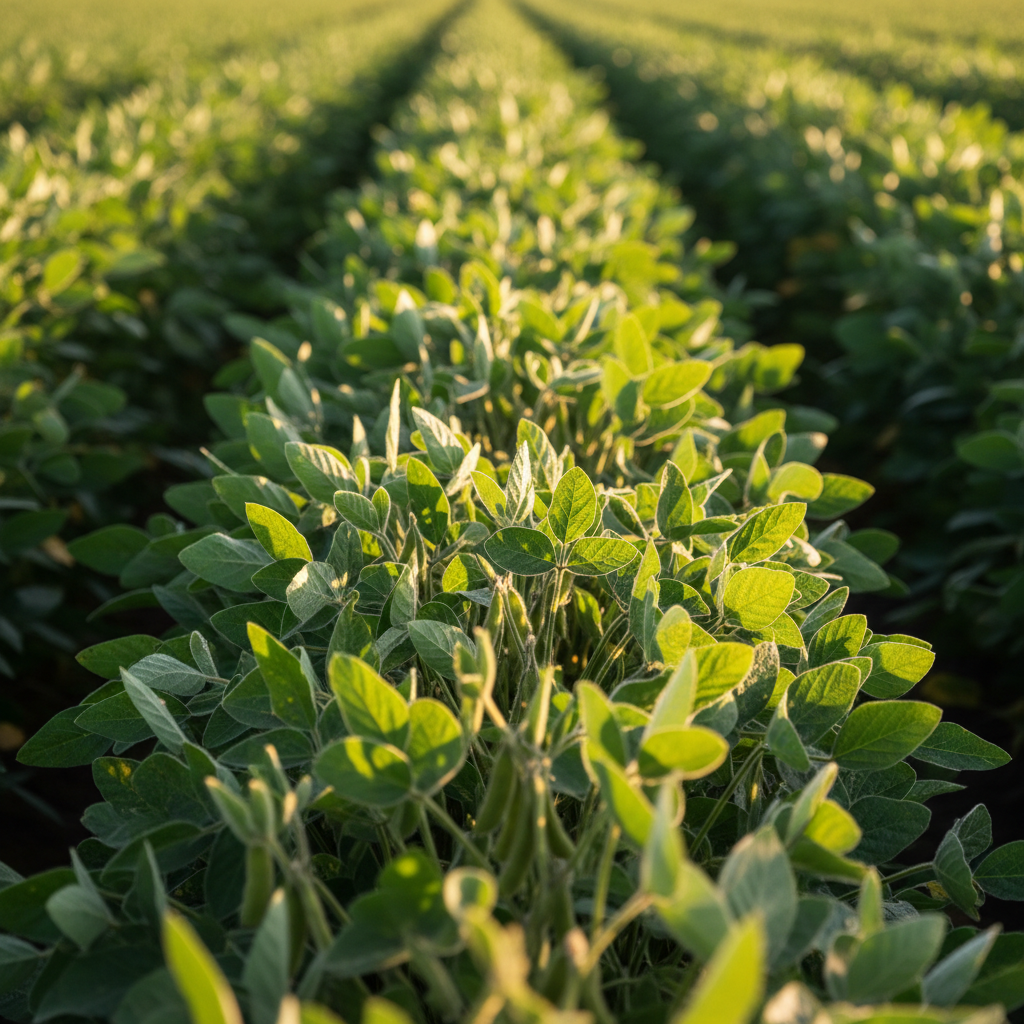
Exploring the complex relationship between China's soy imports, deforestation, and common claims about sustainable agriculture and climate change.
4 분 소요
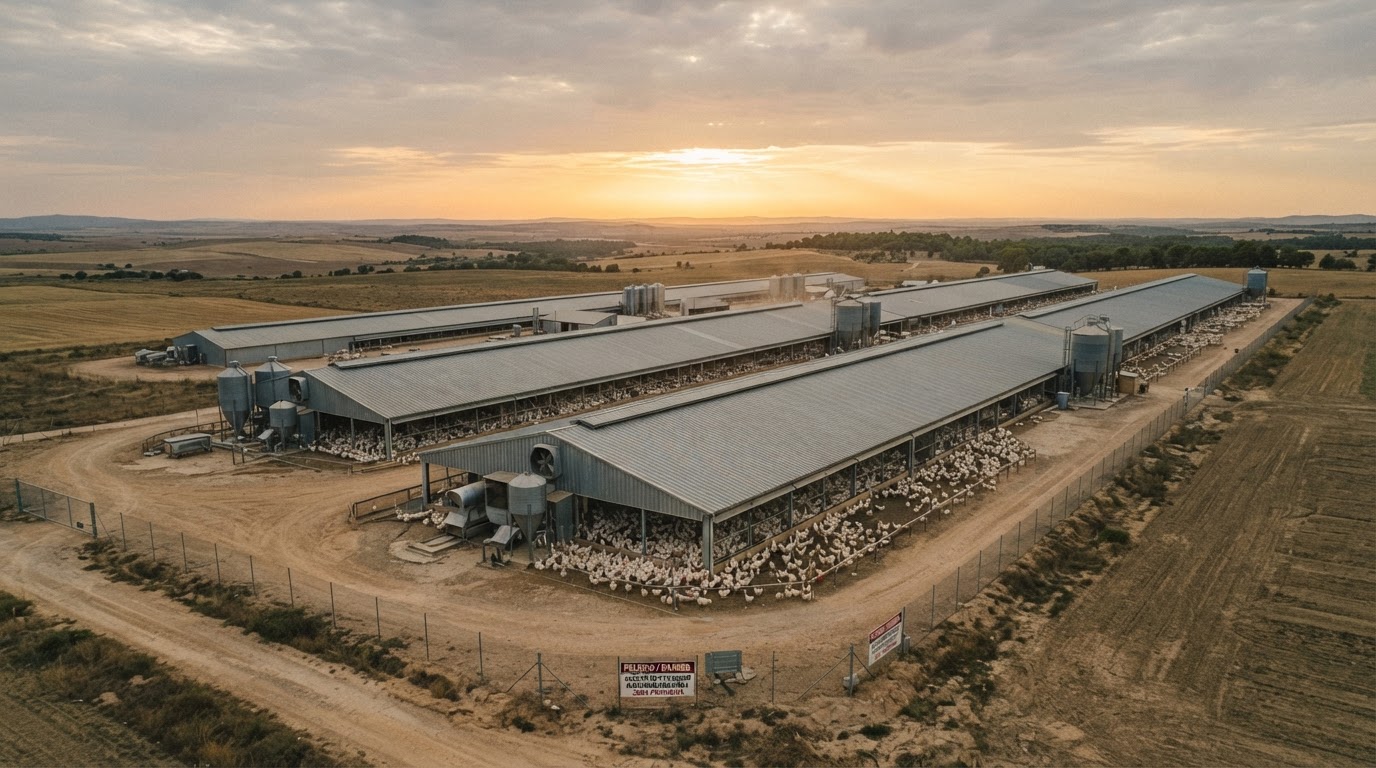
Unpacking the environmental and ethical impacts of high broiler stocking density in the global poultry industry
4 분 소요
이번 Ramadan, Lent, Yom Kippur, Ekadashi 기간 동안, 세계의 학교 급식실에서 meat를 줄이는 것은 어떻게 기후 변화에 영향을 미치는가?
4 분 소요
Exploring the Australian context of a just transition for farm workers, ensuring a sustainable future for both people and the planet.
4 분 소요
Discover how adopting IPCC's dietary guidelines can mitigate climate change and combat food-cost crises in vulnerable countries.
4 분 소요
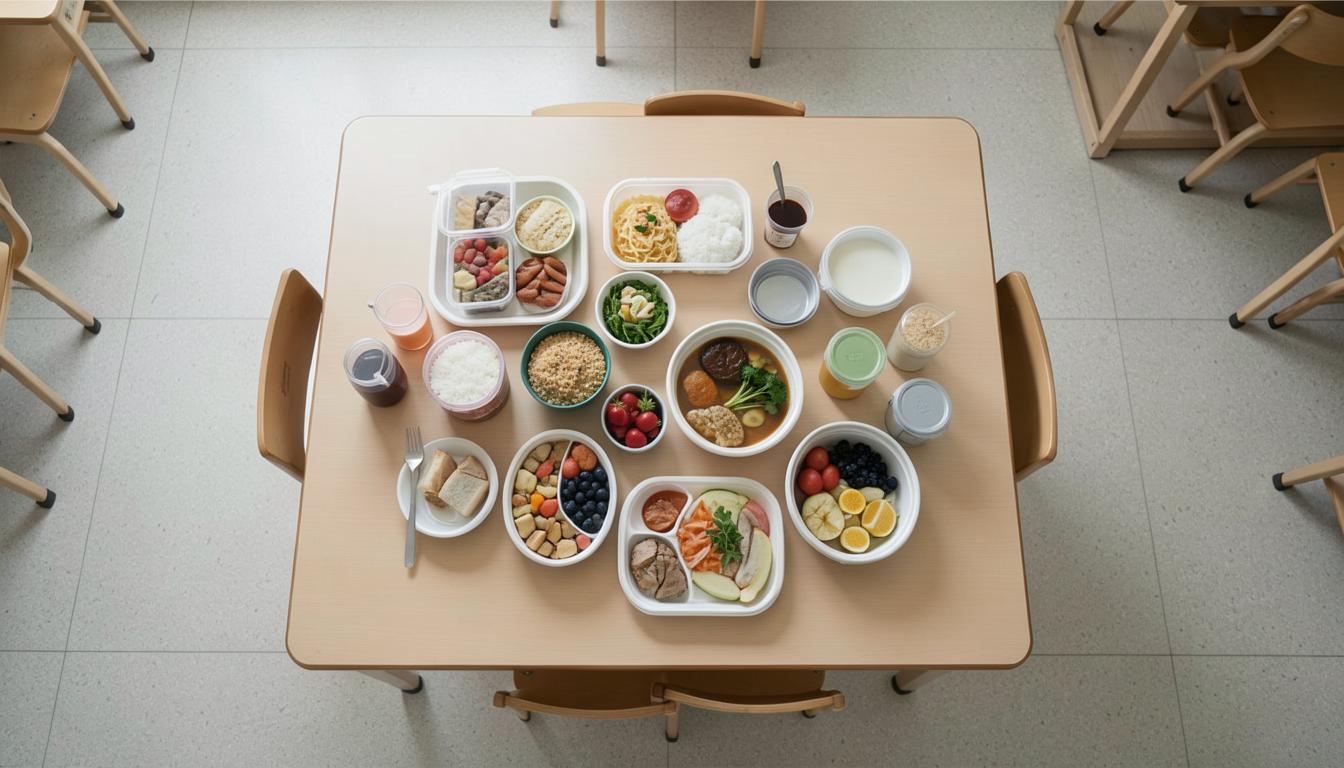
학교 급식실과 공공 조달에서 사용되는 탄소footprint 최소화 위한 보관 용기 전환을 위한 필수 도구 및 자원
4 분 소요
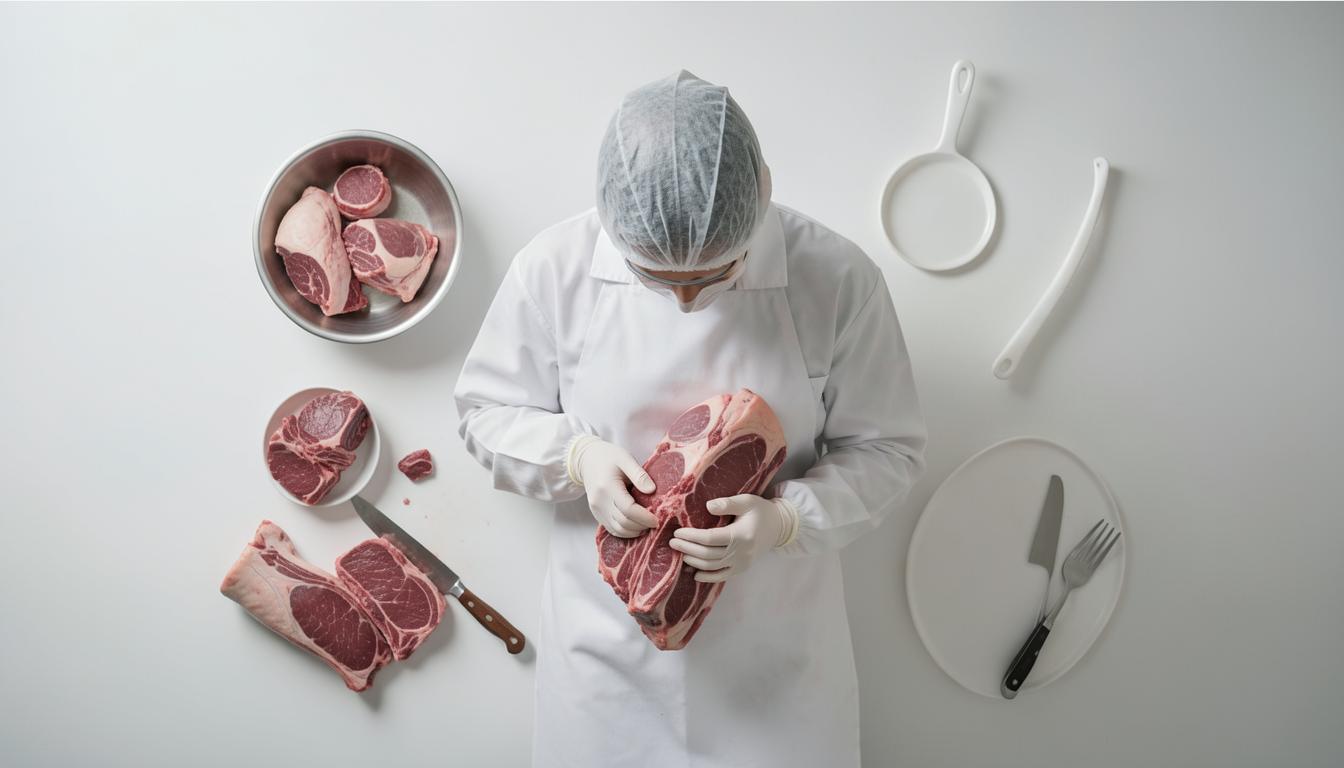
2030년까지의 축산업 안전성 예측: 메탄 가스 배출량과 동물 복지, 직장 건강이 어떻게 변화할 것인가?
4 분 소요

가축 메탄과 화석연료 메탄의 차이점을 이해하고, 가정에서 기후 변화를 줄 수 있는 방법
4 분 소요
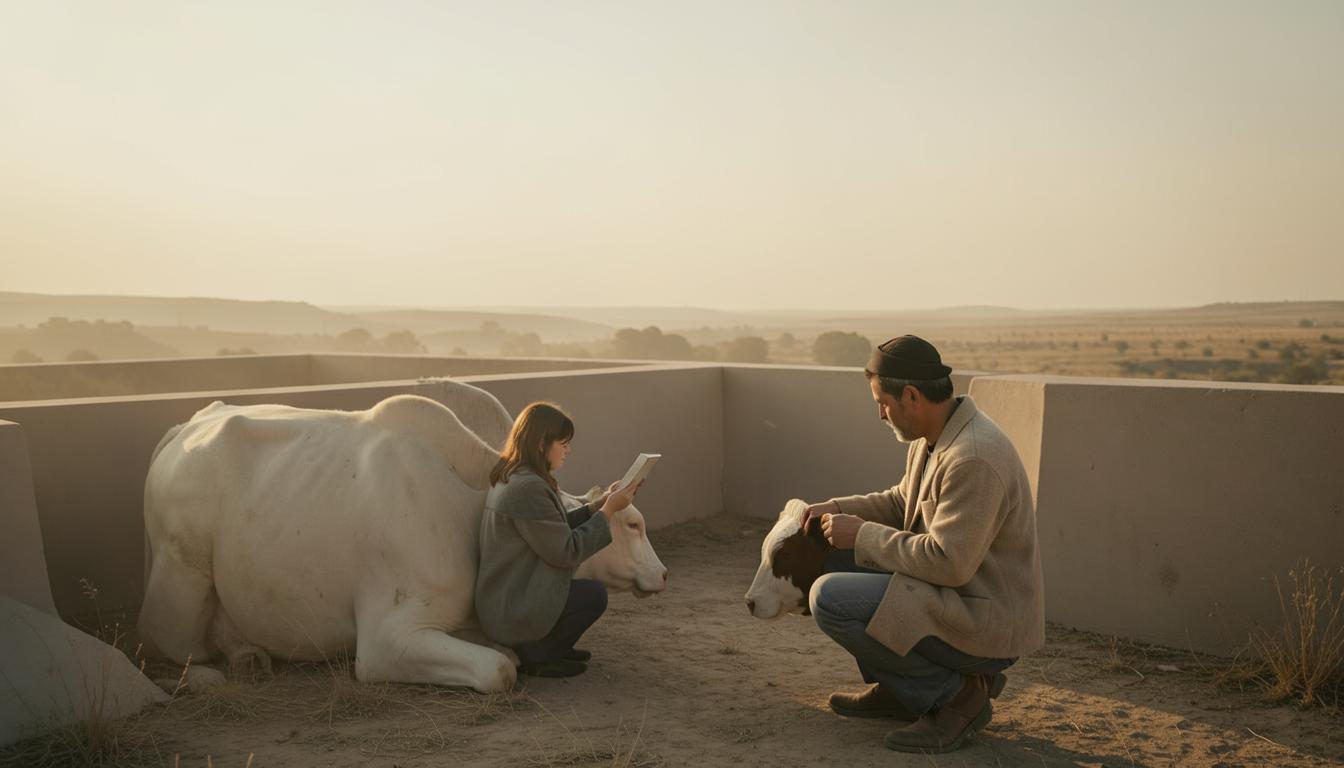
60+ 이상의 기후 변화 대응을 위한 첫 걸음: 'net-zero beef' 클레임을 확인하고, 7일간 관리 프로그램을 진행합니다.
4 분 소요
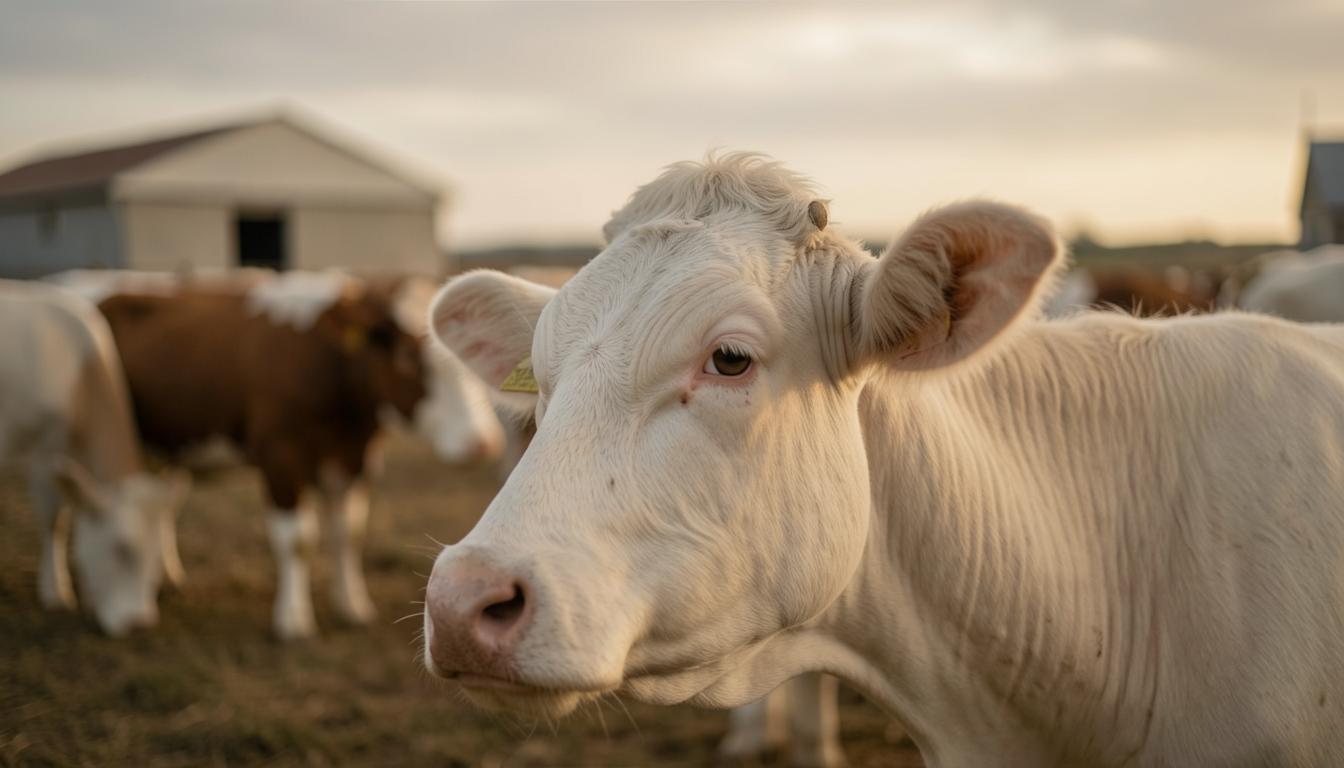
EU에서 육류 산업이 육지 사용에 미치는 영향과 이를 줄이는 방법에 대한 조사
4 분 소요
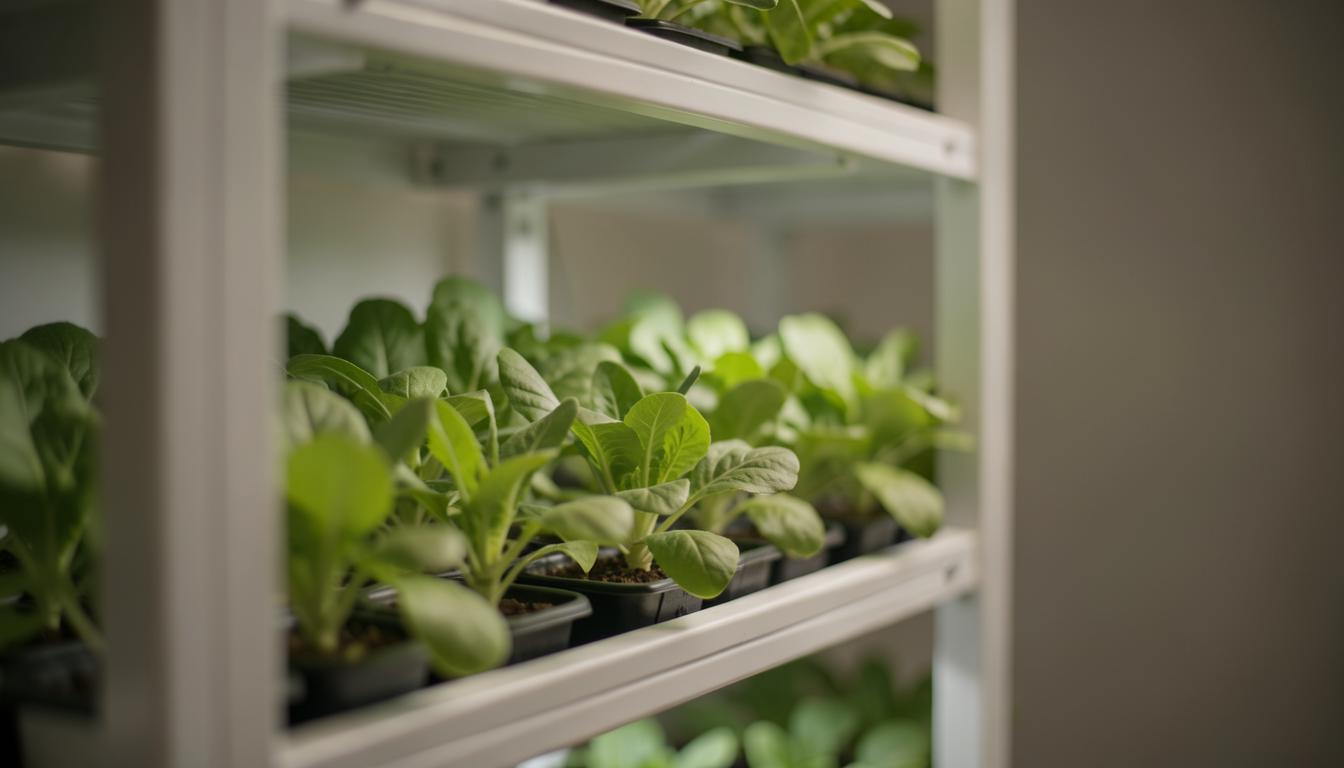
수직 농장의 기후 변화에 대한 기대와 실제 효과를 해명하기 위해, 회복 중인 먹거리 장애인에게 수직 농장 도입의 의미와 현실적인 접근법을 탐구합니다.
4 분 소요
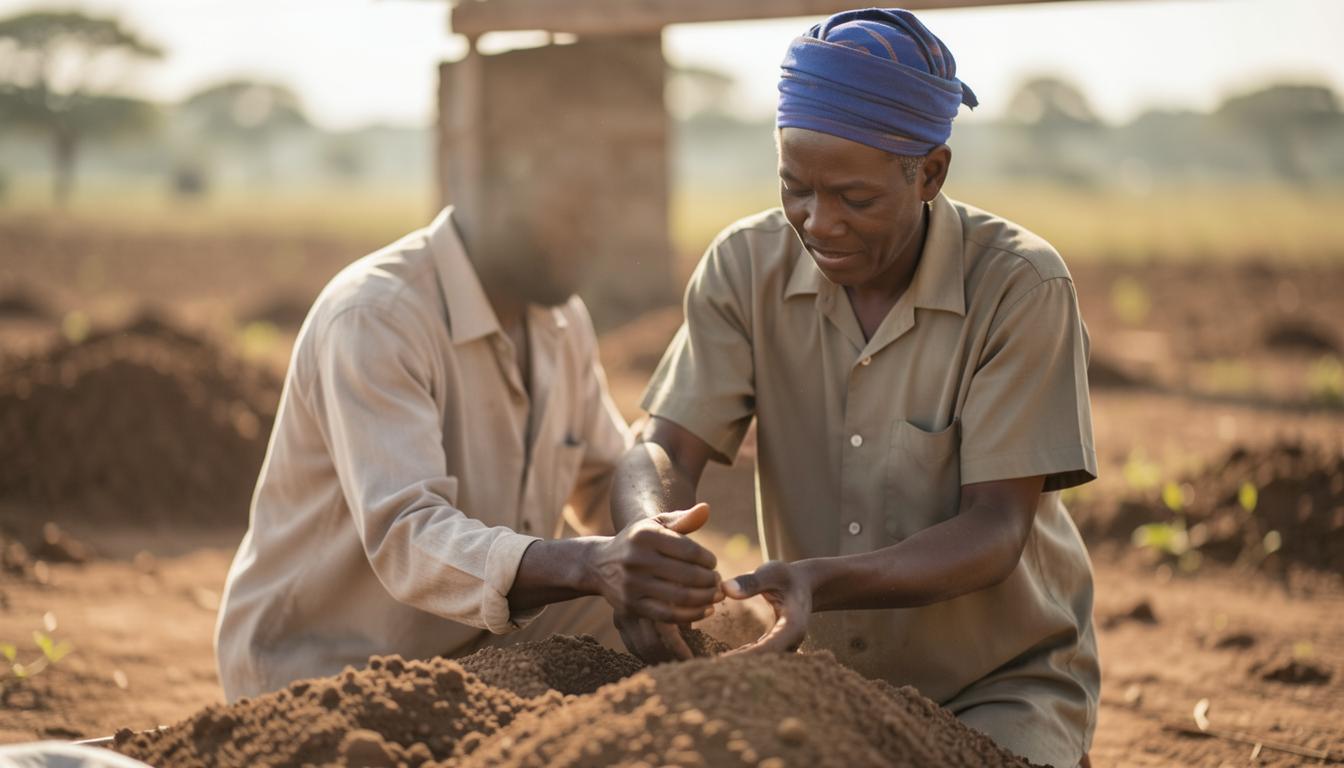
케냐의 농업에서 녹색가스인 질소산화물의 주요 원천인 비료산업의 숨겨진 기후 비용을 폭로합니다.
4 분 소요
케냐의 농업 revolution이 진짜로 건강하고, 기후 친화적인가? 농업에 대한 클라이맷의 거짓말과 진실을 파헤칩니다.
4 분 소요
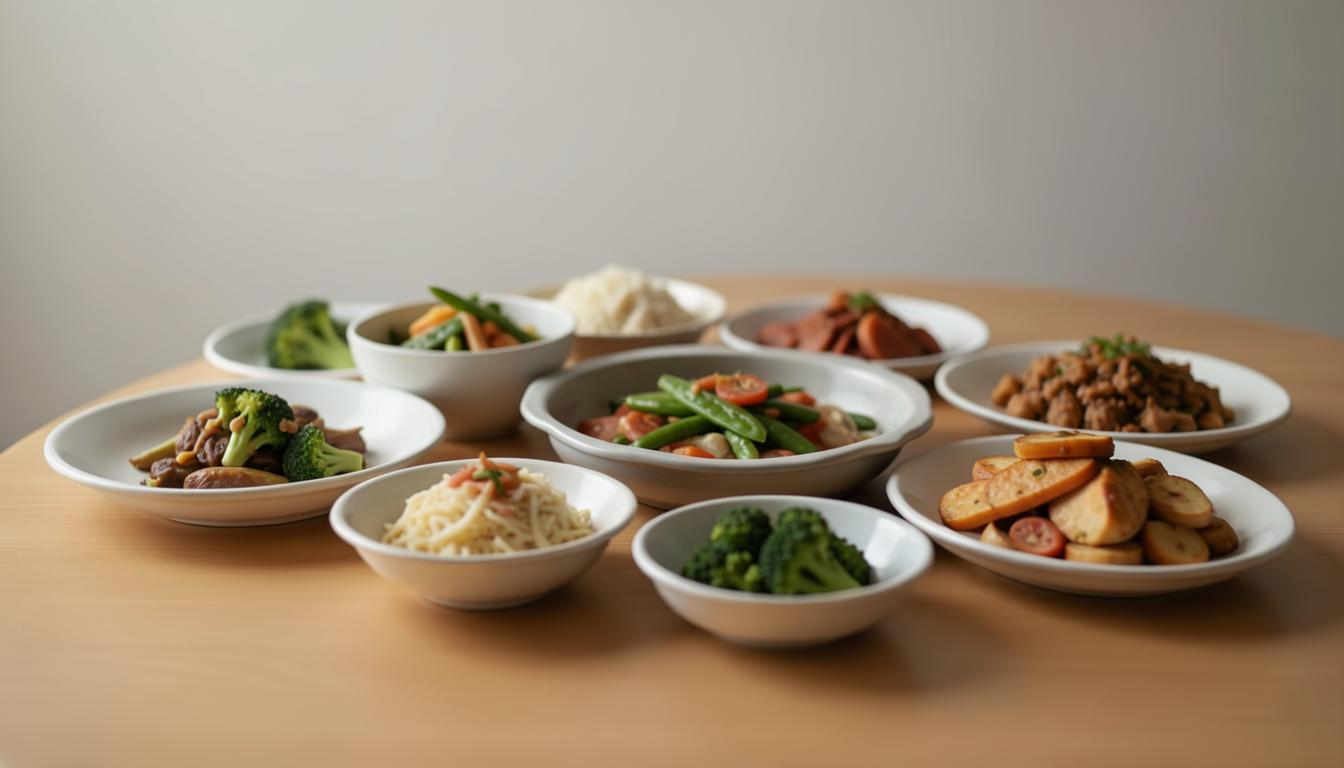
홀로 사는 사람들이 기후 변화에 미치는 영향과 음식 선택의 중요성을 알아보세요.
4 분 소요
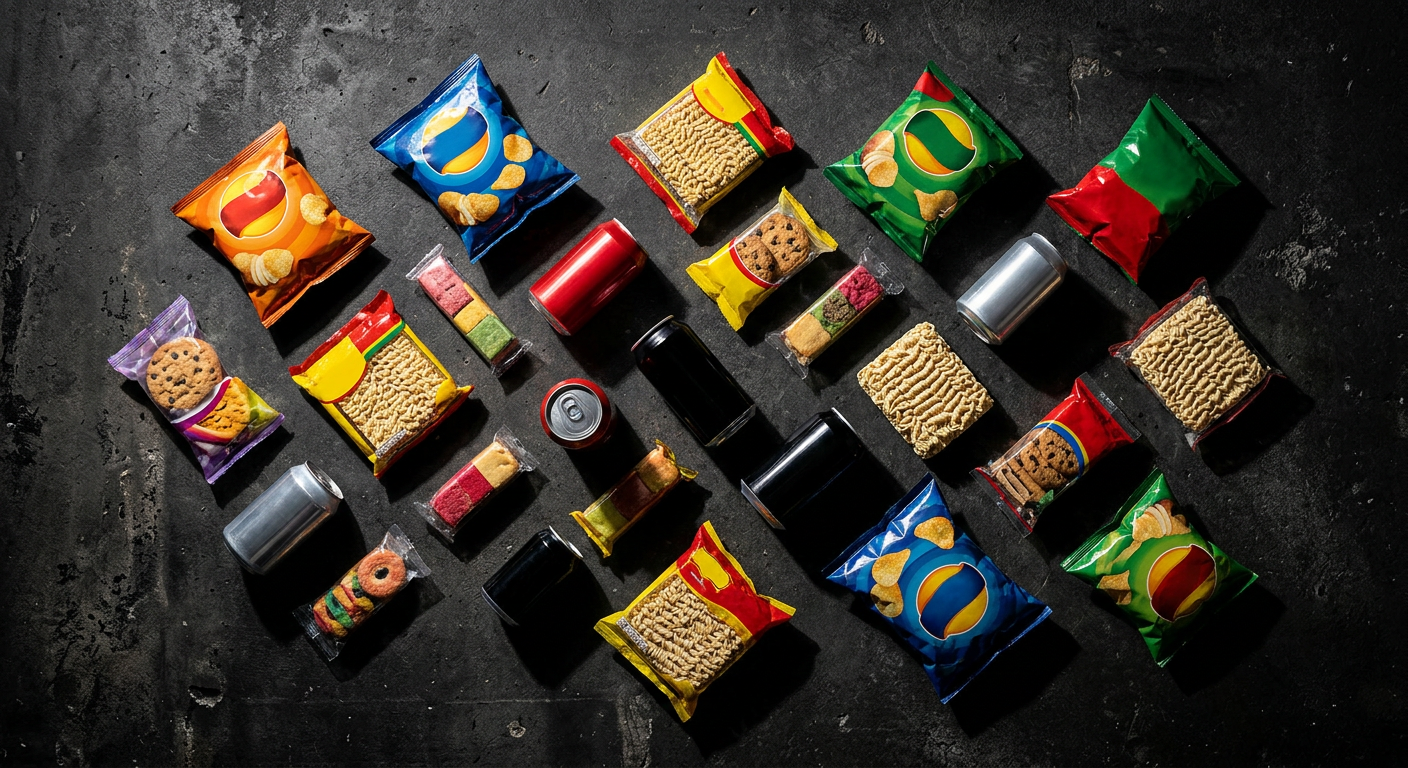
Exploring the potential of precision fermentation in dairy production, its implications, and ethical considerations.
4 분 소요
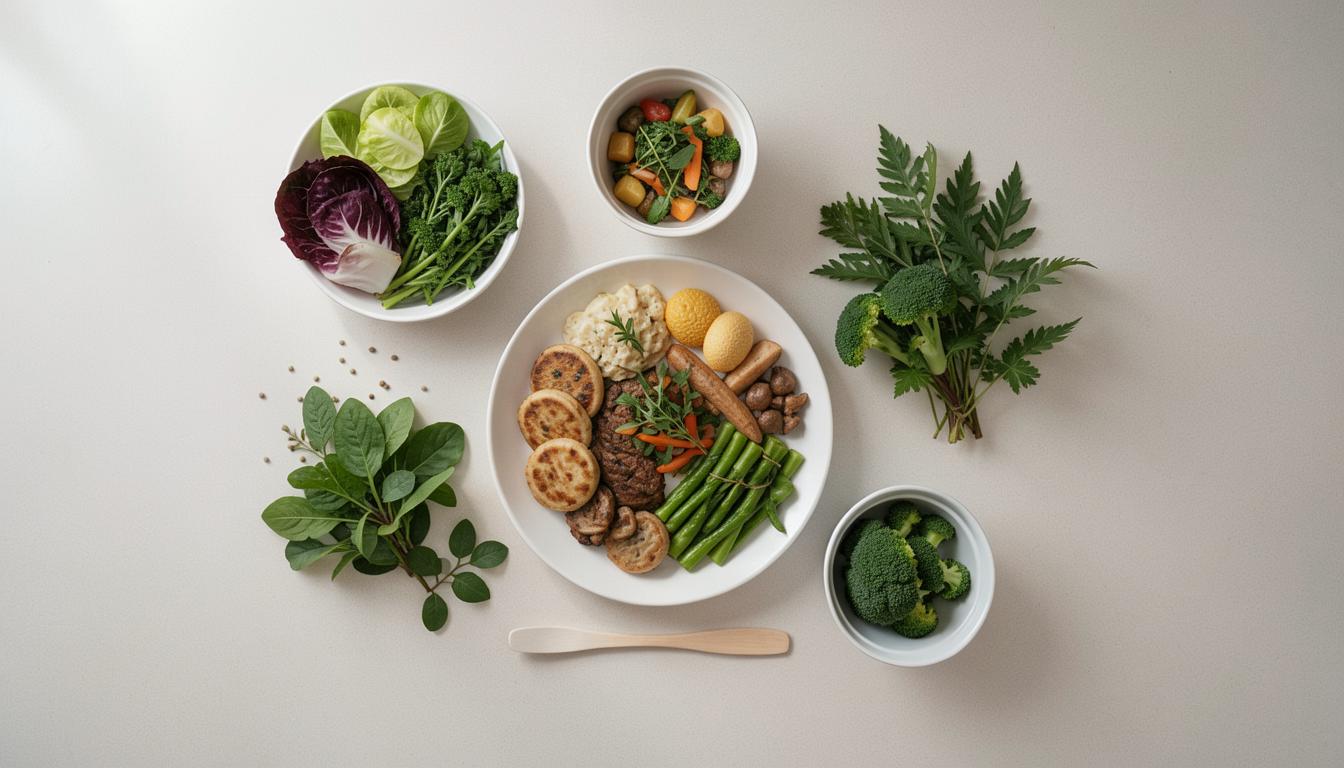
채식, 특히 재생림&RW는 기후 환경에 긍정적인 영향을 미치는 방법으로, 더 나아가 새로운 환경을 위한 기회를 제공할 수 있습니다.
4 분 소요
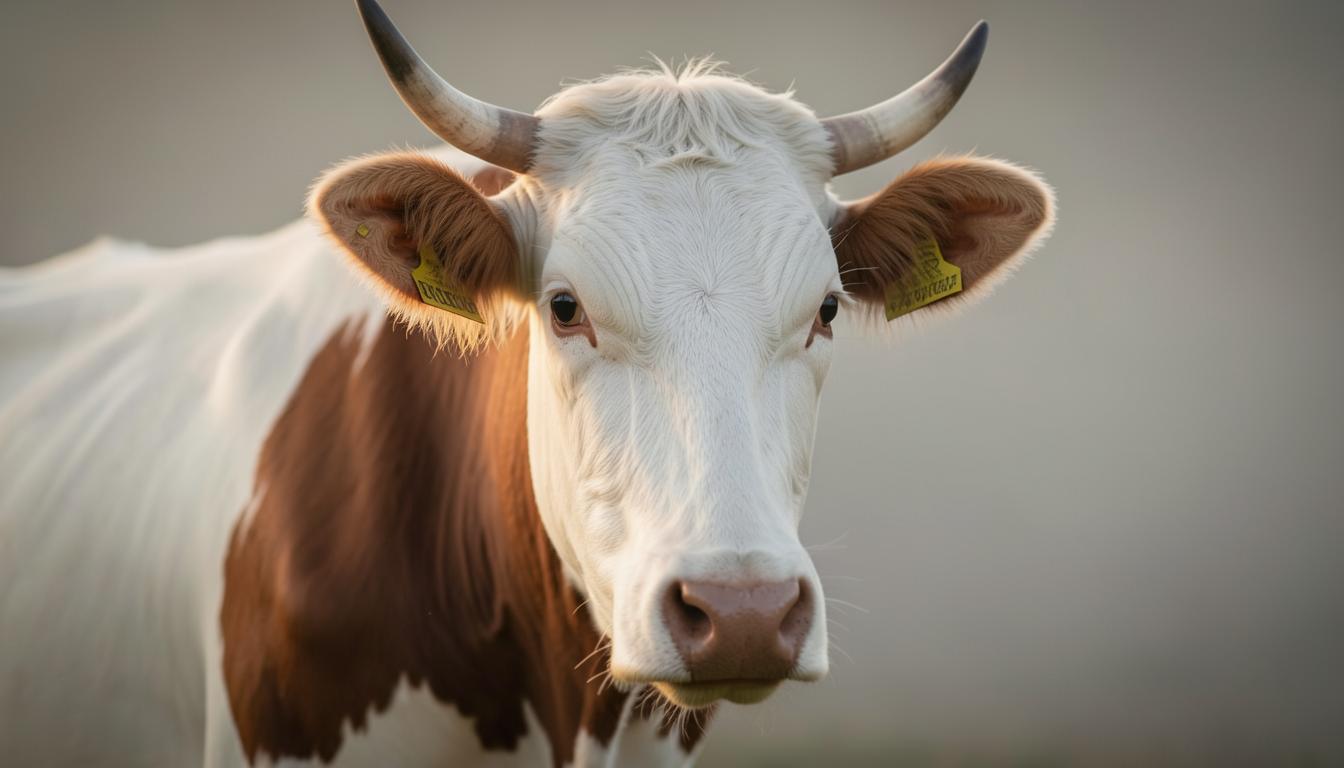
덴마크는 메탄세 배출세를 도입하여 방아쇠를 당겼지만, 가축 산업의 동물들은 어떻게 반응하고 있을까?
4 분 소요

육류, 유제품, 계란 등 동물성 식단에서는 얼마나 많은 땅이 사용되는지, 그리고 지표면의 이용을 줄이기 위한 선택에 대해 알아보세요.
4 분 소요
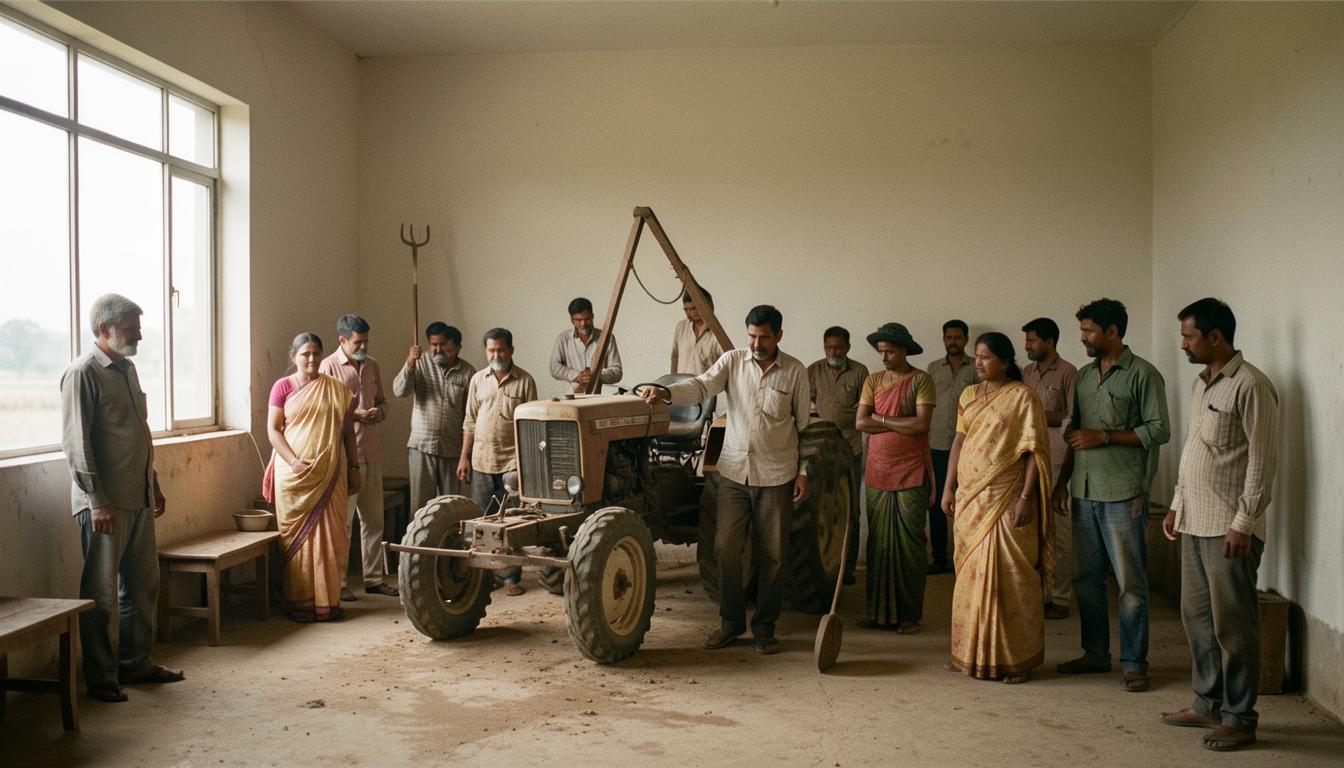
네덜란드의 질소 위기와 인도 농민의 투쟁, 아이들을 위한 이해하기 쉬운 방법
4 분 소요
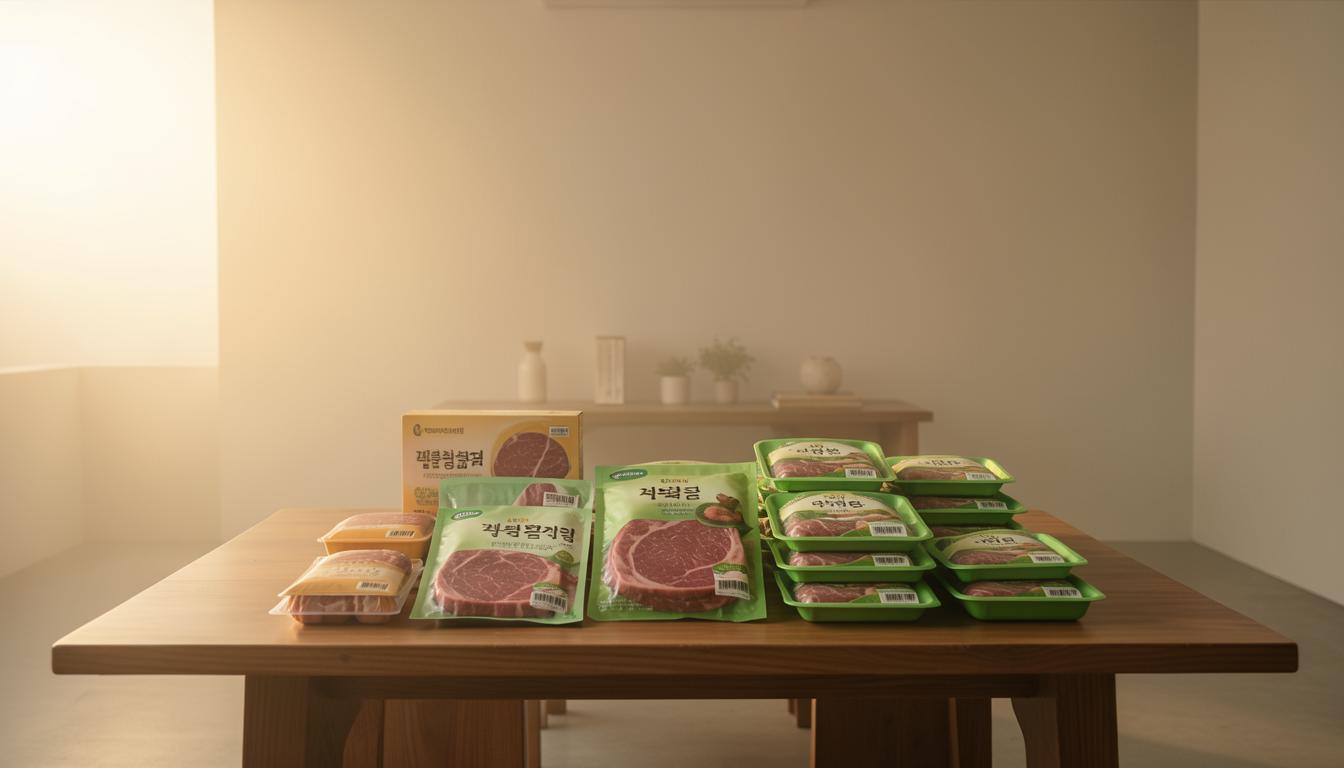
대형 육류 기업의 그린워싱은 소비자가 진짜 환경을 위해 행동하는 것을 방해할 수 있습니다. 어떤 것이 진짜이고, 어떤 것이 가짜일까요?
4 분 소요
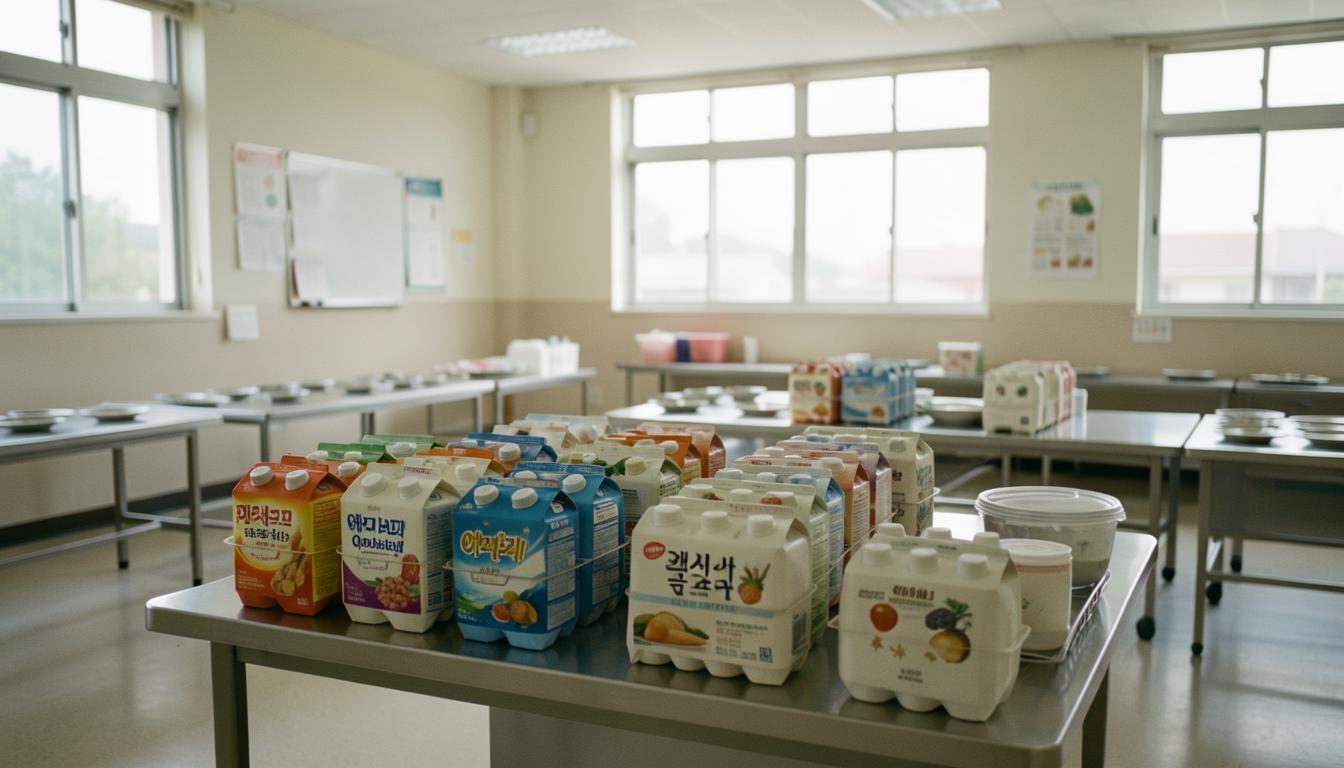
HFC 냉각장치의 기후 비용을 줄이는 저렴한 대안과 고급 대안을 비교합니다.
4 분 소요
소이 산업의 기후 비용은 누가 진짜로 먹을까? 이 기사에서는 소이 산업의 영향을 조사하고, 기업 책임의 중요성을 탐구합니다.
4 분 소요
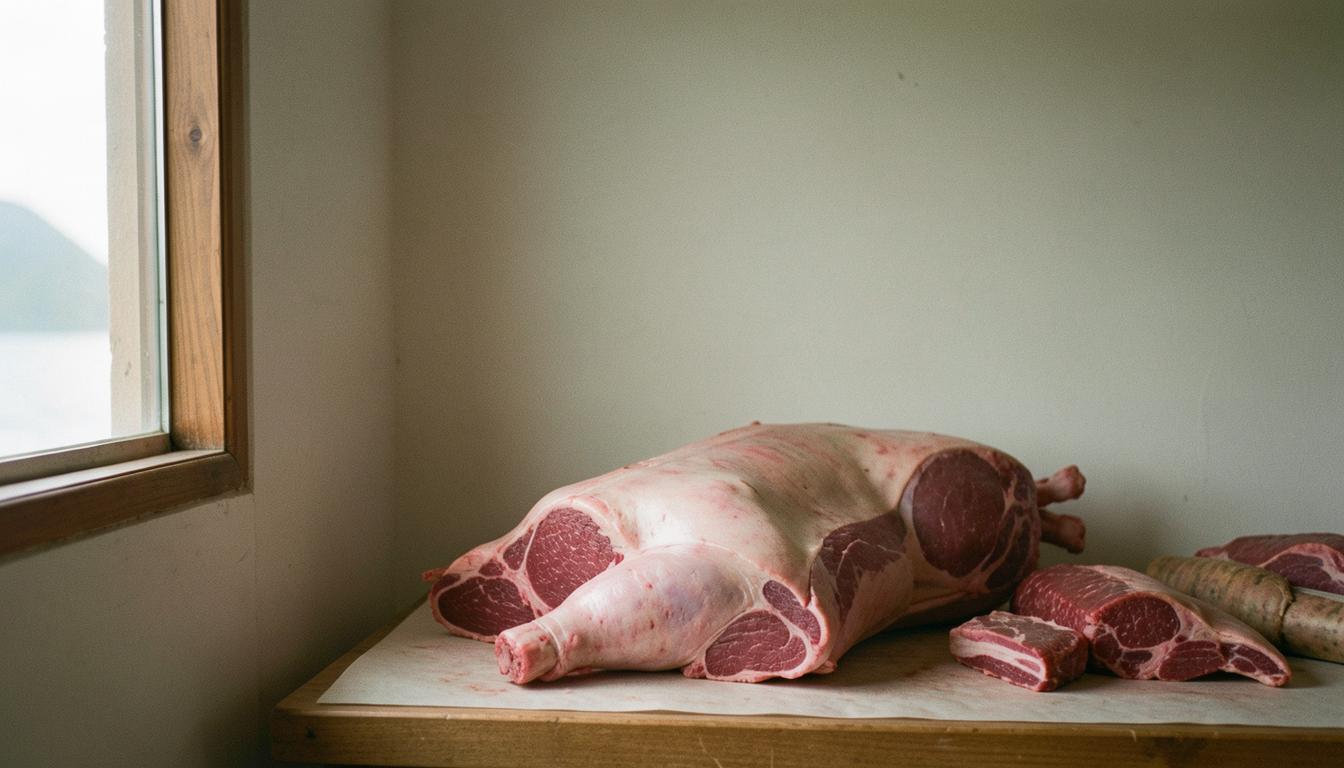
태평양 섬나라에서 육류industry가 육지 면적의 얼마나 많은 부분을 차지하는지 조사하고, 기후 변화와 관련된 세 가지 가능한 해결책을 제시합니다.
4 분 소요
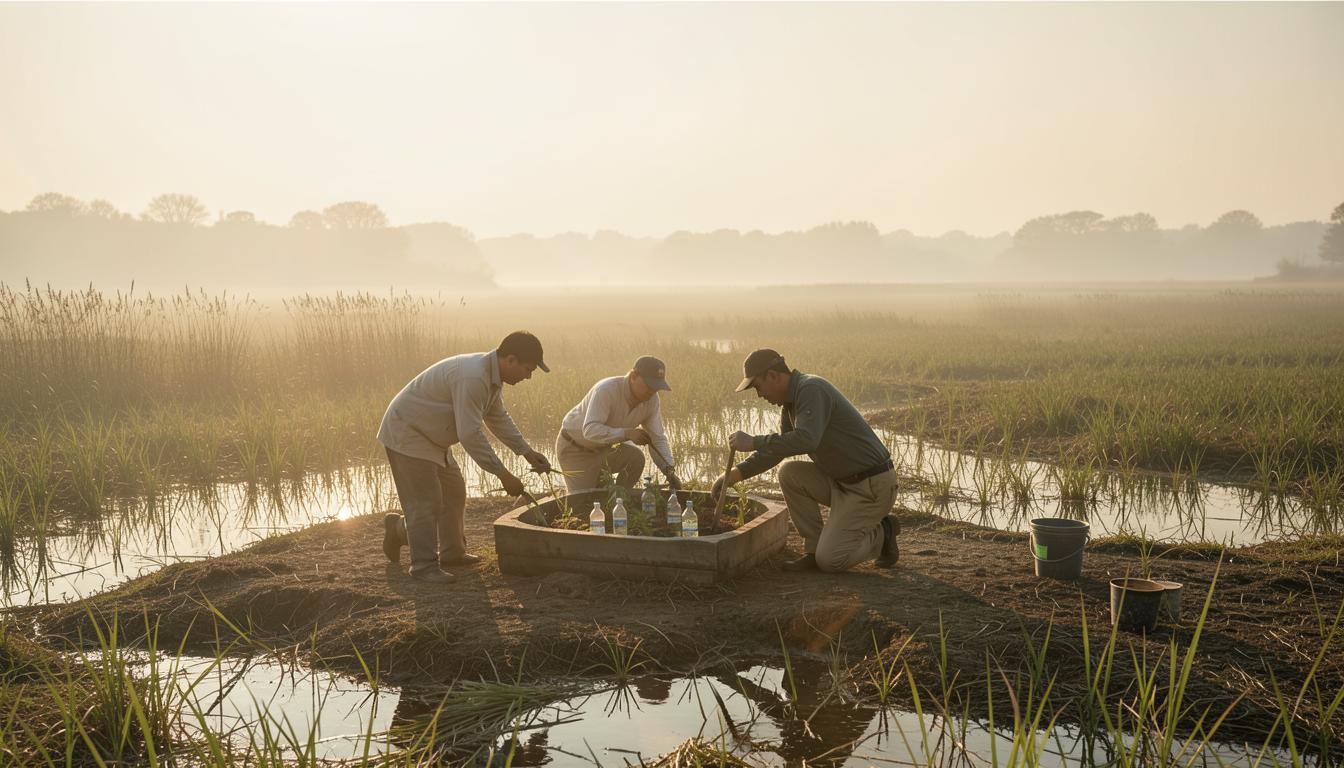
습지 손실이 메탄 예산을 증가시키고, 동물 전염병의 위협을 높이는지 알아보습니다.
4 분 소요
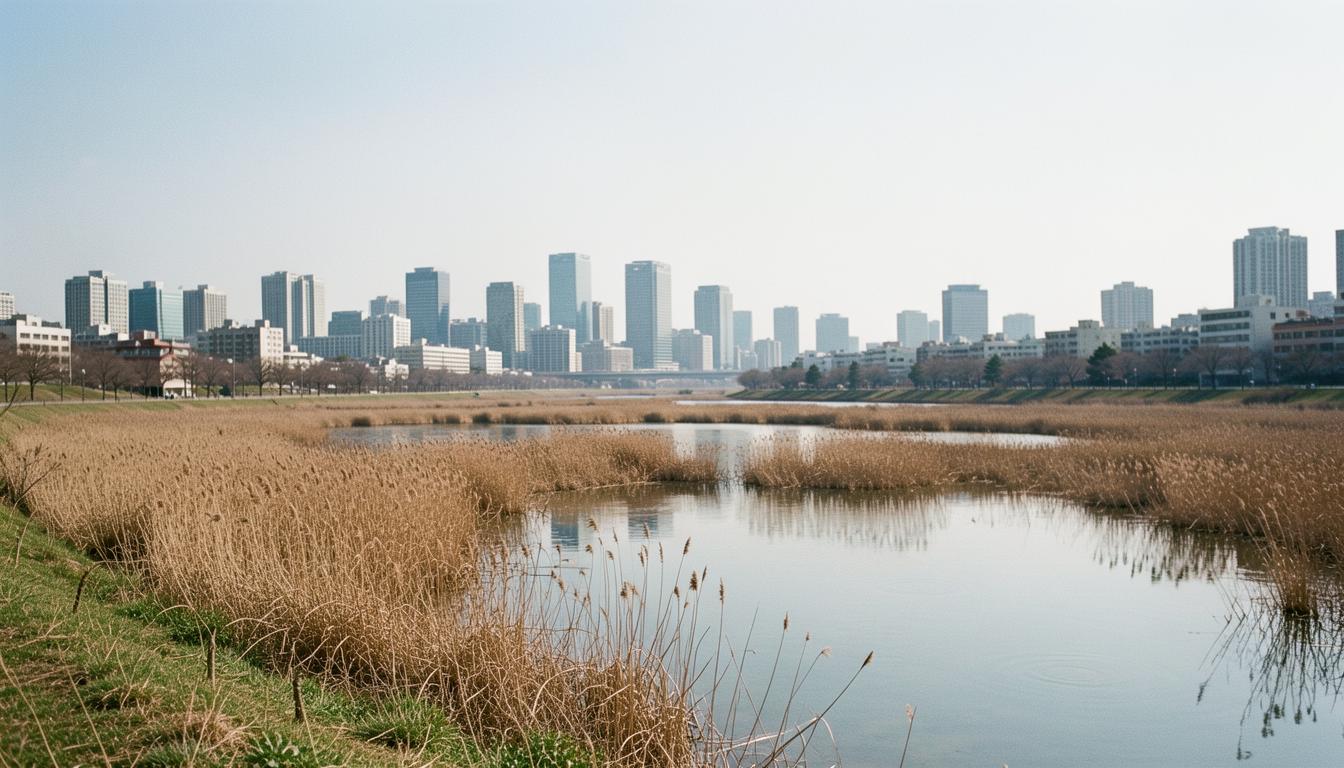
습지 감소가 메가시티의 기후 변화에 미치는 영향과 메탄 예산에 대한 이해가 필요합니다.
4 분 소요
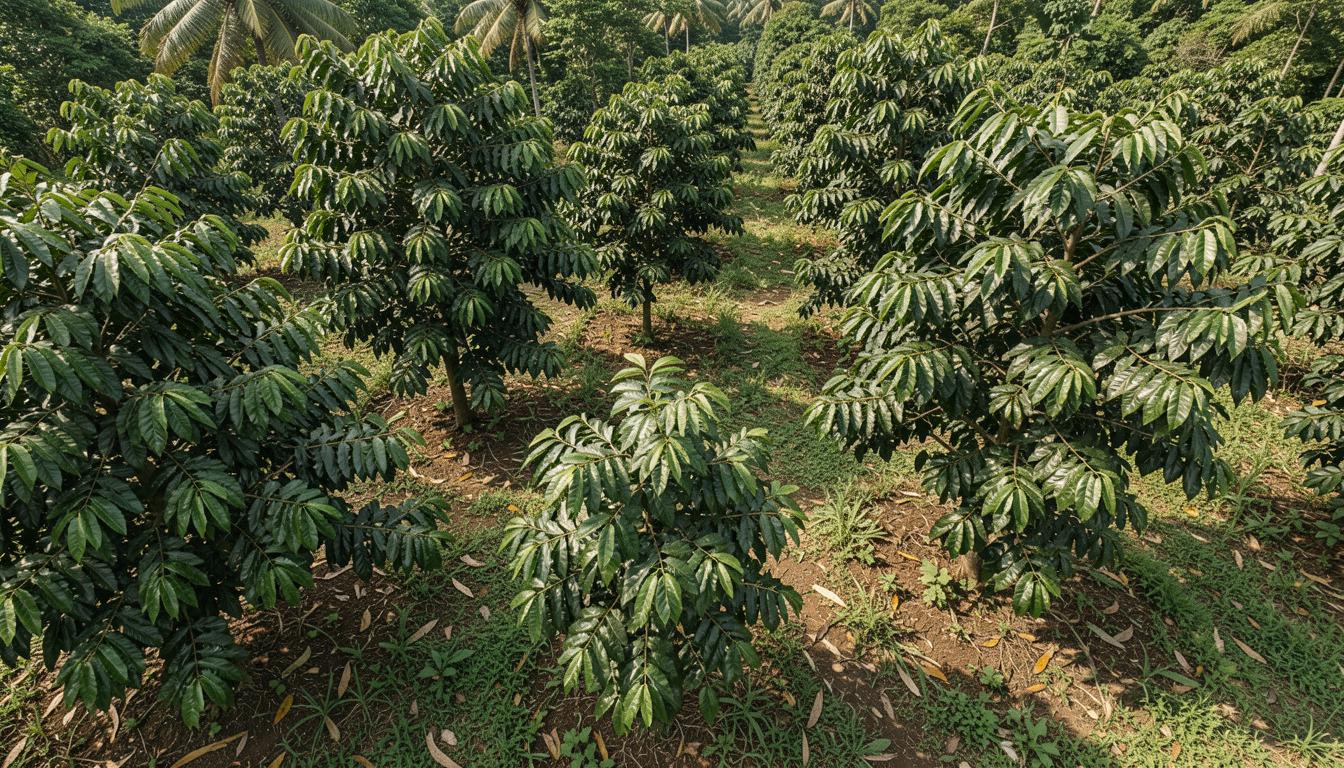
커피와 초콜릿을 사랑한다면, 열대 지방의 기후 비용도 알아야 합니다. 이 기사에서 커피와 초콜릿의 기후 비용, 기원, 이점, 비판, 그리고 대안에 대해 알아보겠습니다.
4 분 소요
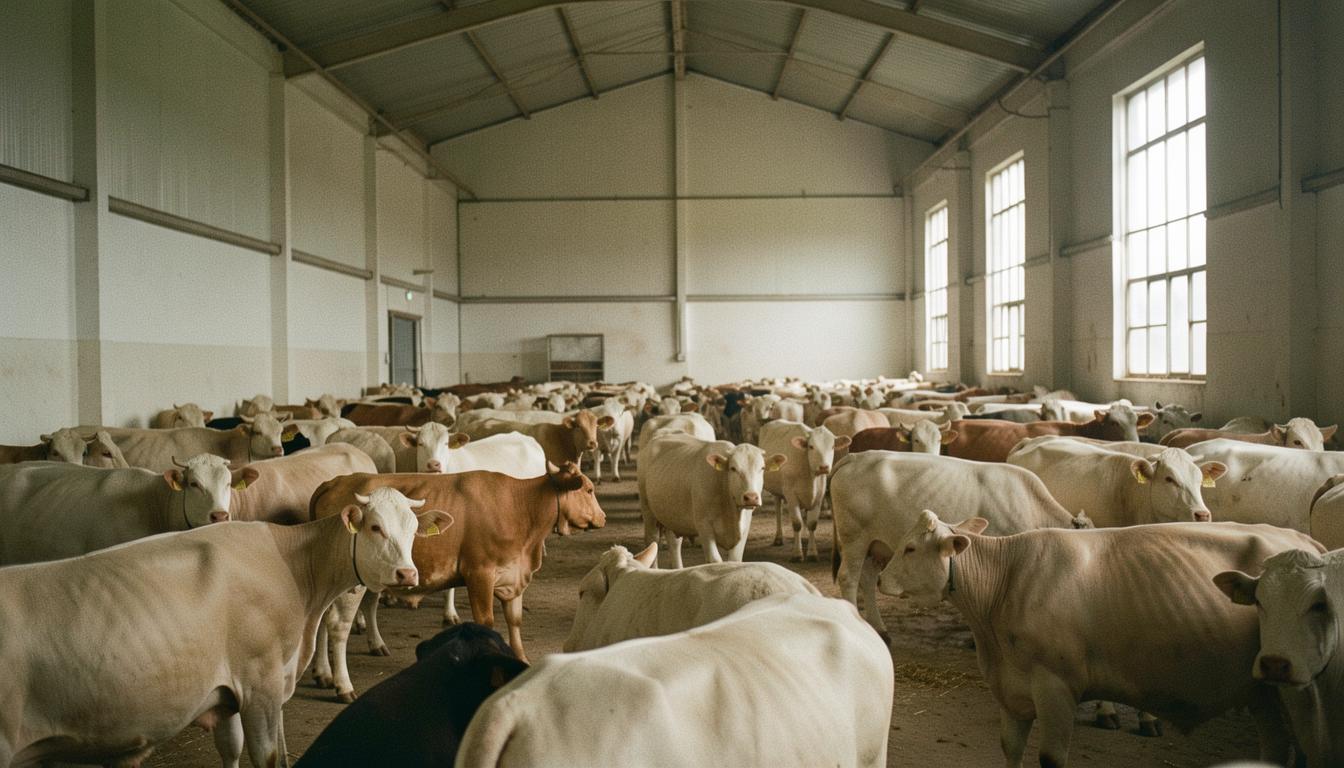
Factory-farm 위험성을 이해하고 보험 산업의 추적 가능성을 평가하는 방법에 대한 가이드
4 분 소요
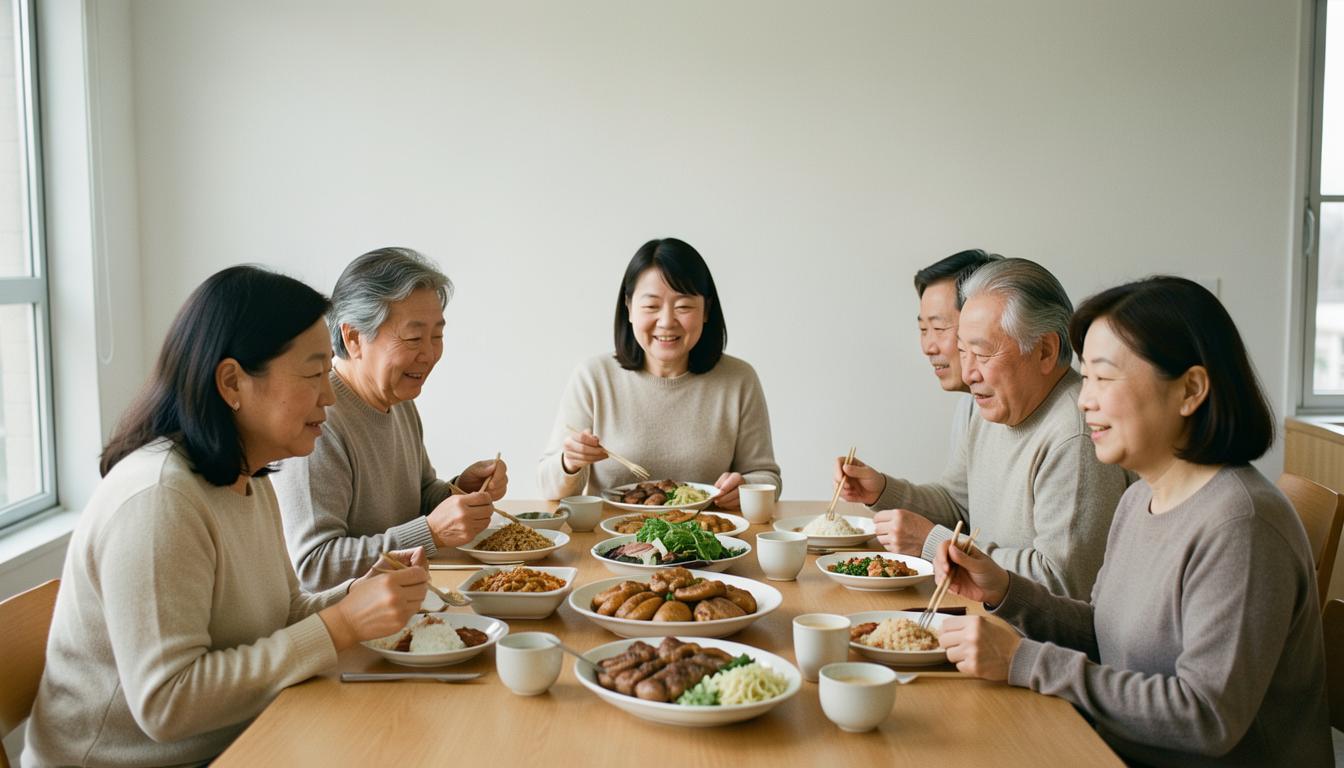
한인 가족들이 기후 변화를 위해 식단 변경을 고려할 때, 혼자 사는 사람들이 고려해야 하는 프로와 컨스
4 분 소요
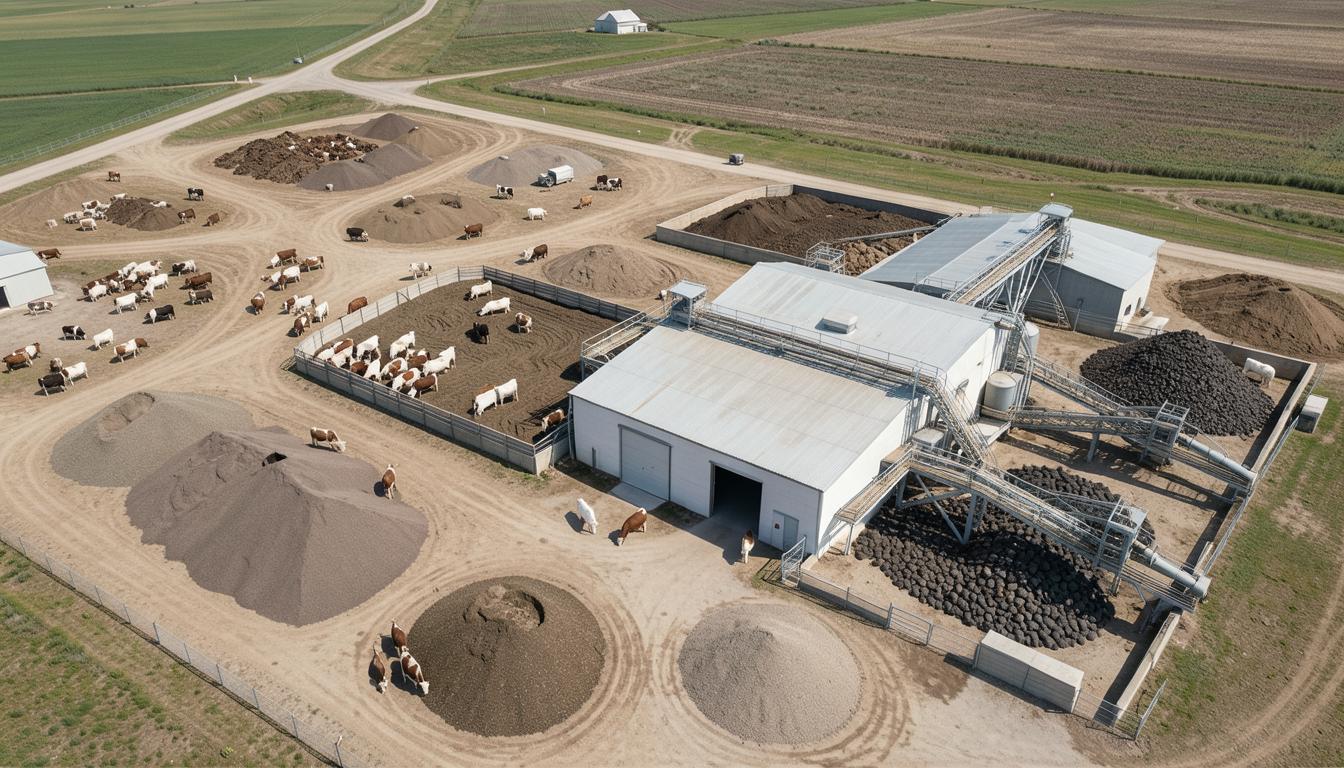
캐나다에서 메탄 가스 배출량 türkiye하는 데 있어서 가축 배설물 유지와 소화기 메탄 가스 배출량의 효과와 위험을 비교합니다.
4 분 소요
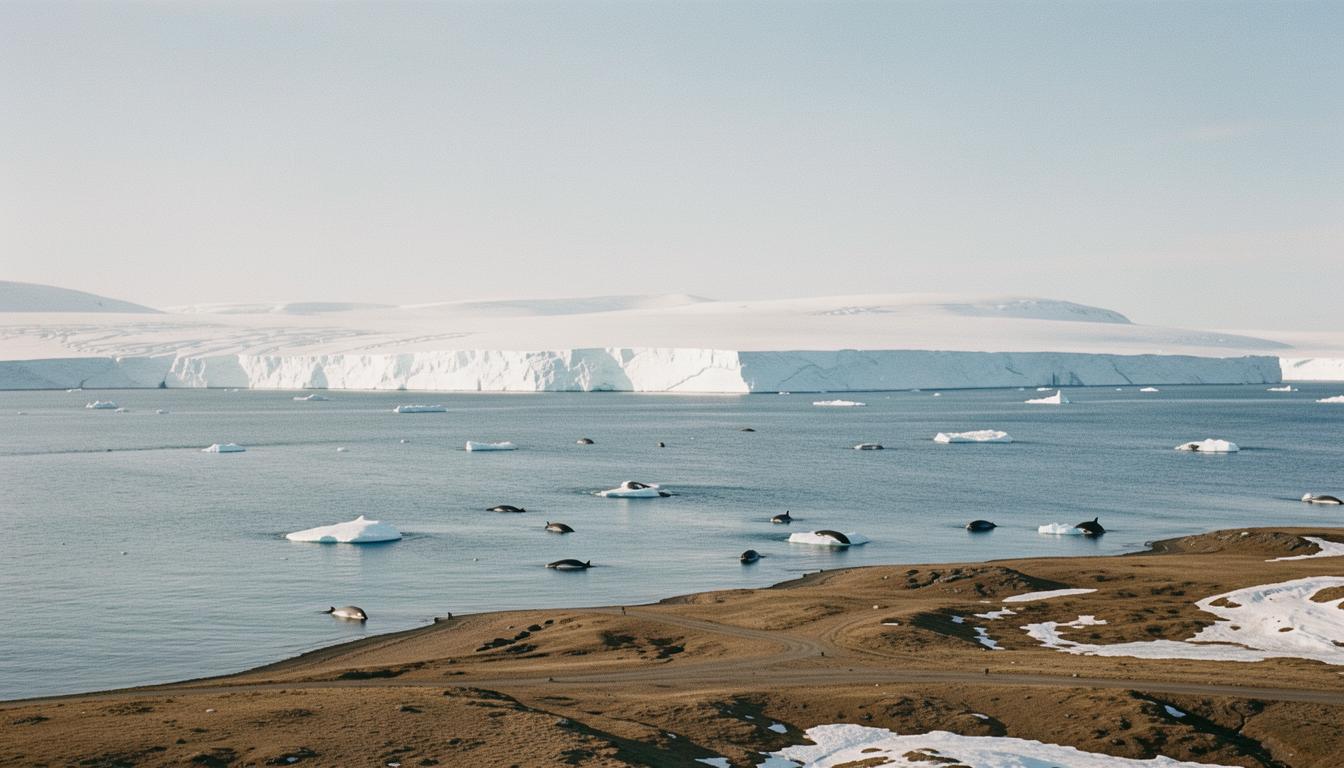
북극과 근린해역의 기후 시스템에서 발생하는 음식 체인 공급망의 온실가스 배출량을 설명합니다.
4 분 소요
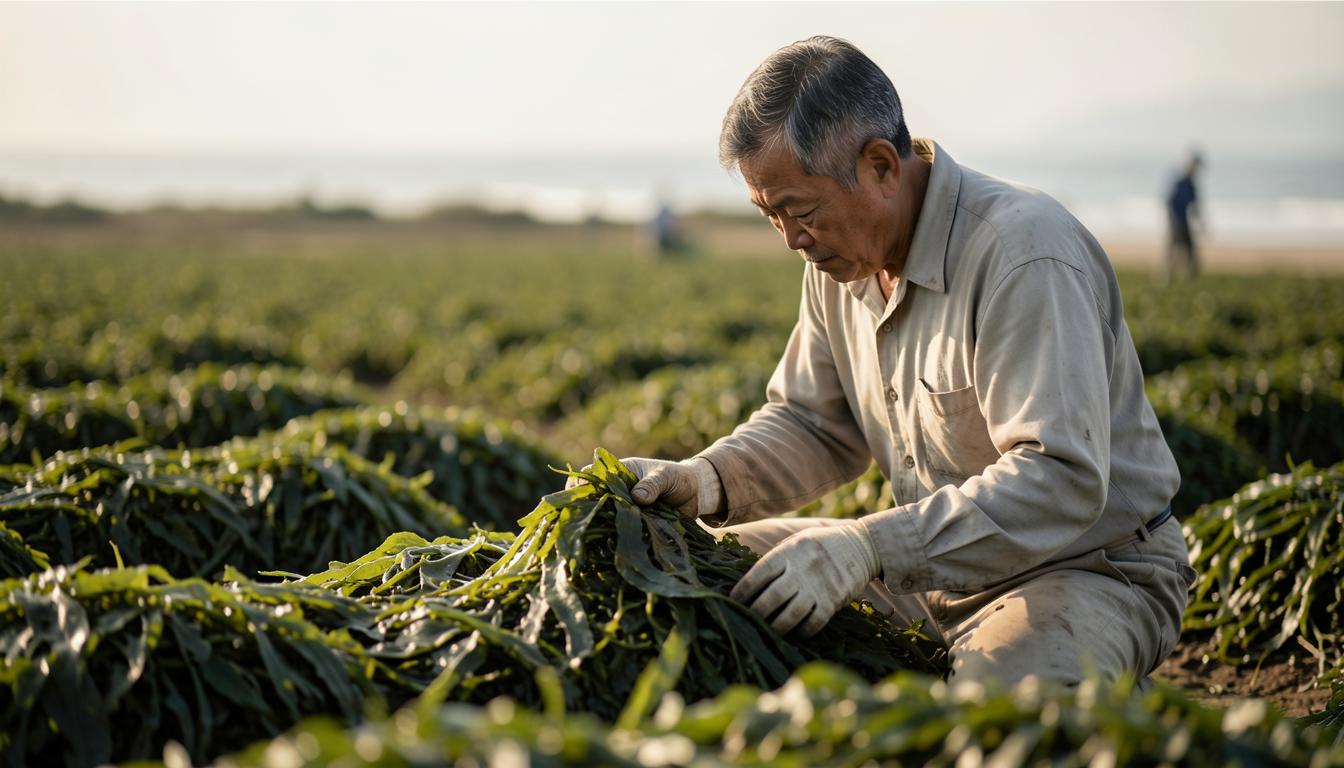
해양초를 이용한 메탄 가스 배출량 감소는 축산업의 환경 영향과 관련된 중요한 고려 사항입니다.
4 분 소요
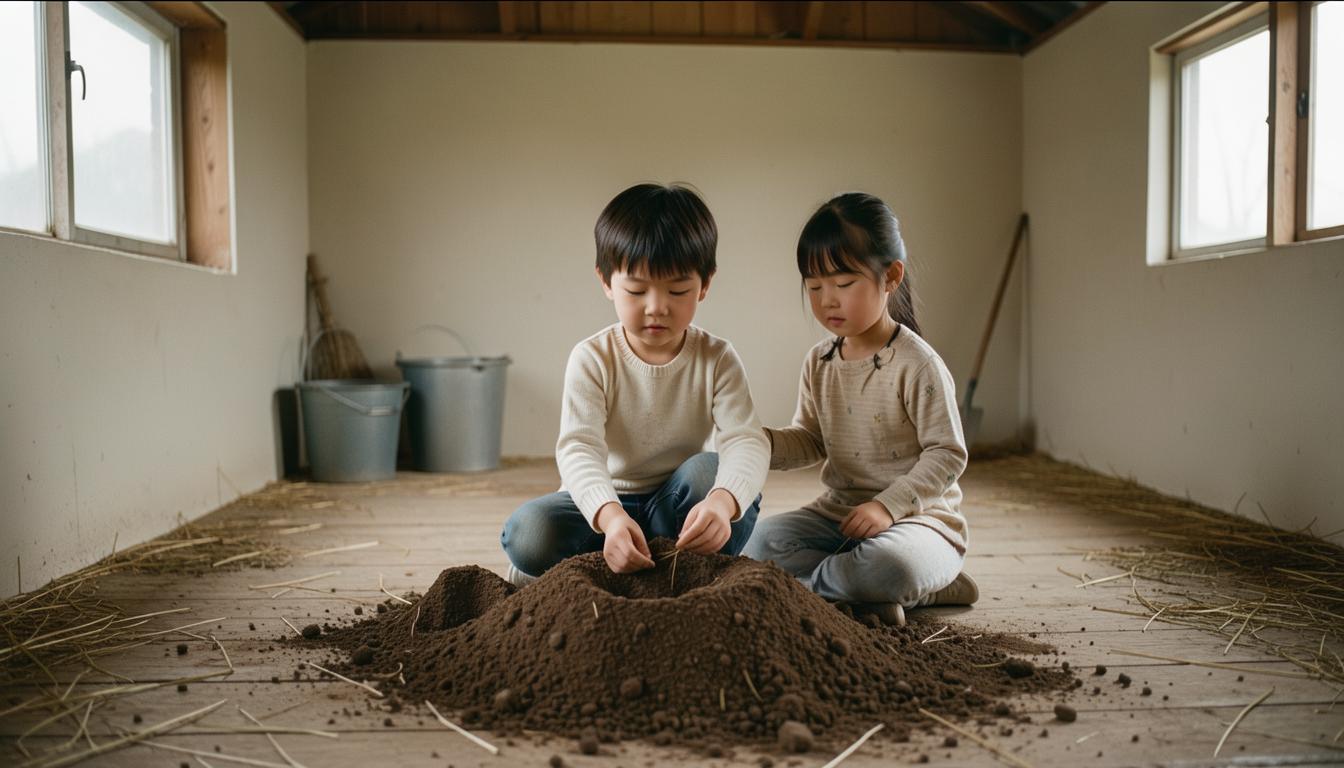
클럽턴이 토양탄소 증가에 미치는 영향과 이를 관리하는 데 도움이 되는 전략을 알아보세요.
4 분 소요

소이 소비의 기후 영향은 실제로 어떤 것이고, 누가 가장 많이 먹을까? 이 가이드는 소이와 기후 비용에 대한 이해를 돕기 위해 프로 Contra 테이블을 제공합니다.
4 분 소요
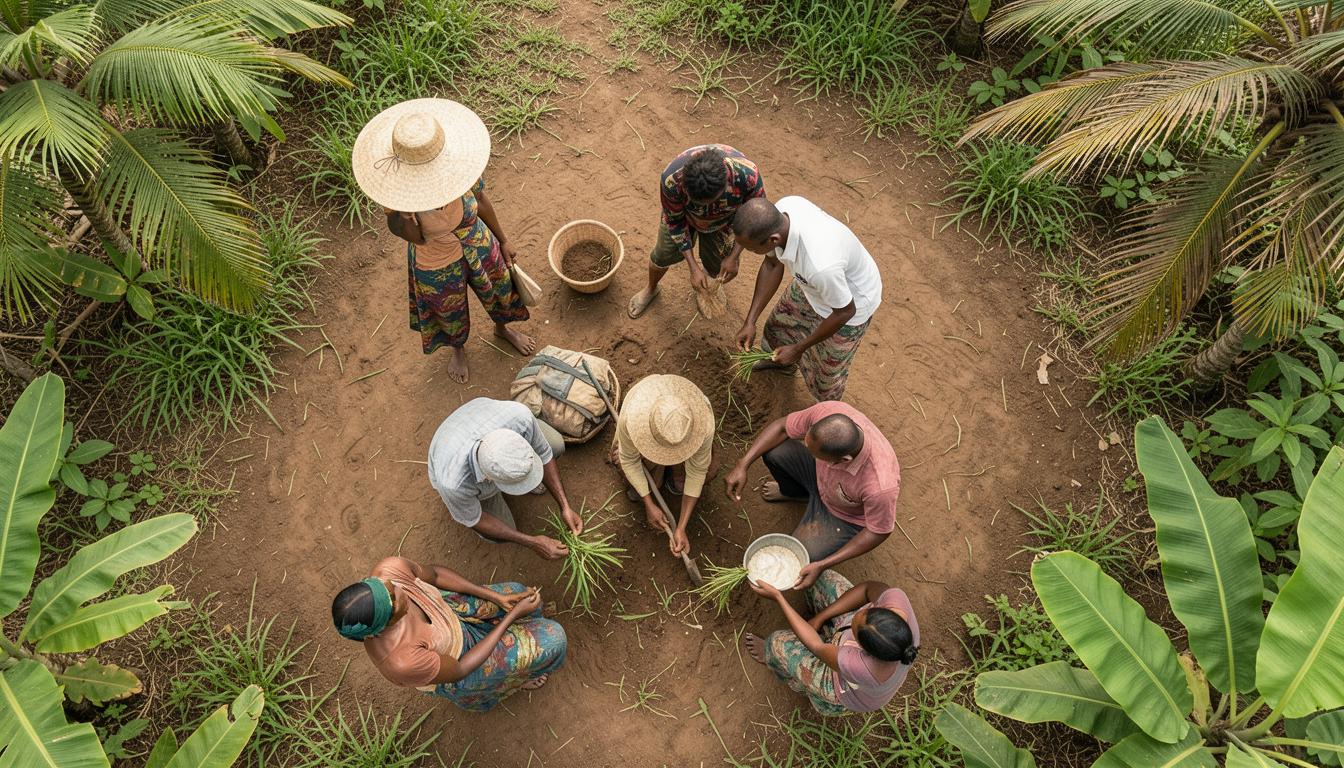
열대 지방에서 발생하는 기후 정의의 복잡성을 이해하고, 그 실무와 해결책을 알아보세요.
4 분 소요
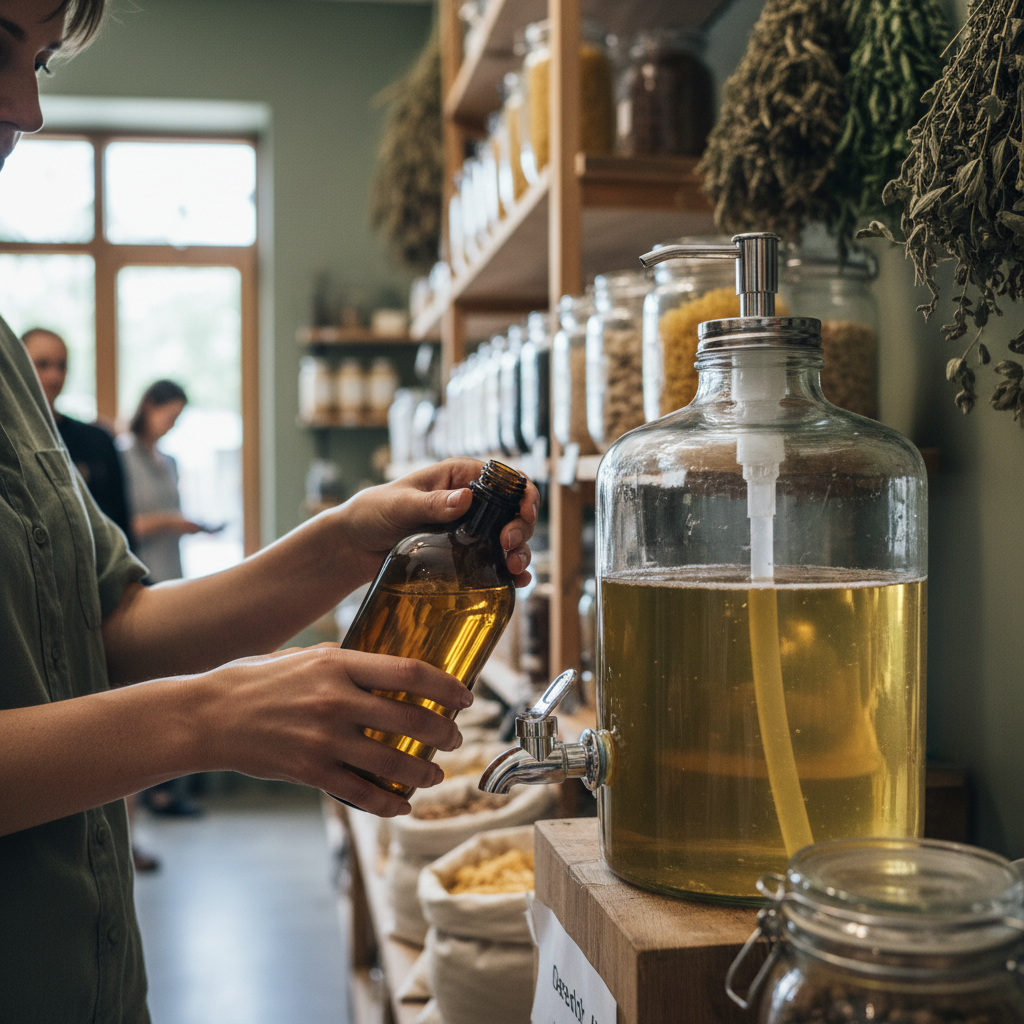
중앙아시아의 소형 아파트에서도 지속가능하고 친환경적인 생활을 실천하기 위한 구체적인 방법들을 소개합니다.
4 분 소요
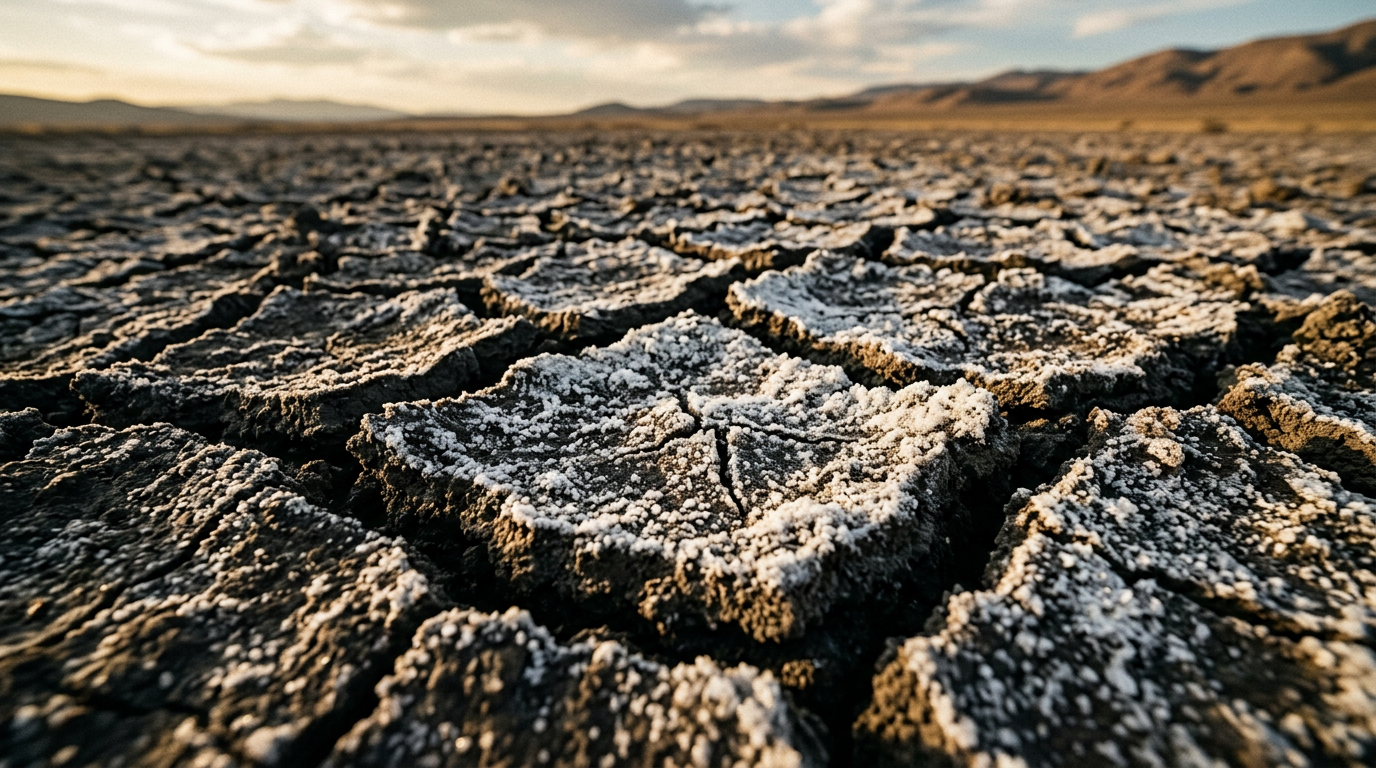
플라스틱 칫솔부터 비닐봉투까지, 매일 사용하는 물건을 친환경 제품으로 바꾸는 것이 어떻게 우리의 탄소 발자국을 줄이고 지속가능한 소비를 실천하는 첫걸음이 되는지 알아봅니다.
4 분 소요
유용한 길잡이 · index
좋은 환경 저널리즘은 주장을 확인하고 다음에 무엇을 볼지 결정하도록 돕습니다. 복잡한 문제를 구호로 줄이지 않고 근거와 맥락, 실천 방법을 함께 보여줍니다.
근거
연구 기반
맥락
연결된 시각
다음 단계
실용적
| 먼저 볼 것 | 찾을 내용 | 도움이 되는 사람 |
|---|---|---|
| The overview | A clear answer and the essential terms | First-time readers |
| The evidence | Sources, comparisons and reported context | Checking a claim |
| The pathways | Related topics, tools and further reading | Going deeper |
We separate evidence, interpretation and practical guidance. Claims should be traceable to research, public records or clearly identified editorial analysis.
No. Food systems, animal welfare and climate are connected systems. Individual choices matter, and so do policy, business and collective action.
Use the related topics, topic hubs and calculators on this page to move from a quick answer to the primary context behind it.
더 깊은 맥락
Animal agriculture sits at the intersection of climate, land use, water, public health and animal welfare. These reference points recur across our reporting, so we keep them in one place: the numbers most often cited, the way we read a claim, the myths that survive longest, and the vocabulary you need to follow the debate in any language.
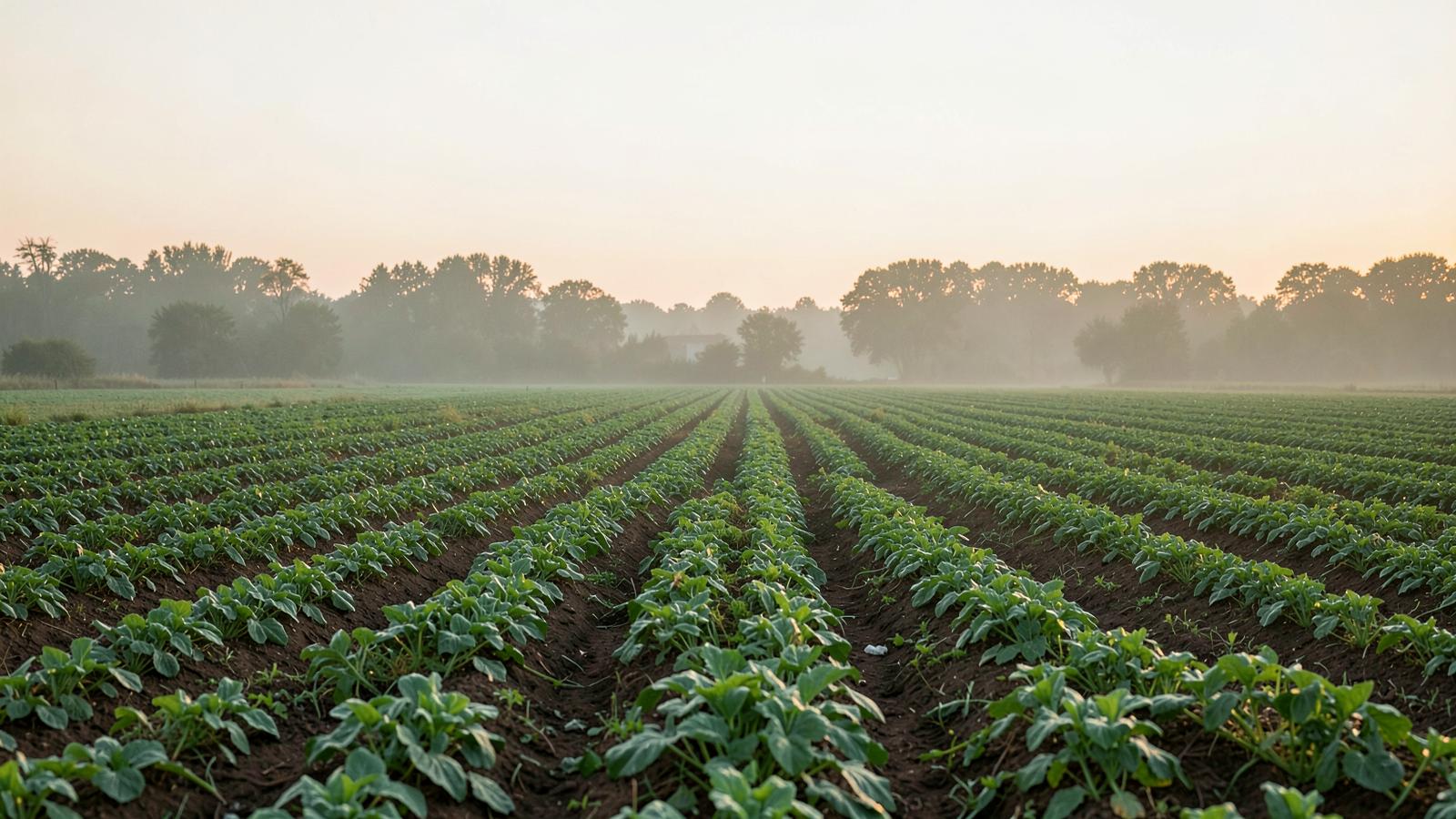
핵심은 토지
Roughly three quarters of global farmland is used for livestock, yet it supplies a minority of the world's calories. Shifting even part of that land back to crops, forest or wetland is the single largest lever most countries hold.
| 흔한 주장 | 근거가 말하는 것 | 왜 중요한가 |
|---|---|---|
| Local food is always the lowest-carbon choice | Transport is a small share of most food footprints; what is produced matters more than how far it travelled. | It redirects effort towards the choices with real leverage. |
| Plant-based eating cannot meet protein needs | Legumes, grains, soy foods, nuts and seeds cover protein and amino-acid needs in well-planned diets at every life stage. | Nutrition myths keep people from a change they were open to. |
| Higher-welfare labels mean animals are not harmed | Label standards vary widely and many permit routine practices readers would not expect. | Informed choices depend on knowing what a label actually certifies. |
| Individual choices are irrelevant next to policy | Demand shifts change what is produced, funded and legislated; the two move together. | It replaces fatalism with something you can act on this week. |
근거에서 일상의 선택으로
Numbers describe the system; meals, votes and purchases are how most people meet it. This field guide turns the reporting into concrete swaps, a four-week plan and the signals worth watching, so a page of research becomes something you can act on this week without pretending the hard parts are simple.
| 대신 | 이렇게 | 왜 중요한가 |
|---|---|---|
| Beef mince | Lentils, beans or soy mince | Beef carries by far the highest emissions and land use per gram of protein. |
| Dairy milk | Soy or pea milk | Comparable protein with a fraction of the land, water and emissions. |
| Cheese in daily meals | Nut or seed-based spreads, cashew cheese | Cheese is the most resource-intensive dairy product per kilogram. |
| Chicken and eggs | Tofu, tempeh, chickpeas | Removes the welfare cost of the most intensively farmed animals. |
| Farmed shrimp and salmon | Beans, jackfruit, seaweed-seasoned dishes | Avoids mangrove loss, bycatch and wild fish used as feed. |
| Butter | Olive or rapeseed oil | Lower emissions per kilogram and better cardiovascular profile. |
Most people who change their diet permanently do it gradually, one meal slot at a time, keeping the food they already like at the centre.
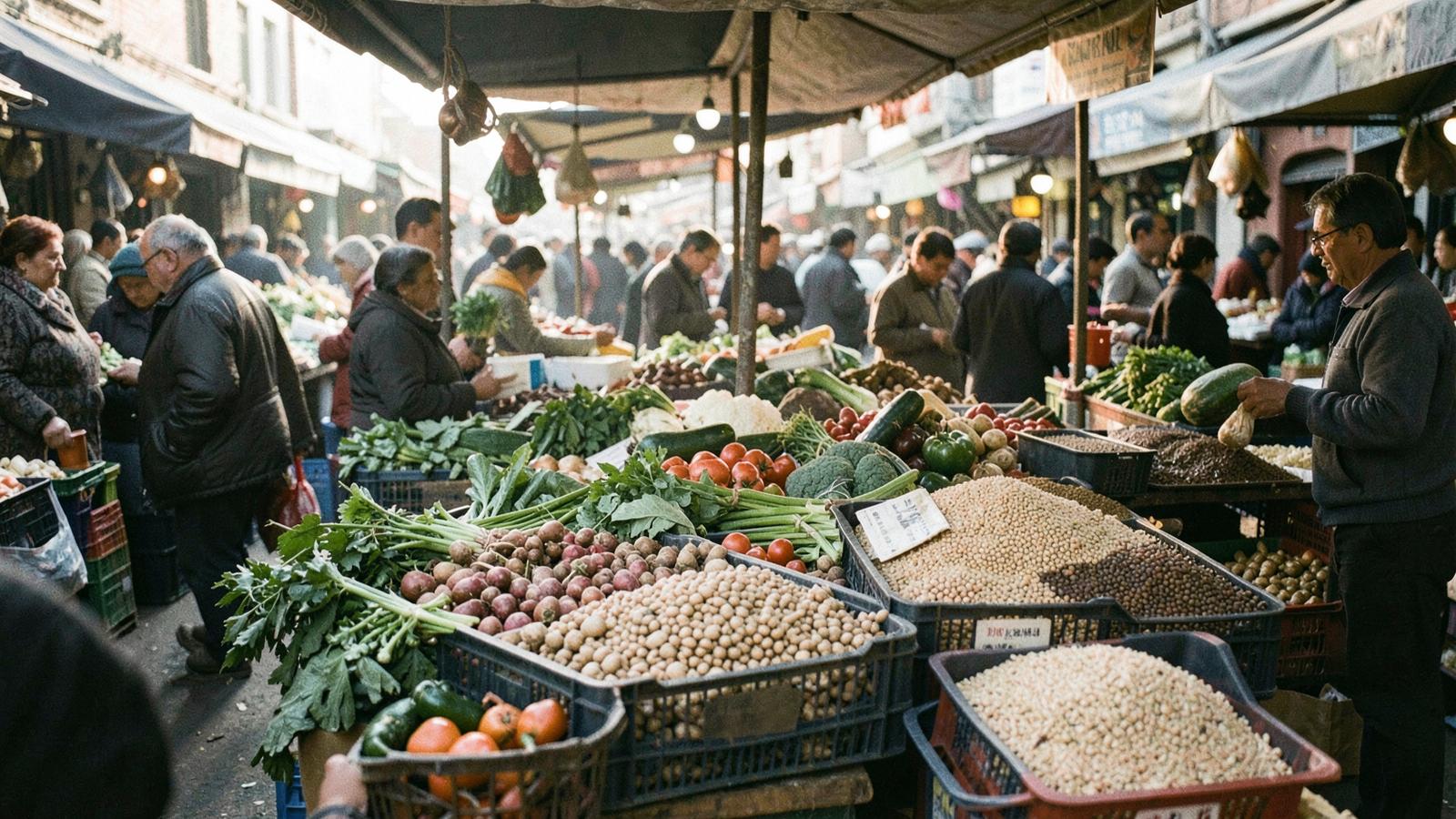
변화가 드러나는 곳
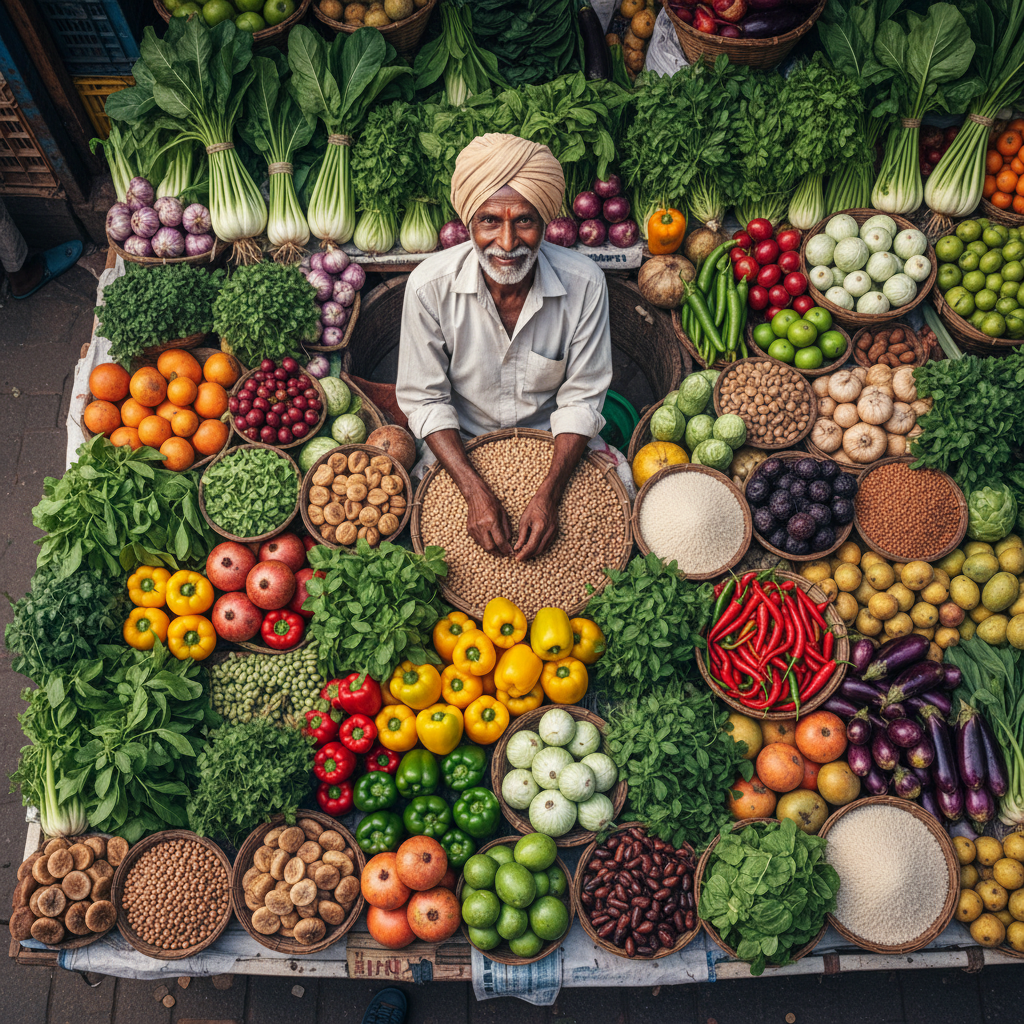
Markets are the clearest place to watch demand shift: as pulses, grains and vegetables take more shelf space, producers, buyers and policy follow the money rather than the argument.
이 체계는 실제로 어떻게 작동하는가
Most coverage of animals, diets and climate arrives as isolated stories: a slaughterhouse investigation, a methane figure, a supermarket launch. They belong to one system with a small number of decision points. This map sets out that system stage by stage — who owns each step, where animals enter it, what the public can see, and which levers have historically moved it — so every article on this site can be read in context rather than as an isolated shock.
Animal agriculture is a chain of separate businesses. Pressure applied at one link rarely stays there; it moves upstream to feed and land, or downstream to retail and price.
| 단계 | 무엇이 일어나는가 | 지렛대는 어디에 있는가 |
|---|---|---|
| Land and feed | Soy, maize and grass are grown to feed animals, using roughly three quarters of agricultural land worldwide. | Deforestation rules, feed-import standards, and any fall in demand for animal products. |
| Breeding | Genetics companies supply fast-growing birds and high-yield dairy lines used across most of the industry. | Growth-rate standards; welfare commitments that specify breed, not just space. |
| Rearing | Animals are housed at density, typically indoors, with confinement systems that vary by species and country. | Cage, crate and stocking-density law — the fastest-moving area of animal legislation. |
| Transport and slaughter | Live animals move to centralised plants; a small number of companies process most of the volume. | Journey-time limits, CCTV and inspection rules, stunning requirements. |
| Processing and brands | Meat and dairy become branded products, with margins concentrated in processing rather than farming. | Labelling law, marketing claims, and corporate sourcing commitments. |
| Retail and food service | Supermarkets, canteens and restaurants set the default meal for most people most days. | Shelf share, menu defaults, procurement contracts and price parity. |
| The plate | Households choose within the range and prices the previous stages allow. | Repeat purchases, which retailers track far more closely than surveys. |
Individual choices matter, but they are amplified or blunted by a handful of institutions that set defaults for millions of meals at a time.
토지는 조용한 변수다
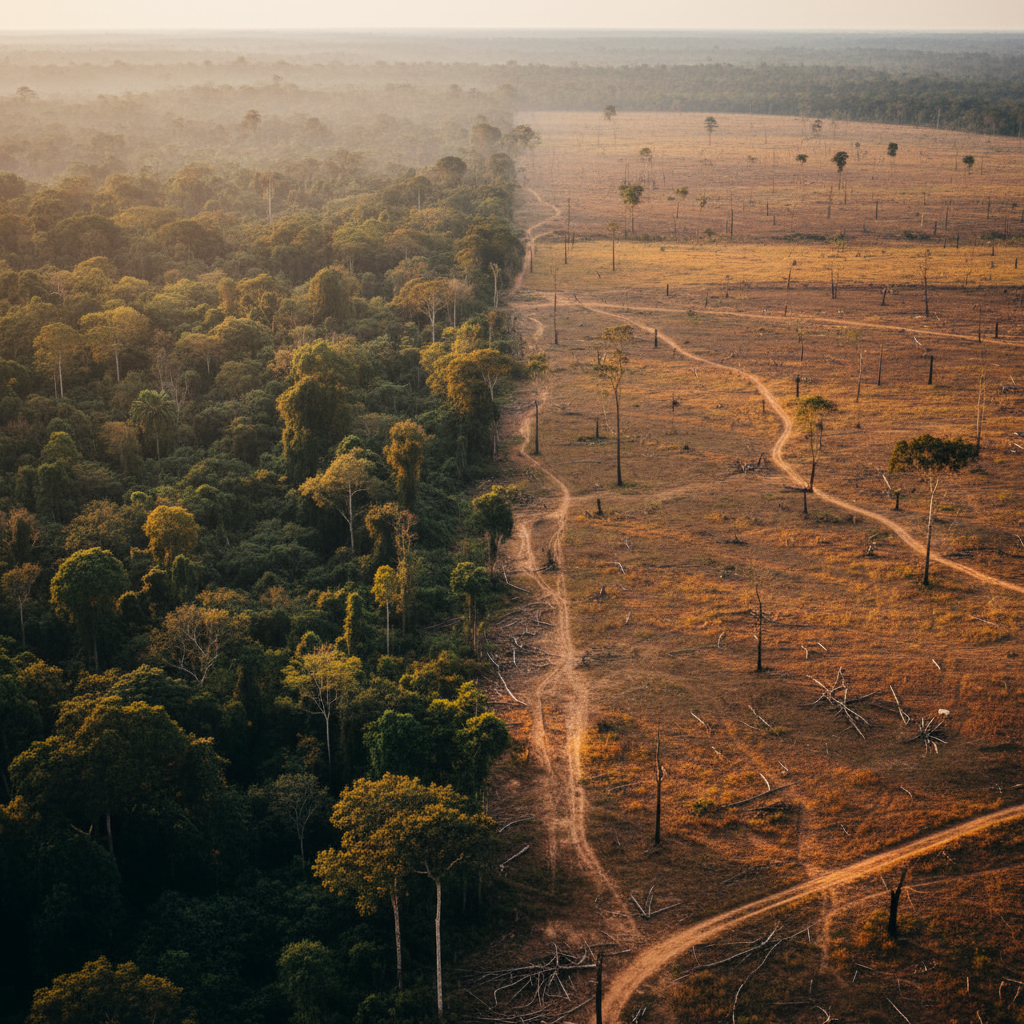
Most farmland on earth feeds animals rather than people directly. That single fact explains why diet, deforestation, wildlife loss and climate keep turning up in the same story.
| 지역 | 결과를 좌우하는 요인 |
|---|---|
| European Union | Confinement law and labelling lead globally; the unresolved question is imported animal products produced to lower standards. |
| United States | State ballot measures drive welfare change while federal rules lag; litigation over interstate sales is the recurring battleground. |
| Brazil and South America | Feed-crop expansion and cattle ranching sit at the interface with forest loss, making land use the decisive issue. |
| China and East Asia | Rapid growth in intensive production alongside fast-growing plant-based and cultivated protein investment. |
| India and South Asia | The world's largest dairy sector, where welfare questions centre on cattle, transport and the fate of male calves. |
| Sub-Saharan Africa | Smallholder systems dominate today; whether intensive models are imported is still an open decision. |
Change in this system is slow, then sudden. These are the shifts that repeat across countries once they start.
Most disputes come down to a handful of recurring tricks. Running a claim through these questions resolves the majority of them.