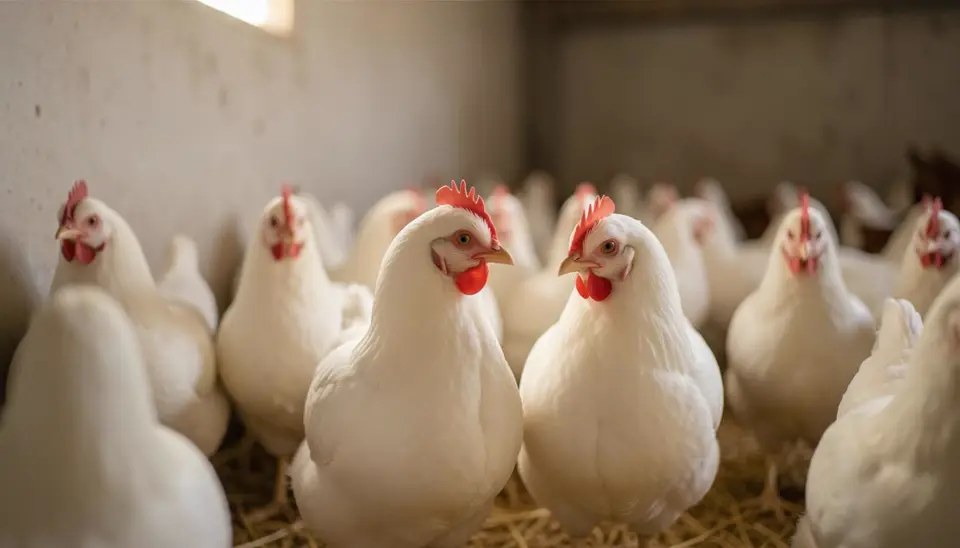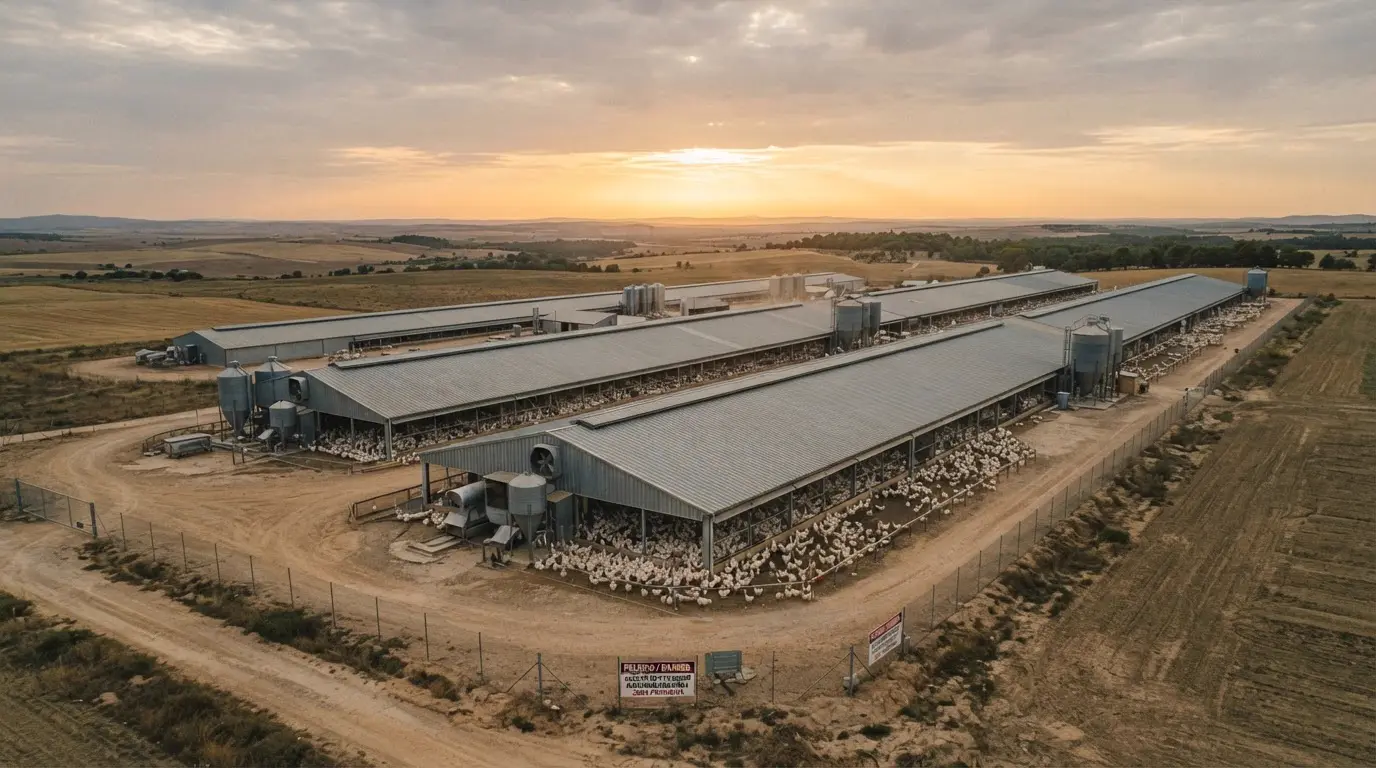
Broiler chickens, the breed raised for their meat, are often subjected to high stocking densities in factory farms worldwide. This practice, driven by industry demands for cheap meat, has serious implications for both animal welfare and the environment.
What is broiler stocking density?
Broiler stocking density is a measure of the number of birds housed per square meter (or square foot) in a poultry house. It's typically expressed in birds per square meter (bpm2).
The link between broiler stocking density and animal cruelty
“High stocking densities make it difficult for birds to move, access food and water, and engage in natural behaviors like perching and dust bathing. This can lead to physical harm, stress, and increased susceptibility to disease. (Dr. Jo-Ann Strang, World Animal Protection)”
| Stocking density (bpm2) | Welfare implications |
|---|---|
| 0.5-1 | Acceptable |
| 1-2 | Borderline |
| 2-3 | Unacceptable |
| >3 | Serious welfare concerns |
Broiler stocking density and climate change
High stocking densities contribute to climate change through increased greenhouse gas emissions, primarily from two sources: manure management and energy consumption.
GHG emissions from the poultry sector
Manure from high-density farms contains more pathogenic bacteria and ammonia due to poor ventilation and overcrowding, contributing to nitrous oxide (N2O) emissions. Energy consumption is high due to the need for lighting, heating, and cooling in large, densely populated houses.
Sustainable alternatives: Cage-free and free-range systems
Cage-free and free-range systems allow birds more space, encourage natural behaviors, and can improve welfare. However, they are not without challenges, such as increased risk of predation and varied production outcomes.
Frequently asked questions
What is the ideal broiler stocking density?+
The World Animal Protection recommends a maximum density of 1 bird per square meter (bpm2) for improved welfare.
How can consumers make a difference?+
Supporting campaigns for better regulations, choosing certified humane products, and reducing meat consumption can all contribute to change.