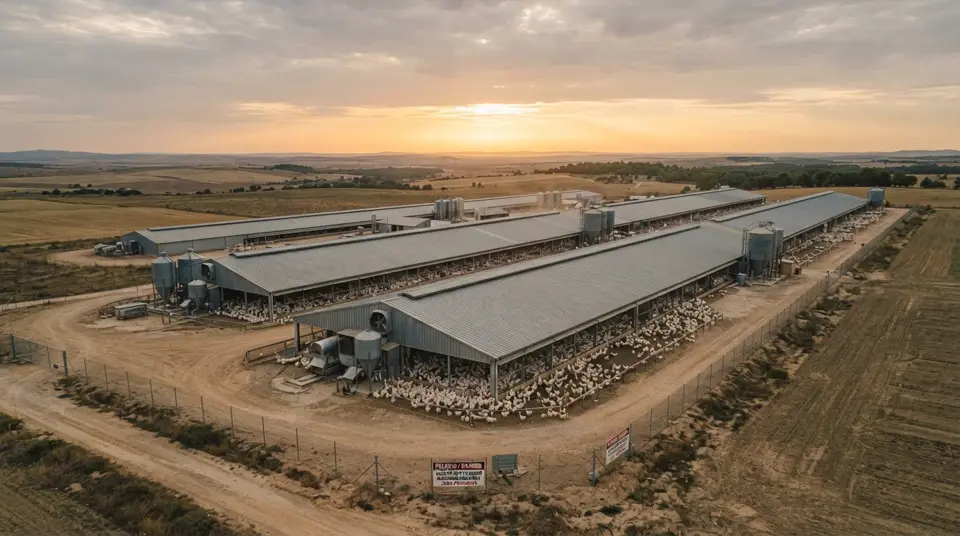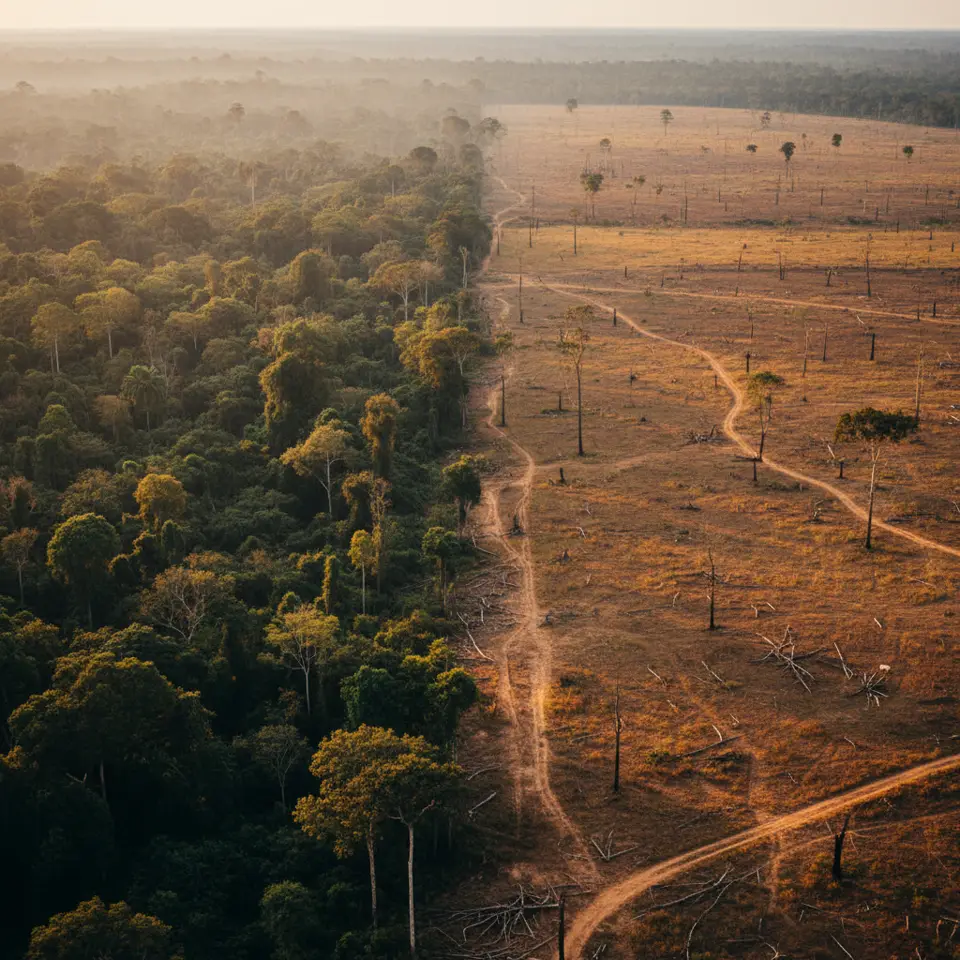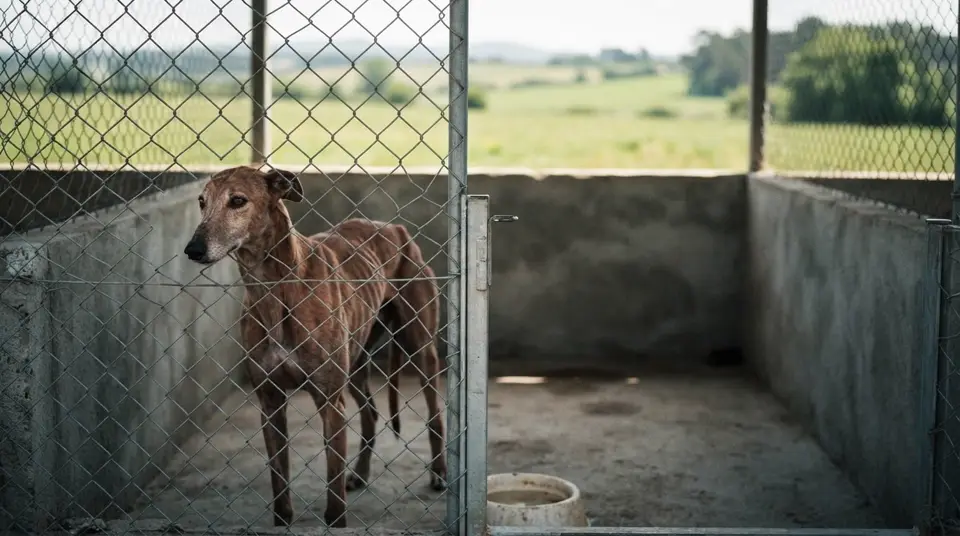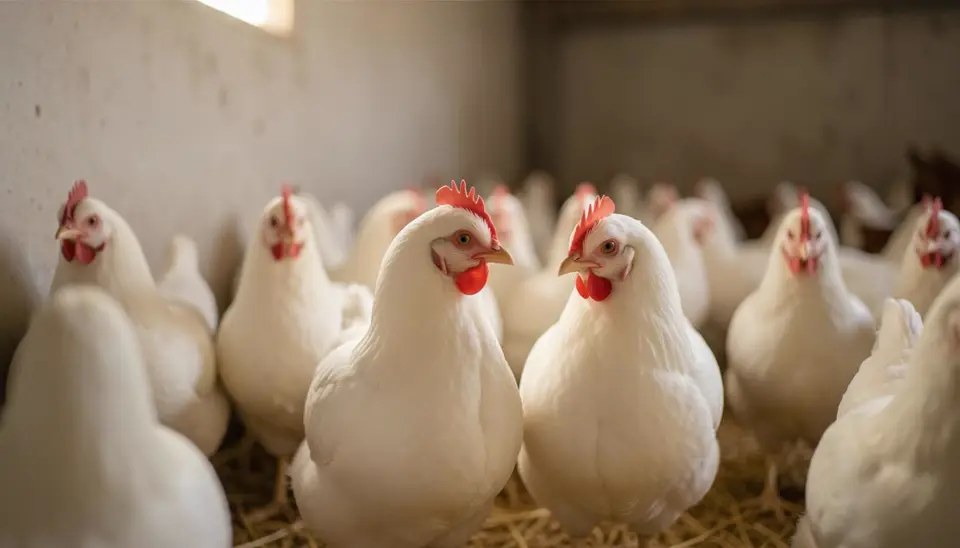
The school meals served in West Africa contribute to greenhouse gas emissions, with some options being more carbon-intensive than others. This article ranks school meal options in West Africa from most to least carbon-intensive, helping parents, teachers, and policymakers make informed decisions to reduce their climate impact.
What are the most carbon-intensive school meals in West Africa?
Meals based on livestock products, such as beef, mutton, and dairy, are the most carbon-intensive due to the high emissions associated with their production. According to the FAO, livestock production is responsible for around 14.5% of global greenhouse gas emissions, with beef being one of the most emissions-intensive foods.
| Meal Option | Emissions (kg CO2 eq per kg of meal) |
|---|---|
| Beef | 27 |
| Mutton | 23.3 |
| Dairy | 4.2 |
| Chicken | 5.7 |
| Fish | 4.2 |
| Plant-based (local) | 1.5 |
And the least carbon-intensive?
Locally sourced, plant-based meals have the lowest carbon footprint. These meals are often cheaper, healthier, and more culturally appropriate. They also support local agriculture and help mitigate climate change.
“Plant-based diets are a powerful way to address climate change, as they use less land, water, and energy, and generate fewer greenhouse gas emissions than diets centered on animal products.”
Greenhouse gas emissions from food waste in West Africa
How can West Africa transition to more sustainable school meals?
Policymakers, schools, and parents can work together to transition to more sustainable meal options. This includes increasing the availability of locally sourced, plant-based ingredients, reducing food waste, and educating students and their families about the importance of sustainable diets.
Frequently asked questions
What is the most important thing to consider when choosing school meals?+
The carbon footprint of the meal is an important factor to consider, but it's also crucial to ensure that meals are nutritious, culturally appropriate, and affordable.
How can schools reduce food waste?+
Schools can reduce food waste by planning meals more effectively, using leftovers creatively, and educating students about the importance of reducing waste.
What are some resources for learning more about sustainable diets?+
Our World in Data, the FAO, and the UN Environment Programme are excellent resources for learning more about the environmental impact of our diets and how to make more sustainable choices.