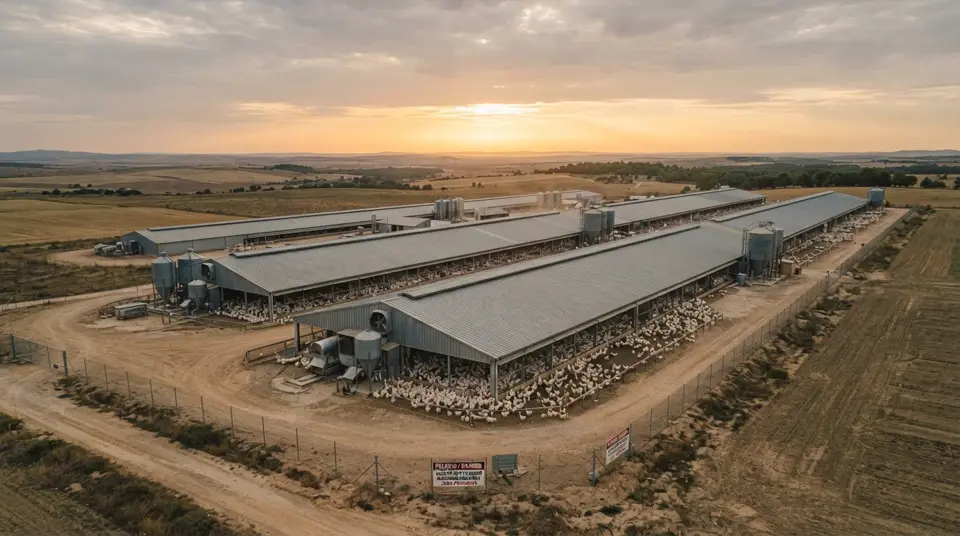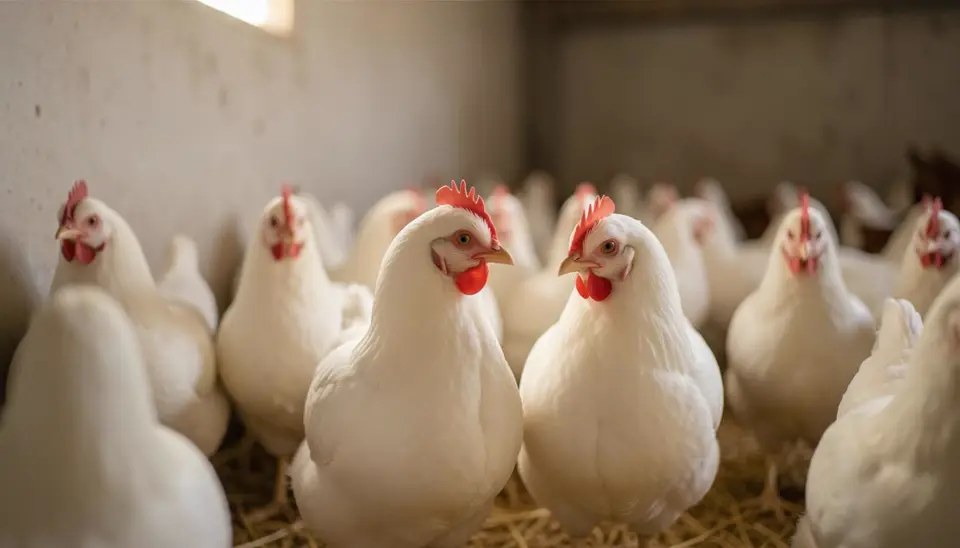
Precision fermentation, a cutting-edge biotechnology, is transforming dairy production. By fermenting microflora in a controlled environment, it produces milk proteins identical to those from cows, promising a sustainable and ethical alternative to traditional dairy.
How does precision fermentation affect greenhouse gas emissions?
Precision-fermented dairy can significantly reduce greenhouse gas emissions compared to conventional dairy. According to the IPCC, dairy production is responsible for around 4% of global greenhouse gas emissions. Precision fermentation can decrease this impact by eliminating methane emissions from cows and reducing land use.
“Precision fermentation could significantly lower the environmental footprint of dairy production, making it a crucial tool in combating climate change.”
| Production Method | Emissions (kg CO2 eq per kg of protein) | Land Use (m2 per kg of protein) |
|---|---|---|
| Conventional Dairy | 2.9 | 6.7 |
| Precision Fermented Dairy | 0.8 | 0.2 |
What are the ethical considerations of precision-fermented dairy?
While precision fermentation eliminates animal exploitation, it raises new ethical considerations. One key concern is the use of genetically modified organisms (GMOs) in the fermentation process. Another is the potential creation of Intellectual Property (IP) barriers, limiting access to the technology for developing countries.
Can precision fermentation replace conventional dairy entirely?
While precision fermentation shows great promise, it's not a panacea. It currently faces technical challenges in scaling up production and reducing costs. Additionally, consumer acceptance of cultured dairy remains uncertain. Thus, a mixed dairy system combining conventional and precision-fermented dairy may be the most realistic near-term solution.
Frequently asked questions
What are the current challenges in scaling up precision fermentation?+
Scaling up precision fermentation faces challenges in optimizing fermentation processes, reducing costs, and ensuring consistent product quality.
How does precision fermentation affect food security?+
Precision fermentation could enhance food security by reducing land and water use, making it a promising tool for feeding a growing population sustainably.