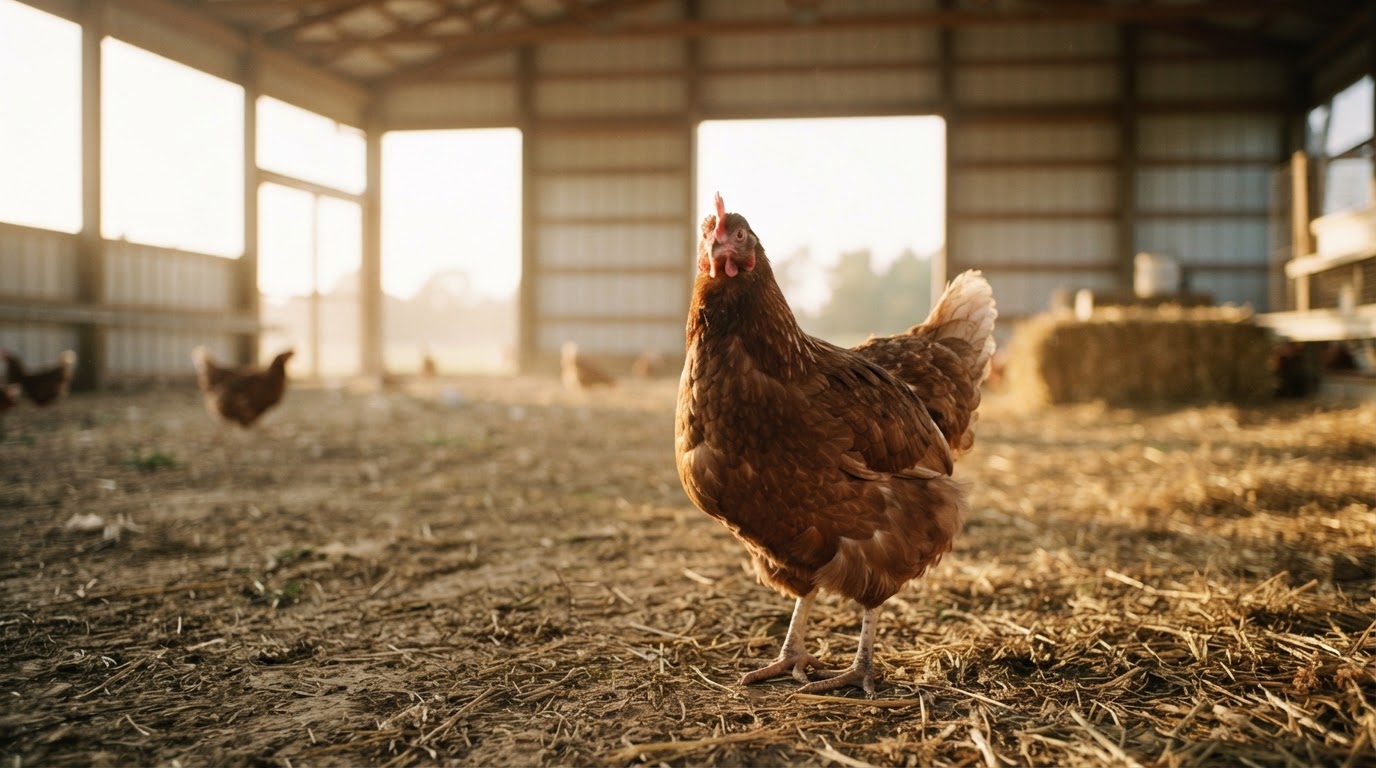
Battery Cages Myth vs. Evidence: The Truth for Food Desert Communities, 2024
Unveiling the facts about battery cages: a comprehensive debunking for those in food deserts.
4 menit baca
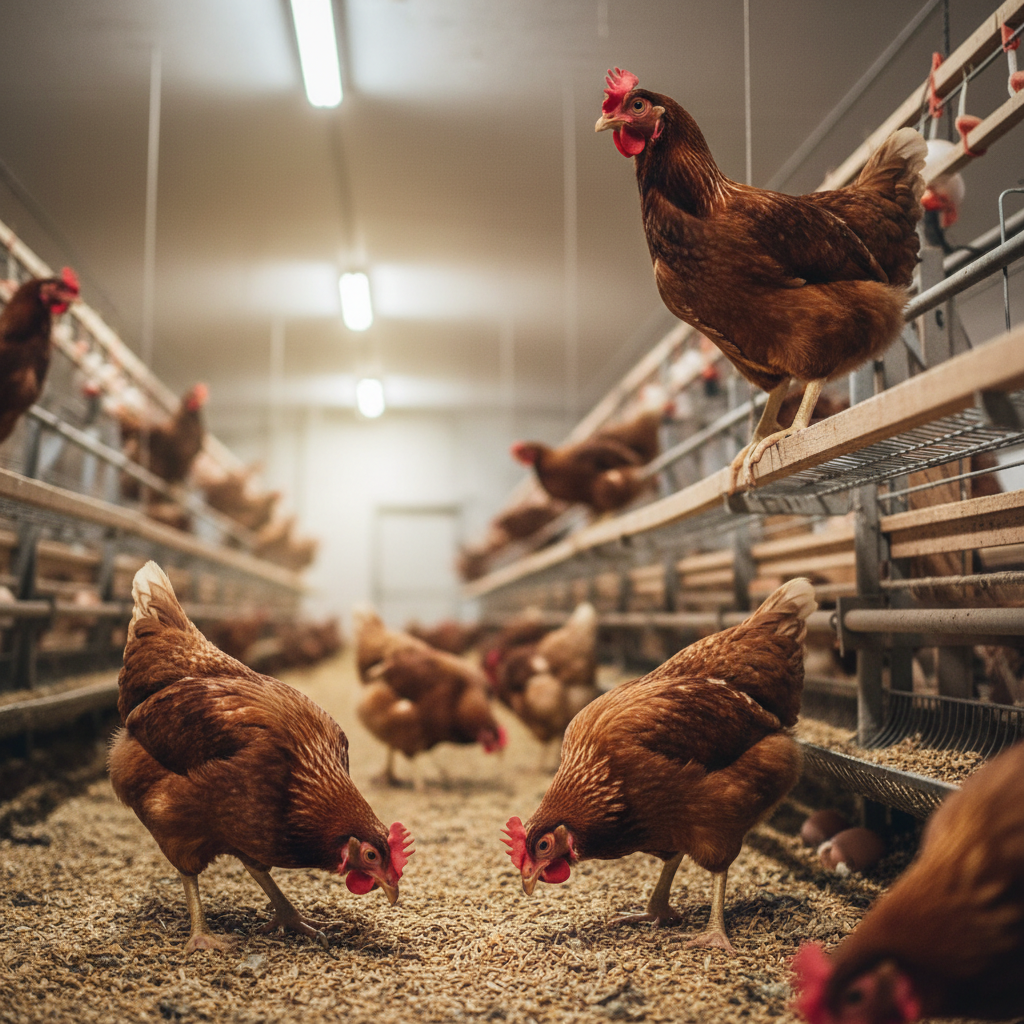
Ayam adalah hewan ternak darat yang paling banyak jumlahnya di bumi. Hub ini mengkaji genetika ayam pedaging yang tumbuh cepat, perumahan kandang dan bebas kandang, pemusnahan anak ayam jantan, dan apa yang sebenarnya dijamin oleh label karton telur.
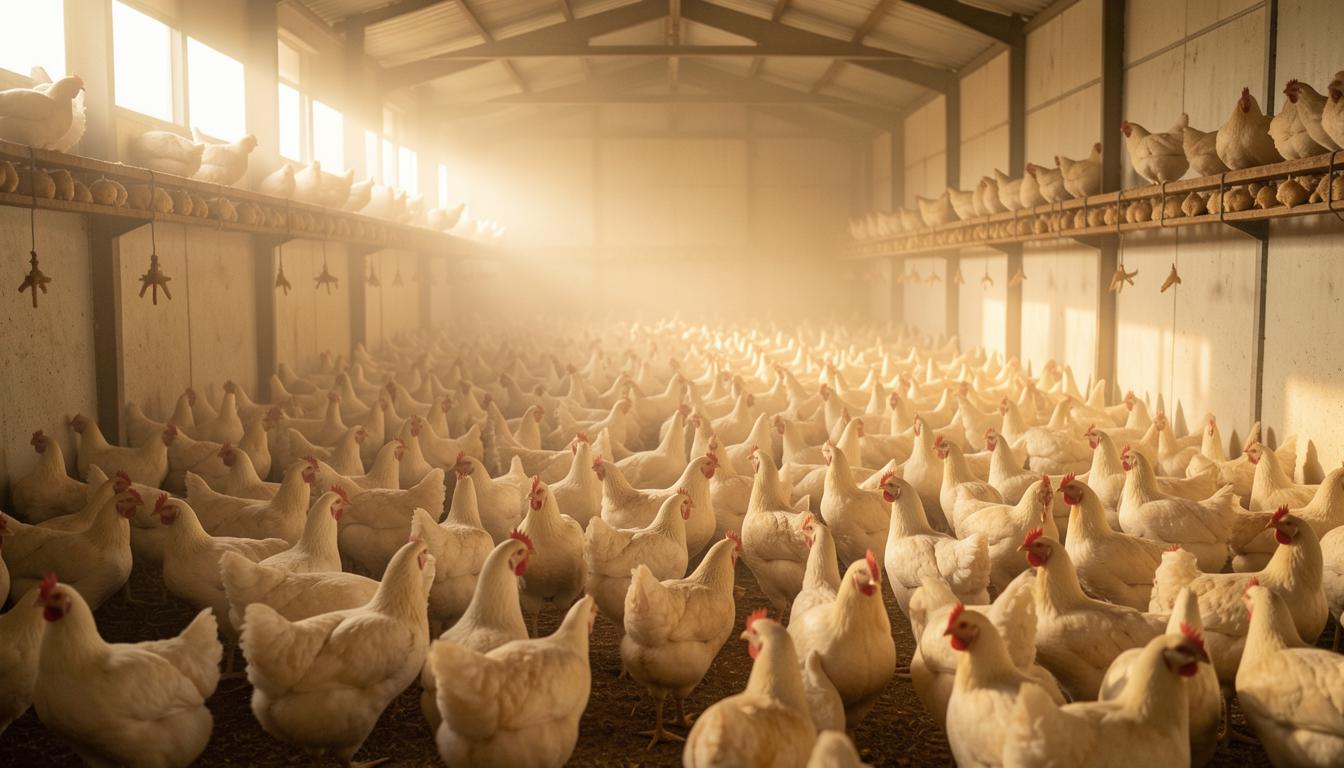
Discover the shocking realities of high broiler stocking densities and learn how to advocate for change with this essential guide, featuring insights from a former industry insider.
Oleh Yudi Permana · 4 menit baca
Unveiling the facts about battery cages: a comprehensive debunking for those in food deserts.
4 menit baca

Exploring the controversial issue of chick maceration in Latin American chicken sanctuaries, this counterpoint analysis probes beyond the surface to challenge conventional wisdom.
4 menit baca
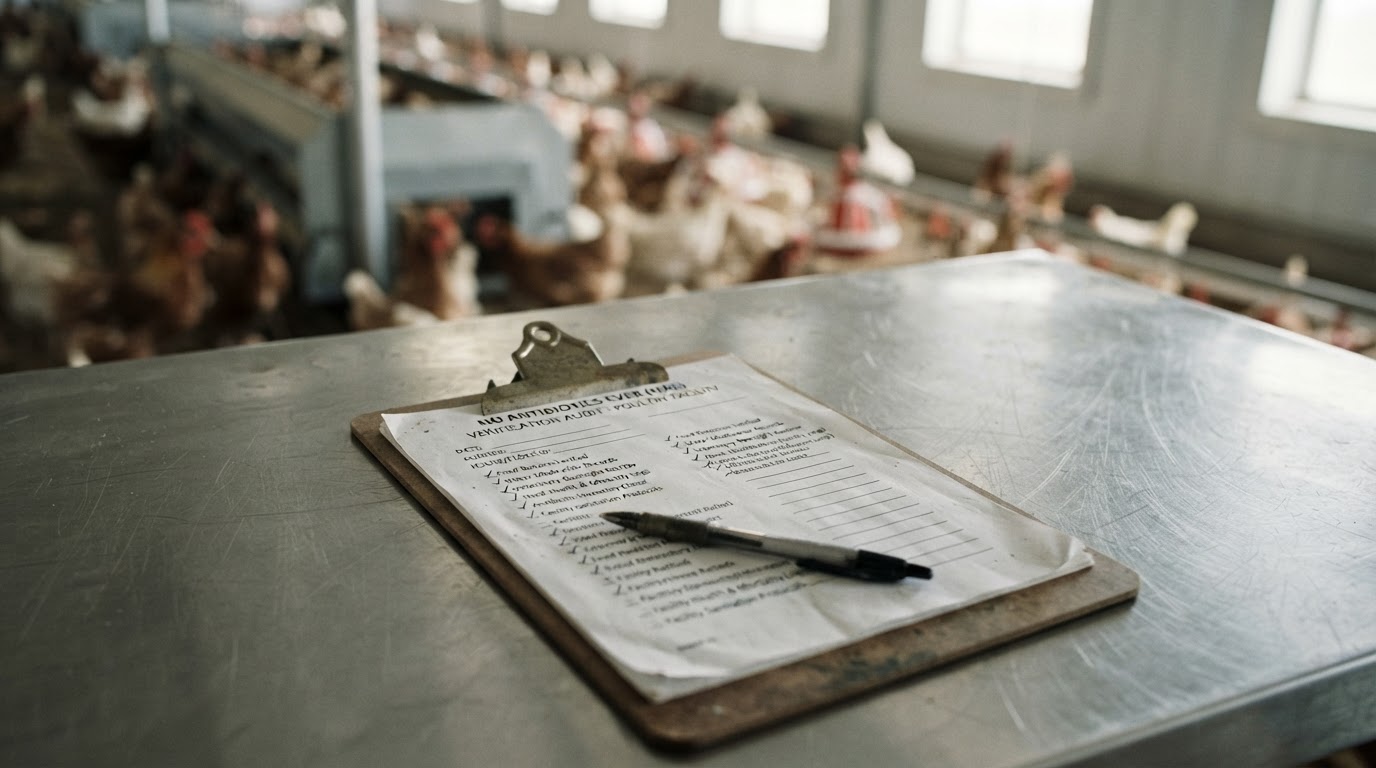
Budidaya gurita industri menimbulkan kekhawatiran serius terhadap kesejahteraan hewan dan lingkungan, terutama bagi generasi muda yang peduli keberlanjutan.
4 menit baca
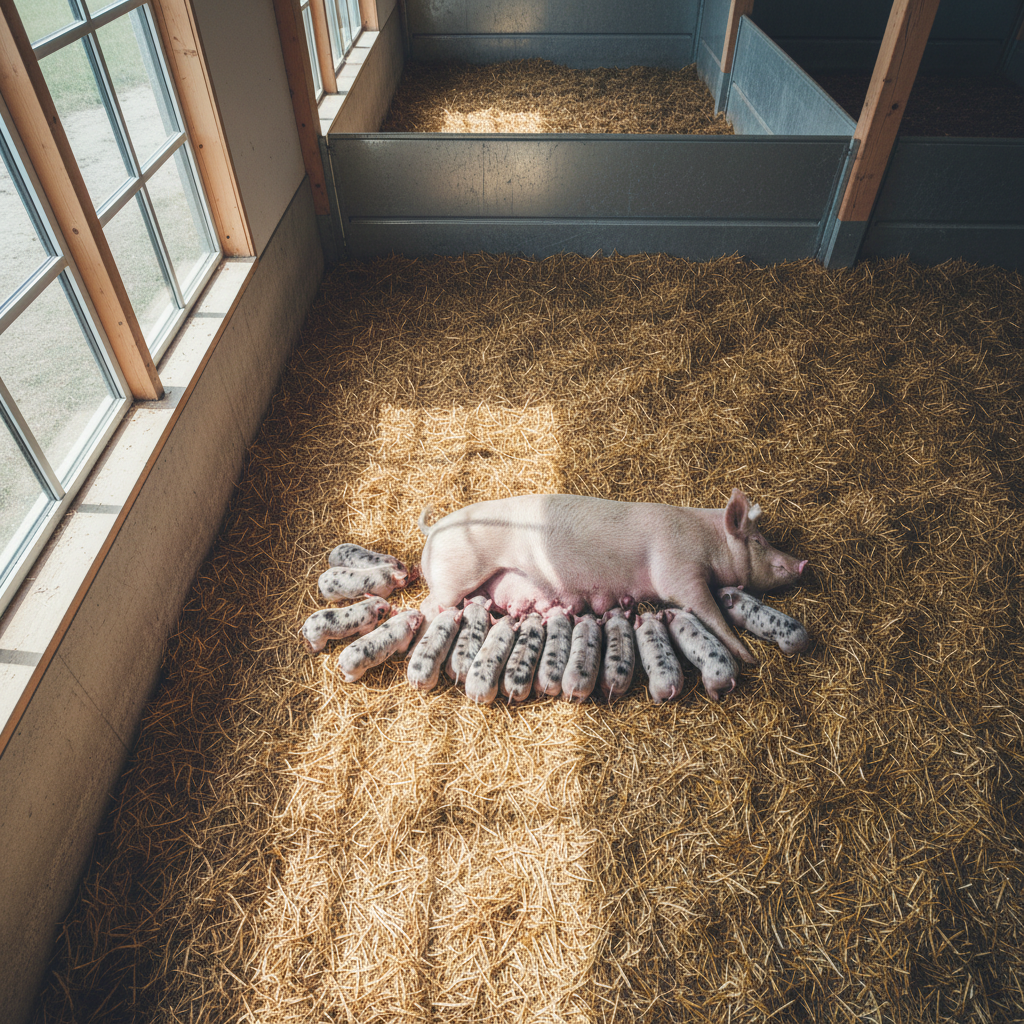
Komitmen korporat terhadap penghentian pemotongan paruh di kawasan Mediterania menunjukkan kemajuan yang beragam, dengan tekanan konsumen dan regulasi Uni Eropa menjadi pendorong utama.
4 menit baca
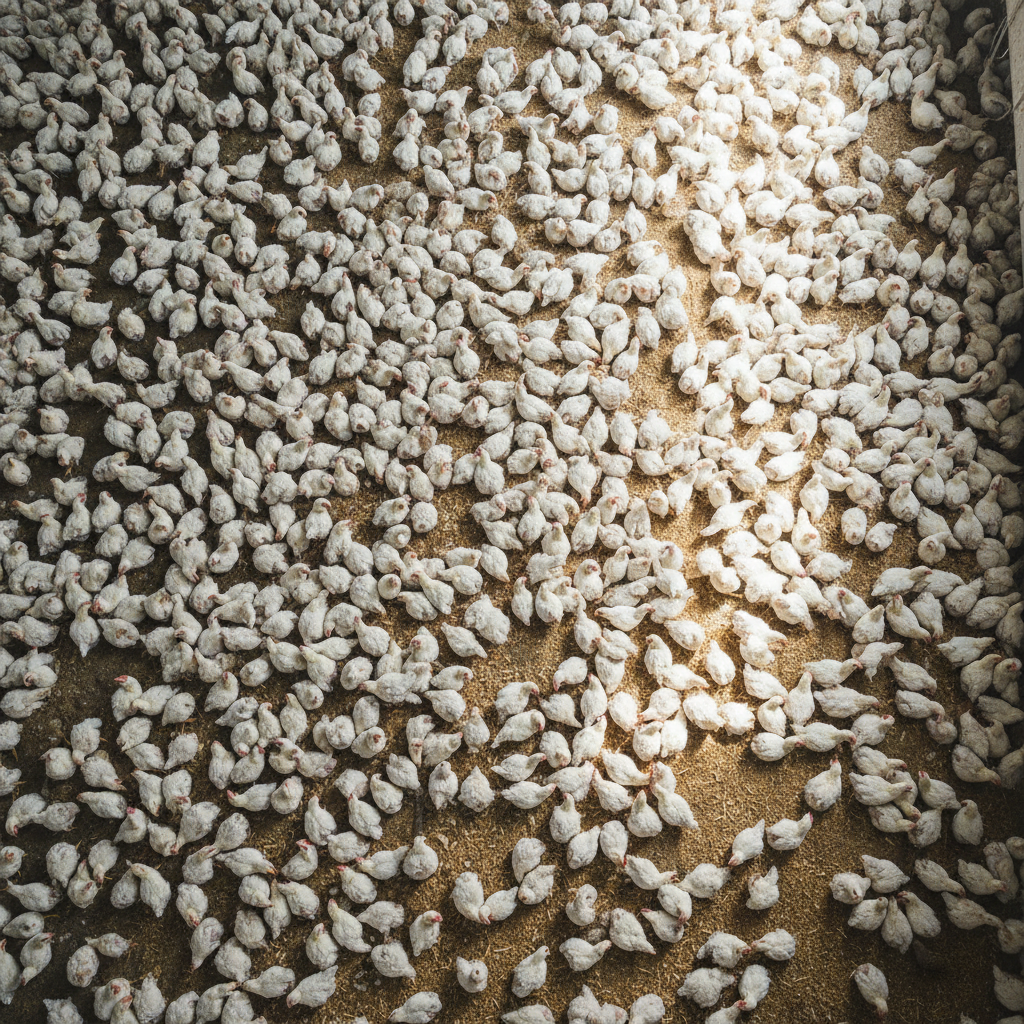
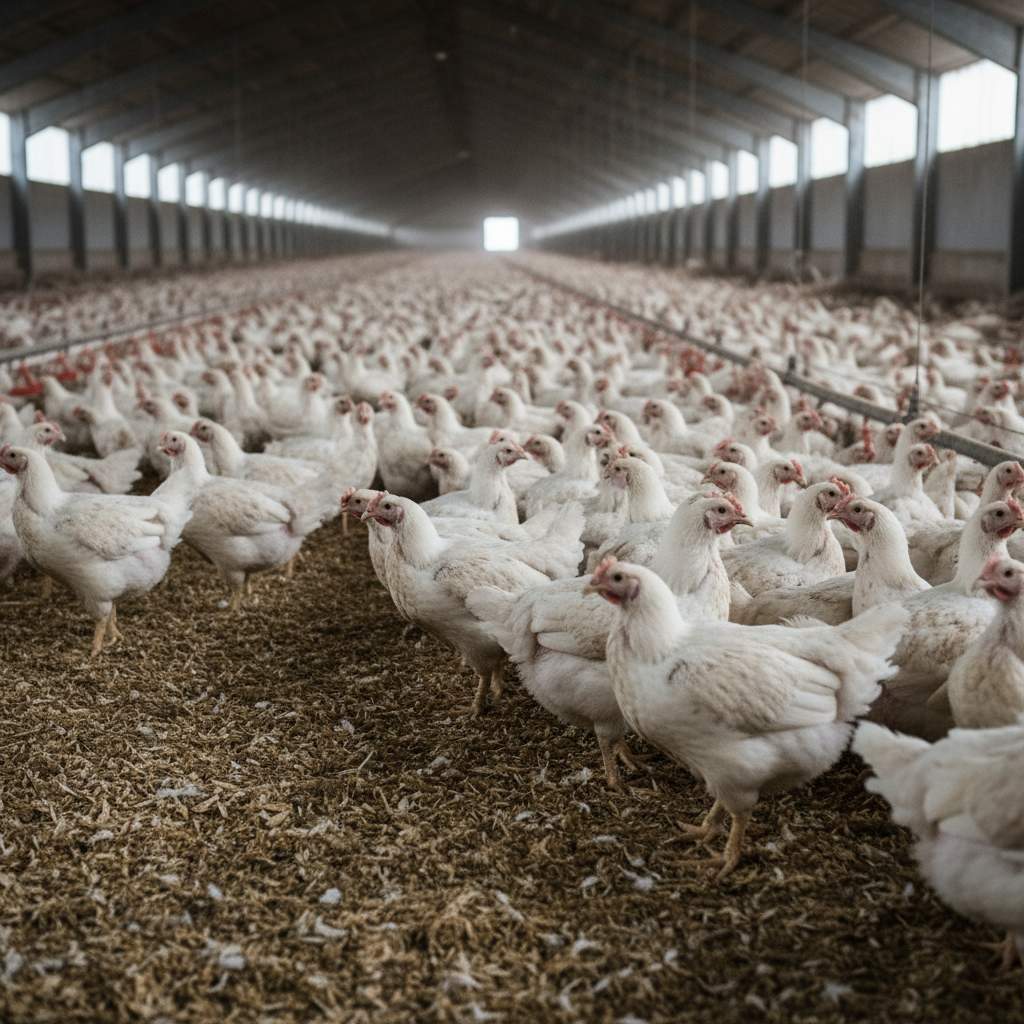
Sebagian besar ayam pedaging di dunia, termasuk di Indonesia, hidup dalam sistem peternakan intensif yang memprioritaskan pertumbuhan cepat dalam kondisi padat, sering kali dengan mengorbankan kesejahteraan hewan.
4 menit baca

Discover the comprehensive costs, from sticker price to environmental impact, of embracing a plant-based diet focusing on the gut-brain axis in 2026.
4 menit baca

Menjelajahi Jakarta dengan diet nabati untuk remisi diabetes tipe 2 sekaligus memahami kaitan risiko pandemi zoonosis.
4 menit baca
Investigasi terselubung mengungkap praktik pemotongan paruh yang masih marak di peternakan ayam petelur Kanada, mendorong tuntutan regulasi yang lebih ketat.
4 menit baca
Discover how messaging tactics for live animal export campaigns in the Andean region are set to evolve by 2030, boosted by rising digital engagement and changing consumer sentiments.
4 menit baca
Uncover the hidden truths behind India's greyhound racing industry with this curated list of tools, organizations, and courses. Track every stage of the supply chain for accountability and transparency.
4 menit baca
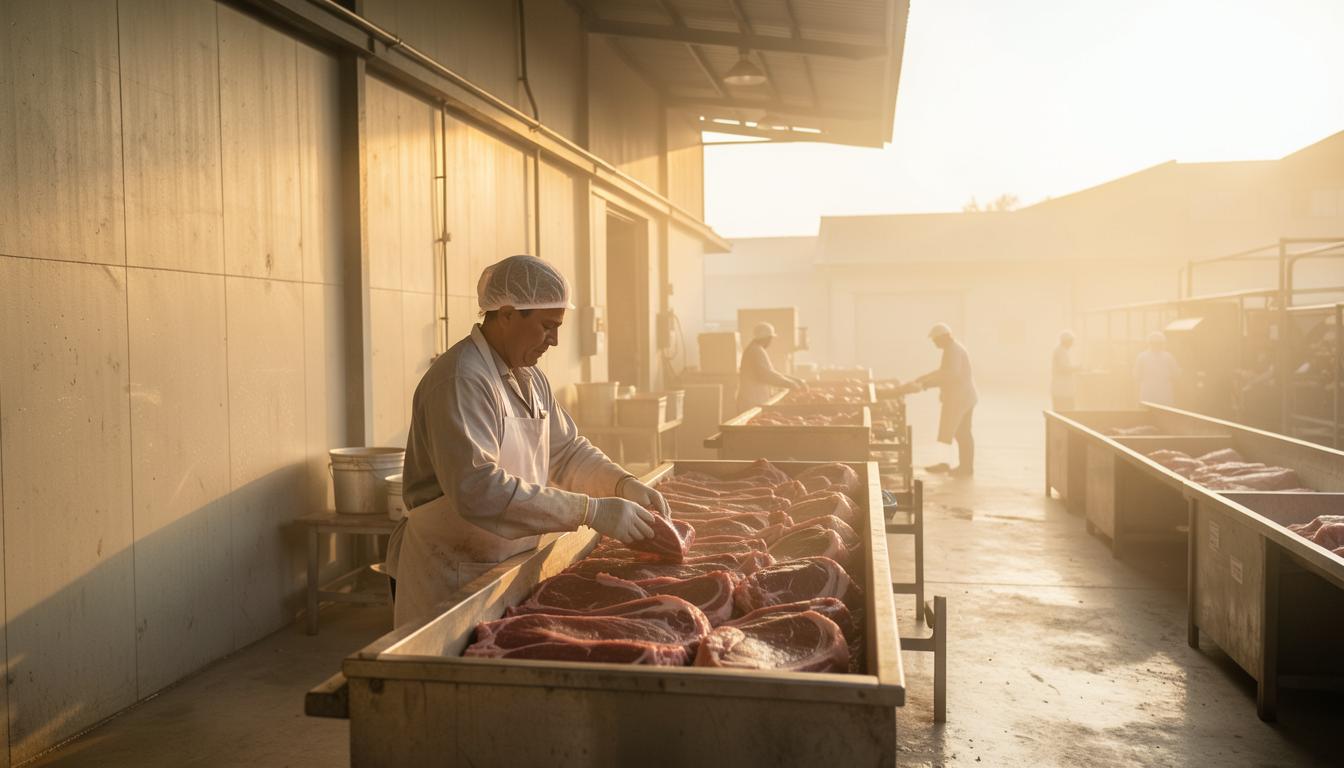
Mitigasi tekanan saham untuk meningkatkan kecepatan baris slaughterhouse: Strategi, dampaknya pada kesejahteraan hewan, dan alternatif yang dapat dipertimbangkan.
4 menit baca
Mengenali 5 aspek kunci dalam ekspor hewan hidup ke laut, dari regulasi hingga dampaknya pada kesejahteraan hewan dan lingkungan.
4 menit baca
Analisis mendalam mengenai bagaimana tekanan investor akan membentuk strategi penanganan kabur salmon dari tambak pada tahun 2030, dengan perbandingan opsi utama.
4 menit baca
Ag-gag laws worldwide are blocking public access to crucial information about the animal agriculture industry. Dive into the lobbying power dynamics behind these laws.
4 menit baca

Penjelasan 5 hal yang setiap professional harus ketahui tentang kasus penggunaan gas kontrol di industri daging, berdasarkan investigasi tertutup.
4 menit baca
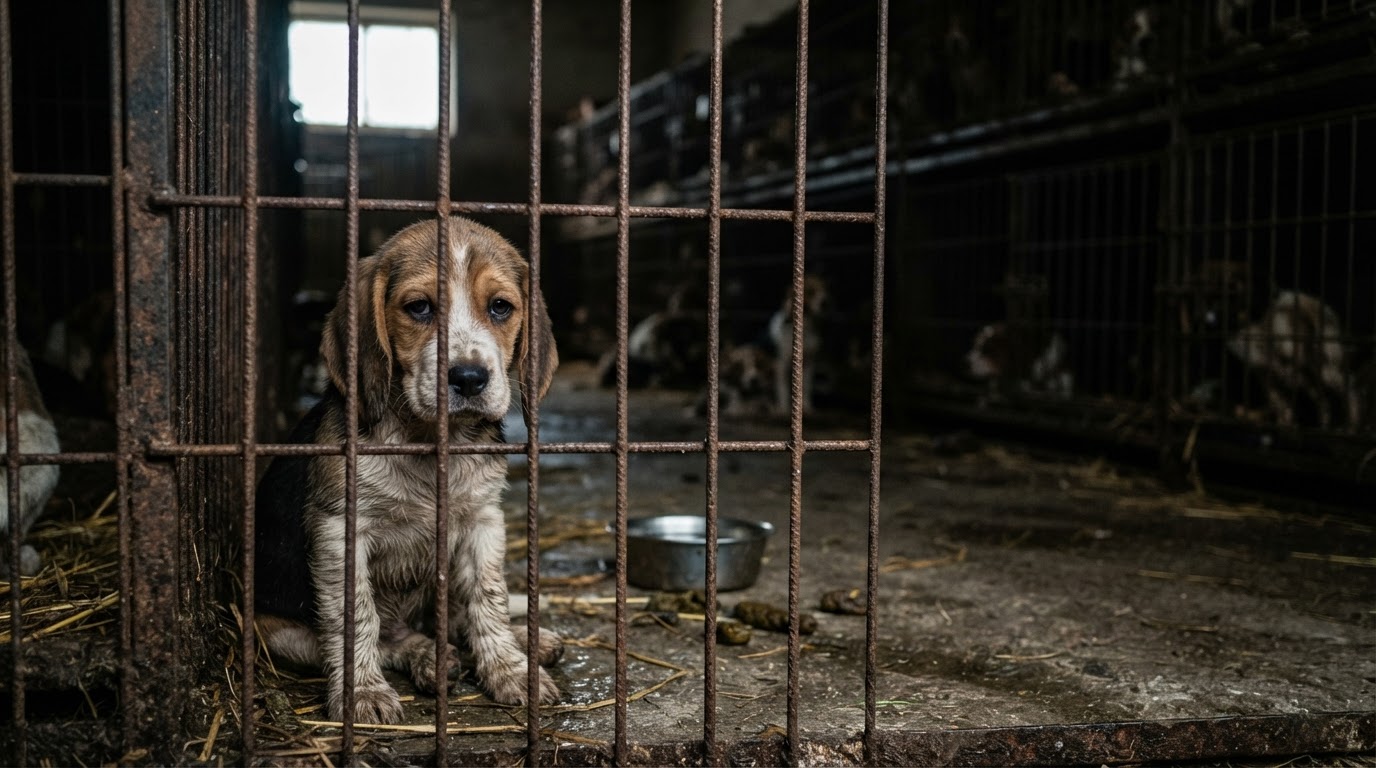
Menjelaskan dengan analogi sederhana mengapa kesadaran hewan pada beagle laboratorium membangun argumen moral yang kuat untuk perlindungan hukum di Asia Tengah.
4 menit baca
Label kesejahteraan ternak populer di industri pengolahan hewan, GAP, Certified Humane, RSPCA, dan Bord Bia, bagaimana pula mereka dalam hal keamanan dan kesejahteraan pekerja?
4 menit baca
Kita perlu mengakui legal personhood bagi cetacea, terutama implikasinya yang relevan bagi ibu hamil dan pascapersalinan, demi masa depan perlindungan ekosistem laut.
4 menit baca
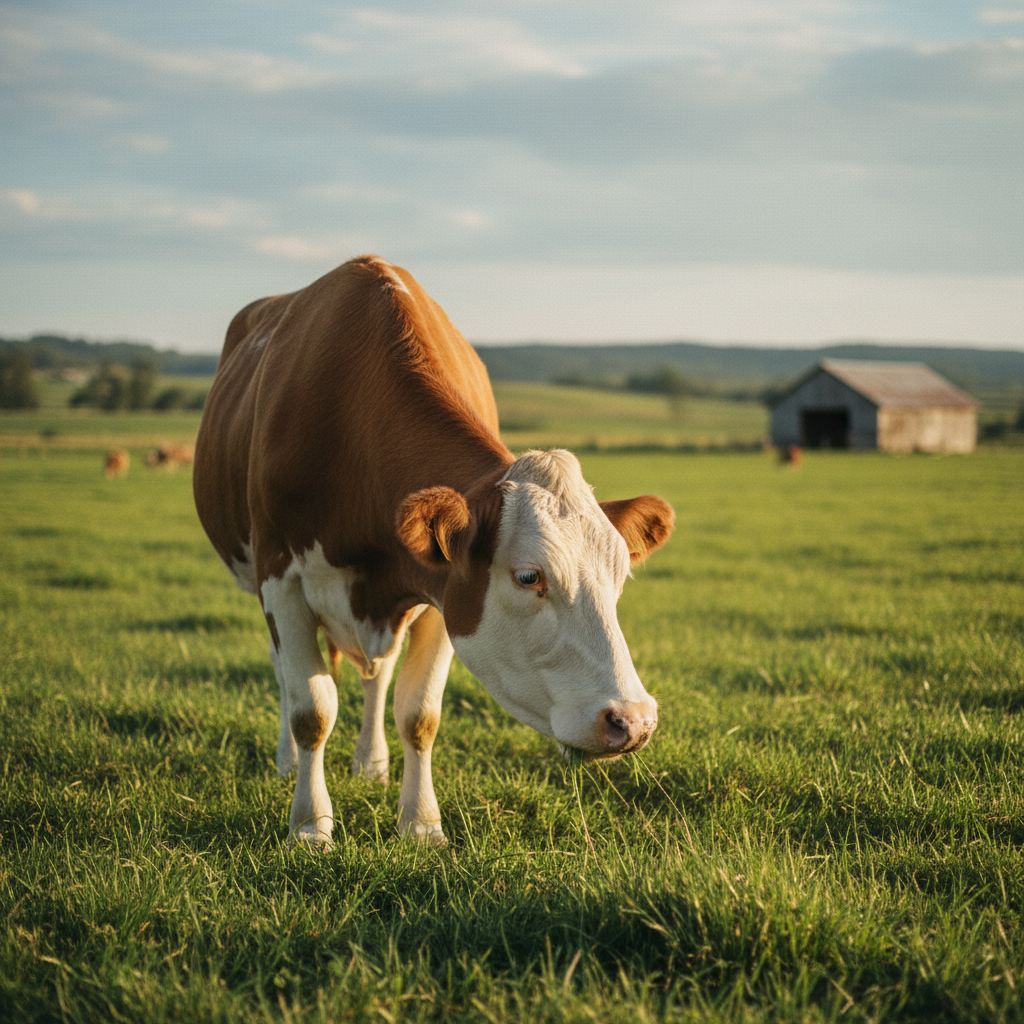
Sejarah dan status terkini penggunaan rBST menunjukkan bagaimana industri susu secara strategis melobi untuk mempertahankan produk ini, berdampak pada regulasi dan persepsi publik.
4 menit baca

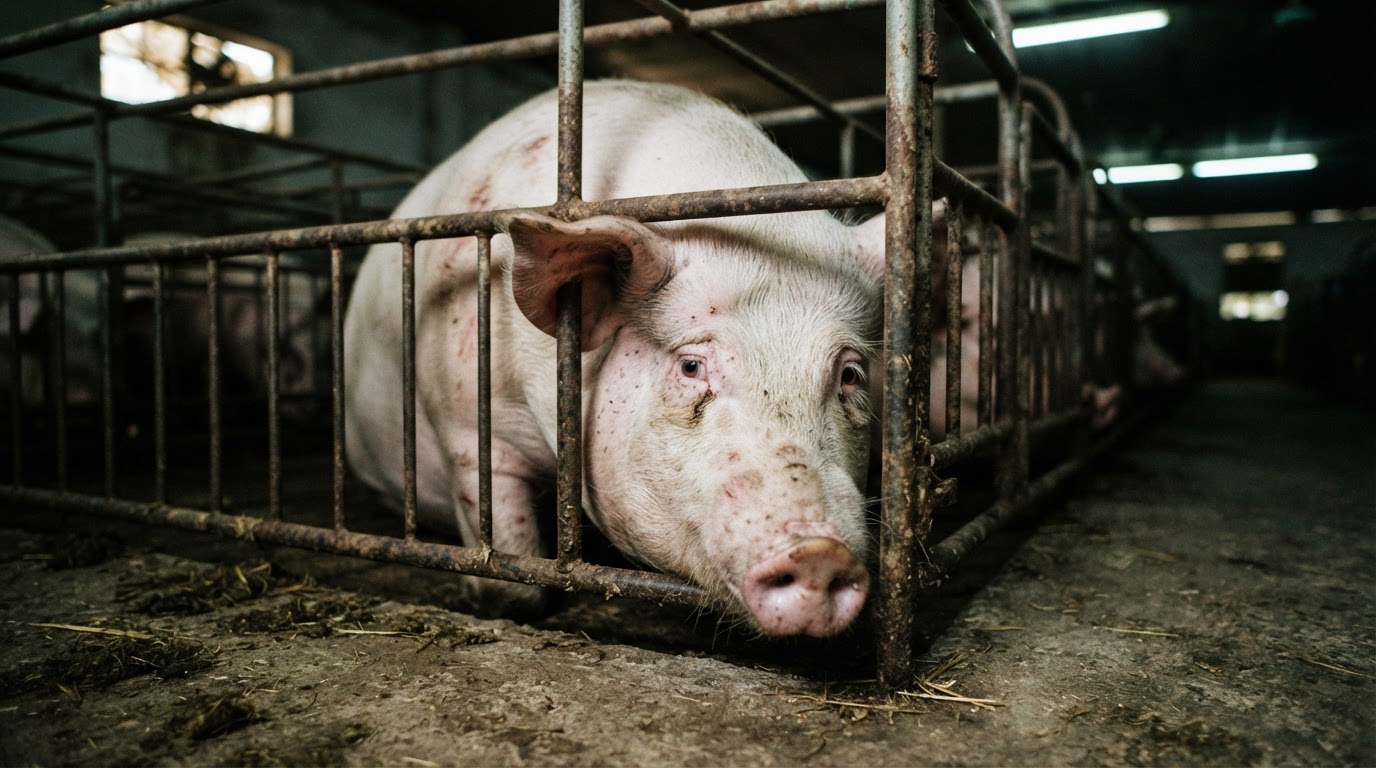
Artikel ini menguraikan panduan kebijakan yang adaptif untuk reformasi kandang baterai di konteks negara-negara kepulauan Pasifik, menyoroti tantangan unik dan solusi berkelanjutan.
4 menit baca
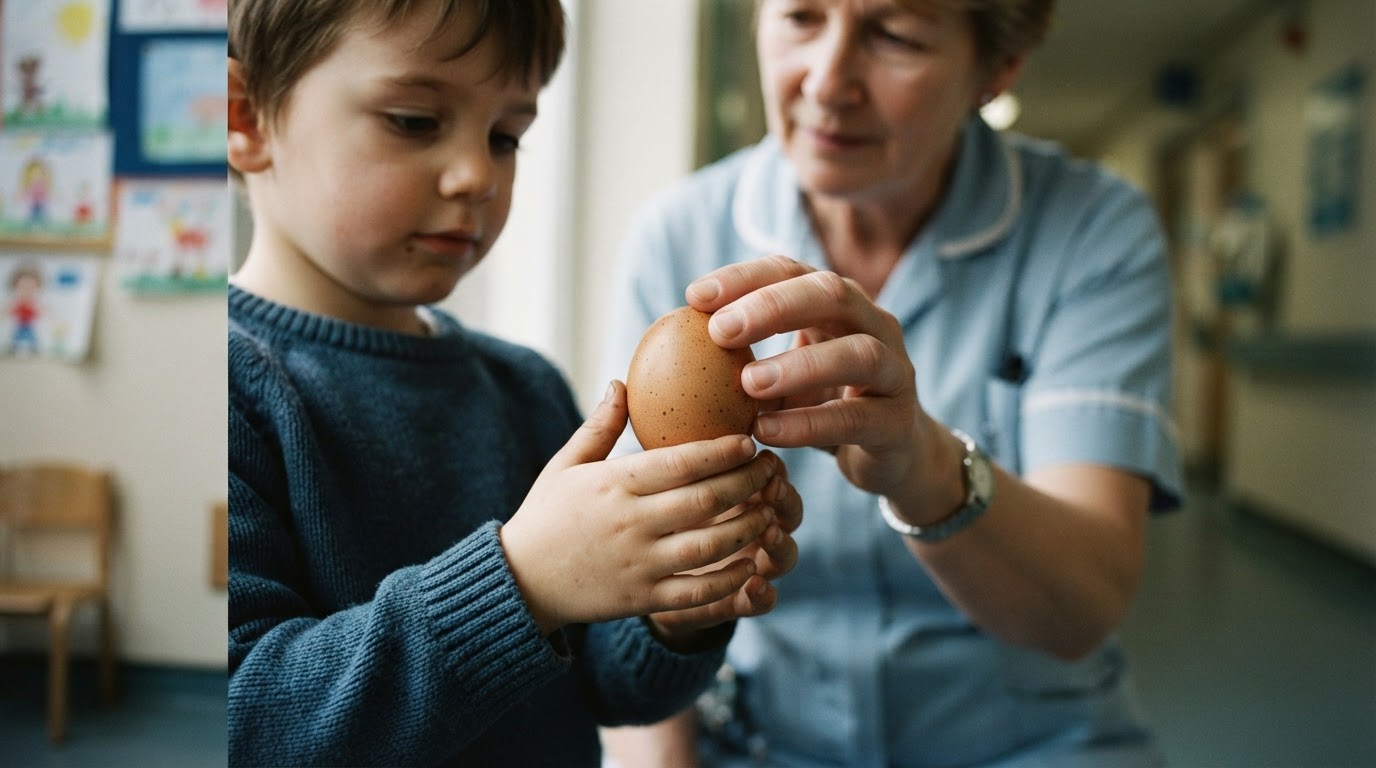
Regulasi kandang baterai dalam pengadaan sekolah dan rumah sakit menjadi fokus penting untuk meningkatkan kesejahteraan hewan dan standar etika dalam rantai pasokan makanan.
4 menit baca
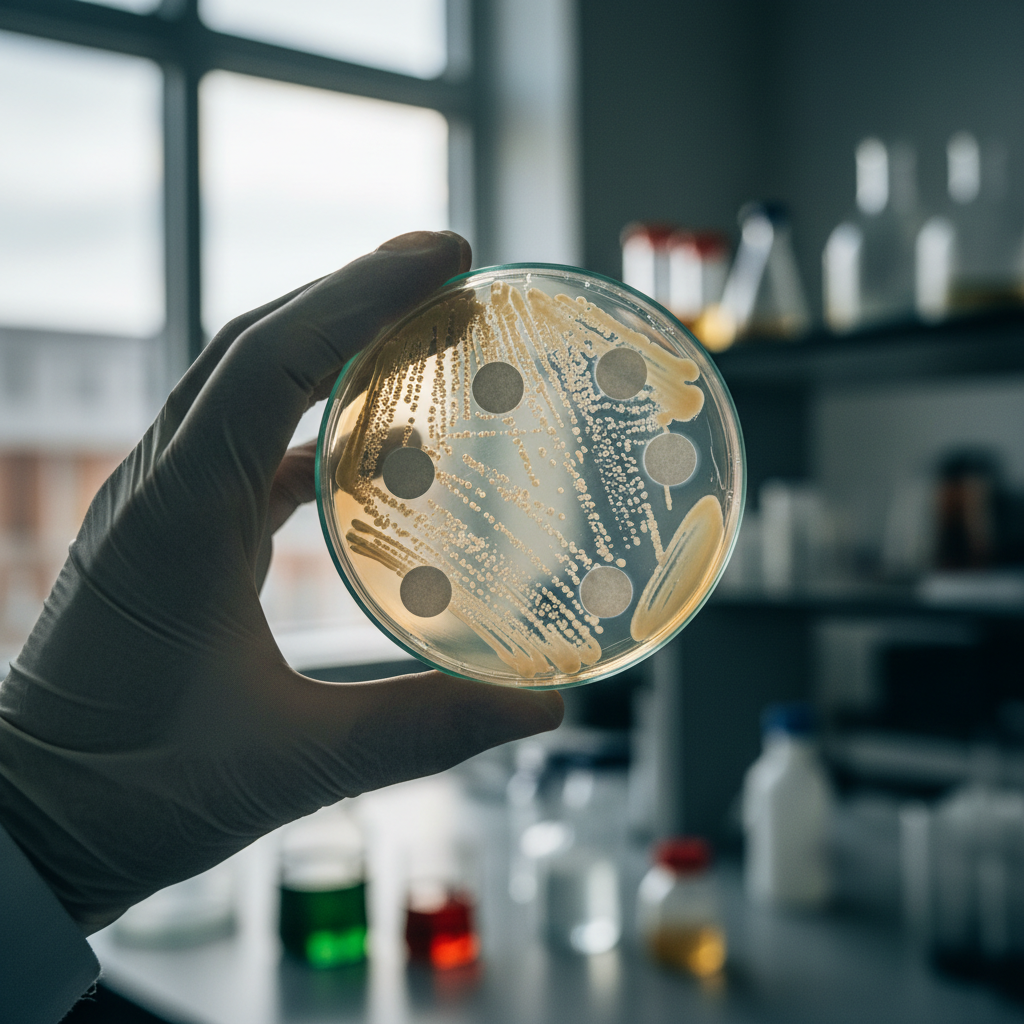
Rencana budidaya gurita di Spanyol dan Jepang menimbulkan keprihatinan serius tentang kesejahteraan hewan serta dampak lingkungan jangka panjang.
4 menit baca
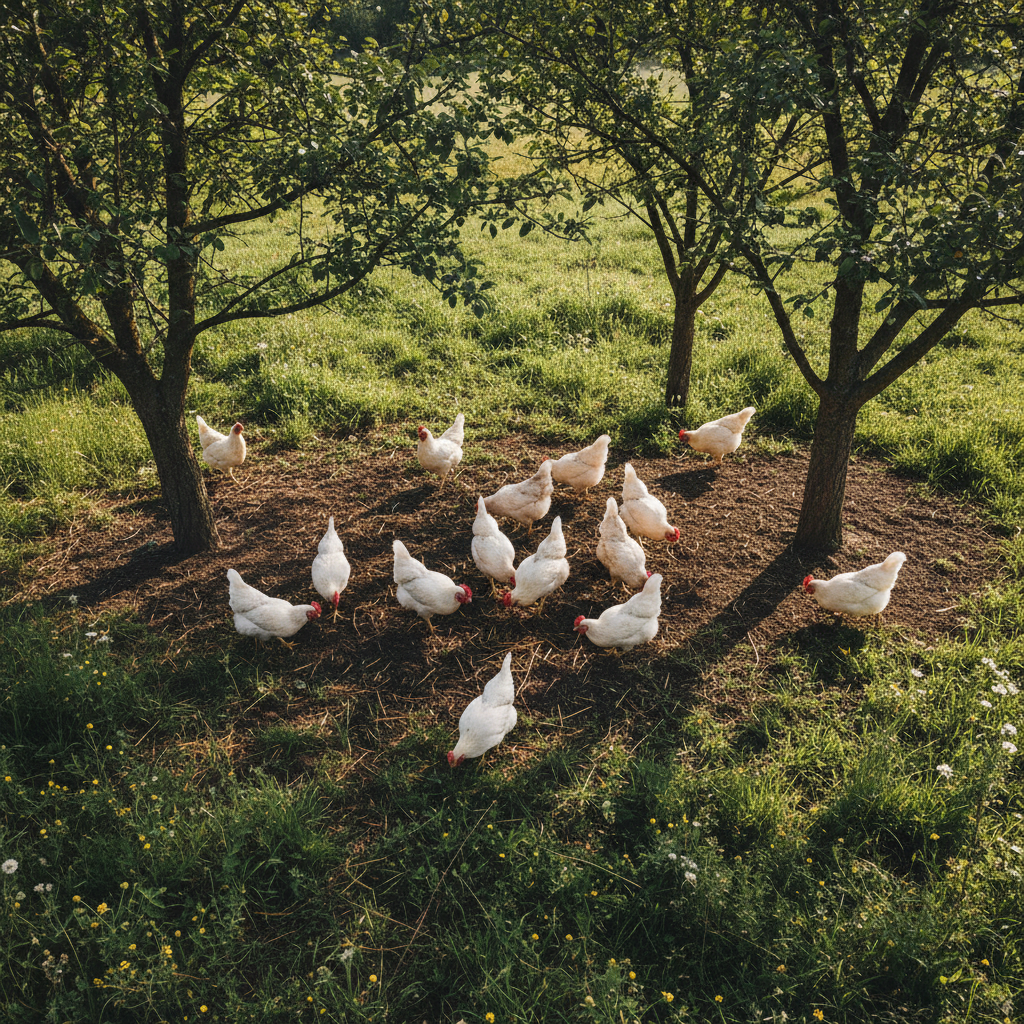
Memilih telur bebas dari praktik pemotongan paruh melibatkan pemahaman label, sertifikasi, dan celah hukum yang memengaruhi kesejahteraan hewan di industri peternakan.
4 menit baca
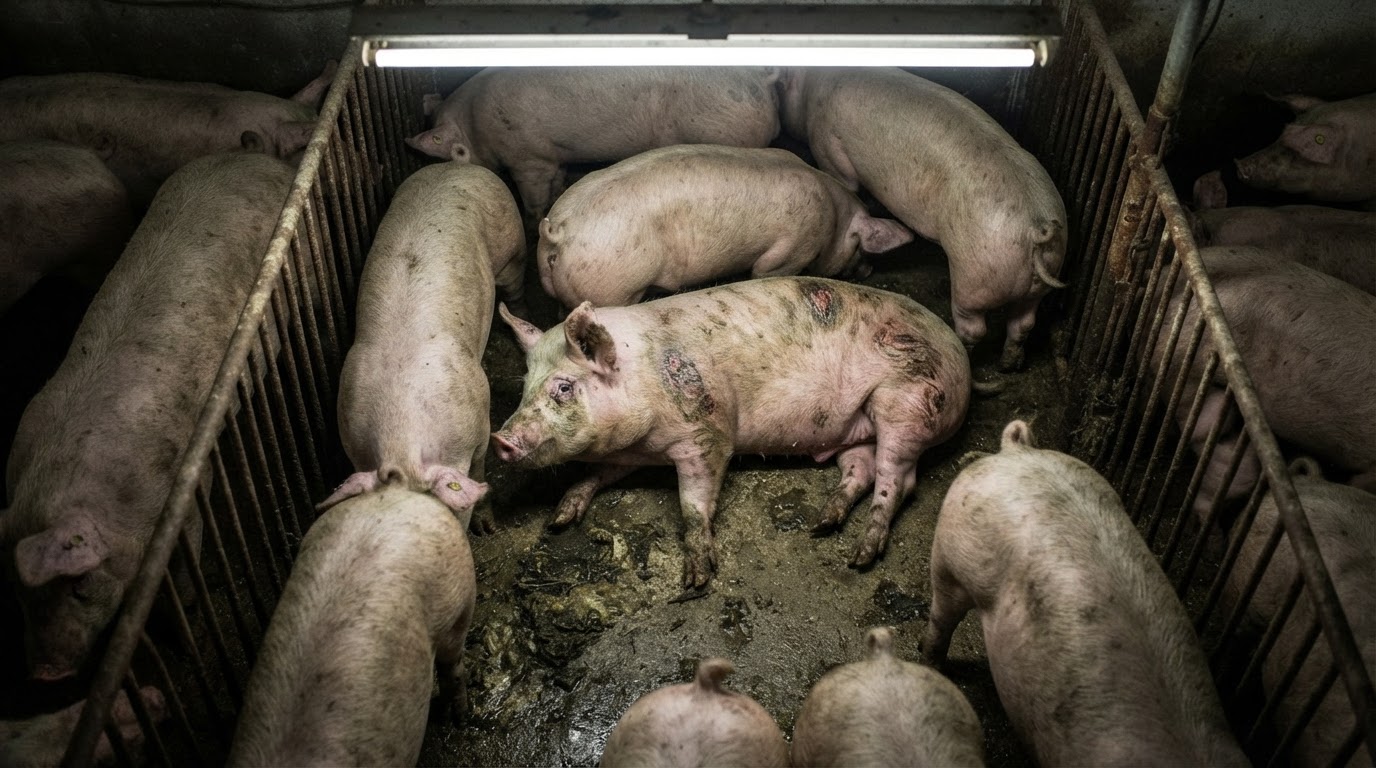
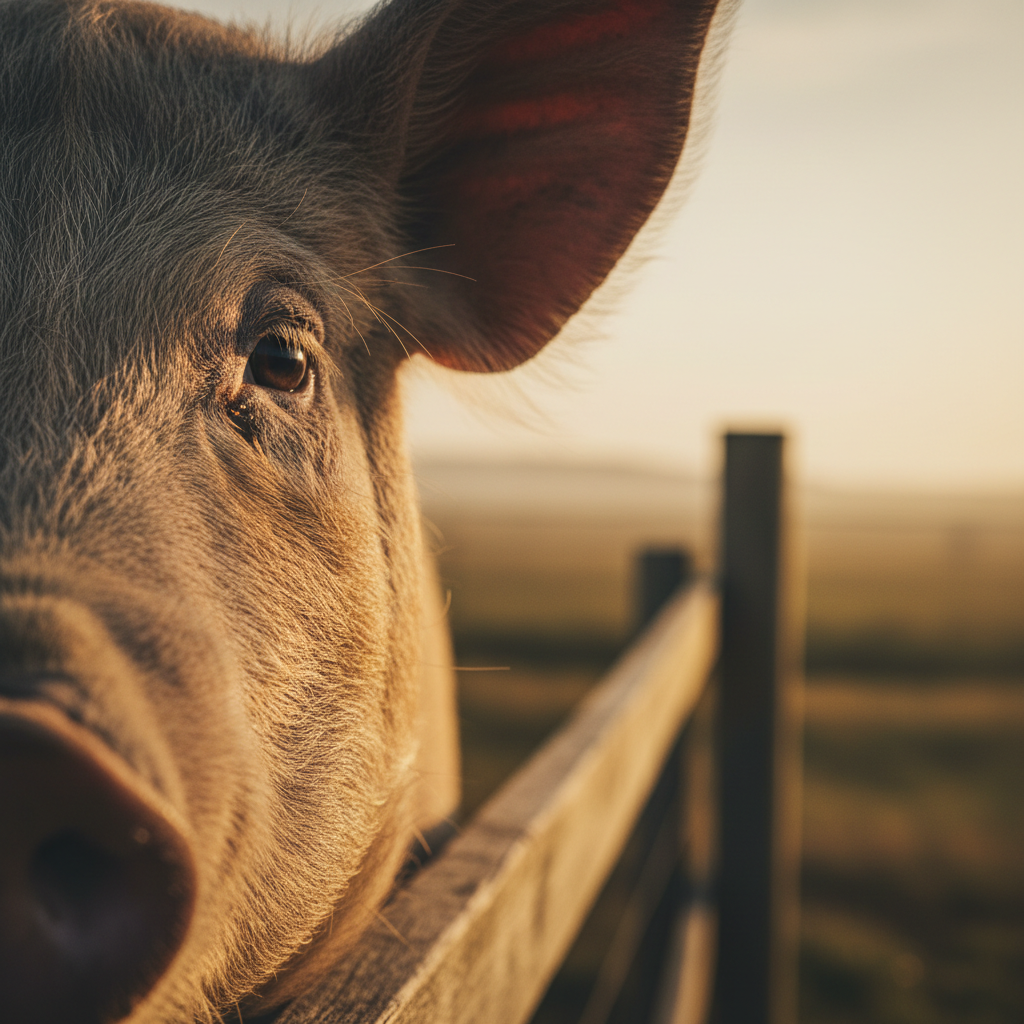
Memahami penelitian kognisi dan perilaku sosial babi memberikan wawasan mengapa tradisi agama tertentu memiliki larangan konsumsi, mengubah persepsi kita tentang hewan ini.
4 menit baca

Investigasi mendalam ini menguak praktik penggunaan etika hewan dalam periklanan, menyoroti perbedaan antara representasi dan realitas kesejahteraan hewan di industri ini.
4 menit baca
Memahami standar dan praktik kesejahteraan dalam "industri daging kelinci," sebuah tinjauan literatur berjenjang bukti untuk pembeli dan regulator yang cerdas.
4 menit baca
Memeriksa metode pemusnahan massal flu burung yang digunakan di wilayah Andes, artikel ini menyajikan peringkat berdasarkan kriteria etika dan efisiensi operasional.
4 menit baca
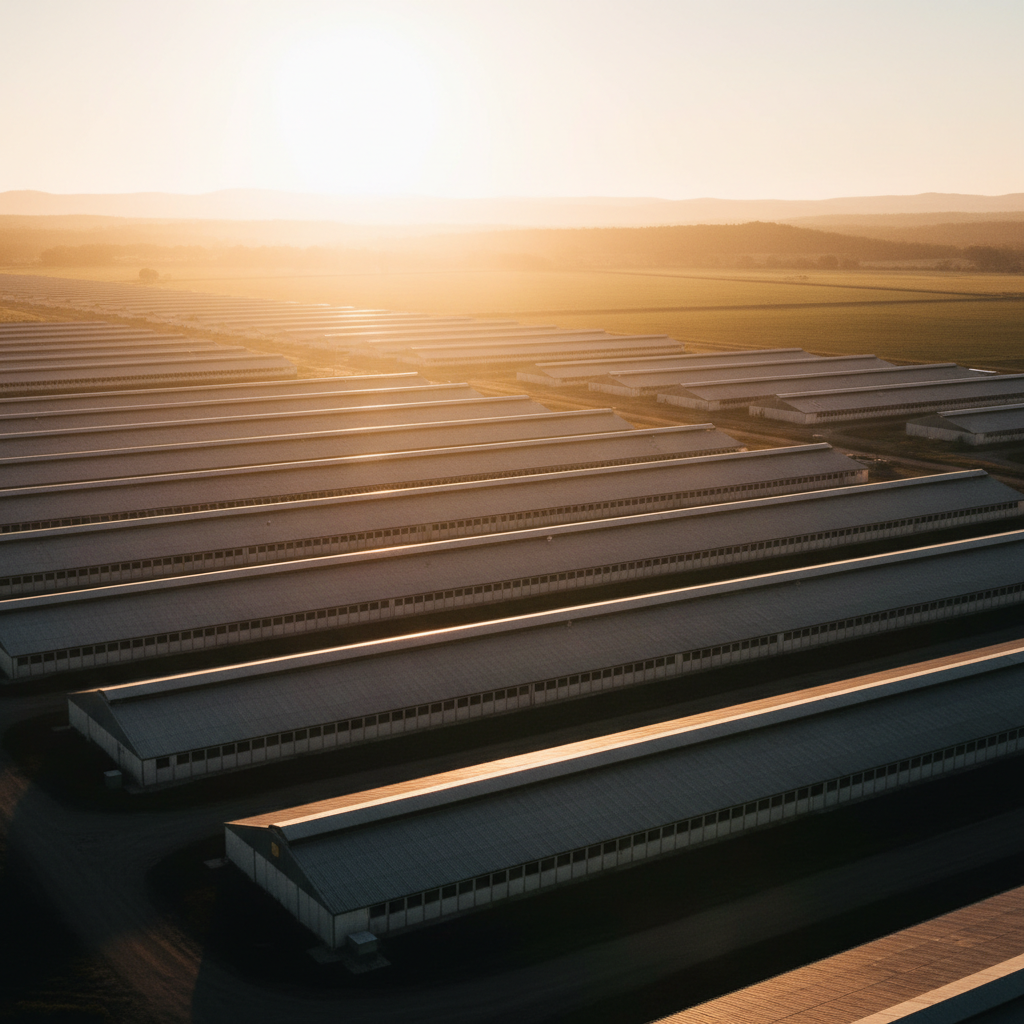
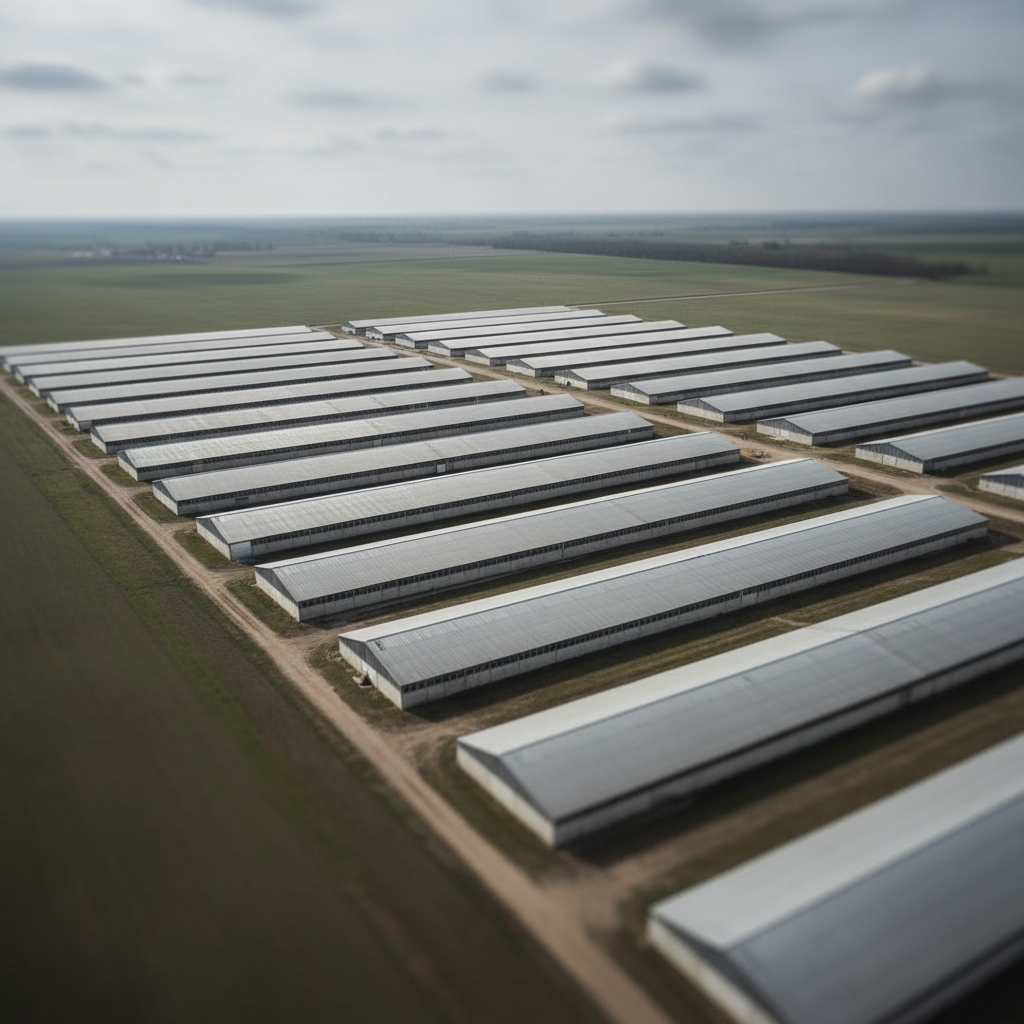
Menjelajahi realitas peternakan pabrikan, dari efisiensi produksi yang masif hingga dampak tersembunyi bagi lingkungan, kesehatan manusia, dan kesejahteraan hewan dalam sistem pertanian industrial modern.
4 menit baca
Titik awal yang berguna · index
Jurnalisme lingkungan yang baik membantu kita memahami masalah, memeriksa klaim, dan memilih langkah berikutnya. Kami menyatukan bukti, konteks, dan pilihan praktis tanpa menyederhanakan isu rumit menjadi slogan.
Bukti
Berbasis riset
Konteks
Saling terhubung
Langkah berikutnya
Praktis
| Mulai dari | Anda akan menemukan | Cocok untuk |
|---|---|---|
| The overview | A clear answer and the essential terms | First-time readers |
| The evidence | Sources, comparisons and reported context | Checking a claim |
| The pathways | Related topics, tools and further reading | Going deeper |
We separate evidence, interpretation and practical guidance. Claims should be traceable to research, public records or clearly identified editorial analysis.
No. Food systems, animal welfare and climate are connected systems. Individual choices matter, and so do policy, business and collective action.
Use the related topics, topic hubs and calculators on this page to move from a quick answer to the primary context behind it.
Konteks lebih dalam
Animal agriculture sits at the intersection of climate, land use, water, public health and animal welfare. These reference points recur across our reporting, so we keep them in one place: the numbers most often cited, the way we read a claim, the myths that survive longest, and the vocabulary you need to follow the debate in any language.
Lahan adalah kuncinya
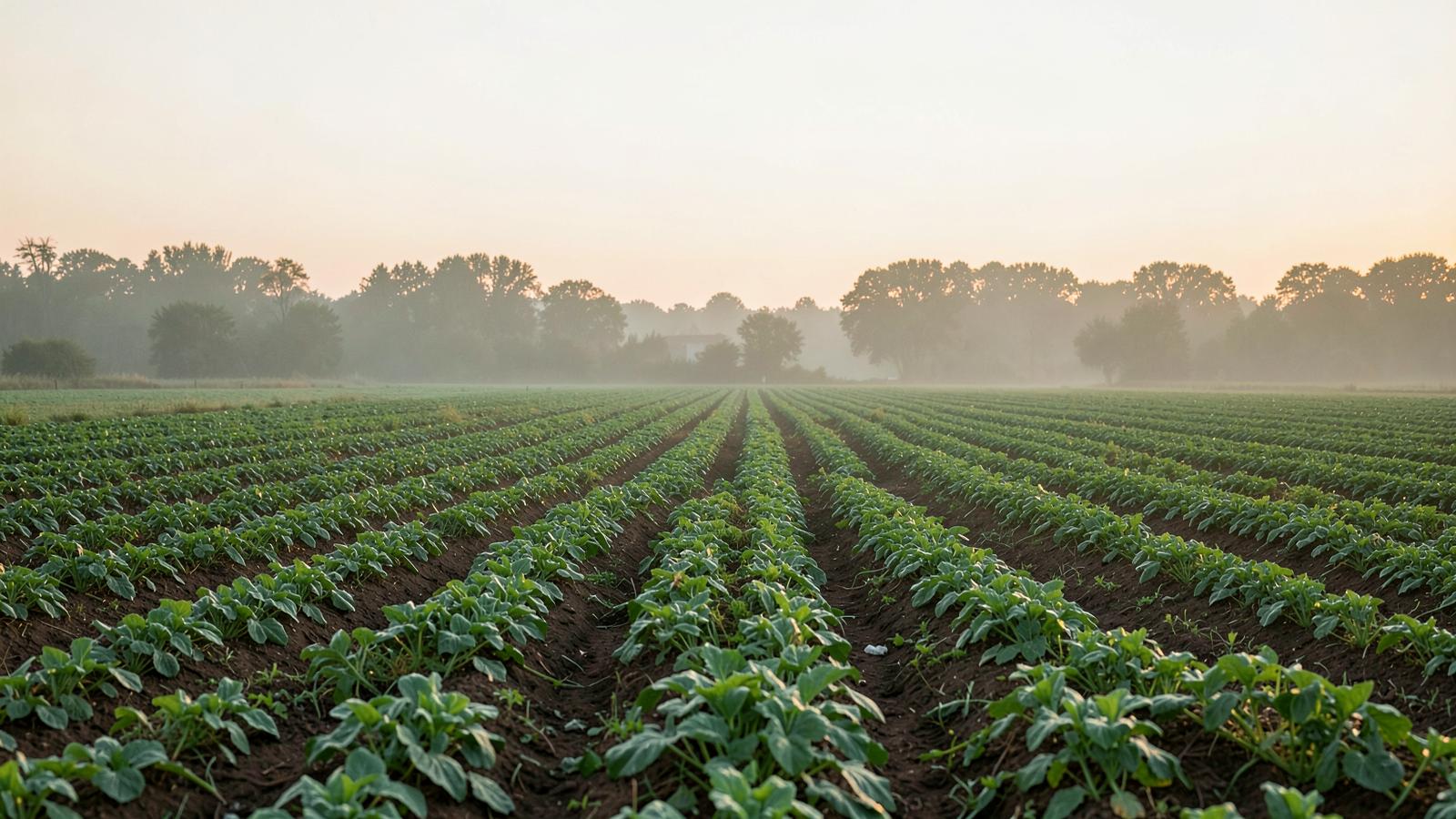
Roughly three quarters of global farmland is used for livestock, yet it supplies a minority of the world's calories. Shifting even part of that land back to crops, forest or wetland is the single largest lever most countries hold.
| Klaim umum | Yang ditunjukkan bukti | Mengapa penting |
|---|---|---|
| Local food is always the lowest-carbon choice | Transport is a small share of most food footprints; what is produced matters more than how far it travelled. | It redirects effort towards the choices with real leverage. |
| Plant-based eating cannot meet protein needs | Legumes, grains, soy foods, nuts and seeds cover protein and amino-acid needs in well-planned diets at every life stage. | Nutrition myths keep people from a change they were open to. |
| Higher-welfare labels mean animals are not harmed | Label standards vary widely and many permit routine practices readers would not expect. | Informed choices depend on knowing what a label actually certifies. |
| Individual choices are irrelevant next to policy | Demand shifts change what is produced, funded and legislated; the two move together. | It replaces fatalism with something you can act on this week. |
Dari bukti ke pilihan sehari-hari
Numbers describe the system; meals, votes and purchases are how most people meet it. This field guide turns the reporting into concrete swaps, a four-week plan and the signals worth watching, so a page of research becomes something you can act on this week without pretending the hard parts are simple.
| Alih-alih | Coba | Mengapa penting |
|---|---|---|
| Beef mince | Lentils, beans or soy mince | Beef carries by far the highest emissions and land use per gram of protein. |
| Dairy milk | Soy or pea milk | Comparable protein with a fraction of the land, water and emissions. |
| Cheese in daily meals | Nut or seed-based spreads, cashew cheese | Cheese is the most resource-intensive dairy product per kilogram. |
| Chicken and eggs | Tofu, tempeh, chickpeas | Removes the welfare cost of the most intensively farmed animals. |
| Farmed shrimp and salmon | Beans, jackfruit, seaweed-seasoned dishes | Avoids mangrove loss, bycatch and wild fish used as feed. |
| Butter | Olive or rapeseed oil | Lower emissions per kilogram and better cardiovascular profile. |
Most people who change their diet permanently do it gradually, one meal slot at a time, keeping the food they already like at the centre.
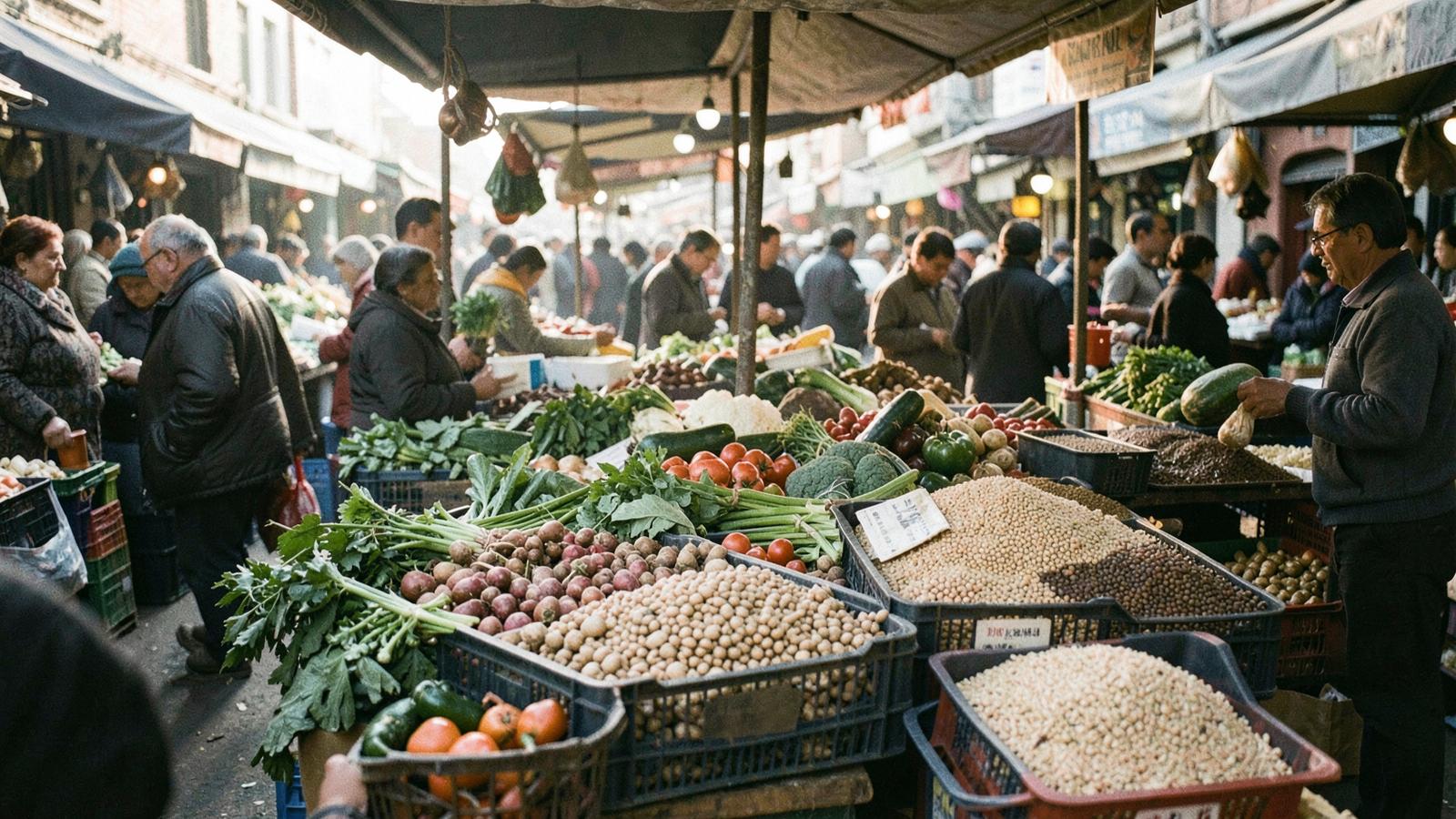
Tempat perubahan terlihat
Markets are the clearest place to watch demand shift: as pulses, grains and vegetables take more shelf space, producers, buyers and policy follow the money rather than the argument.
Bagaimana sistem ini sebenarnya bekerja
Most coverage of animals, diets and climate arrives as isolated stories: a slaughterhouse investigation, a methane figure, a supermarket launch. They belong to one system with a small number of decision points. This map sets out that system stage by stage — who owns each step, where animals enter it, what the public can see, and which levers have historically moved it — so every article on this site can be read in context rather than as an isolated shock.
Animal agriculture is a chain of separate businesses. Pressure applied at one link rarely stays there; it moves upstream to feed and land, or downstream to retail and price.
| Tahap | Apa yang terjadi | Di mana daya ungkitnya |
|---|---|---|
| Land and feed | Soy, maize and grass are grown to feed animals, using roughly three quarters of agricultural land worldwide. | Deforestation rules, feed-import standards, and any fall in demand for animal products. |
| Breeding | Genetics companies supply fast-growing birds and high-yield dairy lines used across most of the industry. | Growth-rate standards; welfare commitments that specify breed, not just space. |
| Rearing | Animals are housed at density, typically indoors, with confinement systems that vary by species and country. | Cage, crate and stocking-density law — the fastest-moving area of animal legislation. |
| Transport and slaughter | Live animals move to centralised plants; a small number of companies process most of the volume. | Journey-time limits, CCTV and inspection rules, stunning requirements. |
| Processing and brands | Meat and dairy become branded products, with margins concentrated in processing rather than farming. | Labelling law, marketing claims, and corporate sourcing commitments. |
| Retail and food service | Supermarkets, canteens and restaurants set the default meal for most people most days. | Shelf share, menu defaults, procurement contracts and price parity. |
| The plate | Households choose within the range and prices the previous stages allow. | Repeat purchases, which retailers track far more closely than surveys. |
Individual choices matter, but they are amplified or blunted by a handful of institutions that set defaults for millions of meals at a time.
Lahan adalah variabel yang senyap
Most farmland on earth feeds animals rather than people directly. That single fact explains why diet, deforestation, wildlife loss and climate keep turning up in the same story.
| Wilayah | Yang menentukan hasilnya |
|---|---|
| European Union | Confinement law and labelling lead globally; the unresolved question is imported animal products produced to lower standards. |
| United States | State ballot measures drive welfare change while federal rules lag; litigation over interstate sales is the recurring battleground. |
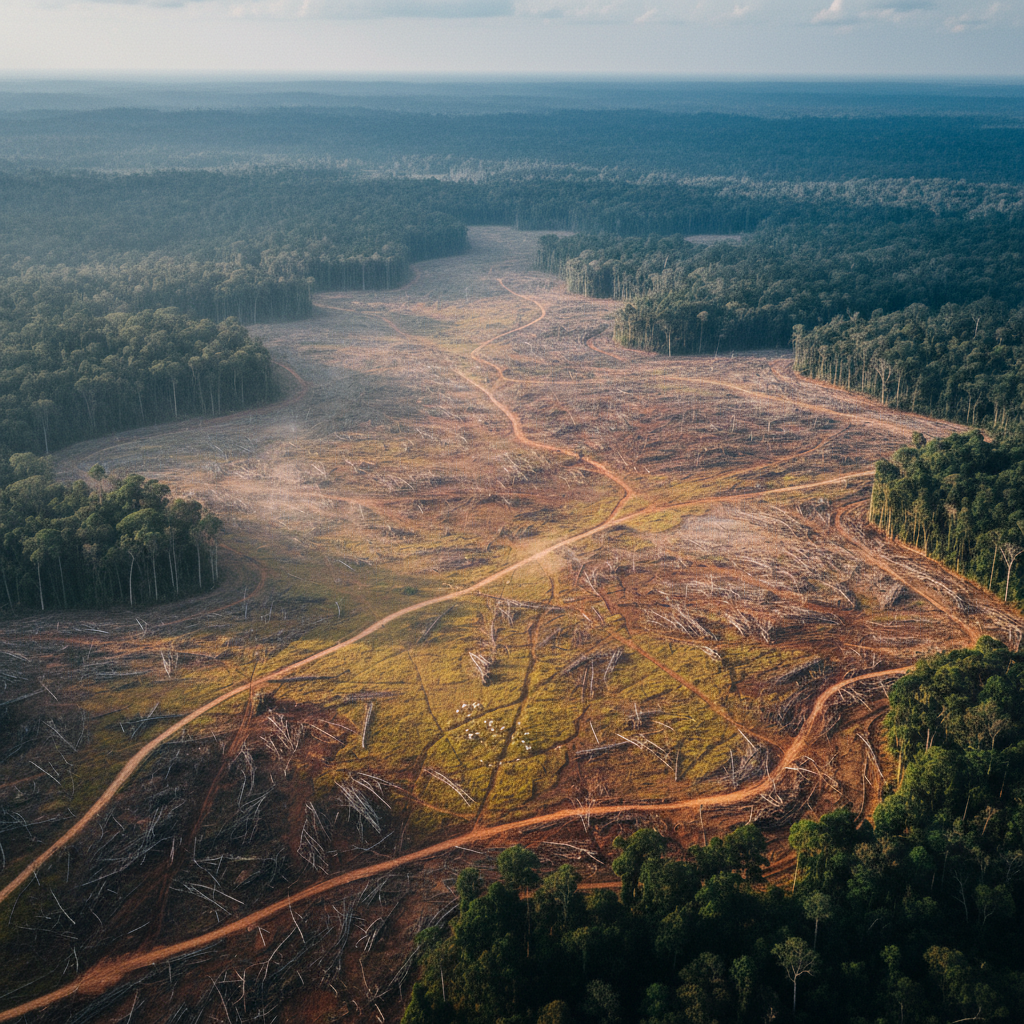
| Brazil and South America | Feed-crop expansion and cattle ranching sit at the interface with forest loss, making land use the decisive issue. |
| China and East Asia | Rapid growth in intensive production alongside fast-growing plant-based and cultivated protein investment. |
| India and South Asia | The world's largest dairy sector, where welfare questions centre on cattle, transport and the fate of male calves. |
| Sub-Saharan Africa | Smallholder systems dominate today; whether intensive models are imported is still an open decision. |
Change in this system is slow, then sudden. These are the shifts that repeat across countries once they start.
Most disputes come down to a handful of recurring tricks. Running a claim through these questions resolves the majority of them.