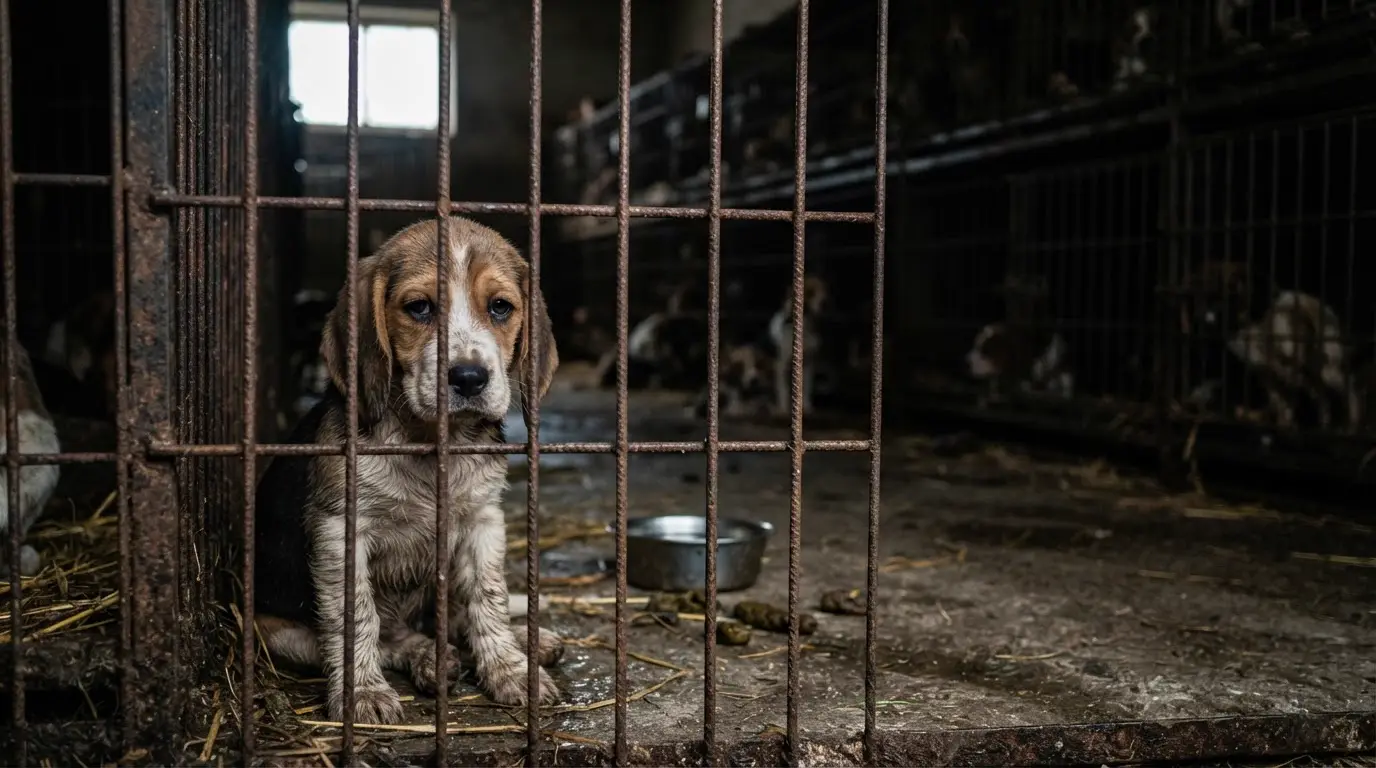
Ag-gag laws, designed to stifle undercover investigations and whistleblowing in the animal agriculture industry, are on the rise worldwide. These laws are a significant obstacle to public knowledge and transparency, hindering consumer awareness and informed decision-making. Let's delve into the lobbying power dynamics behind these laws and explore how they compare to ethical considerations.
Ag-gag laws have been introduced in various forms across multiple countries, with the United States being a notable example. According to the Animal Legal Defense Fund, 41 U.S. states have introduced ag-gag legislation since 2010. These laws often criminalize whistleblowing, undercover investigations, and even public records requests related to animal agriculture.
| State | Provision | Penalty |
|---|---|---|
| Iowa | Makes it a felony to gain access to a farm under false pretenses. | Up to 2 years in prison and a $7,500 fine |
| Utah | Prohibits taking photographs or videos of agricultural operations. | Up to a year in jail and a $2,500 fine |
| North Carolina | Criminalizes 'trespassing' with the intent to 'cause economic loss' to an agricultural facility. | Up to 150 days in jail and a $1,000 fine |
The primary driver behind these laws is the lobbying power of animal agriculture trade groups and PR firms. These entities often work together to influence policy, ensuring that laws favor their clients' interests. Let's examine the role of lobbying and trade groups in shaping ag-gag legislation.
“'Ag-gag laws are a direct response to the increasing number of undercover investigations exposing animal welfare abuses in the industry. These laws are an attempt to silence whistleblowers and maintain industry secrets.'”
Some of the most influential trade groups and PR firms in the animal agriculture industry include the National Chicken Council, the National Cattlemen's Beef Association, and Berman and Company. These entities often collaborate to draft model legislation, lobby policymakers, and sway public opinion in favor of their clients' interests.
Ag-gag law bills introduced in the U.S. (1990-2024)
While ag-gag laws are often presented as a means to protect farmers and agricultural operations from activist-driven harassment, they raise significant ethical concerns. The right to know and transparency are fundamental principles in a democracy, and ag-gag laws infringe upon these rights by limiting public access to information about how animals are treated and food is produced.
Public awareness and advocacy can drive policy reform and push for more transparency in the animal agriculture industry. By understanding the lobbying power dynamics behind ag-gag laws and the ethical concerns they raise, consumers and advocates can demand accountability and greater transparency from policymakers and the industry alike.
Frequently asked questions
What are the main arguments for and against ag-gag laws?+
Proponents argue that ag-gag laws protect farmers from harassment and trespassing, while opponents contend that these laws hinderc transparency, infringe upon freedom of speech, and obstruct whistleblowing.
How effective are undercover investigations in bringing about change?+
Undercover investigations have led to criminal prosecutions, industry reforms, and increased public awareness. However, their effectiveness depends on the strength of regulations, enforcement, and public support for transparency and accountability.
What can consumers do to support transparency in the animal agriculture industry?+
Consumers can support organizations that advocate for transparency and animal welfare, voice their concerns to policymakers, and demand transparency from the companies they patronize.