Greening the Plate: Embracing Sustainable Eating Habits

In a world where every bite carries the weight of its journey, the choices we make at the dinner table ripple far beyond our plates. The food we eat intertwines with stories of soil, water, and air—shaping not just our health, but the planet’s future. Yet, amid the swirl of food trends and supermarket shelves, one movement stands out like a beacon of hope: sustainable eating.From reducing food waste to embracing plant-based ingredients, “Greening the Plate” invites us to rethink our habits and nourish more than just ourselves. This is not about radical change overnight, but a gentle shift—one forkful at a time—toward a more harmonious relationship with the Earth. In this article, we’ll explore how thoughtful choices can transform our meals into acts of care for a world in need.

Table des matières

From Farm to Fork: Prioritizing Local and Seasonal Foods

Championing locally sourced and seasonal ingredients is a celebration of nature’s rhythm and community connection. by choosing these foods,your not only reducing the carbon footprint linked to long-distance transport,but also supporting local farmers who nurture their land with care. Seasonal produce, picked at its peak, bursts with flavor, offering unrivaled freshness while eliminating the need for energy-intensive storage methods like refrigeration or preservation. It’s about grounding your diet in harmony with nature’s timeline and what’s growing near your doorstep.

  • Boosts Local Economy: Purchasing from regional growers strengthens financial sustainability and fosters community ties.
  • Better Nutrition: Seasonal crops retain a higher density of nutrients due to fresh harvesting.
  • Respectueux de l'environnement : Foods in season avoid excessive resource depletion linked to off-season farming.
SaisonBest Produce Picks
PrintempsAsparagus,Strawberries,Spinach
ÉtéTomatoes,Watermelon,Zucchini
AutomnePumpkin,Apples,Kale
HiverBrussels Sprouts,Citrus Fruits,Sweet Potatoes

The Plant-Powered Palette: Transitioning to a Balanced Diet

The Plant-Powered Palette: Transitioning to a Balanced Diet

Shifting to a more plant-centered diet doesn’t mean sacrificing flavor or culinary satisfaction—it’s about discovery and balance. By embracing nature’s vibrant offerings, you can curate a plate that’s not only nourishing but deeply rewarding. Incorporate a mix of seasonal produce, whole grains, and plant-based proteins to create meals that nourish both your body and the planet while exploring new textures and tastes.

  • Expérience avec les protéines végétales : Dive into lentils, tofu, tempeh, and chickpeas to replace or complement traditional proteins.
  • Seasonal Choices: Opt for local and fresh produce to align your plate with nature’s cycles while reducing environmental impact.
  • Sneaky Veggies: Add pureed veggies into sauces or soups for extra nutrition without compromising flavor.
Protéines végétalesProfil de saveurBest Pairing
QuinoaNoisetteRoasted veggies and tahini dressing
TempehEarthySoy glaze and steamed broccoli
Pois chichesCreamyCurry spices and coconut milk

Waste Not, Want Not: Reducing Food Waste at Home and Beyond

Waste Not, Want Not: Reducing Food Waste at Home and Beyond

Every morsel matters when it comes to cultivating a sustainable kitchen. Start by rethinking how you store and use perishables to prevent edible treasures from heading to the bin. Consider organizing your fridge with a simple “first in, first out” rule—place older items at the front so they’re used before newer goods. And don’t overlook wilting vegetables; they can be reinvigorated in soups, stir-fries, or homemade broths.

  • Repurpose leftovers: Get creative with last night’s dinner—turn roasted veggies into sandwich fillings or blend them into a luscious dip.
  • Freeze for future use: extra bread, herbs, or sauces can be stored for whenever inspiration strikes.
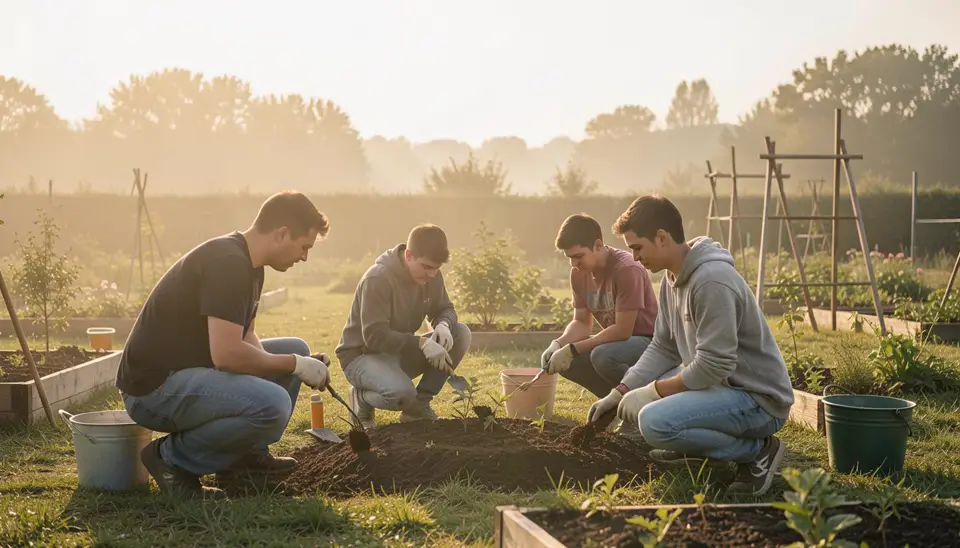
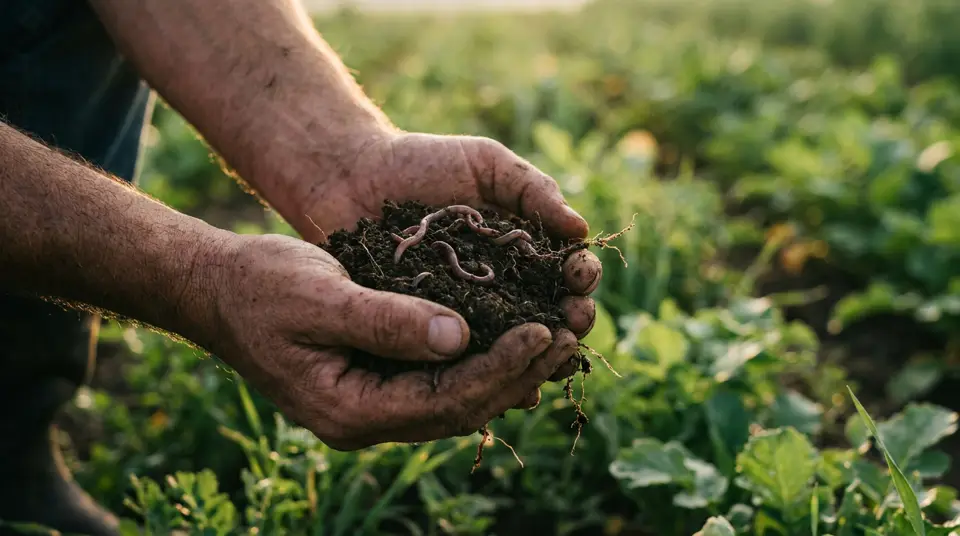
  • Compost the scraps: Turn peels, cores, and coffee grounds into nutrient-rich compost for your garden.
Article alimentaireUtilisation créative
Pain rassisTransform into croutons or breadcrumbs
Overripe fruitsBlend into smoothies or bake into muffins
Cheese rindsAdd flavor to soups or sauces

Eco-Friendly Choices: Navigating Packaging and Food Labels

Eco-Friendly Choices: Navigating packaging and Food Labels

Small steps, like rethinking packaging and examining food labels, can make a big difference in reducing environmental impact. Choosing emballage écologique involves looking beyond aesthetics to spot biodegradable, compostable, or recyclable materials. Glass jars,paper wraps,and reusable containers often outshine single-use plastics in sustainability. When purchasing items,keep an eye out for certifications like FSC (Forest Stewardship Council) ou BPI Compostable seals,which ensure responsible sourcing and disposal.

  • Opt for bulk purchases to minimize excessive packaging.
  • Support brands using post-consumer recycled materials.
  • Avoid packaging with mixed materials that are hard to recycle.

Decoding food labels is another critical skill for sustainable eating. look for terms like “organic,” “non-GMO,” and “locally sourced” to identify items with lower environmental footprints. Want to compare options at a glance? Here’s a quick cheat sheet:

ÉtiquetteImpact environnemental
OrganiqueMinimal pesticide and synthetic fertilizer use
Commerce équitableSupports ethical production practices
Neutre en carboneOffsets carbon emissions during production

By being more mindful about labels and packaging, we align our choices with a healthier planet, one meal at a time.

Savoring Sustainability: Simple Swaps for Everyday Meals

Savoring Sustainability: Simple Swaps for Everyday Meals

Embracing sustainable eating doesn’t have to mean a complete overhaul of your kitchen. By making small, intentional choices, you can weave sustainability into your everyday meals effortlessly. Begin by swapping out resource-heavy ingredients with eco-conscious alternatives. As a notable example:

  • Replace beef with lentils or mushrooms: These plant-based options are not only nutrient-rich but also have a empreinte carbone considérablement réduite.
  • Opt for local produce: Support nearby farmers and enjoy fresher fruits and vegetables while cutting down on transportation emissions.
  • Choose whole grains over processed alternatives: Quinoa and farro, such as, require less processing and pack a punch of nutrition.

to make these swaps accessible, here’s a quick comparison of the environmental benefits and flavor profiles:

Ingredient SwapImpact environnementalProfil de saveur
Beef → Lentils80% lower greenhouse gasesEarthy, mildly sweet
Imported Produce → Local ProduceReduced transport emissionsFresh, vibrant taste
White Rice → QuinoaPréserve les ressources en eaunutty, slightly crunchy

start small, savor the swaps, and gradually transform your plate into a celebration of sustainability!

Questions et réponses

Q&A: Greening the Plate – Embracing Sustainable Eating Habits

Q: What does “sustainable eating” actually mean?
A: Sustainable eating is all about making food choices that benefit both our health and the planet. it emphasizes consuming foods that are grown, harvested, and produced in ways that minimize environmental impact, support biodiversity, and reduce waste.Think of it as a win-win for you and Mother Earth!


Q : Pourquoi l'alimentation durable est-elle importante ?
A: The way we eat has a massive ripple effect on the environment. From deforestation to air and water pollution, food production is one of the largest contributors to climate change. By choosing sustainable options,like local produce or plant-based meals,we can significantly minimize greenhouse gas emissions,conserve resources,and promote more ethical food systems.


Q: Does sustainable eating mean going vegetarian or vegan?
A: Not necessarily! While plant-based diets are more sustainable as they require fewer resources to produce, sustainable eating isn’t one-size-fits-all. It’s about balance and making choices that align with your lifestyle. For example, you could start by incorporating more meat-free meals into your week or choosing sustainably sourced animal products, like free-range eggs or grass-fed meat. Every little step counts.


Q: What are some easy ways to incorporate sustainable eating habits into daily life?
A: Small habits go a long way! Here are a few ideas:

  • Buy seasonal,locally grown produce to reduce the environmental cost of transportation.
  • Plan your meals to minimize food waste.
  • Opt for reusable containers, utensils, and bags to cut down on single-use plastics.
  • Consider starting a compost bin for food scraps to reduce landfill waste.
  • Support brands that prioritize eco-friendly and ethical practices.

Q: Is sustainable eating more expensive?
A: Not always! While certain organic or specialty items may come with a higher price tag, sustainable eating doesn’t have to break the bank. For example, buying in-season produce or staples like grains and legumes can actually save money. Additionally, meal planning and reducing food waste are great ways to stretch your budget while eating sustainably.


Q: What role does food waste play in sustainability?
A: Food waste is a huge—yet frequently enough overlooked—problem. When food is wasted, all the resources that went into producing it, from water to energy, are wasted too. Not to mention, food waste in landfills produces methane, a puissant gaz à effet de serre. by meal prepping, storing food properly, and getting creative with leftovers, you can make a big difference.


Q: Can sustainable eating still be tasty?
A: Absolutely! In fact, sustainable eating often encourages us to explore a wider variety of foods—like heirloom vegetables, lesser-known grains, or plant-based proteins—which can lead to new and exciting flavors. Plus, seasonal fruits and vegetables are often more flavorful because they’re harvested at peak ripeness. Who says sustainability can’t be delicious?


Q: How can someone new to sustainable eating get started?
A: Start small and build on your habits over time. You don’t need to overhaul your diet overnight. Begin by swapping one or two meals a week with plant-based options, choosing local produce, or cutting back on food packaged in plastic. The idea is to make gradual changes that feel achievable and enjoyable. Remember, sustainability is a journey, not a race.


Q: What if I love international foods that require ingredients from far away?
A: It’s all about balance. While supporting local and seasonal foods is ideal, enjoying international ingredients occasionally is okay, too. When possible,look for products that are Fair Trade or sustainably sourced. Moderation is key—it’s perfectly fine to indulge in your love for global flavors while being mindful of your choices overall.


Q: Are there any resources to help me learn more about sustainable eating?
A: Definitely! There are plenty of online guides, cookbooks, and apps dedicated to sustainable cooking and eating. Websites like the United Nations’ Sustainable Advancement Goals or organizations like the World Resources Institute offer valuable information. You might also find inspiration from documentaries like Alimentation, Inc. ou the biggest Little Farm.


Q: What’s one takeaway message about sustainable eating?
A: Creating a more sustainable plate is about progress,not perfection.Every conscious choice you make—whether it’s trying a plant-based meal, cutting back on food waste, or supporting local farmers—helps pave the way for a healthier planet. Embrace the journey, and don’t underestimate the power of small actions!

En résumé

As we navigate the evolving landscape of our global food system, embracing sustainable eating habits offers not just a path to a healthier planet, but also a deeper connection to the food on our plates. Every mindful meal, every local ingredient, every plant-based choice is a seed planted for a better tomorrow. The journey toward sustainability is not about perfection but progress—tiny, conscious decisions that ripple outward, nourishing both ourselves and the world we call home.So, as you sit down for your next meal, ask yourself: how can my plate reflect the change I wish to see? After all, the future of our planet might just begin with what’s on our forks today.