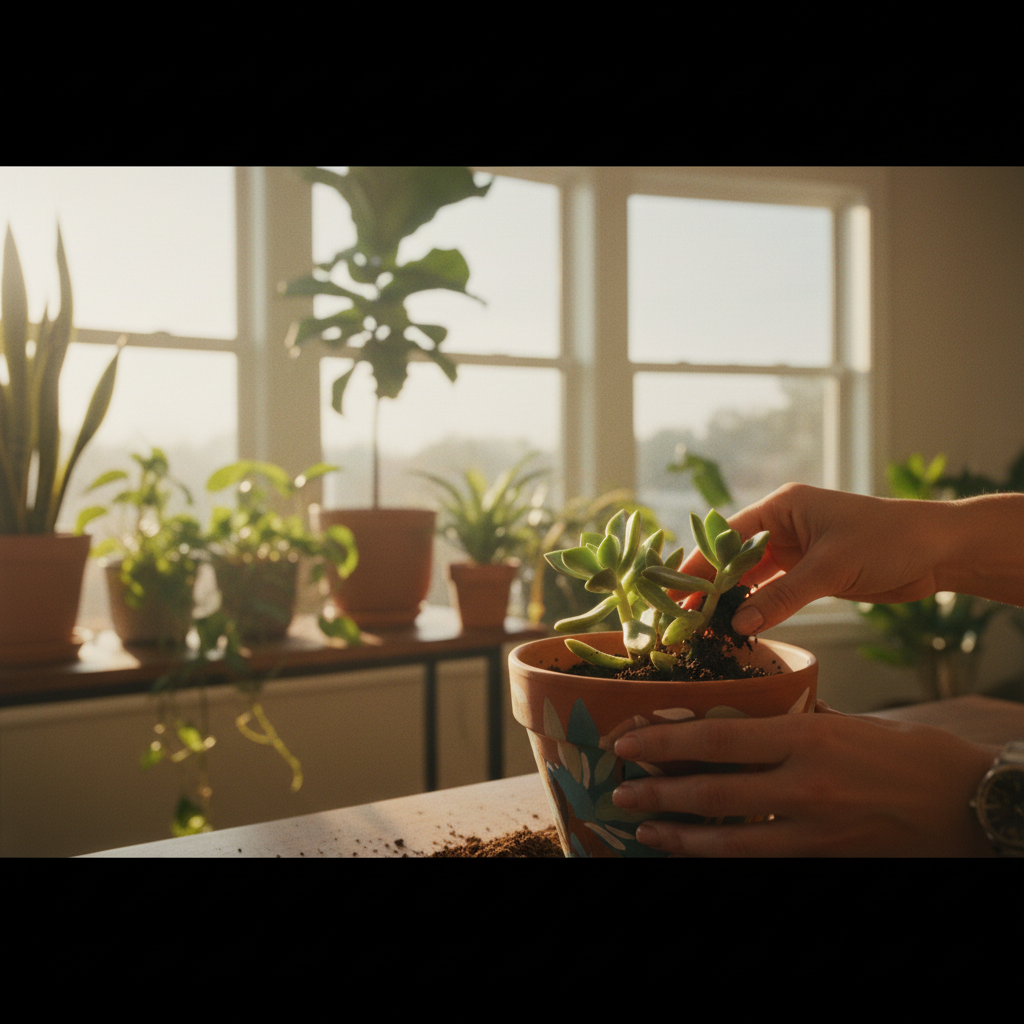
Overcoming disordered eating is a journey that requires mindfulness, patience, and positive outlets. Adopting eco-friendly hobbies can support this journey by promoting mental well-being, providing a sense of purpose, and creating positive distractions. Here's a roadmap to help you explore sustainable and engaging hobbies that can aid in your recovery.
Recovery from disordered eating is a complex and personal journey, and what works for one person may not work for another. However, many people find that engaging in positive and sustainable activities can support their mental health and overall well-being.
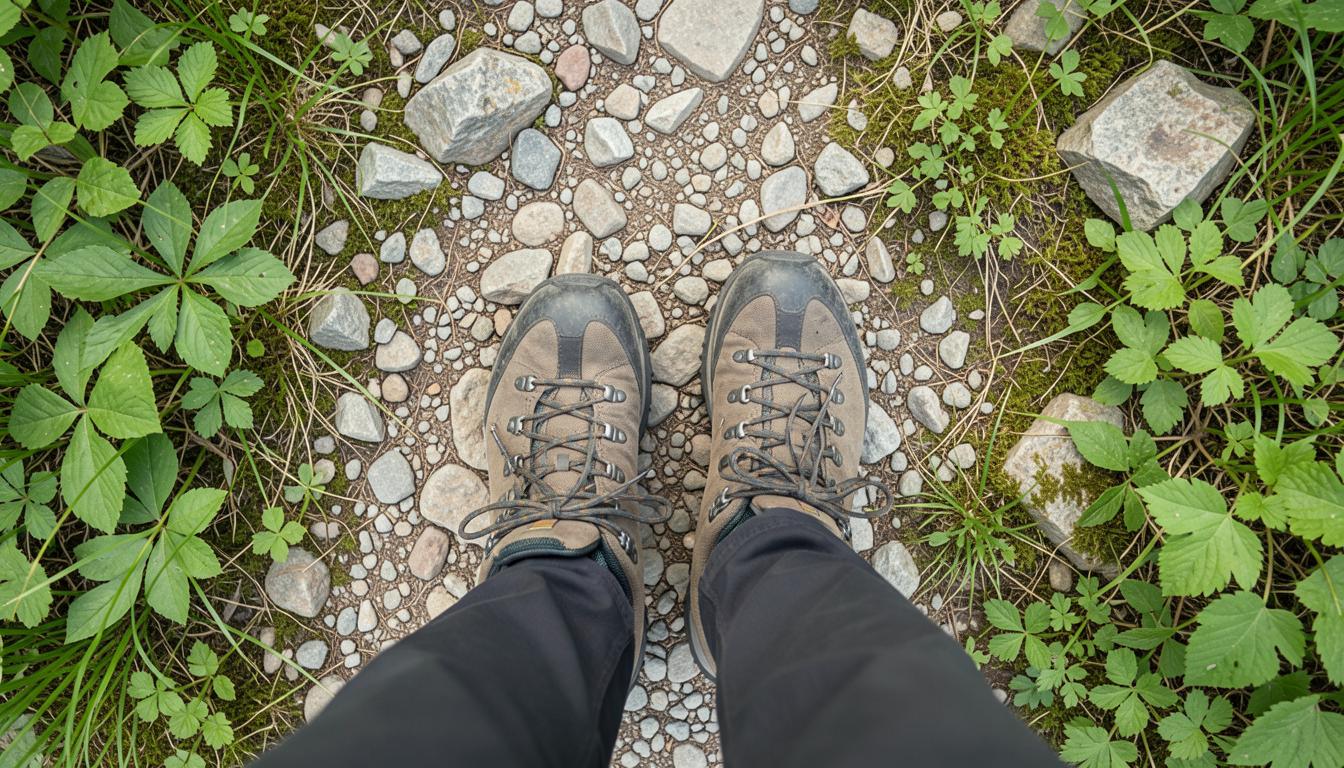
Why eco-friendly hobbies?
Eco-friendly hobbies offer numerous benefits, including stress relief, improved mood, and a sense of accomplishment. They also promote environmental sustainability and connect you with like-minded individuals. According to a study by the University of Essex, engaging in outdoor activities can improve mood and self-esteem (University of Essex, 2011).
How to start eco-friendly hobbies
Starting a new hobby can feel daunting, but here are some tips to make the process easier.
How to start eco-friendly hobbies
- 1
Identify your interests
Consider your values, skills, and the activities you enjoy. This will help you find a hobby that aligns with your passions and priorities.
- 2
Start small
Begin with simple, manageable activities. As you build confidence and skill, you can gradually take on more complex projects.
- 3
Seek support
Connect with professionals, peers, or online communities for guidance, encouragement, and accountability.
- 4
Be patient
Change takes time, and it's essential to celebrate small victories along the way. Don't rush your progress or expect perfection.
| Hobby | Environmental Impact | Mental Health Benefits |
|---|---|---|
| Urban gardening | Reduces carbon footprint, promotes biodiversity | Improves mood, reduces stress |
| Bike riding | Reduces emissions, promotes active transport | Improves cardiovascular health, boosts mood |
| Zero-waste crafting | Reduces waste, promotes resource conservation | Encourages creativity, improves focus |
| Forest bathing | Promotes ecosystem conservation, reduces carbon footprint | Improves mood, reduces stress |
Growth in eco-friendly hobbies participation (2015-2025)
Tips for success
Here are some additional tips to help you make the most of your eco-friendly hobbies:
“Gardening has been a lifeline for me during my recovery. It's given me a sense of purpose and connected me with something bigger than myself.”
Frequently asked questions
Frequently asked questions
How can I stay motivated to stick with my eco-friendly hobby?+
Celebrate small victories, connect with others, and make adjustments as needed. Remember that consistency is more important than perfection.
What if I don't have much time or money to invest in an eco-friendly hobby?+
Start with low-cost, low-time activities like urban foraging, window sill gardening, or DIY crafting. Many eco-friendly hobbies require minimal resources.
How can I ensure my eco-friendly hobby is truly sustainable?+
Research best practices, consider the environmental impact of materials and processes, and be open to learning and adapting your approach.