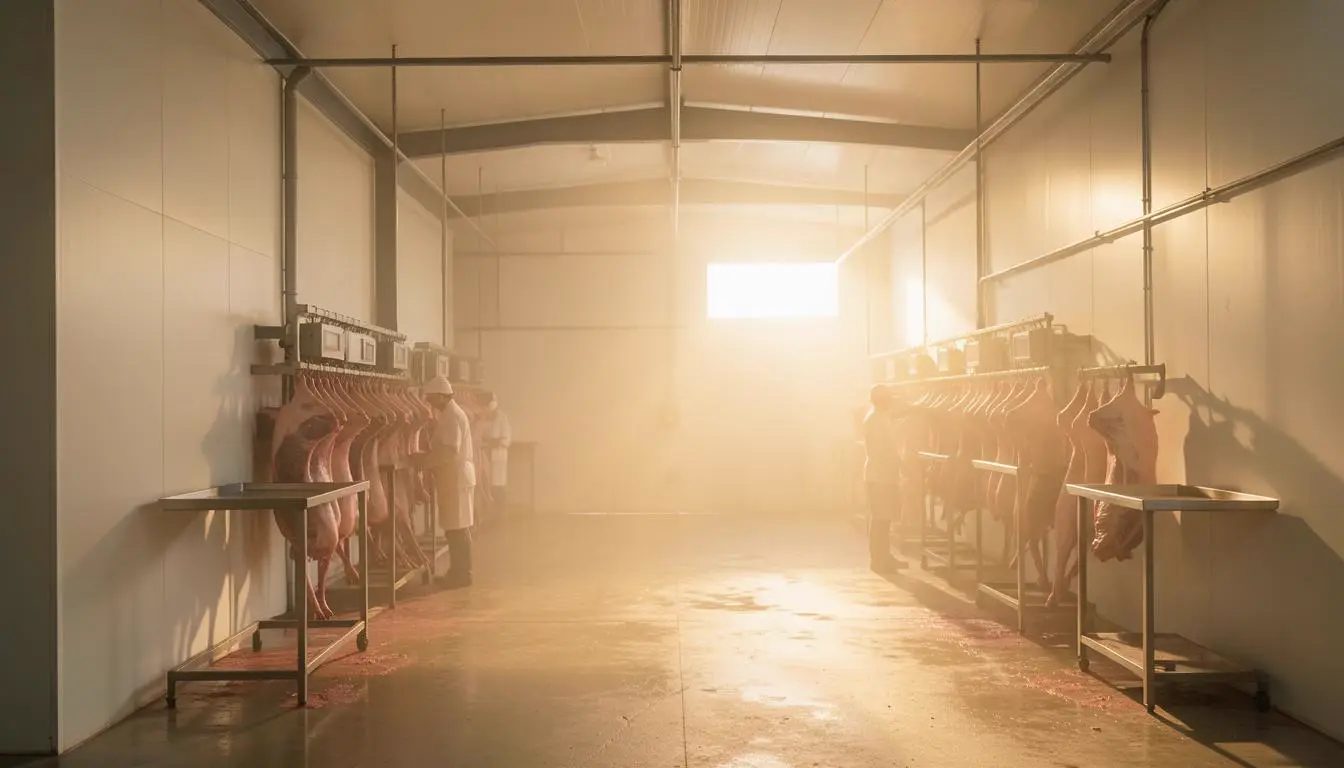
Live export, the practice of transporting animals overseas for slaughter, has long been a contentious issue. Critics argue it leads to severe animal suffering, yet proponents insist it's a necessary part of the global food chain. This article cuts through the rhetoric and examines the evidence, exploring the myths and facts surrounding live export's impact on animal welfare.
The long, arduous journey
Live export journeys can last weeks, with animals often traveling thousands of kilometers by sea. This causes significant stress and exhaustion, with studies showing increased heart rates, cortisol levels, and immune system suppression (EFSA, 2009).
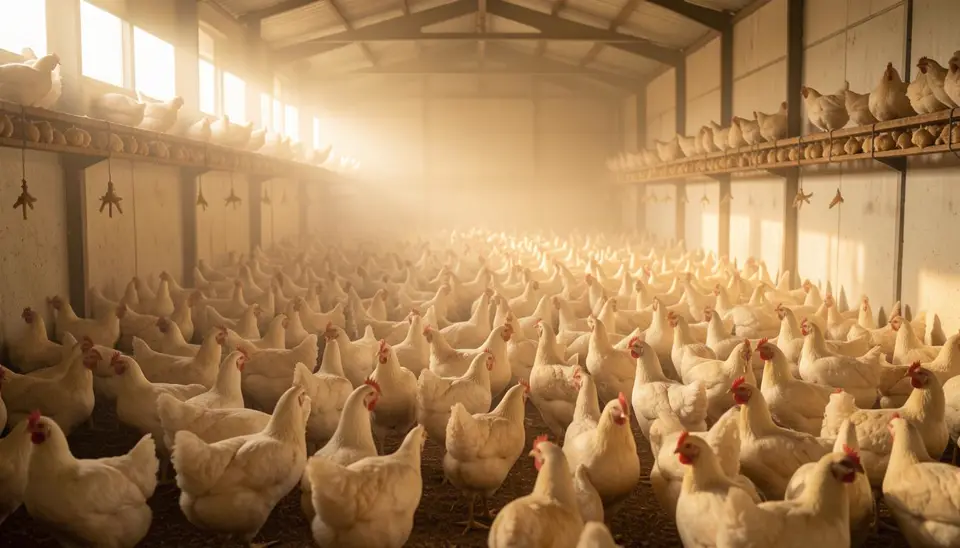
Duration of live export journeys
Overcrowding, hunger, and thirst
Overcrowding on ships can lead to severe animal suffering. In 2019, Australian sheep exported to the Middle East endured temperatures up to 46°C, with many dying or needing to be euthanized (ABC News, 2019). Lack of food and water can also cause dehydration, emaciation, and death (RSPCA Australia, 2021).
| Animal | Mortality Rate (%) |
|---|---|
| Cattle | 0.83 |
| Sheep | 0.57 |
| Goats | 0.49 |
“"The suffering of animals on live export ships is unacceptable and unnecessary. We can and must do better." - Dr. Emily Beasley, Animal Welfare Scientist, University of Sydney”
Regulations and enforcement
Regulations can mitigate but not eliminate welfare issues. The International Organization for Animal Health (OIE) sets guidelines, but enforcement varies widely (OIE, 2022).
Driving factors and alternatives
Consumer demand for cheap meat drives live export. But alternatives like local processing and plant-based foods can reduce live export's impact. Transitioning to more sustainable farming practices could also help (FAO, 2021).
Frequently asked questions
Isn't live export necessary for global food security?+
While it provides cheap meat, live export is not essential for global food security. Local processing and plant-based foods can meet nutritional needs without causing animal suffering.
How can consumers make a difference?+
Supporting local, sustainable farming, choosing plant-based foods, and advocating for stronger animal welfare laws can all help reduce live export's impact.