5 erros na defesa da personalidade jurídica de grandes primatas: o que mudou em 2024
Uma atualização sobre os casos de personalidade jurídica de grandes primatas em 2024, destacando os erros estratégicos que enfraquecem o movimento.
4 min de leitura
A pecuária industrial produz a esmagadora maioria da carne, laticínios e ovos consumidos no mundo. Este hub reúne nossas reportagens sobre como funcionam os sistemas de confinamento, os custos de bem-estar e saúde pública que geram, e as reformas e alternativas que estão sendo testadas.
Este artigo explora como as CAFOs (Operações de Alimentação Animal Confinada) se concentram em comunidades de baixa renda e BIPOC, e o custo oculto para estudantes universitários.
Por Dr. Eliseu Martins · 4 min de leitura
Uma atualização sobre os casos de personalidade jurídica de grandes primatas em 2024, destacando os erros estratégicos que enfraquecem o movimento.
4 min de leitura
Uma análise classificada dos efeitos da exportação de animais vivos sobre a justiça ambiental na África do Sul, revelando as comunidades mais afetadas e as alternativas éticas.
4 min de leitura
Unveiling the hidden risks of duck down plucking and its link to antibiotic resistance, highlighting the need for corporate accountability and regulation.
4 min de leitura
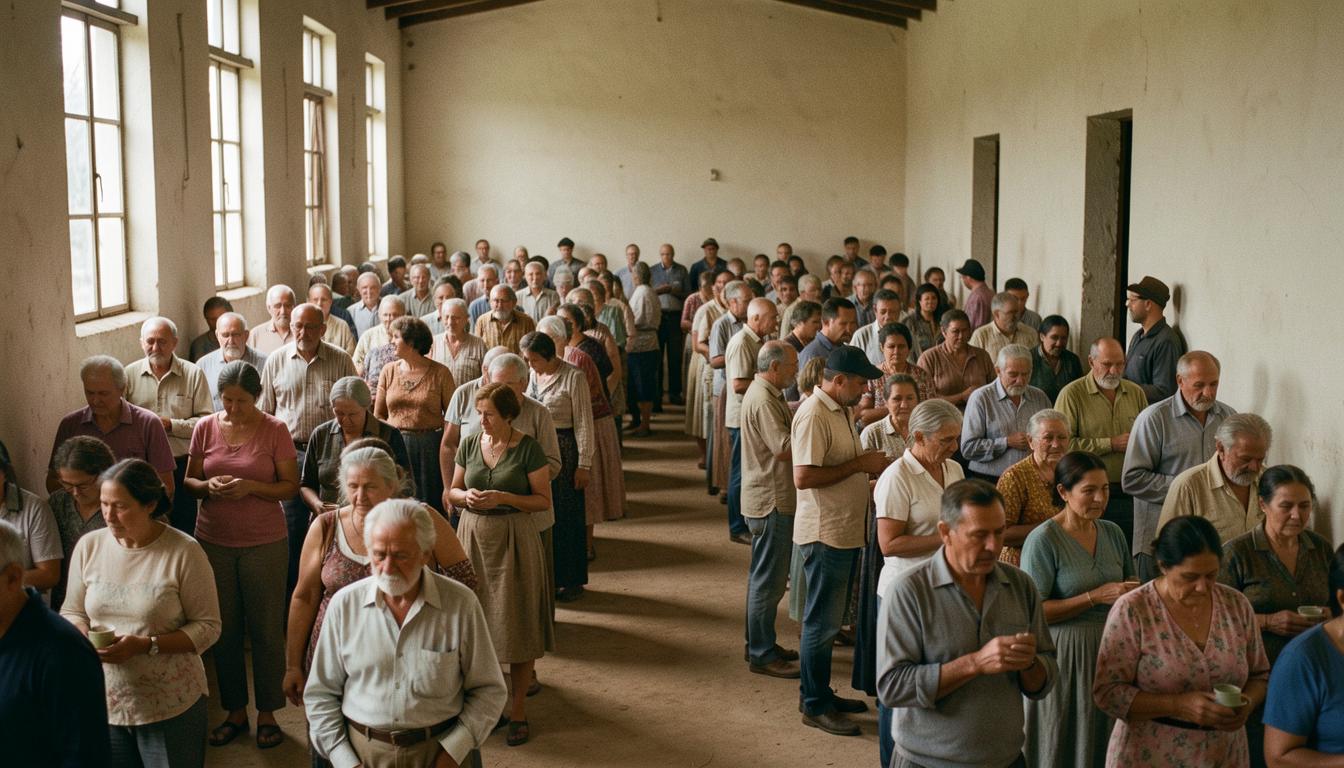
Análise aprofundada dos vãos regulatórios que permitem práticas cruéis nas linhas de abate de frangos de corte, com dados de 2015-2025.
4 min de leitura
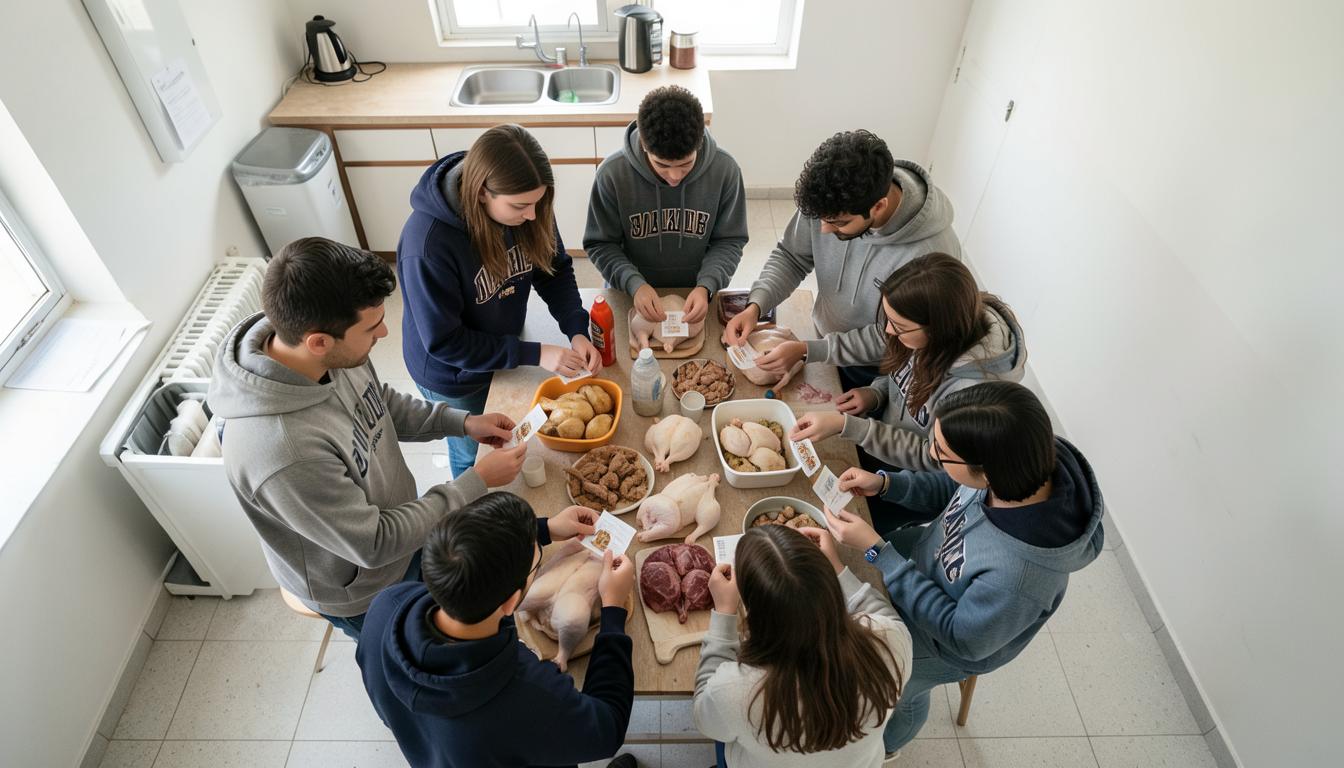
Como o destino de animais abatidos afeta o meio ambiente e a justiça social? Uma análise detalhada do impacto em orçamentos limitados.
4 min de leitura
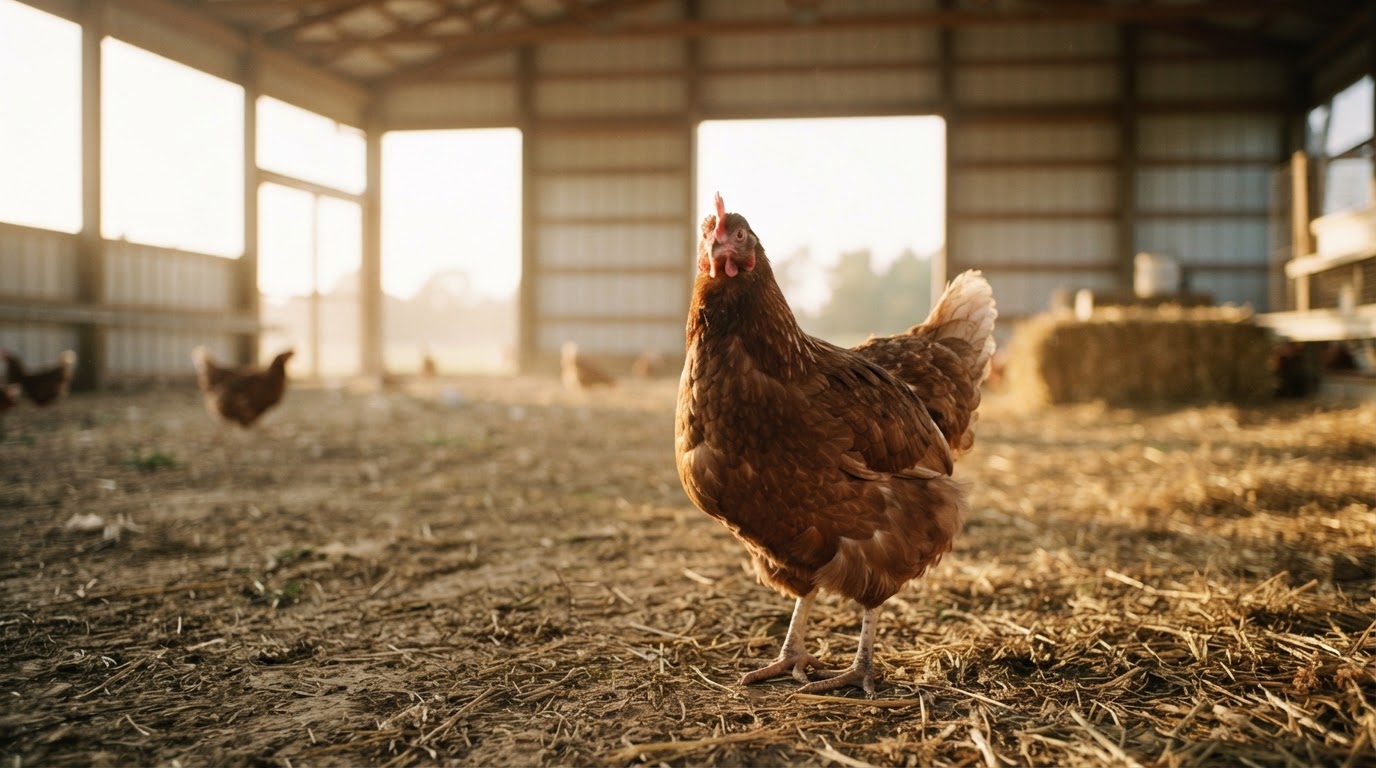
Separating fact from fiction: a comprehensive debunking of battery cage myths for renters, with evidence-led insights into animal welfare and renting rights.
4 min de leitura
A produção de frangos com genética de crescimento rápido é uma realidade global, mas quem é responsabilizado pela qualidade da carne e pela saúde animal e humana?
4 min de leitura
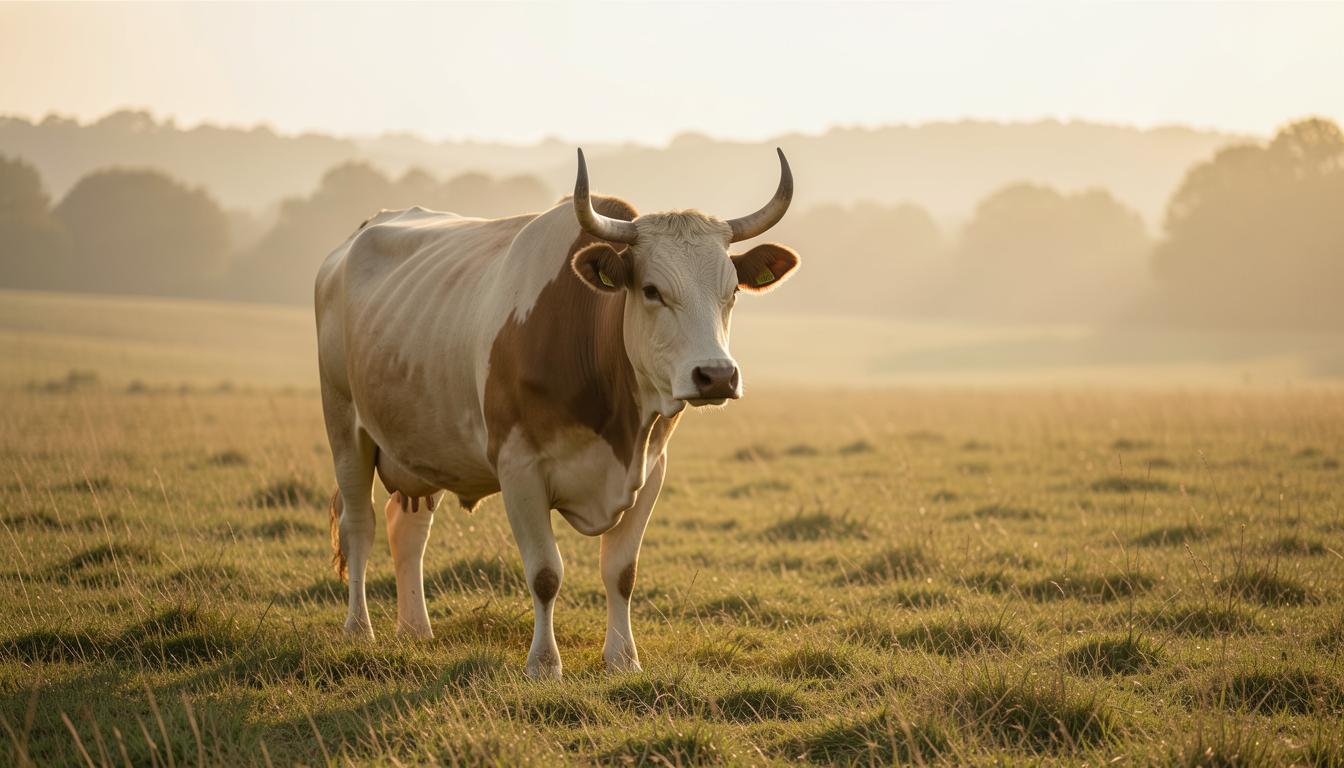
Discover how dehorning in the cattle industry can be approached ethically and responsibly, with a focus on policy reforms.
4 min de leitura
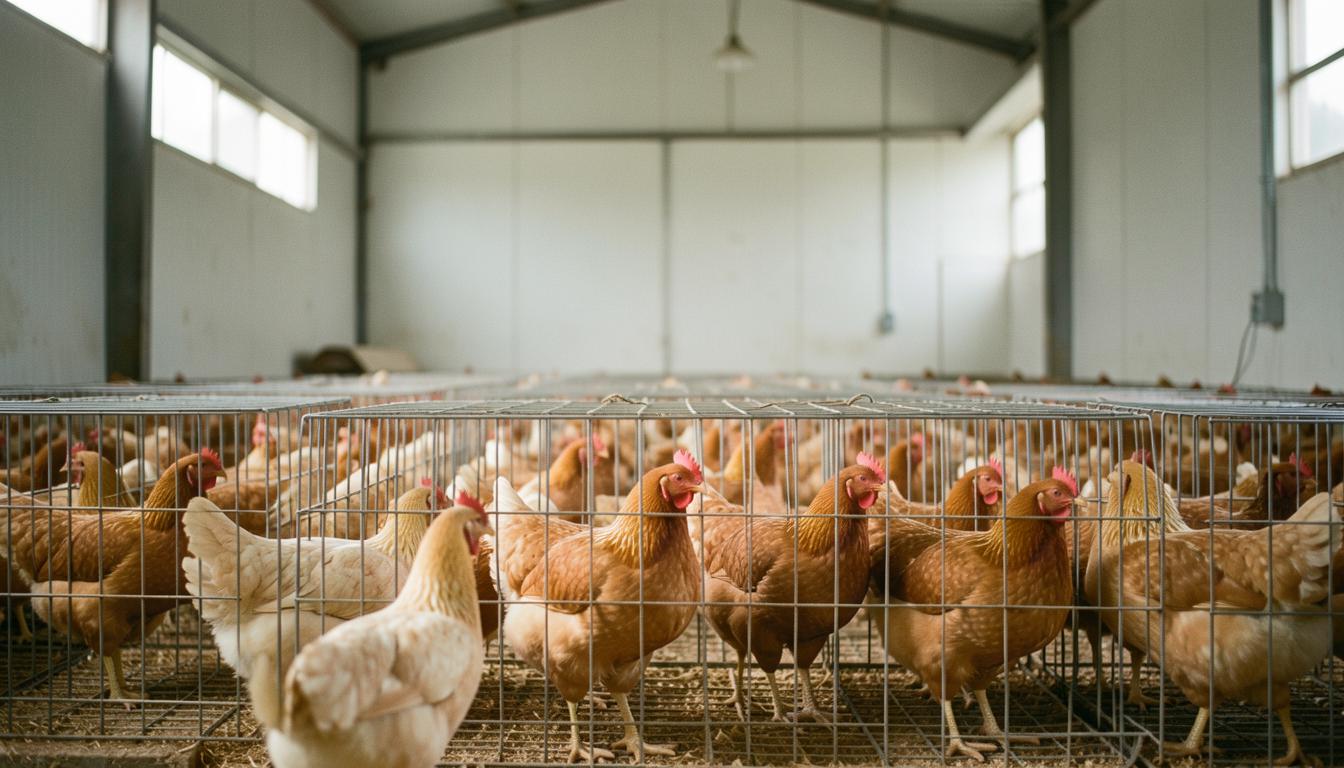
A genética de crescimento rápido em galinhas pode estar aumentando o risco de doenças zoonóticas, e o dinheiro pode estar influenciando essa tendência preocupante.
4 min de leitura
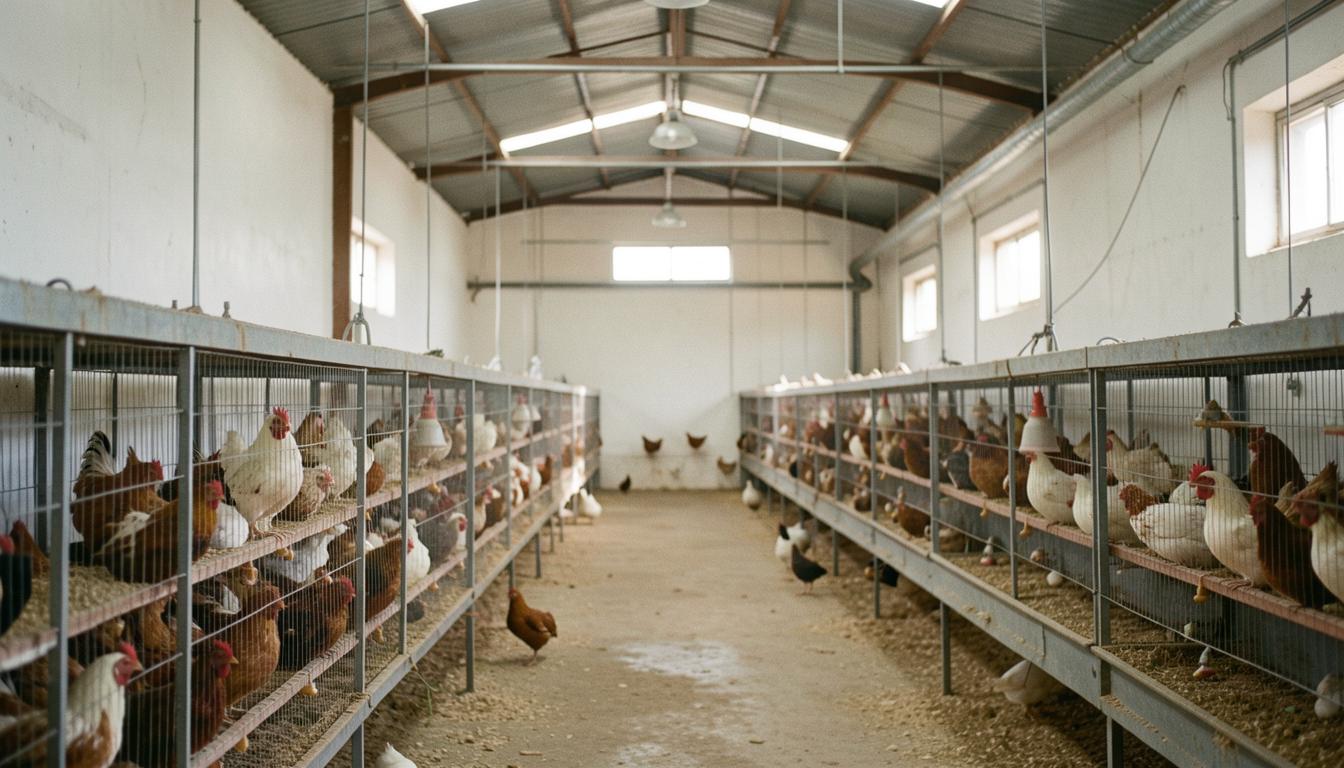
A ventilation shutdown, comum em granjas industriais, pode estar aumentando a resistência a antibióticos em animais, colocando em risco a saúde humana.
4 min de leitura
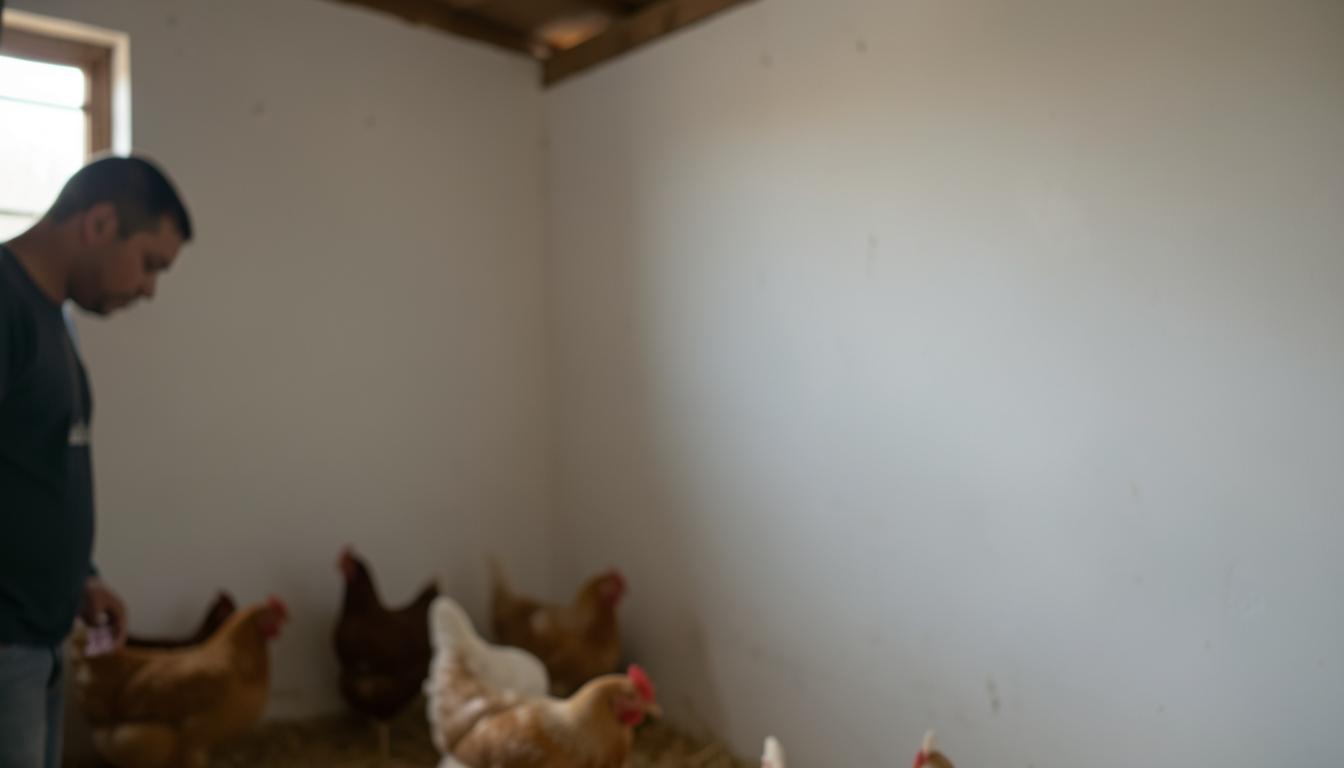
Descubra como os ativistas estão expondo os buracos legais que permitem a superlotação de galinheiros em toda a América Latina.
4 min de leitura

As corridas de cavalo são uma tradição popular, mas as preocupações com a segurança e o bem-estar dos cavalos e dos jinetes estão sendo levantadas. Vamos analisar as provas e debater as implicações éticas.
4 min de leitura
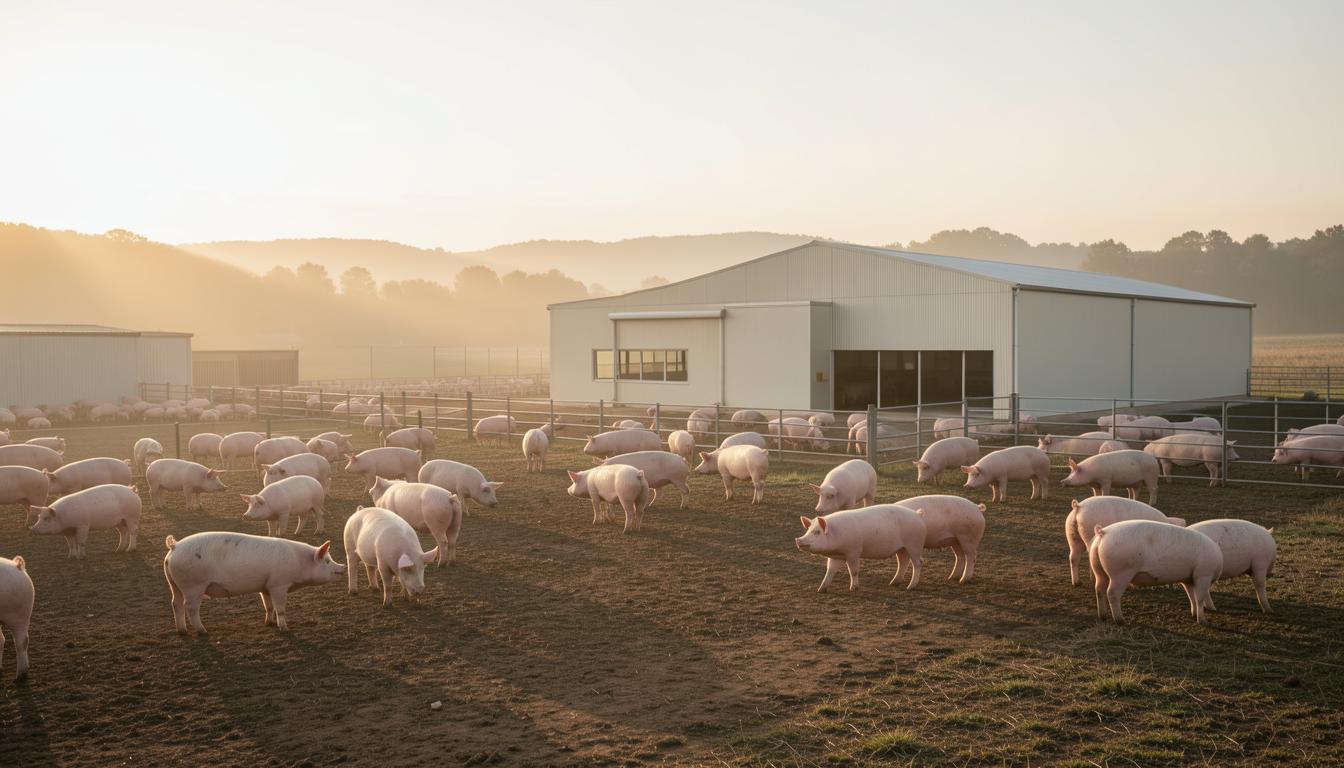
A pressão dos acionistas está forçando as empresas de processamento de carne a repensar a prática controversa da amputação da cauda dos porcos. O que isso significa para o futuro da indústria?
4 min de leitura

Como o trabalho nas granjas de frangos de corte afeta a saúde mental dos pais e como podemos abordar esse problema no Brasil
4 min de leitura
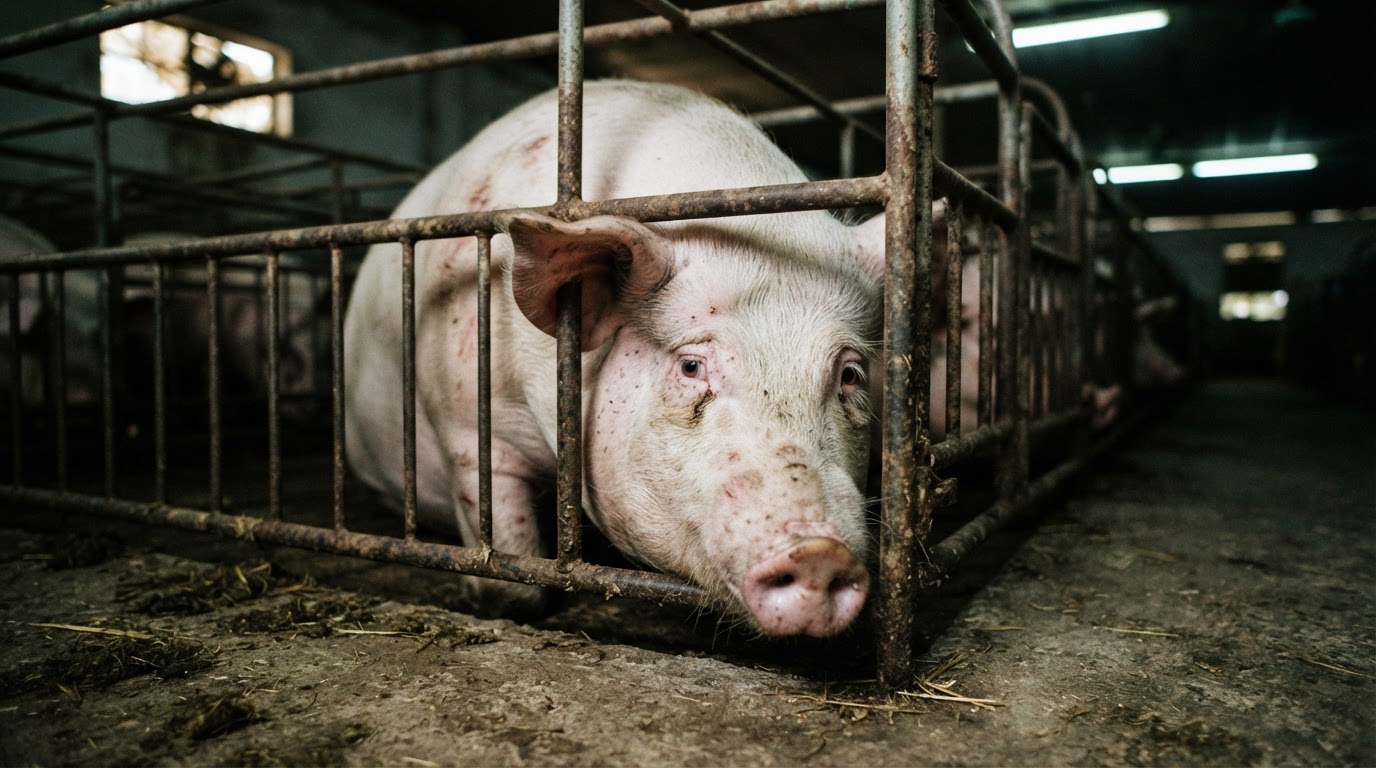
Entenda como a descorna de bezerros em pequenas propriedades rurais contribui para a resistência a antibióticos e por que a consolidação do setor força esses produtores a saírem do mercado.
4 min de leitura
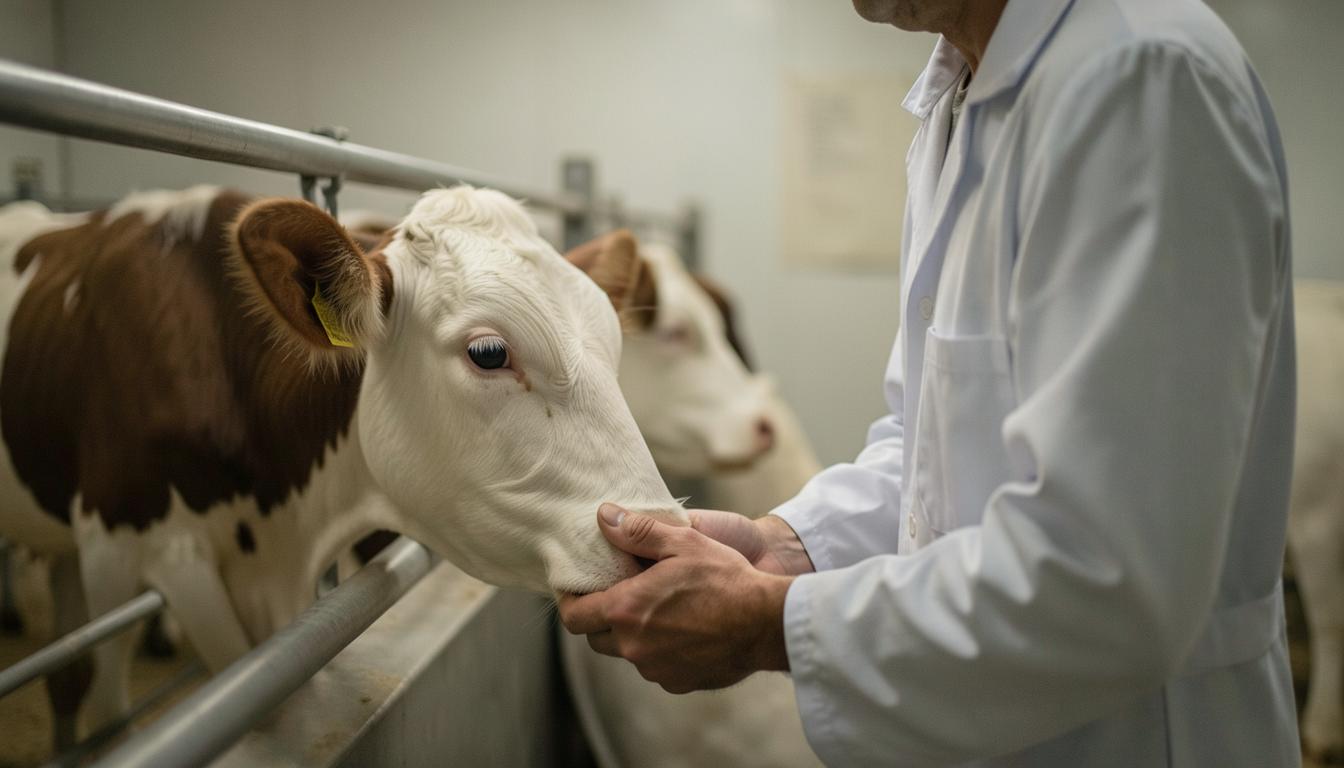
Uma cronologia da separação forçada de bezerros na indústria de laticínios e como essa prática alimenta a resistência a antibióticos, com implicações para quem vive em RVs e barcos.
4 min de leitura
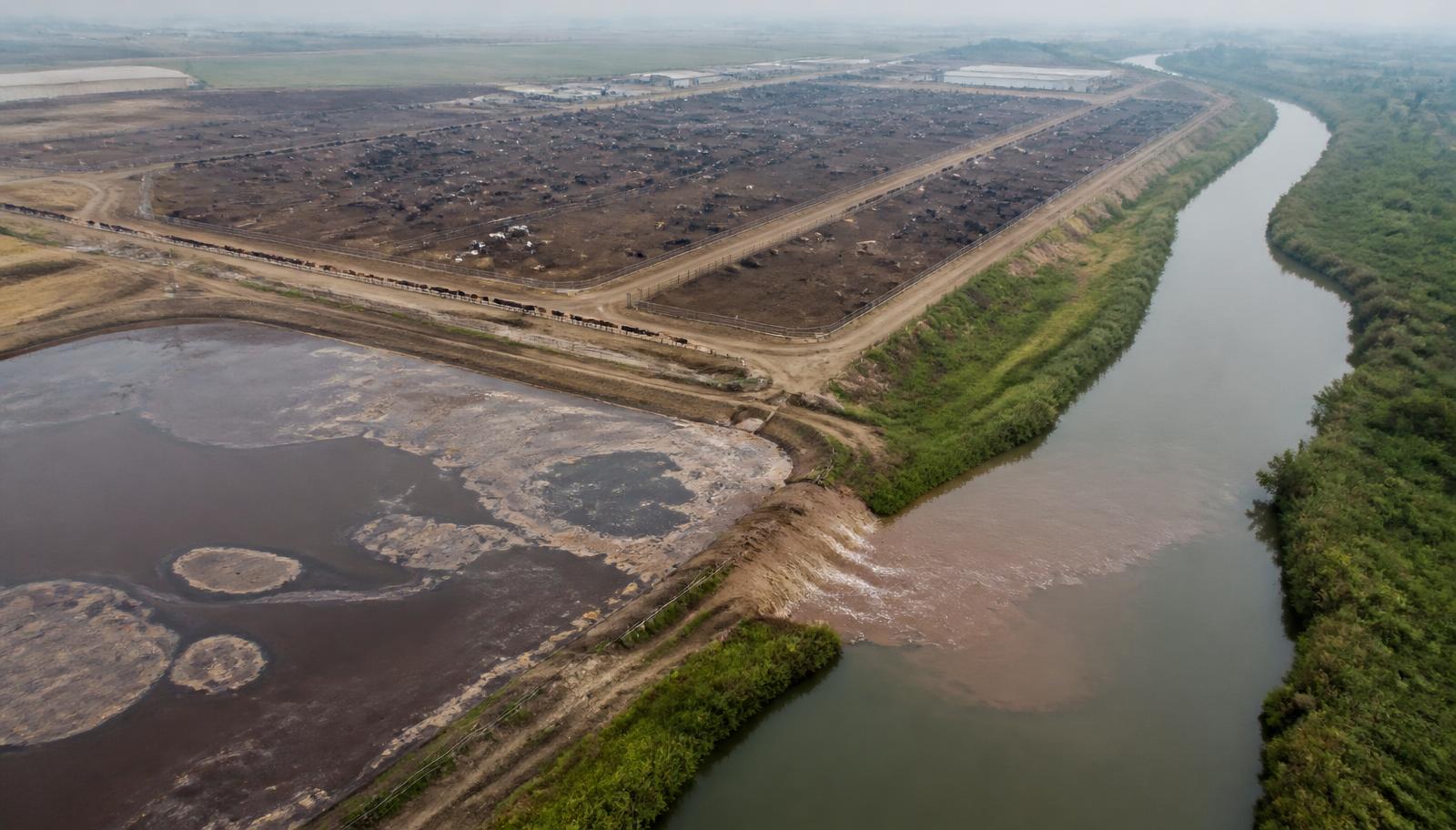
Uma análise equilibrada dos prós e contras do atordoamento por água eletrificada, a partir de evidências de investigações encobertas sobre o bem-estar animal na linha de abate em 2024.
4 min de leitura
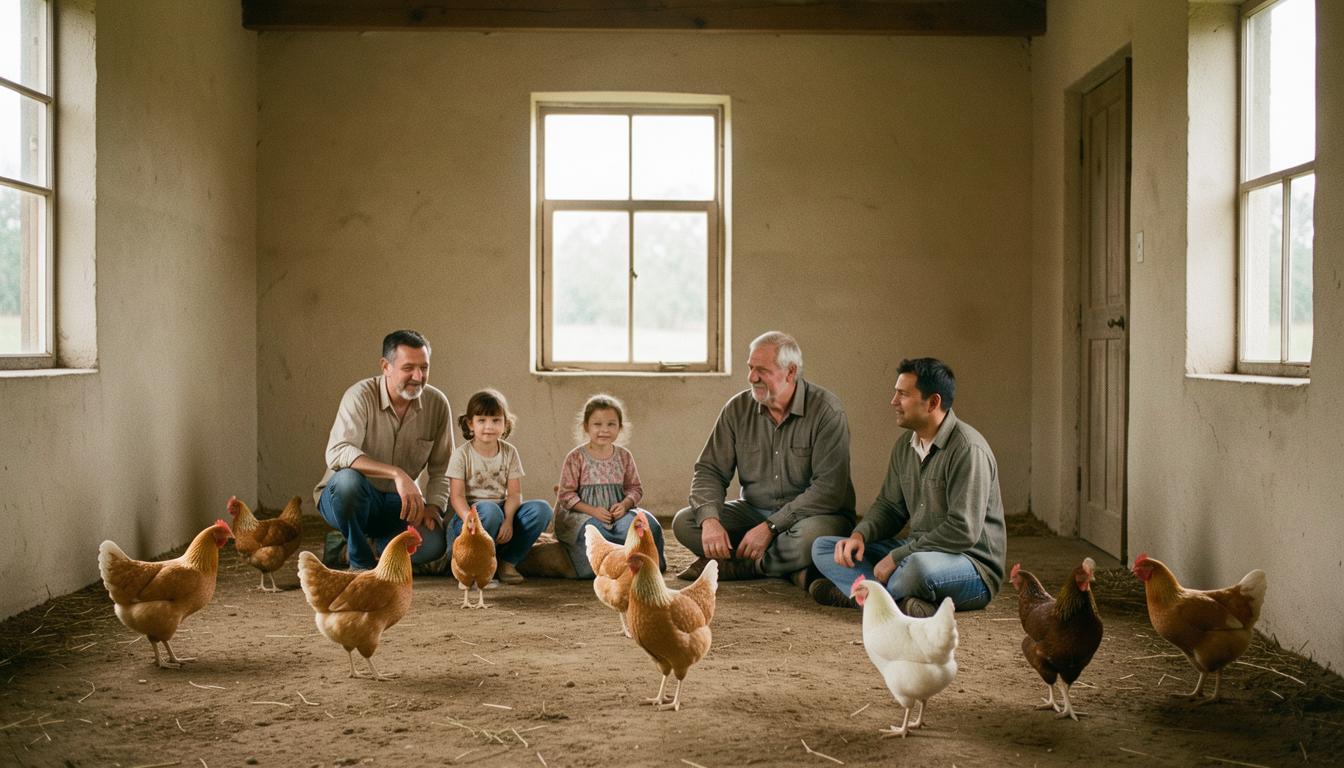
Descubra como abordar o assunto da densidade de galinhas de corte com crianças de diferentes idades, destacando a resistência a antibióticos e o bem-estar animal.
4 min de leitura
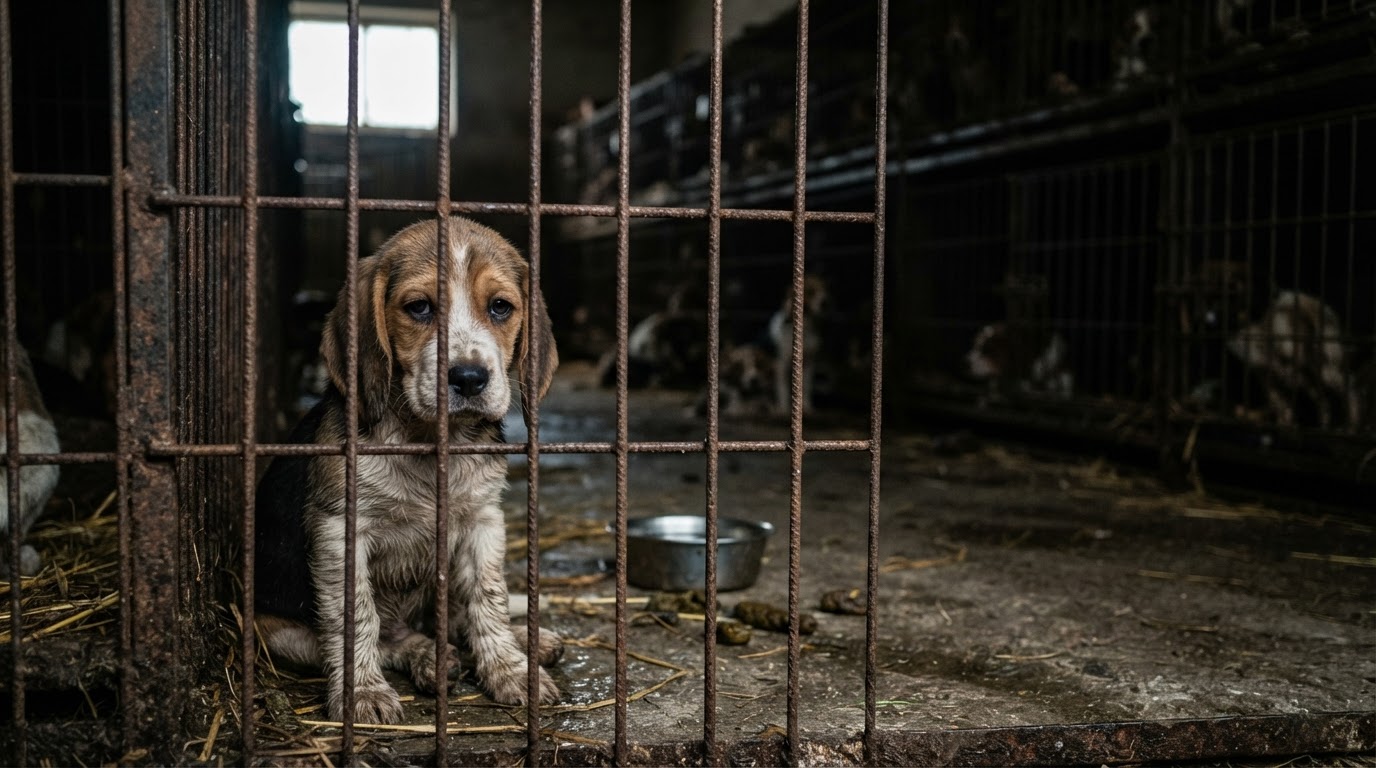
East Asian farmers are increasingly under scrutiny for their use of beak trimming in poultry. But what does the science say about the cognitive and emotional impact on birds?
4 min de leitura
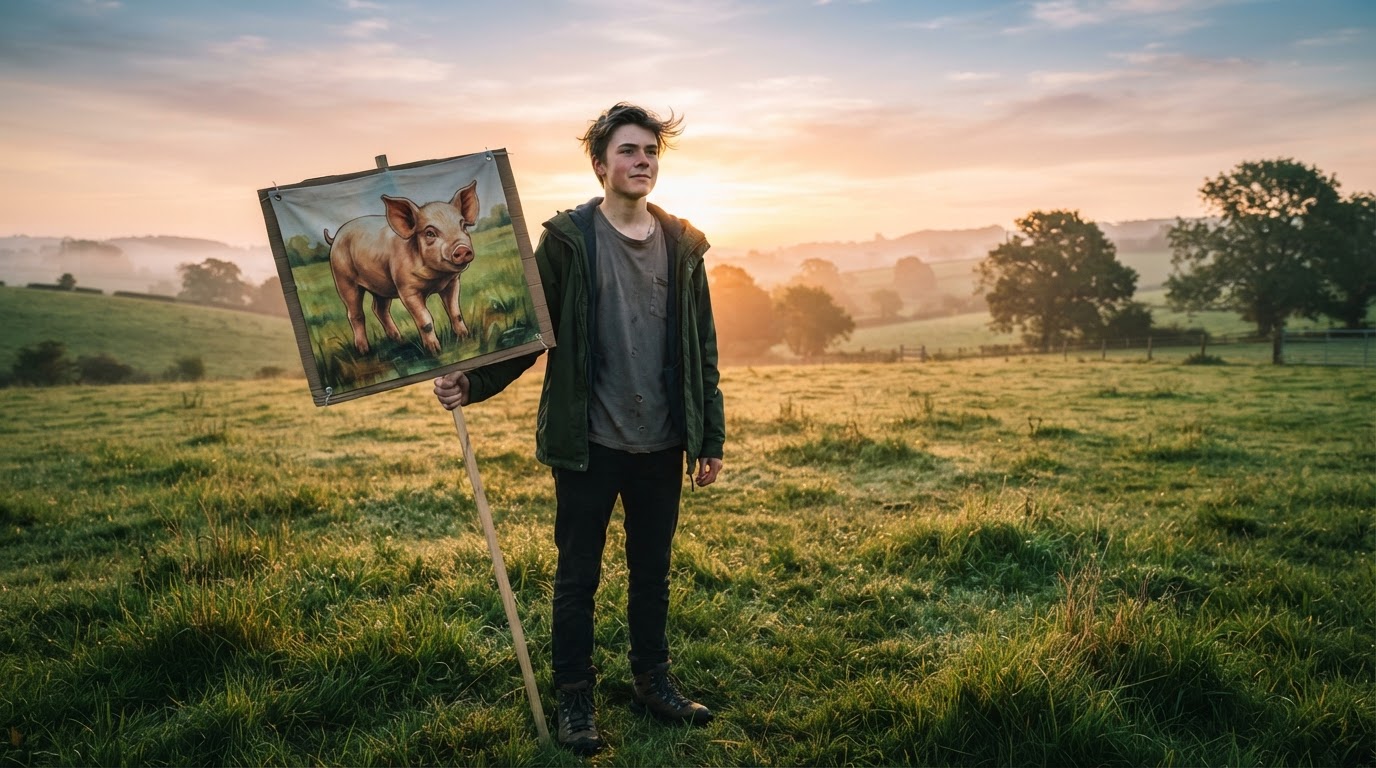
A prática de ter animais de estimação é uma fonte de alegria e companheirismo, mas também levanta questões éticas importantes no contexto latino-americano.
4 min de leitura
Descubra o verdadeiro custo da produção de enguia, incluindo subsídios, custos de saúde, impactos climáticos, bem-estar animal e condições de trabalho.
4 min de leitura
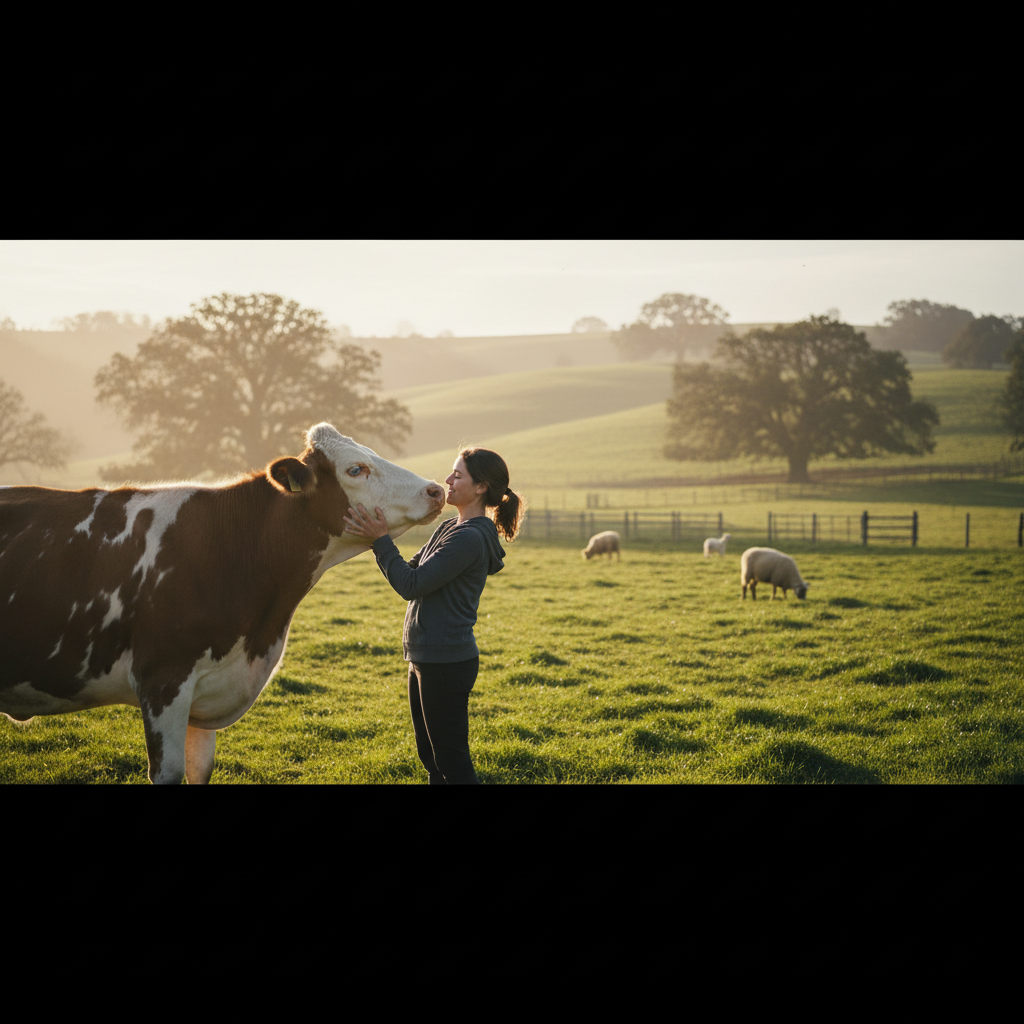
A prática da muda forçada, embora vista como economicamente vantajosa, levanta profundas questões éticas e de bem-estar animal, especialmente em santuários que resgatam aves na Europa Oriental.
4 min de leitura
Este artigo revisa a relevância do antiespecismo para atletas, explorando suas implicações éticas e nutricionais, e como essa filosofia pode otimizar o desempenho.
4 min de leitura
Este plano prático de 7 dias orienta pessoas sozinhas a escolher alternativas seguras e sustentáveis ao frango de crescimento rápido, reduzindo o risco de resistência a antibióticos.
4 min de leitura
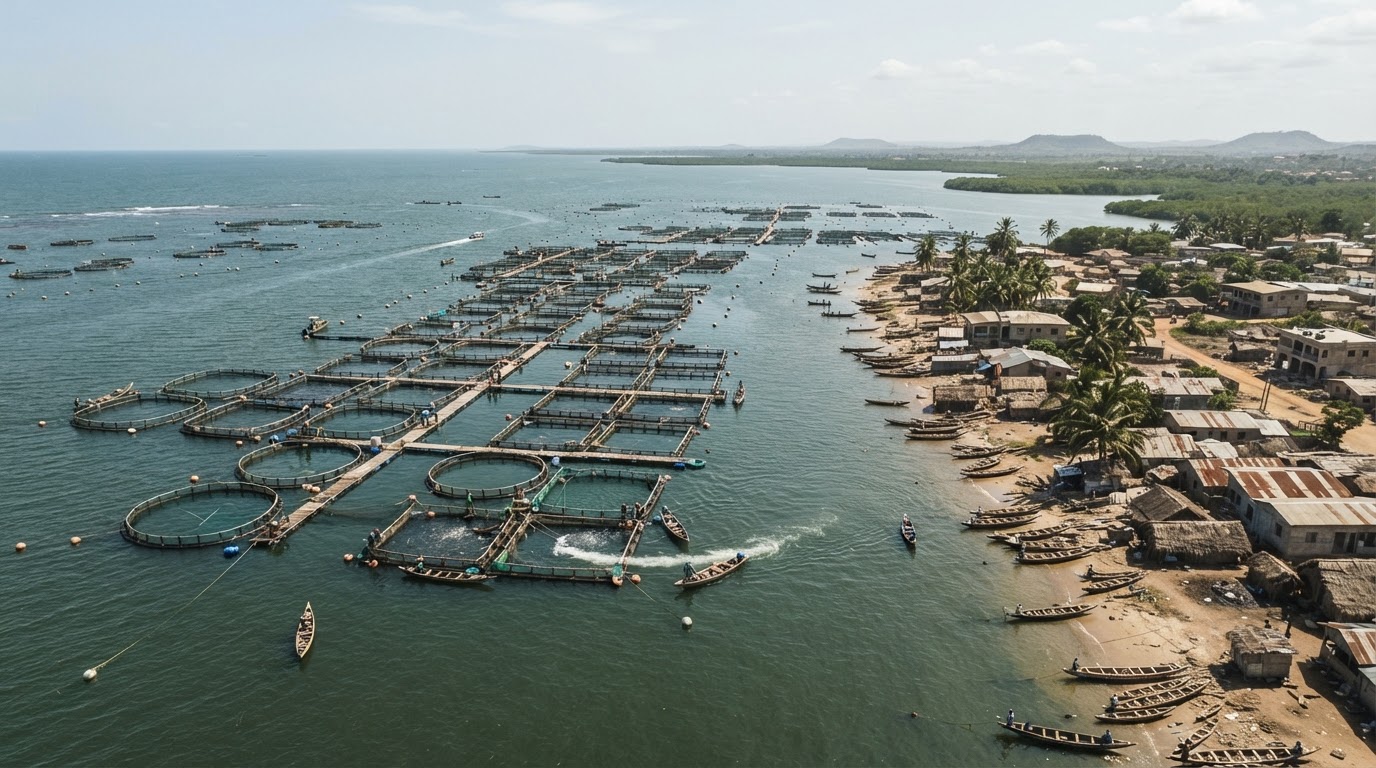
Investigamos a alegação sobre o uso de antibióticos na aquicultura da África Ocidental versus medicina humana, revelando complexidades e riscos emergentes para a saúde pública.
4 min de leitura
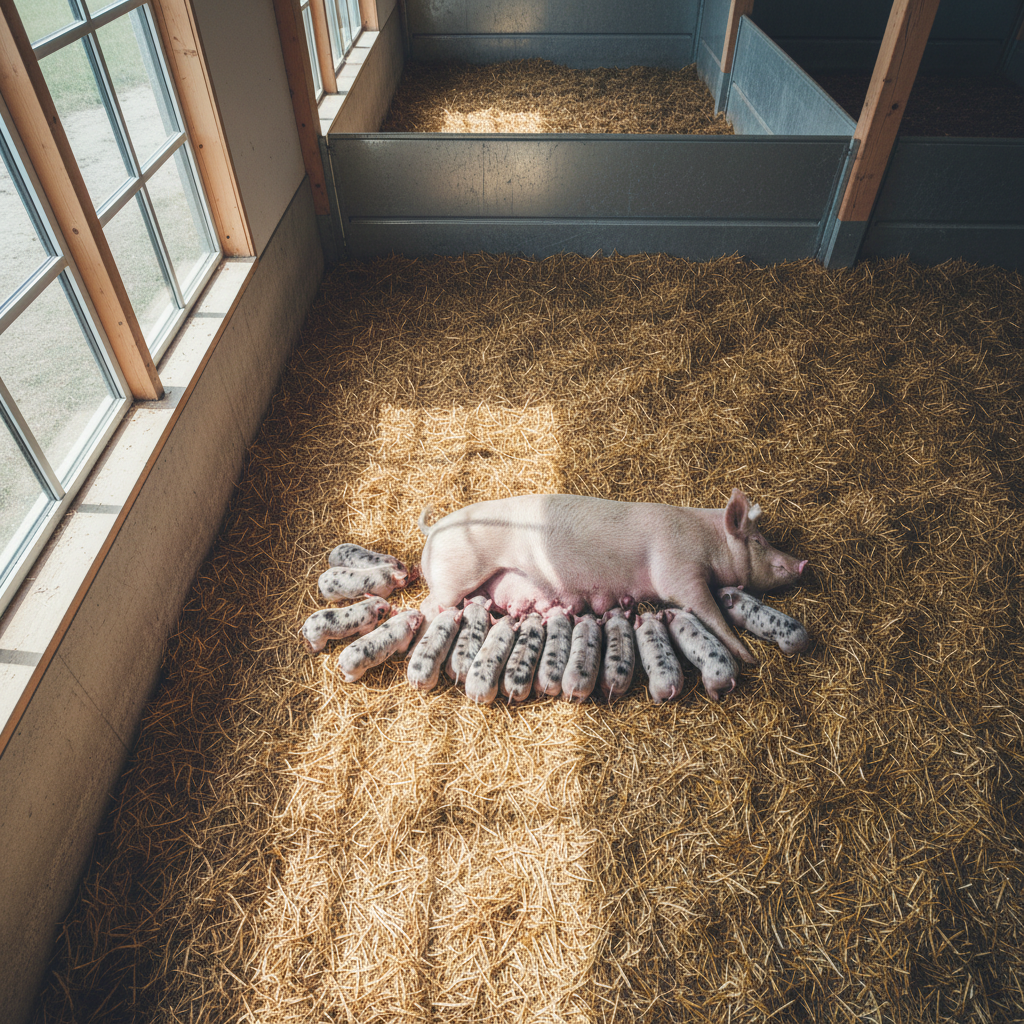
A compreensão das gaiolas de parição exige uma análise aprofundada dos subsídios agrícolas que perpetuam a sua utilização na suinocultura industrial.
4 min de leitura
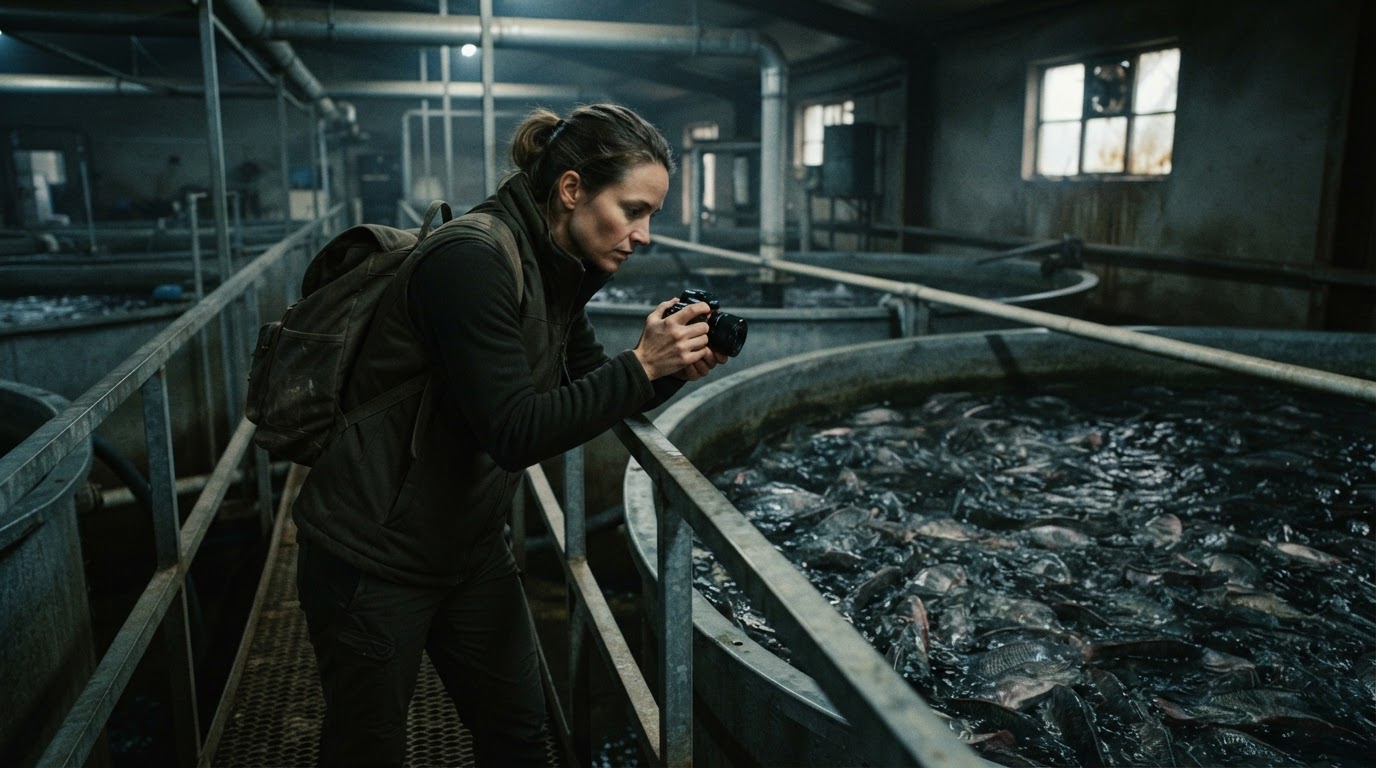
A repressão à liberdade de imprensa em instalações de aquicultura industrial compromete a transparência e a discussão pública sobre o bem-estar dos peixes.
4 min de leitura
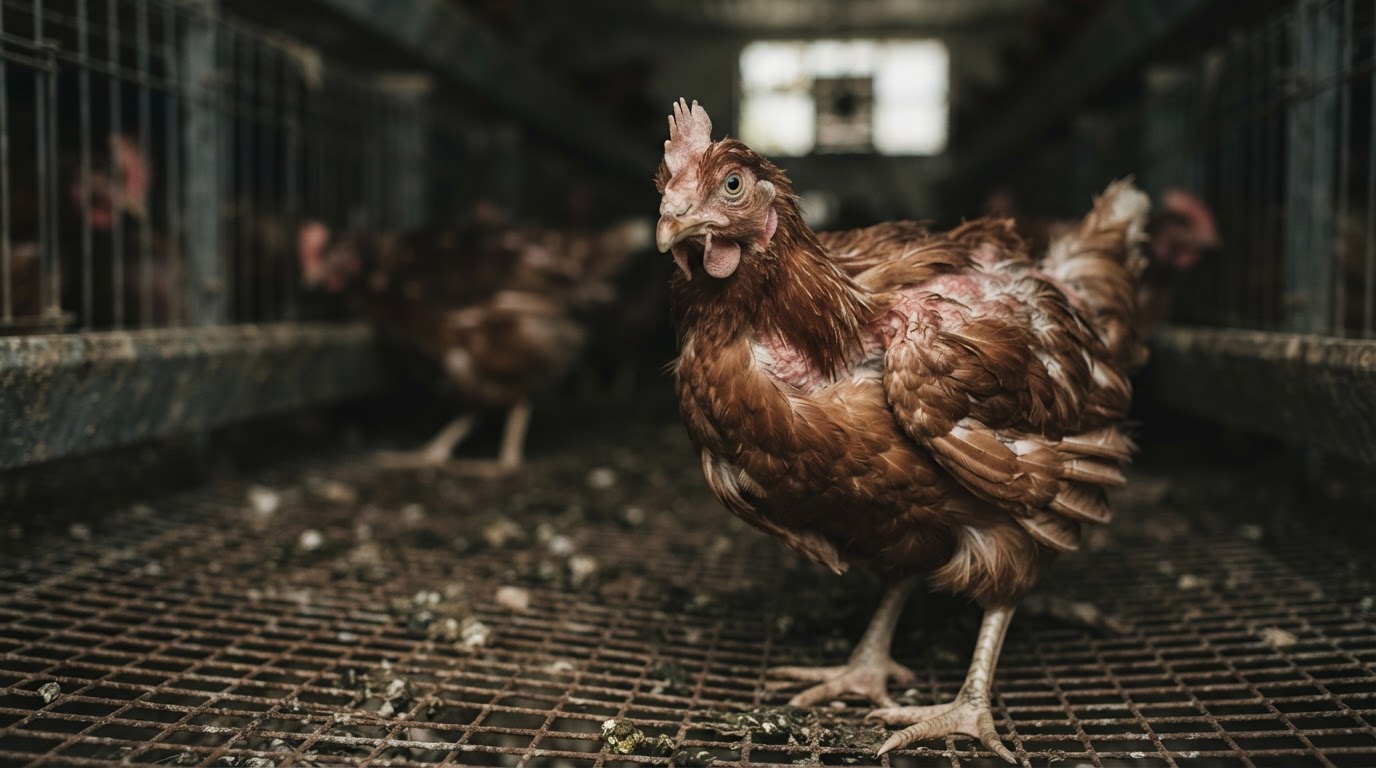
A muda forçada em aves poedeiras representa crueldade oculta na produção de ovos, com implicações significativas que podem afetar pessoas em recuperação de transtornos alimentares.
4 min de leitura
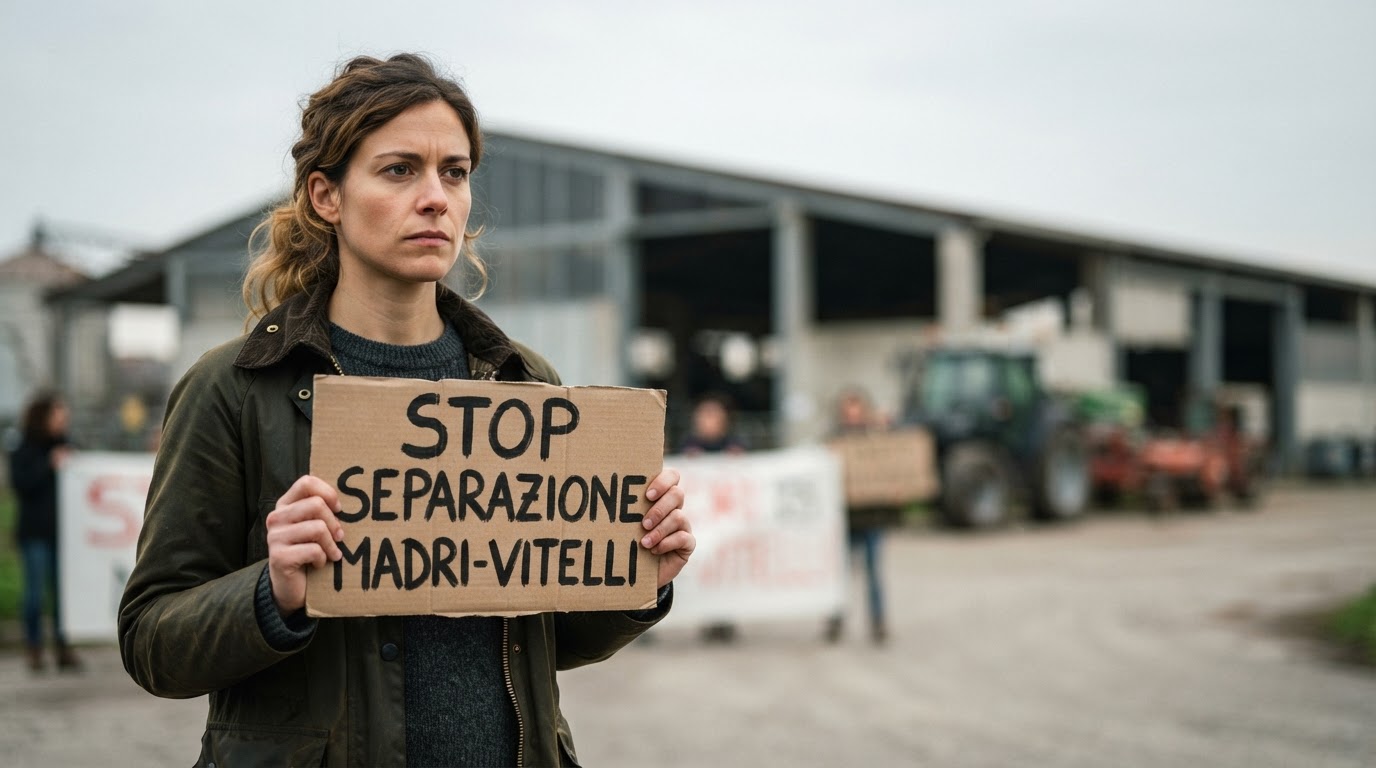
Uma análise de 'follow-the-money' desvenda os incentivos financeiros por trás do uso persistente de gaiolas de parição, contestando as justificativas da indústria.
4 min de leitura

Este plano acionável passo a passo oferece um roteiro para a reconfiguração de fazendas industriais com baias de parição, visando o bem-estar animal e a recuperação de terras.
4 min de leitura

Este guia essencial aborda a densidade de frangos de corte, subsídios e o lobby da indústria para mães grávidas e recentes, focando na saúde e escolhas éticas.
4 min de leitura
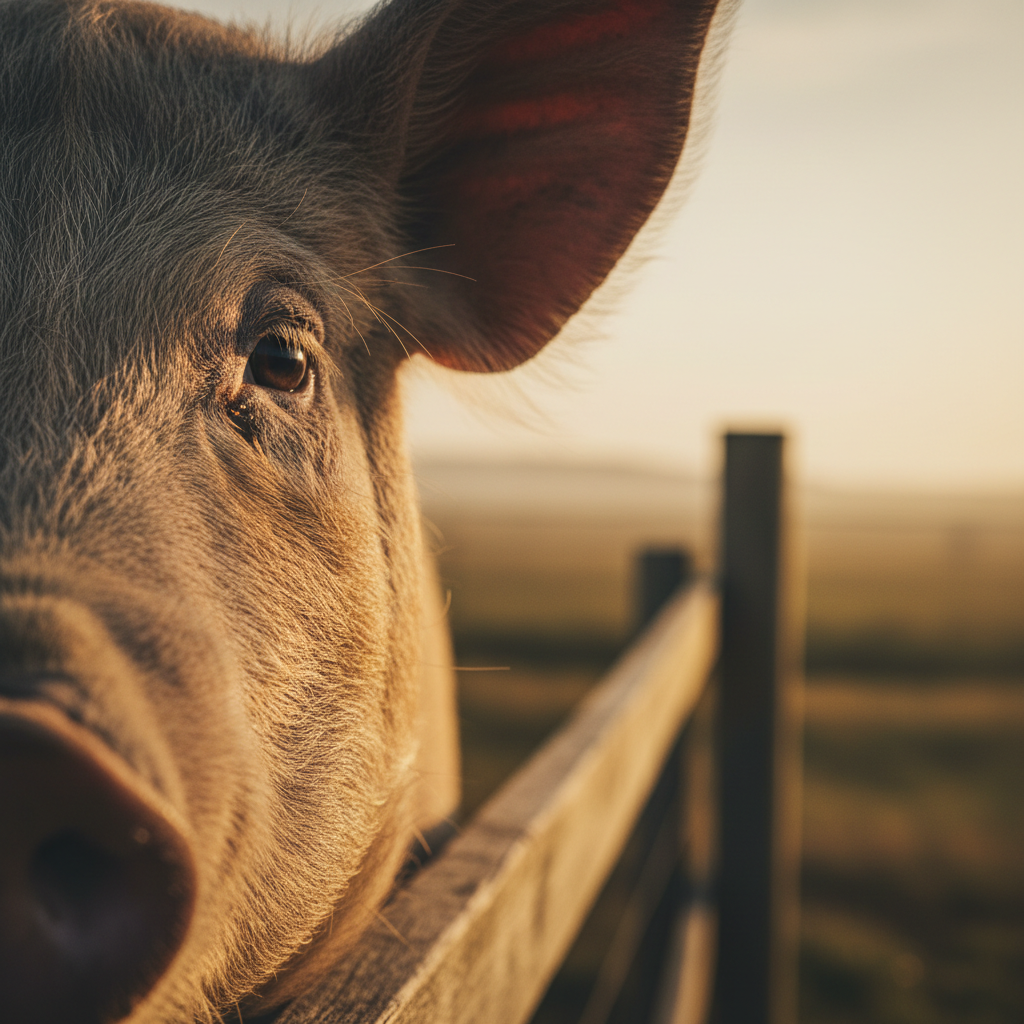
Histórias de resgate de galinhas poedeiras para santuários expõem a realidade brutal da sua exploração industrial, destacando a necessidade urgente de repensar nosso relacionamento com essas aves sensíveis.
4 min de leitura
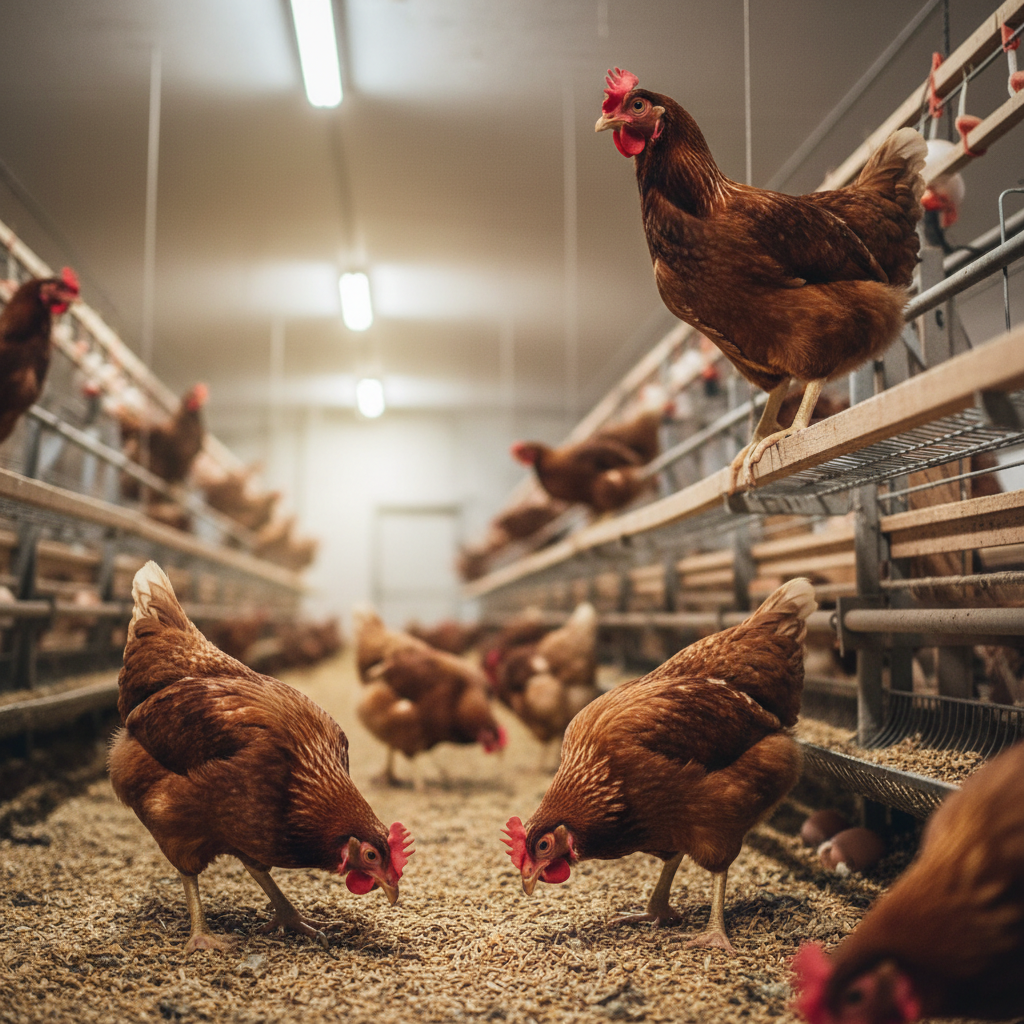
Este artigo explora como o lobby da agricultura industrial molda as políticas e práticas em torno da desbicagem e desdentações, apresentando um dilema ético para o consumidor consciente.
4 min de leitura
A cognição das abelhas no contexto do Sul Global levanta questões complexas sobre seu status moral e os desafios éticos que enfrentamos ao interagir com essas criaturas.
5 min de leitura
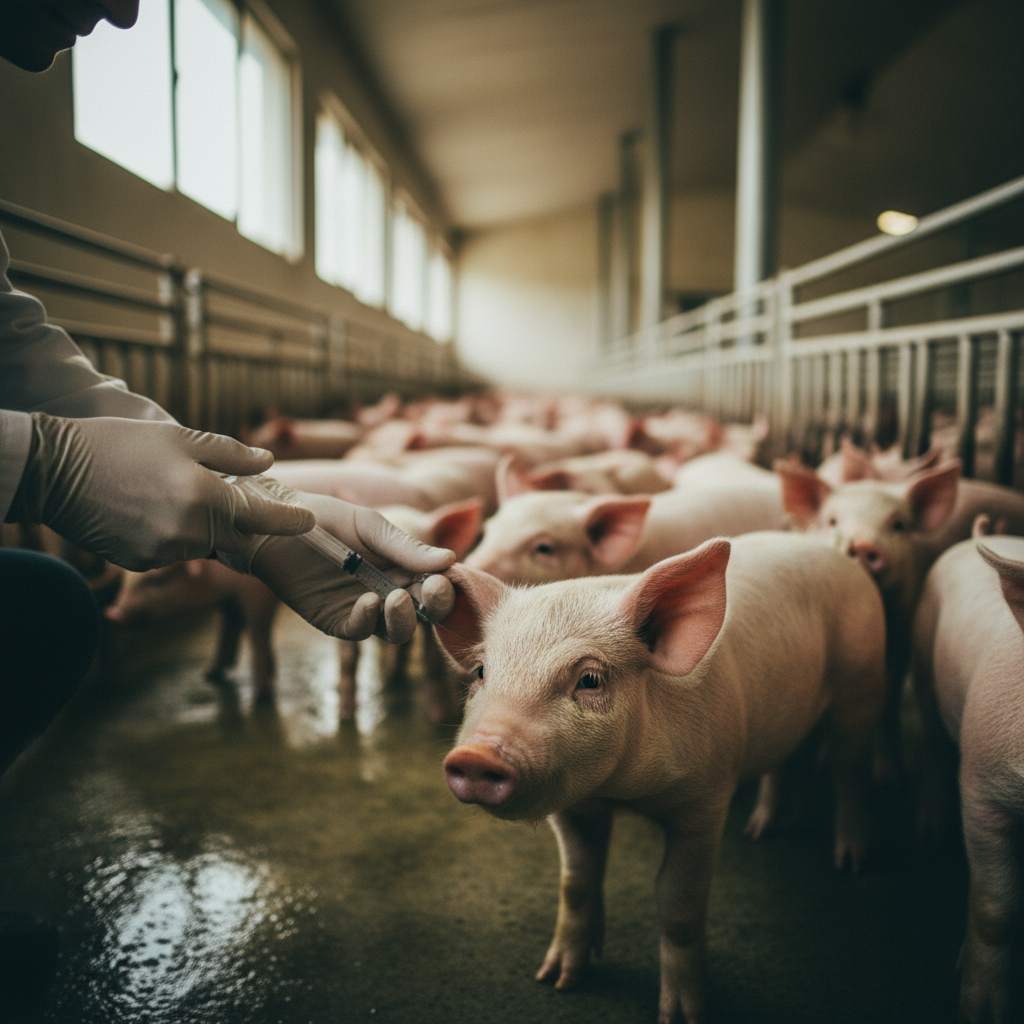
Este guia explora os debates sobre regulamentação do abate religioso, focando nas perspectivas dos trabalhadores de matadouros e fazendas, e os desafios éticos emergentes.
4 min de leitura
Este guia prático explora como comunidades no Ártico e sub-Ártico podem adotar o veganismo, promovendo sustentabilidade e acessibilidade para pessoas com deficiência.
4 min de leitura
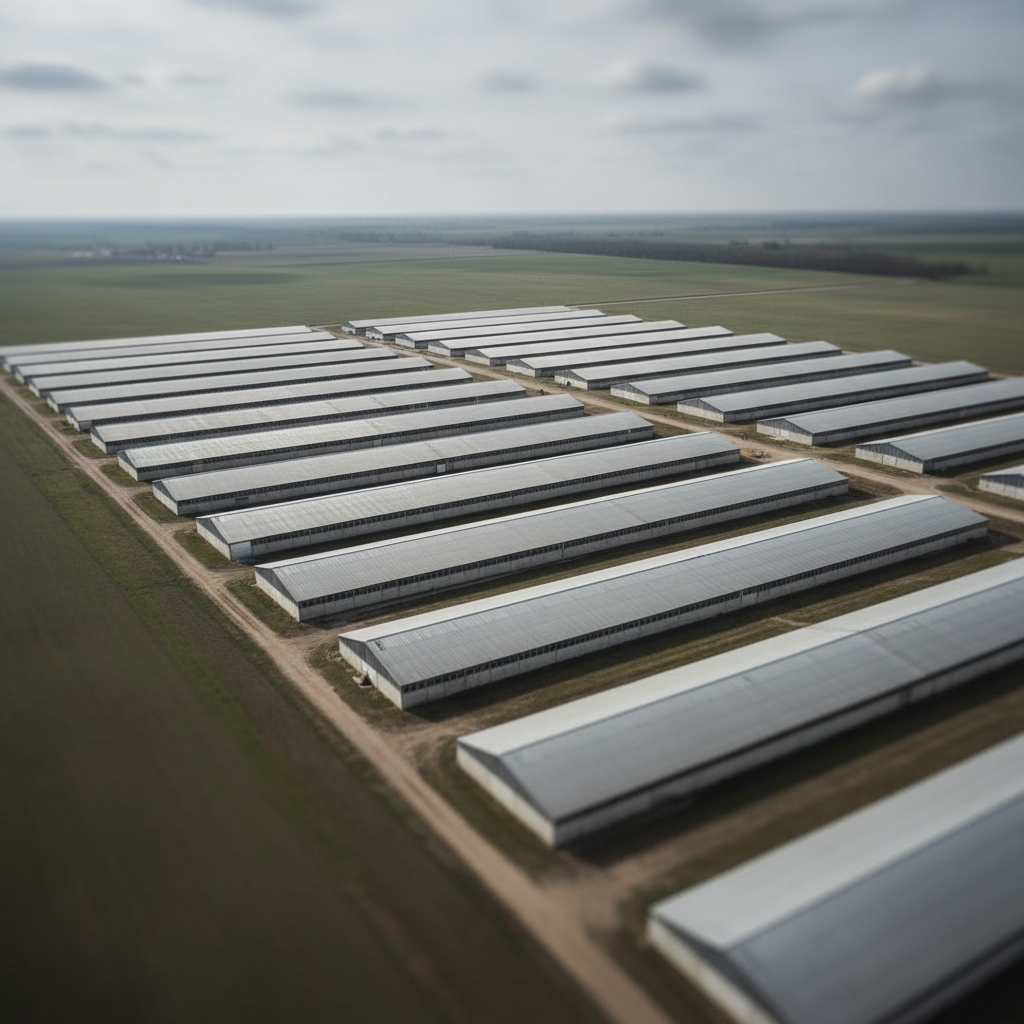
Na crise alimentar atual, evitar práticas inadequadas de desbicagem e desdentações na criação animal é crucial para a produção sustentável e o bem-estar.
4 min de leitura
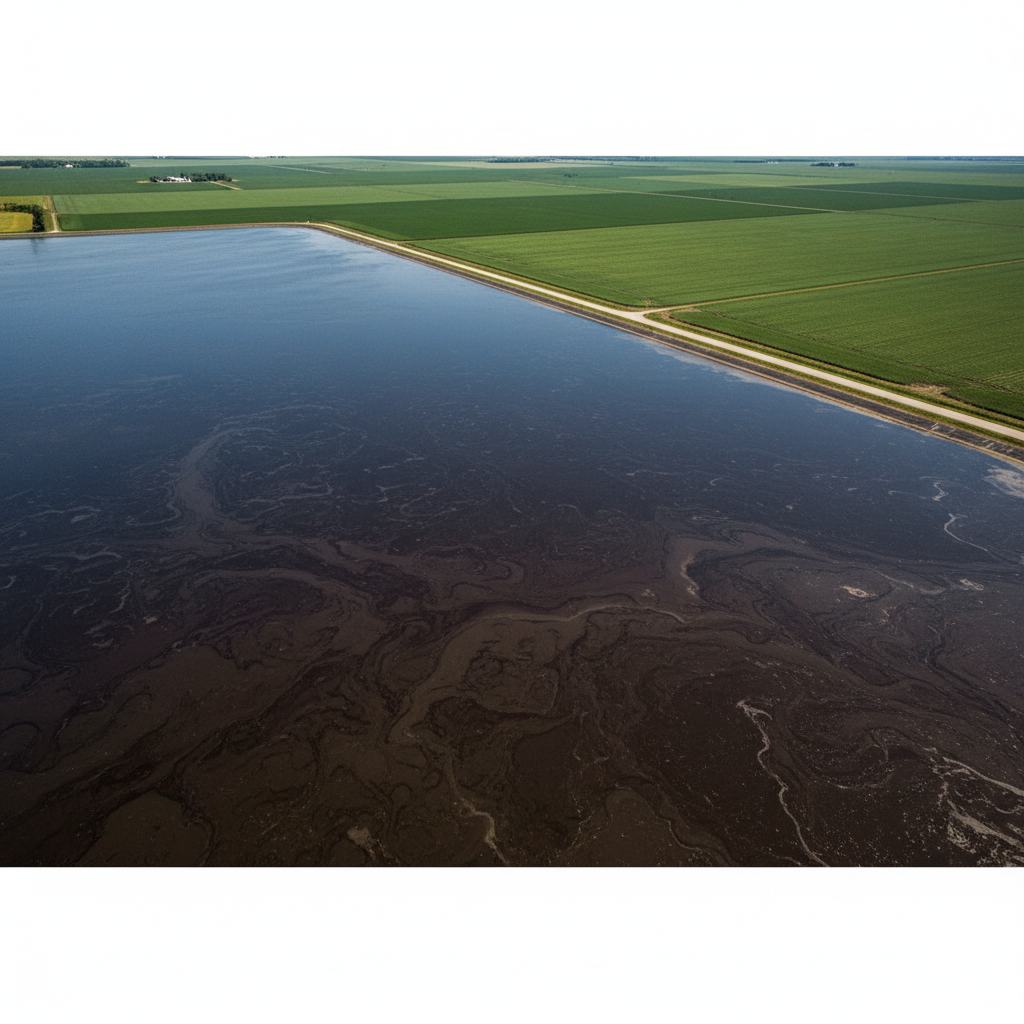
Um olhar aprofundado sobre as práticas padrão na criação industrial de porcos, desde as gaiolas de gestação ao abate, e o seu profundo impacto no bem-estar animal.
6 min de leitura
Um ponto de partida útil · index
Bom jornalismo ambiental ajuda a orientar, verificar uma afirmação e escolher o próximo passo. Reunimos evidências, contexto e caminhos práticos sem reduzir temas complexos a slogans.
Evidência
Baseado em pesquisa
Contexto
Conectado
Próximo passo
Prático
| Comece por | Você encontra | Ideal para |
|---|---|---|
| The overview | A clear answer and the essential terms | First-time readers |
| The evidence | Sources, comparisons and reported context | Checking a claim |
| The pathways | Related topics, tools and further reading | Going deeper |
We separate evidence, interpretation and practical guidance. Claims should be traceable to research, public records or clearly identified editorial analysis.
No. Food systems, animal welfare and climate are connected systems. Individual choices matter, and so do policy, business and collective action.
Use the related topics, topic hubs and calculators on this page to move from a quick answer to the primary context behind it.
Contexto aprofundado
Animal agriculture sits at the intersection of climate, land use, water, public health and animal welfare. These reference points recur across our reporting, so we keep them in one place: the numbers most often cited, the way we read a claim, the myths that survive longest, and the vocabulary you need to follow the debate in any language.
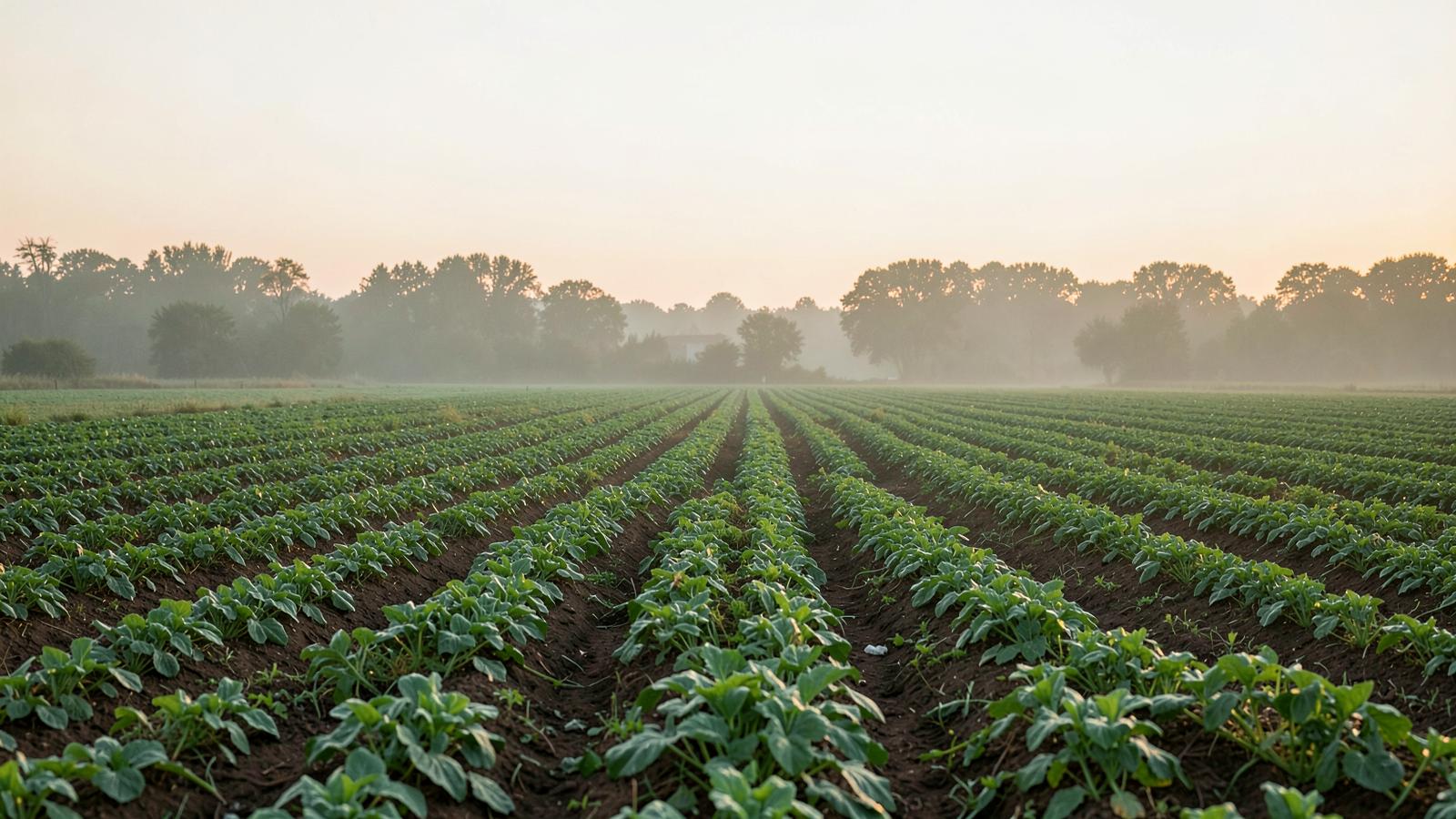
A terra é o ponto de virada
Roughly three quarters of global farmland is used for livestock, yet it supplies a minority of the world's calories. Shifting even part of that land back to crops, forest or wetland is the single largest lever most countries hold.
| Afirmação comum | O que mostram os dados | Por que importa |
|---|---|---|
| Local food is always the lowest-carbon choice | Transport is a small share of most food footprints; what is produced matters more than how far it travelled. | It redirects effort towards the choices with real leverage. |
| Plant-based eating cannot meet protein needs | Legumes, grains, soy foods, nuts and seeds cover protein and amino-acid needs in well-planned diets at every life stage. | Nutrition myths keep people from a change they were open to. |
| Higher-welfare labels mean animals are not harmed | Label standards vary widely and many permit routine practices readers would not expect. | Informed choices depend on knowing what a label actually certifies. |
| Individual choices are irrelevant next to policy | Demand shifts change what is produced, funded and legislated; the two move together. | It replaces fatalism with something you can act on this week. |
Da evidência às escolhas do dia a dia
Numbers describe the system; meals, votes and purchases are how most people meet it. This field guide turns the reporting into concrete swaps, a four-week plan and the signals worth watching, so a page of research becomes something you can act on this week without pretending the hard parts are simple.
| Em vez de | Experimente | Por que importa |
|---|---|---|
| Beef mince | Lentils, beans or soy mince | Beef carries by far the highest emissions and land use per gram of protein. |
| Dairy milk | Soy or pea milk | Comparable protein with a fraction of the land, water and emissions. |
| Cheese in daily meals | Nut or seed-based spreads, cashew cheese | Cheese is the most resource-intensive dairy product per kilogram. |
| Chicken and eggs | Tofu, tempeh, chickpeas | Removes the welfare cost of the most intensively farmed animals. |
| Farmed shrimp and salmon | Beans, jackfruit, seaweed-seasoned dishes | Avoids mangrove loss, bycatch and wild fish used as feed. |
| Butter | Olive or rapeseed oil | Lower emissions per kilogram and better cardiovascular profile. |
Most people who change their diet permanently do it gradually, one meal slot at a time, keeping the food they already like at the centre.
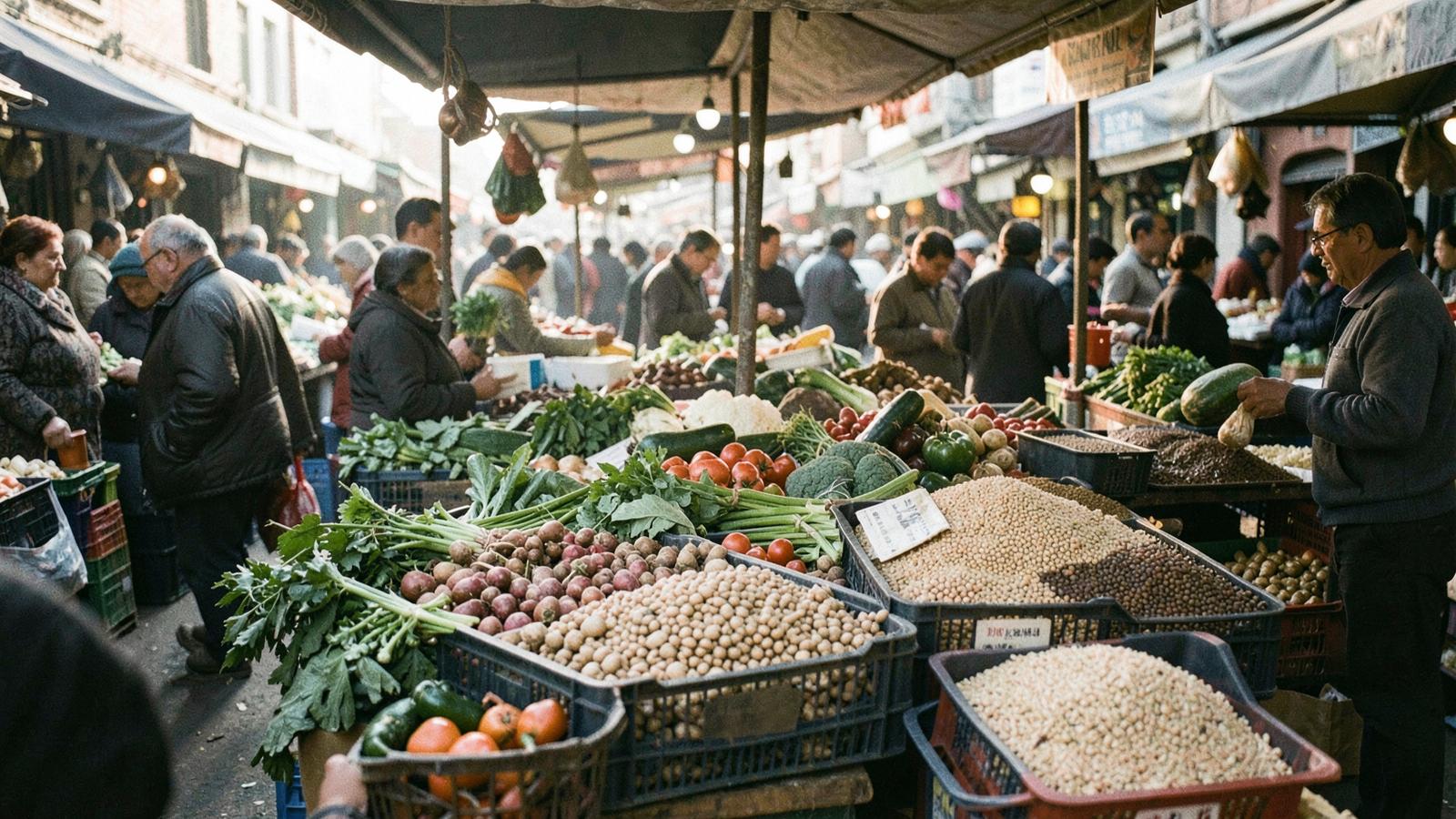
Onde a mudança fica visível
Markets are the clearest place to watch demand shift: as pulses, grains and vegetables take more shelf space, producers, buyers and policy follow the money rather than the argument.
Como o sistema funciona de verdade
Most coverage of animals, diets and climate arrives as isolated stories: a slaughterhouse investigation, a methane figure, a supermarket launch. They belong to one system with a small number of decision points. This map sets out that system stage by stage — who owns each step, where animals enter it, what the public can see, and which levers have historically moved it — so every article on this site can be read in context rather than as an isolated shock.
Animal agriculture is a chain of separate businesses. Pressure applied at one link rarely stays there; it moves upstream to feed and land, or downstream to retail and price.
| Etapa | O que acontece | Onde está a alavanca |
|---|---|---|
| Land and feed | Soy, maize and grass are grown to feed animals, using roughly three quarters of agricultural land worldwide. | Deforestation rules, feed-import standards, and any fall in demand for animal products. |
| Breeding | Genetics companies supply fast-growing birds and high-yield dairy lines used across most of the industry. | Growth-rate standards; welfare commitments that specify breed, not just space. |
| Rearing | Animals are housed at density, typically indoors, with confinement systems that vary by species and country. | Cage, crate and stocking-density law — the fastest-moving area of animal legislation. |
| Transport and slaughter | Live animals move to centralised plants; a small number of companies process most of the volume. | Journey-time limits, CCTV and inspection rules, stunning requirements. |
| Processing and brands | Meat and dairy become branded products, with margins concentrated in processing rather than farming. | Labelling law, marketing claims, and corporate sourcing commitments. |
| Retail and food service | Supermarkets, canteens and restaurants set the default meal for most people most days. | Shelf share, menu defaults, procurement contracts and price parity. |
| The plate | Households choose within the range and prices the previous stages allow. | Repeat purchases, which retailers track far more closely than surveys. |
Individual choices matter, but they are amplified or blunted by a handful of institutions that set defaults for millions of meals at a time.
A terra é a variável silenciosa
Most farmland on earth feeds animals rather than people directly. That single fact explains why diet, deforestation, wildlife loss and climate keep turning up in the same story.
| Região | O que determina os resultados |
|---|---|
| European Union | Confinement law and labelling lead globally; the unresolved question is imported animal products produced to lower standards. |
| United States | State ballot measures drive welfare change while federal rules lag; litigation over interstate sales is the recurring battleground. |
| Brazil and South America | Feed-crop expansion and cattle ranching sit at the interface with forest loss, making land use the decisive issue. |
| China and East Asia | Rapid growth in intensive production alongside fast-growing plant-based and cultivated protein investment. |
| India and South Asia | The world's largest dairy sector, where welfare questions centre on cattle, transport and the fate of male calves. |
| Sub-Saharan Africa | Smallholder systems dominate today; whether intensive models are imported is still an open decision. |
Change in this system is slow, then sudden. These are the shifts that repeat across countries once they start.
Most disputes come down to a handful of recurring tricks. Running a claim through these questions resolves the majority of them.