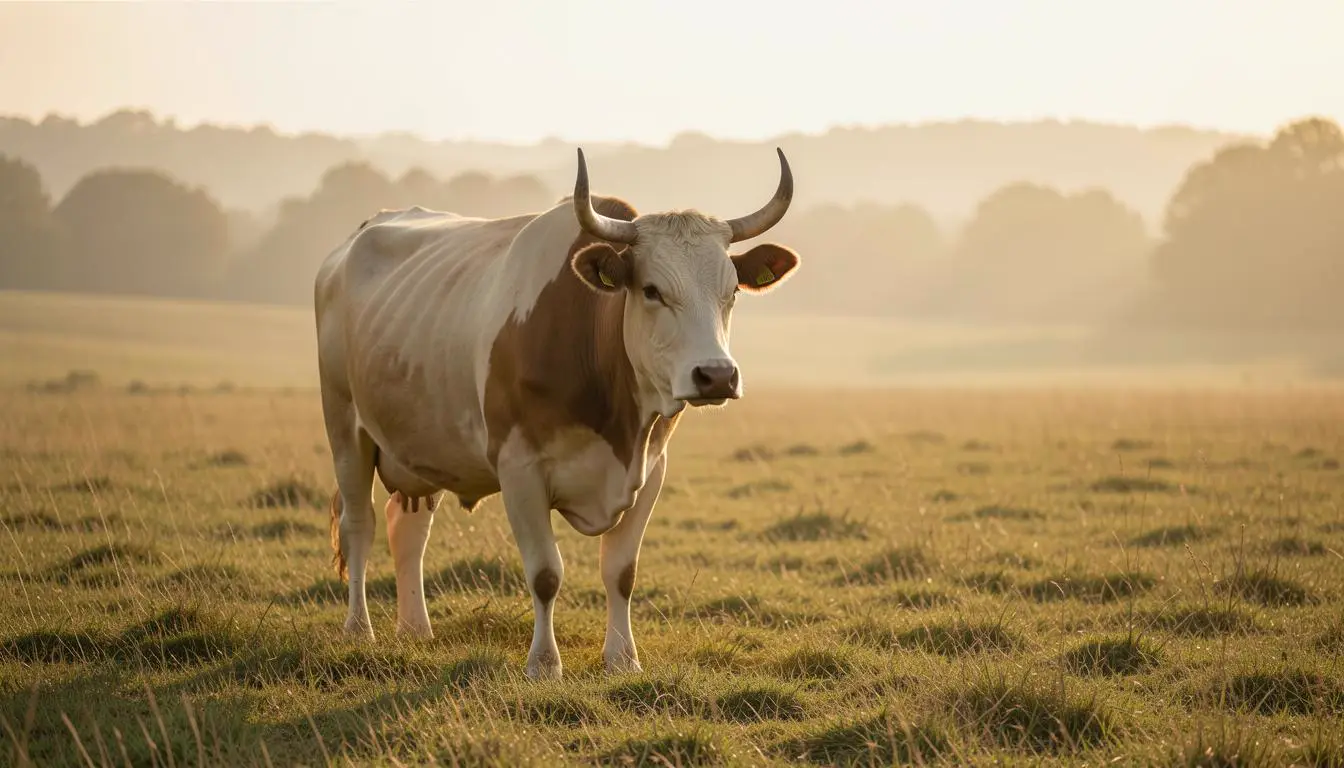
Dehorning is a controversial practice in the cattle industry, with ethical implications that extend beyond animal welfare. As busy professionals, it's crucial to understand the key considerations, what philosophers and scientists have to say, and how policy reforms can drive positive change.
Dehorning is a common practice in many cattle farming operations, but it is not without its controversies. To better understand the ethical dilemma surrounding dehorning, let's examine the key considerations, what experts say, and how policy reforms can play a crucial role.
The dilemma: Pain, stress, and safety concerns
Dehorning is painful and stressful for cattle, and its long-term effects on their wellbeing are not fully understood. The procedure involves removing the horn buds or horns themselves, often using a hot iron or caustic paste. This causes significant pain and can lead to infection, scarring, and even death in some cases.
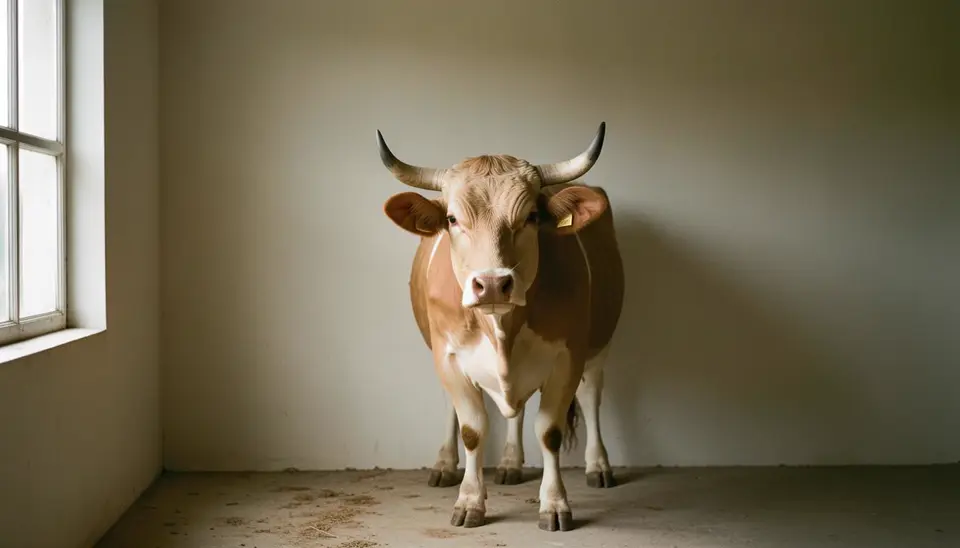
“The pain and stress associated with dehorning are significant and cannot be ignored. We have a moral responsibility to minimize suffering in the animals we raise for food.”
What philosophers and scientists say
Philosophers and scientists have long debated the ethics of dehorning. Some argue that the practice is necessary for safety and economic reasons, while others contend that the pain and stress caused to the animals outweigh any potential benefits.
“Dehorning is a clear example of the tension between animal welfare and human interests. We must find a balance that respects the dignity and wellbeing of the animals while also meeting the demands of the industry and consumers.”
Scientists have developed alternative methods for managing cattle horn growth, such as using growth inhibitors or genetically selecting for hornless breeds. However, these alternatives are not yet widely adopted due to economic and practical constraints.
A reasoned position: Policy reform as a catalyst for change
Policy reforms can play a significant role in encouraging the cattle industry to adopt more ethical and humane practices. By incentivizing the use of alternative methods and improving animal welfare standards, policy reforms can drive positive change from the top down.
| Policy Instrument | Objective | Example |
|---|---|---|
| Subsidies | Encourage the adoption of alternative methods | Subsidies for growth inhibitors or genetically polled cattle in the EU |
| Regulations | Set minimum standards for animal welfare | Ban on dehorning without pain relief in several US states |
| Education | Increase awareness and knowledge of humane alternatives | Training programs for cattle producers in Canada |
| Market incentives | Encourage consumer demand for ethically sourced products | Labeling schemes and certification programs for animal welfare-friendly beef |
Questions the reader should ask themselves
Frequently asked questions
What are the most humane alternatives to dehorning?+
Growth inhibitors, genetic selection for hornlessness, and behavioral modifications can all be used to manage horn growth without causing pain and stress to the animals.
How can I, as a consumer, support more ethical cattle farming practices?+
Support organizations advocating for animal welfare, choose products with clear animal welfare labels, and engage with producers to discuss their practices.
What role can policy reforms play in improving animal welfare in the cattle industry?+
Policy reforms can incentivize the adoption of humane practices, set minimum standards for animal welfare, and encourage consumer demand for ethically sourced products.