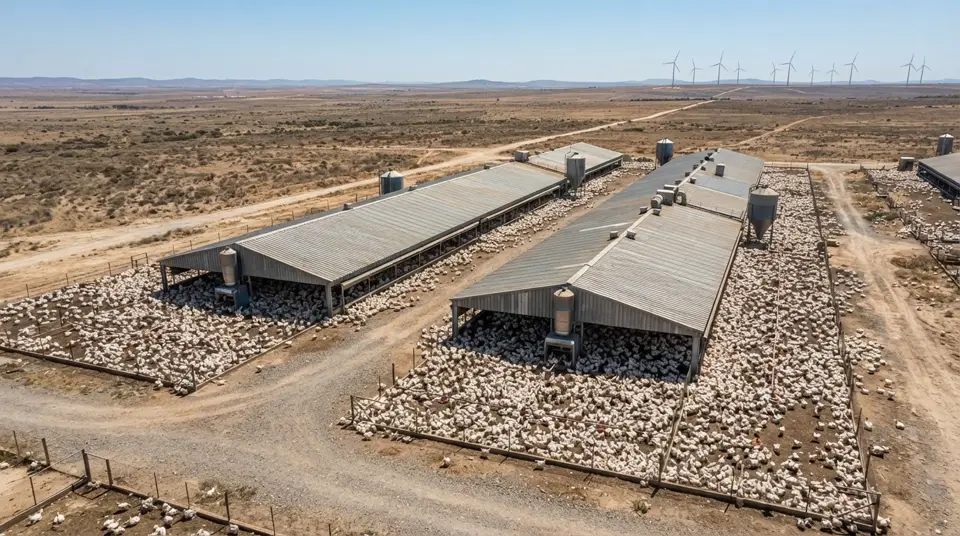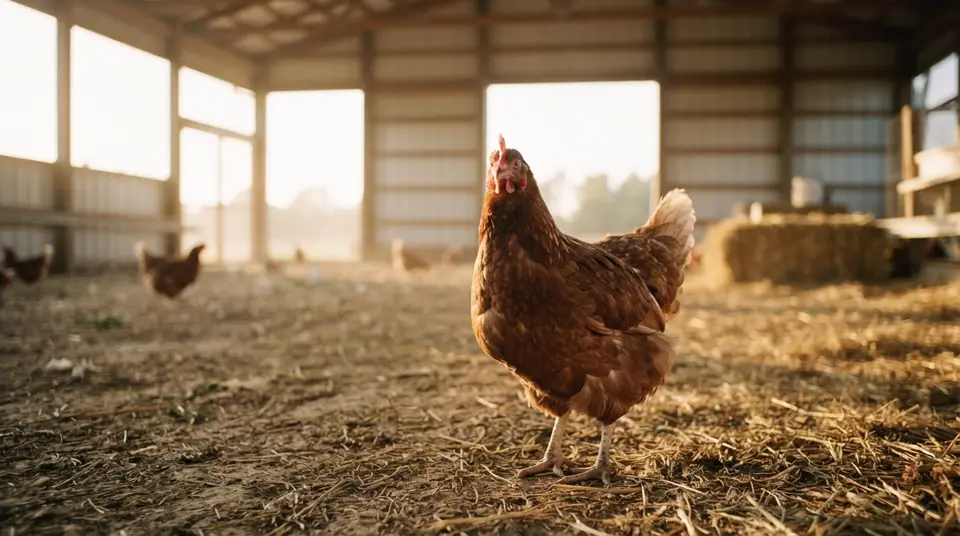
Beak trimming is a common practice in East Asian poultry farming, aiming to prevent pecking injuries. However, this procedure raises serious concerns about the welfare and rights of birds, as chickens are proven to possess significant cognitive and emotional abilities.
“Chickens are not just feathered robots, but complex sentient beings capable of a wide range of emotions and thoughts. We must recognize and respect their inherent worth.”
The practice of beak trimming is widespread in East Asian poultry farming, driven largely by economic considerations. However, the ethical implications of this procedure have been brought into sharp focus by recent scientific findings regarding the cognitive and emotional lives of chickens.

The cognitive and emotional lives of chickens
Chickens are not the simple, mindless creatures they are often perceived to be. Research has shown that they possess a range of advanced cognitive abilities, including problem-solving, numerical competency, and the ability to recognize and respond to complex visual stimuli. Moreover, chickens are capable of a wide range of emotions, including fear, stress, and pleasure.
| Cognitive Ability | Emotional State |
|---|---|
| Problem-solving | Pleasure |
| Numerical competency | Fear |
| Recognition of complex visual stimuli | Stress |
| Social learning | Comfort |
| Tool use | Curiosity |
Alternatives to beak trimming
- 1
Enrichment
Providing chickens with a stimulating and enriching environment can help alleviate stress and reduce pecking behavior.
- 2
Genetic selection
Selecting birds with less aggressive tendencies can help prevent feather pecking and cannibalism.
- 3
Slow-growing breeds
Faster-growing birds are more prone to aggressive behavior. Slower-growing breeds can be less aggressive and more resilient to stress.
The evidence of chickens' cognitive and emotional lives poses a serious ethical challenge to the practice of beak trimming. As consumers and farmers in East Asia become more aware of these findings, the pressure to adopt more humane farming practices is set to grow.
Frequently asked questions
What are the benefits of beak trimming?+
Beak trimming is primarily intended to prevent pecking injuries, which can lead to cannibalism and reduced growth rates in birds. However, it is a painful and stressful procedure and the benefits must be weighed against the welfare costs.
What are the alternatives to beak trimming?+
Alternatives include enrichment, genetic selection, and the use of slower-growing breeds. These methods can be effective in reducing aggressive behavior and promoting better welfare for chickens.
What is the current state of beak trimming in East Asian agriculture?+
Beak trimming is still widely practiced in East Asia, despite growing consumer concern and scientific evidence of the welfare costs. However, some farmers are beginning to adopt more humane practices.