Beak trimming policy reform aims to eliminate the painful practice of partial beak amputation in poultry by implementing comprehensive strategies focused on improved animal welfare. This critical shift involves adopting better management practices, selecting more docile chicken breeds through genetic programs, and creating enriched environments that naturally reduce aggressive behaviors like feather pecking and cannibalism without resorting to physical alteration.
The push for beak trimming policy reform is gaining momentum globally, driven by growing scientific understanding of avian pain perception and increasing public awareness of animal welfare in agricultural systems. Organizations worldwide are developing comprehensive playbooks for advocates to effect change, focusing on achievable, evidence-based interventions (Compassion in World Farming, 2023).
Why is Beak Trimming a Significant Animal Welfare Concern?
Beak trimming causes both acute and chronic pain to chickens, impacting their ability to eat, drink, and perform natural behaviors. The beak is a highly sensitive organ, rich in nerve endings, similar to human fingertips (Gentle & Tilbrook, 2005). Evidence suggests that even after the initial acute pain subsides, modified nerve patterns can lead to long-term chronic pain or neuromas, profoundly affecting the bird's well-being and ability to forage naturally for food (J.R. Forbes & H.D. Blokhuis, 2008).
This procedure is often performed without anaesthesia, creating a significant ethical dilemma for modern agriculture. The integrity of the animal's natural anatomy and its capacity for complex behaviors are fundamentally compromised, leading to calls for policy reform and the adoption of humane alternatives (World Organisation for Animal Health, 2018).
““The evidence is clear: beak trimming, regardless of method, inflicts pain and compromises the welfare of chickens. Our focus must shift to creating environments where such mutilations are unnecessary.””
What are the Key Pillars of Beak Trimming Policy Reform?
Effective beak trimming policy reform is built upon a multifaceted approach that addresses the root causes of feather pecking rather than merely mitigating its symptoms. The primary pillars include legislative bans, strategic genetic selection, comprehensive environmental enrichment, and optimal nutritional management. Each pillar is crucial for a successful transition away from beak trimming, ensuring sustained animal welfare improvements.
| Alternative Strategy | Welfare Impact | Feasibility in Commercial Settings | Associated Costs |
|---|---|---|---|
| Genetic Selection for Docility | High (Reduced aggression) | High (Long-term breeding programs) | Low-Medium (Initial investment in research) |
| Environmental Enrichment (Perches, blocks) | High (Reduced stress, natural behaviors) | High (Requires careful design) | Medium (Installation and maintenance) |
| Optimal Nutrition & Feed Management | Medium (Reduced hunger-related pecking) | High (Standard farm practice) | Low (Adjustments to existing feed) |
| Lower Stocking Densities | High (Reduced stress, space for escape) | Medium (Requires more infrastructure/land) | High (Reduced output per building) |
| Improved Lighting Programs | Medium (Reduced activity, stress) | High (Simple adjustments) | Low (Minimal capital expenditure) |
How Can Environmental Enrichment Reduce the Need for Beak Trimming?
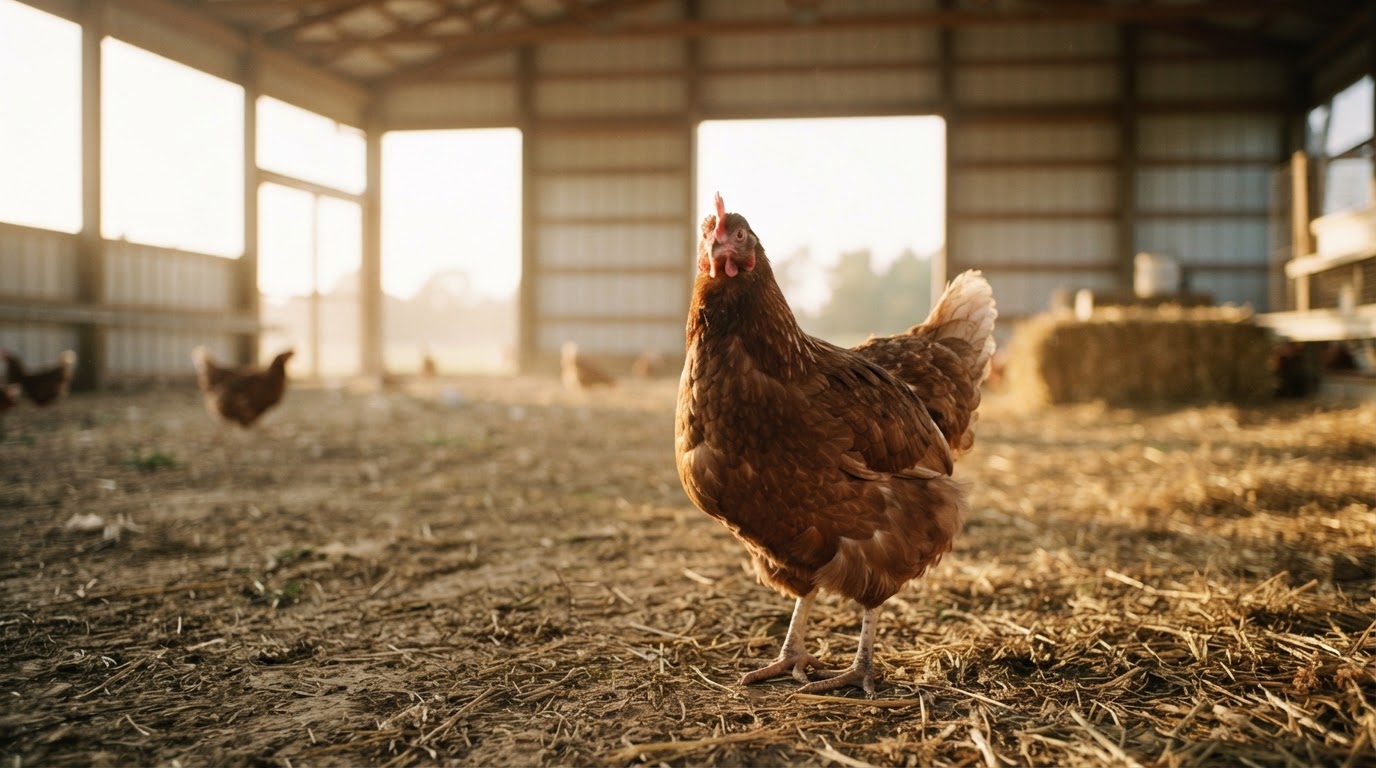
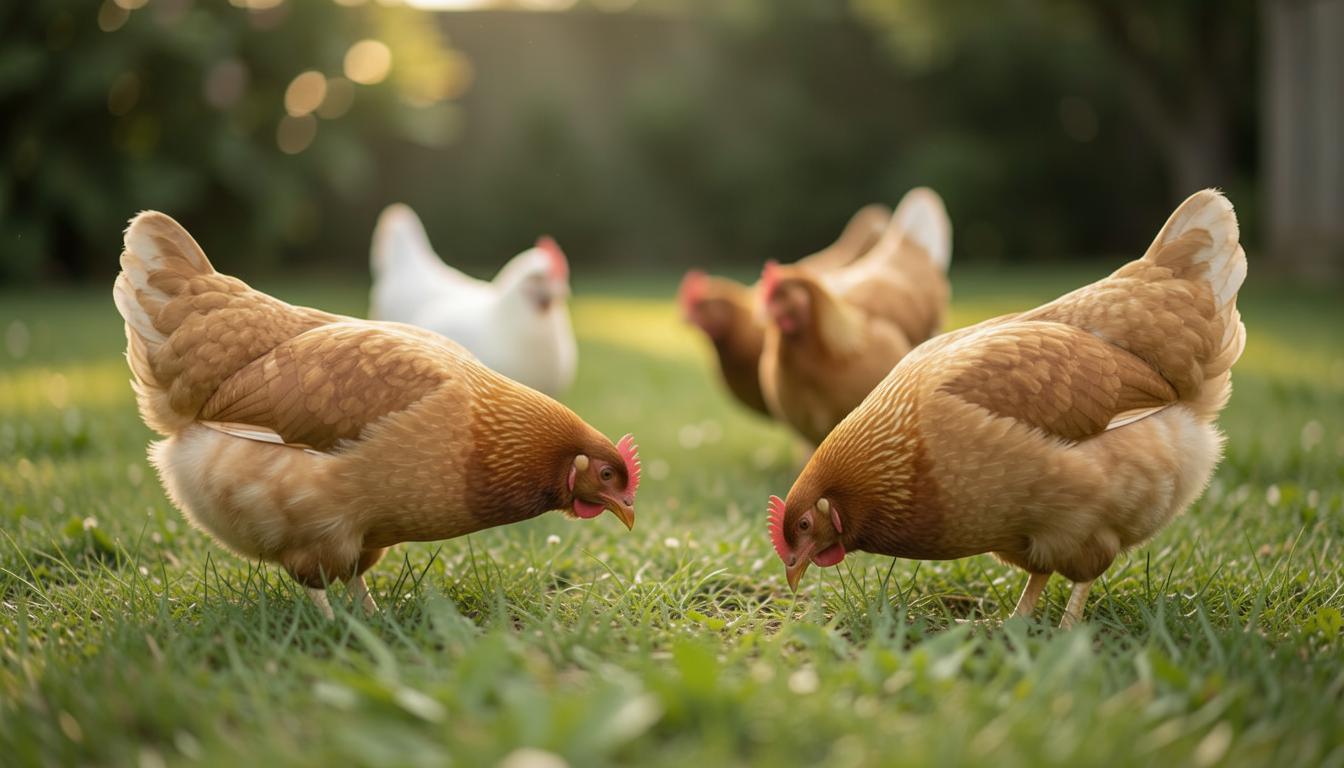
Environmental enrichment provides chickens with outlets for natural behaviors, thereby reducing the likelihood of aggressive interactions. For instance, providing pecking blocks, substrates like straw bales, and suitable perches allows hens to express their innate desires to forage, dust bathe, and roost. Research consistently shows that hens in enriched environments exhibit significantly lower levels of feather pecking (C.J. Nicol, 2012).
These enrichments serve as behavioral 'distractions' and physical barriers, diverting attention away from pecking flock mates. Studies in the Netherlands, a pioneer in phasing out beak trimming, demonstrated a marked decrease in injurious pecking when enrichment materials were consistently available from an early age (Wageningen University & Research, 2018). This principle is central to successful beak trimming policy reform.
What Role Does Genetic Selection Play in Phasing Out Beak Trimming?
Genetic selection is a powerful tool in the long-term strategy to phase out beak trimming. By breeding hens for temperament traits associated with reduced aggression and feather pecking, producers can proactively address the issue at its source. Over generations, targeted breeding programs can result in more docile flocks naturally less prone to injurious behaviors, even in non-enriched environments (The Poultry Site, 2020).
Feather Pecking Incidence in Beak-Intact Commercial Laying Hens (Europe)
Leading genetic companies are actively working on these breeding programs, integrating welfare traits alongside productivity. The success of countries like Germany, which banned beak trimming in 2017, can be partly attributed to collaboration with breeders to supply suitable strains of birds (German Federal Ministry of Food and Agriculture, 2017).
Which Countries Have Implemented Bans or Restrictions on Beak Trimming?
Several European nations have taken significant steps towards or fully implemented bans on beak trimming, demonstrating that intensive poultry farming without this procedure is achievable. These countries serve as case studies for global policy reform efforts. For example, Sweden banned beak trimming in 1988, followed by Norway in 1999, and Finland in 2011 (Eurogroup for Animals, 2021).
More recently, Germany imposed a ban in 2017 after a transitional period, and the Netherlands phased it out completely by 2018. France announced a ban effective from January 1, 2022. These legislative successes highlight the increasing governmental and public commitment to animal welfare and provide a strong precedent for further beak trimming policy reform initiatives across other regions (Agriculture and Food Sciences, 2022).
How to Campaign for Beak Trimming Policy Reform
- 1
Educate Stakeholders
Inform policymakers, farmers, and consumers about the welfare impacts of beak trimming and the viability of humane alternatives through evidence-based campaigns.
- 2
Form Coalitions
Partner with animal welfare organizations, scientific bodies, and progressive industry groups to create a unified front for change.
- 3
Advocate for Legislation
Lobby for national and regional bans or strict regulations on beak trimming, citing successful precedents from other countries and scientific recommendations.
- 4
Promote Research & Development
Encourage funding for studies on genetic selection for docile birds and innovative environmental enrichment methods.
- 5
Support Pilot Projects
Help establish and publicize successful farm-level pilot projects that demonstrate commercial viability of beak-intact flocks under high-welfare conditions.
- 6
Drive Consumer Demand
Raise consumer awareness about the importance of sourcing 'beak-intact' or 'higher welfare' poultry products, creating market pressure for change.
Frequently Asked Questions
Is beak trimming painful for chickens?+
Yes, beak trimming is a painful procedure. The beak is rich in nerve endings, and scientific studies show that chickens experience both acute pain at the time of the procedure and chronic pain due to nerve damage and neuroma formation (Gentle & Tilbrook, 2005). This significantly impacts their ability to forage, eat, and engage in natural behaviors.
What is the main reason farmers perform beak trimming?+
Farmers primarily perform beak trimming to prevent feather pecking, cannibalism, and vent pecking among their flocks. These behaviors can lead to injury, infection, and death, particularly in intensive farming systems where birds are kept in close confinement (EFSA, 2012). Beak trimming is seen as a management tool to mitigate these issues.
Can chickens be reared effectively without beak trimming?+
Yes, chickens can be reared effectively without beak trimming through various strategies. These include selecting more docile breeds, providing enriched environments with perches and pecking substrates, managing light intensity, and optimizing diet. Several European countries have successfully banned or phased out beak trimming, demonstrating its feasibility on a commercial scale (Wageningen University & Research, 2018).
How do enriched environments prevent feather pecking?+
Enriched environments prevent feather pecking by providing chickens with suitable outlets for natural behaviors like foraging and dust bathing, reducing boredom and stress. Providing items such as straw bales, pecking blocks, and elevated perches diverts their attention and energy, making them less likely to engage in harmful pecking behaviors towards flock mates (C.J. Nicol, 2012).