সীবার্ড, আমাদের মহাসাগরের প্রহরী, উপকূলীয় এলাকার কাছে কেন্দ্রীভূত গবাদি পশু খামার (সিএএফও) স্থাপনের কারণে বেড়ে যাওয়া প্লাস্টিক দূষণের আকারে একটি অদৃশ্য হুমকির মুখোমুখি। এই পরিবেশগত ন্যায়বিচার সংকট, যা মূলধারায় খুব কমই পরিচিত, বিশ্বব্যাপী সম্প্রদায়গুলি লড়াই করছে, তাদের পাড়া এবং যে পাখিগুলি তাদের বাড়ি বলে তাদের উভয়কে রক্ষা করতে দৃঢ়প্রতিজ্ঞ।
নীরব ঘাতক: প্লাস্টিক দূষণ এবং সীবার্ড
প্লাস্টিক দূষণ, সিএএফও কার্যক্রমের একটি উপজাত, সীবার্ডদের জন্য একটি গুরুত্বপূর্ণ হুমকি তৈরি করে। আন্তর্জাতিক প্রকৃতি সংরক্ষণ ইউনিয়নের (আইইউসিএন, ২০২১) একটি গবেষণা অনুসারে, ৯০% পর্যন্ত সীবার্ড প্রজাতি প্লাস্টিক গ্রহণ করেছে, যার মধ্যে অনেকগুলি ক্ষুধা, অন্ত্রের বাধা বা শ্বাসরোধে মারা যায়।
| সীবার্ড প্রজাতি | প্লাস্টিক গ্রহণের হার | প্রভাব |
|---|---|---|
| উত্তরাঞ্চলীয় গ্যানেট | 94% | অন্ত্রের বাধা |
| কোরির শিয়ারওয়াটার | 85% | শ্বাসরোধ, ক্ষুধা |
| কালো-পায়ের আলবাট্রস | 80% | ক্ষুধা, অন্ত্রের বাধা |
সিএএফও সংযোগ: পরিবেশগত ন্যায়বিচার এবং উপকূলীয় সম্প্রদায়
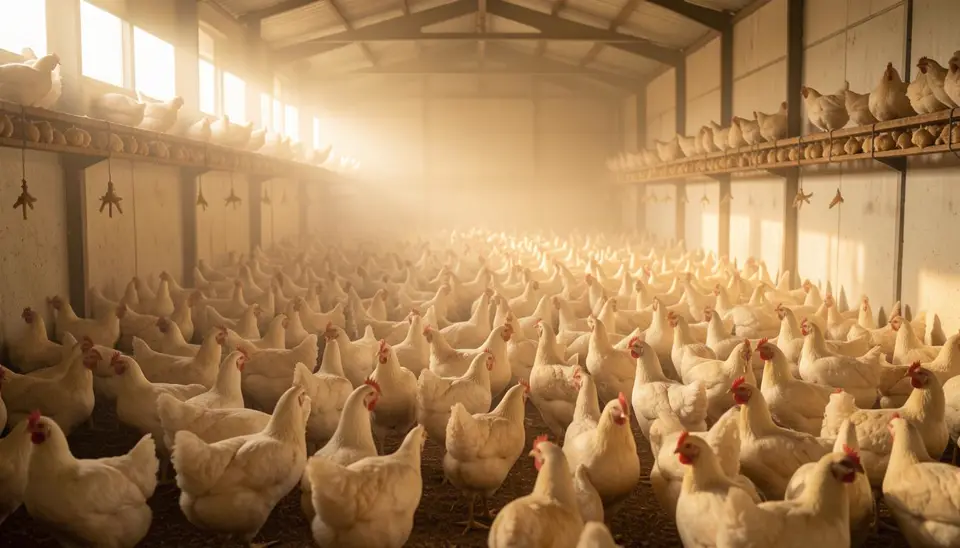
সিএএফও, প্রায়শই নিম্ন-আয়ের উপকূলীয় সম্প্রদায়ের কাছে স্থাপিত, বাসিন্দাদের পরিবেশগত ও স্বাস্থ্যগত ঝুঁকির মুখোমুখি করে, যার মধ্যে রয়েছে জল ও বায়ু দূষণ, শব্দ এবং সম্পত্তির মূল্য হ্রাস (বুলার্ড, ২০০০)। এদিকে, এই সম্প্রদায়গুলি প্লাস্টিক দূষণের প্রভাবের প্রধান বোঝা বহন করে, যার মধ্যে রয়েছে জনস্বাস্থ্য এবং উপকূলীয় অর্থনীতির জন্য হুমকি।
“এই সম্প্রদায়গুলি জলবায়ু পরিবর্তন এবং প্লাস্টিক সংকট উভয়েরই সামনের সারিতে রয়েছে, তবুও এটি বন্ধ করার ক্ষমতা তাদের সবচেয়ে কম। আমাদের অবশ্যই তাদের কণ্ঠস্বরকে প্রসারিত করতে হবে এবং পরিবর্তনের দাবি জানাতে হবে।”
তৃণমূল প্রতিরোধ: সীবার্ড এবং নিজেদের জন্য দাঁড়ানো সম্প্রদায়
বাংলাদেশ থেকে ব্রাজিল পর্যন্ত, সম্প্রদায়গুলি সিএএফও সাইটিংয়ের পরিবেশগত অবিচারের বিরুদ্ধে লড়াই করছে। বাংলাদেশে, 'সেভ আওয়ার কোস্ট' প্রচারাভিযান হাজার হাজার মানুষকে ভালো সাইটিং অনুশীলন এবং প্লাস্টিক বর্জ্য হ্রাসের দাবিতে একত্রিত করেছে (দ্য ডেইলি স্টার, ২০২৩)।
নীতি পরিবর্তন এবং জনসচেতনতা: সামনের পথ
সীবার্ড এবং উপকূলীয় সম্প্রদায় রক্ষার জন্য নীতি পরিবর্তন অপরিহার্য। এর মধ্যে রয়েছে কঠোর সিএএফও সাইটিং নিয়ম, উন্নত বর্জ্য ব্যবস্থাপনা পরিকাঠামো, এবং সম্প্রদায়-নেতৃত্বাধীন সংরক্ষণ প্রচেষ্টার জন্য বৃহত্তর সমর্থন (ল্যাডবারি এট আল., ২০২০)।
প্রায়শই জিজ্ঞাসিত প্রশ্ন
আমি কীভাবে আমার স্থানীয় সম্প্রদায়ে সীবার্ড এবং উপকূলীয় পরিবেশ রক্ষায় জড়িত হতে পারি?+
একটি স্থানীয় পরিবেশগত গোষ্ঠীতে যোগ দিন বা শুরু করুন, সম্প্রদায়ের সভায় অংশ নিন, এবং ভালো সিএএফও সাইটিং ও উন্নত বর্জ্য ব্যবস্থাপনার জন্য উকিল হন।
প্লাস্টিক বর্জ্য কমাতে আমি একজন ভোক্তা হিসেবে কী করতে পারি?+
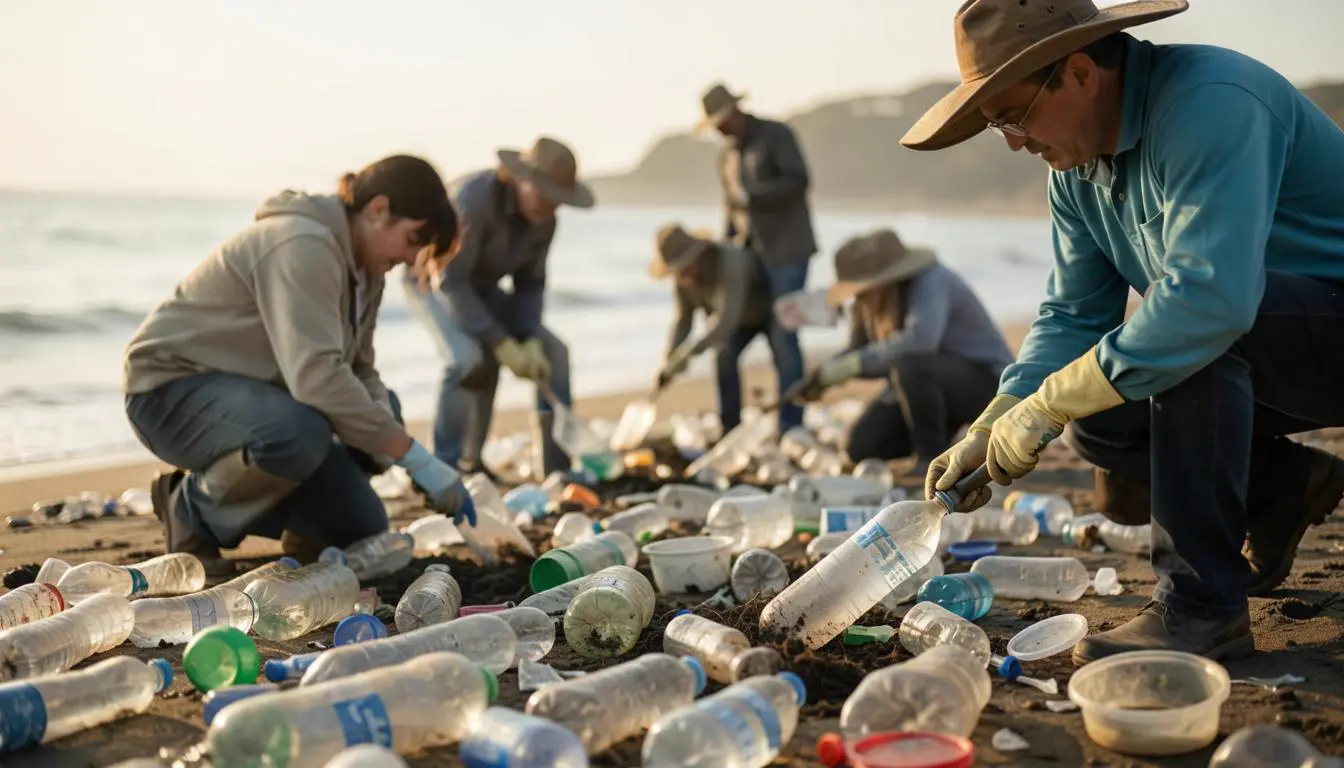
একক-ব্যবহারের প্লাস্টিক খরচ কমিয়ে দিন, প্লাস্টিক-মুক্ত পণ্য এবং খুচরা বিক্রেতাদের সমর্থন করুন, এবং উপকূলীয় পরিষ্কারকরণে অংশ নিন।