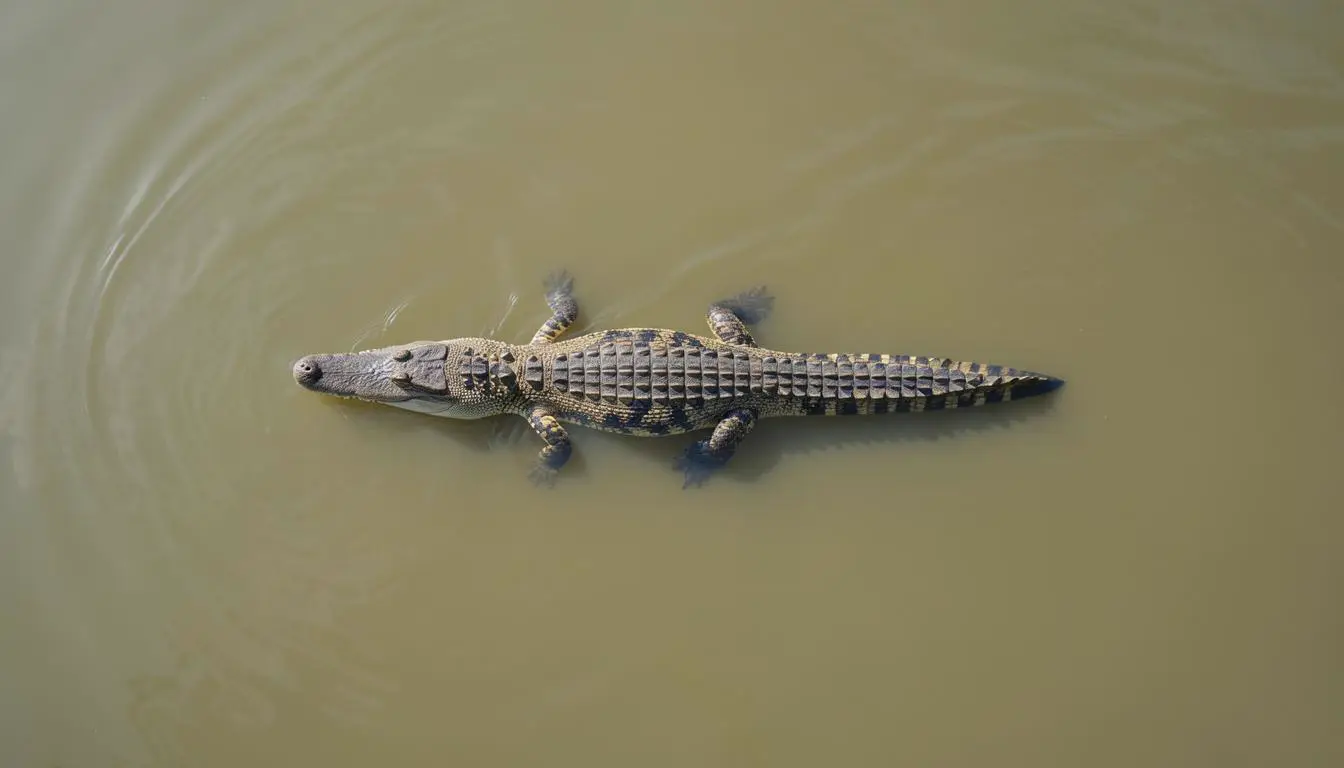
The gharial, a critically endangered fish-eating crocodile, has faced a dramatic decline in its South Asian river habitats due to human activities. However, thanks to concerted conservation efforts, the species is showing signs of recovery, offering hope for its future and the health of the rivers it inhabits.
From River to Plate: The Gharial's Journey
The gharial's journey begins in the freshwater rivers of South Asia, where it has evolved over millions of years. These rivers, such as the Ganges and Brahmaputra, are the lifeblood of the region, supporting countless species and human communities. However, the gharial's future is under threat due to a variety of human-induced pressures.
| Threat | Impact |
|---|---|
| Habitat loss | Destruction of riverine habitats for agriculture and infrastructure |
| Pollution | Contamination of rivers with chemicals and waste |
| Climate change | Altered river flows and temperatures |
| Bycatch and intentional killing | Incidental capture in fishing gear and targeted killing for hide and meat |
Conservation Efforts: Bringing the Gharial Back from the Brink
Given the urgency of the gharial's plight, conservation organizations and local communities have joined forces to protect and recover this iconic species. Efforts range from rewilding and habitat restoration to community engagement and policy advocacy.
“The gharial's recovery is not just about saving a crocodile, but about restoring the health of our rivers, which are the lifeblood of our communities. It's about ensuring that our children and grandchildren can still experience the wonder of seeing these magnificent creatures in the wild.”
The Role of Rewilding and Habitat Restoration
Rewilding and habitat restoration are central to gharial conservation. Organizations like the Wildlife Conservation Society and local NGOs are working to establish safe havens for gharials, protect nesting sites, and restore riverine habitats.
Gharial population trends, 1970-2025
The Importance of Community Engagement
Engaging local communities is vital for the long-term success of gharial conservation. By involving fishermen, farmers, and other stakeholders in protection efforts, we can foster a sense of ownership and commitment to the species' survival.
Frequently asked questions
What can I do to help the gharial?+
Spread awareness, engage with local conservation initiatives, and advocate for policy changes that protect rivers and support gharial conservation.
Why are gharials so important?+
Gharials play a crucial role in maintaining the health of South Asian rivers, which support countless species and human communities. Their recovery is a vital step towards restoring the health of our rivers and the people who depend on them.
What are the main threats to the gharial?+
Habitat loss, pollution, climate change, bycatch, and intentional killing are the primary threats to the gharial's survival.