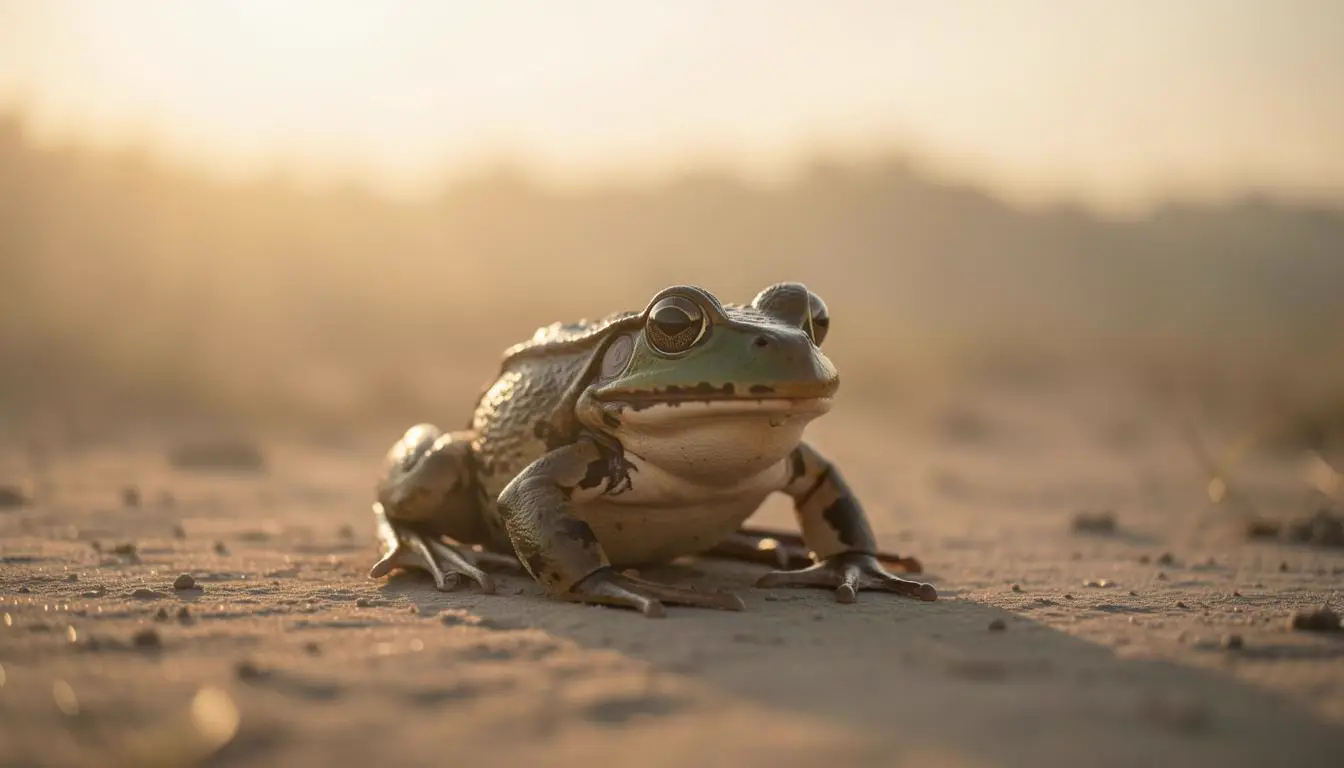
The United States is facing a severe amphibian extinction crisis, with over a third of its native species at risk of disappearing forever. The challenge is exacerbated by misconceptions and myths that hinder effective regulatory responses. Let's debunk seven common myths surrounding the US amphibian extinction crisis.
Myth 1: The decline is natural and inevitable
“The current decline in amphibian populations is not a natural phenomenon; it's primarily driven by human activities. - Dr. Karen Lips, University of Maryland”
Human activities such as habitat destruction, pollution, and climate change are the primary drivers of the amphibian extinction crisis. The claim that the decline is natural and inevitable is a misconception that undermines the urgency of conservation efforts.
Myth 2: Regulations are ineffective against the crisis
Effective regulations, such as the Endangered Species Act, have proven successful in preserving US amphibian species. The claim that regulations are ineffective is a myth that undercuts the importance of strong regulatory frameworks.
| Method | Effectiveness | Feasibility |
|---|---|---|
| Regulations | High | Moderate |
| Habitat restoration | High | High |
| Ex-situ conservation | Moderate | High |
| Introducing exotic species | Low | Low |
Myth 3: Habitat restoration can replace lost habitats
While habitat restoration is crucial, it cannot replace the habitats lost due to deforestation, agriculture, and urbanization. The claim that habitat restoration can simply replace lost habitats is a misconception that overlooks the scale and urgency of the crisis.
Myth 4: Climate change is the only critical factor driving the crisis
“Habitat loss and degradation are the primary drivers of amphibian declines, with climate change exacerbating these threats. - Dr. R. Alexander Pyron, George Washington University”
Climate change, while a significant threat, is not the only factor driving the amphibian extinction crisis. Habitat loss and degradation, pollution, and disease are also major contributors.
Myth 5: The crisis only affects 'exotic' species
The amphibian extinction crisis affects both native and exotic species. The claim that only 'exotic' species are at risk is a misconception that overlooks the diversity of species in danger.
Myth 6: Conservation efforts are too expensive
Conservation efforts are often more cost-effective than the alternative of inaction. The claim that conservation is too expensive overlooks the long-term costs of inaction.
Cost of conservation vs. inaction
Myth 7: Individual actions don't make a difference
Individual actions, such as reducing water usage and supporting conservation organizations, can collectively make a significant difference in preserving US amphibian species. The claim that individual actions are futile overlooks the power of collective action.
Frequently asked questions
What is the primary driver of the US amphibian extinction crisis?+
Habitat loss and degradation, primarily due to human activities such as deforestation, agriculture, and urbanization.
How effective are regulations in protecting US amphibian species?+
Strong regulations, such as the Endangered Species Act, have proven successful in preserving US amphibian species.
What can individuals do to help preserve US amphibian species?+
Individuals can support conservation organizations, reduce water usage, and advocate for strong regulations.