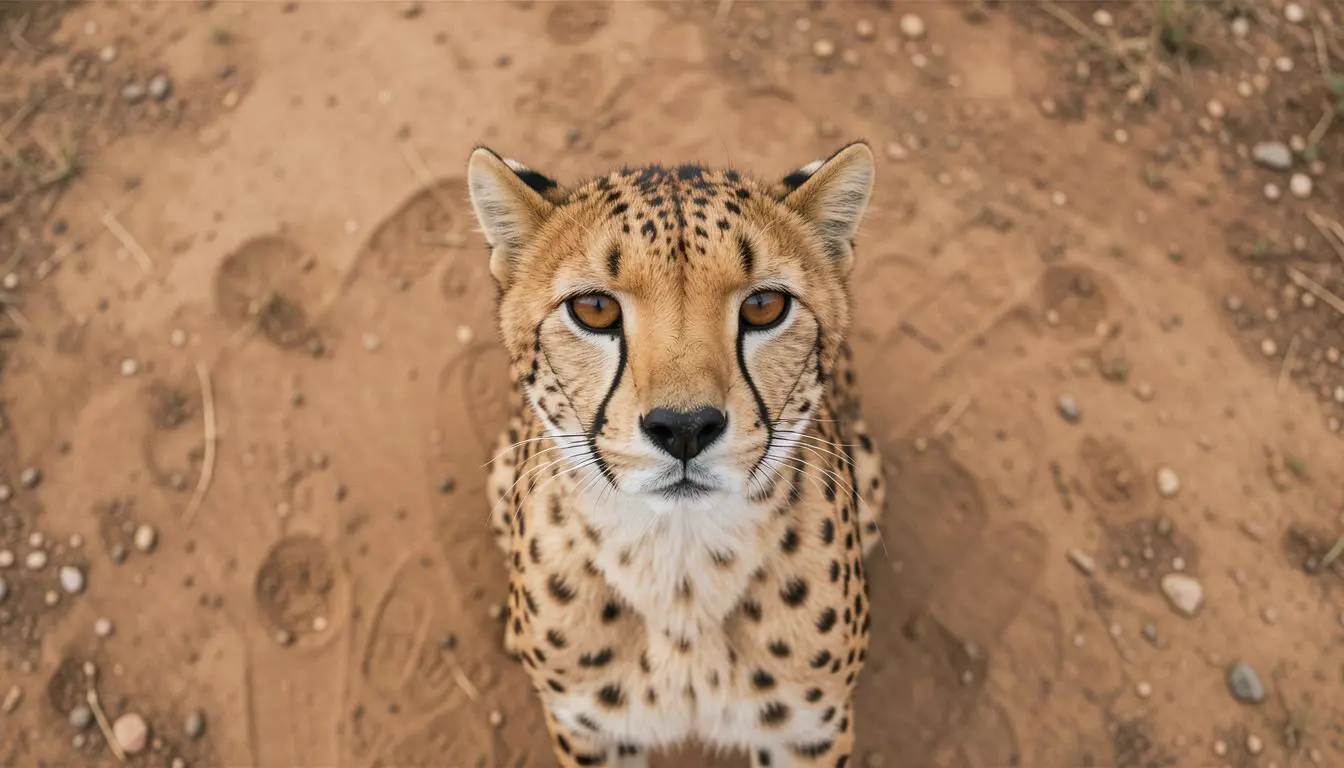
In the past decade, cheetah reintroduction programs have made strides in restoring the world's fastest land animal to its former habitats. However, these efforts have faced varying degrees of success and challenges.
Early Success Stories: South Africa and Namibia
South Africa and Namibia have seen some of the most notable successes in cheetah reintroduction. The Cheetah Conservation Fund (CCF) in Namibia has released over 500 cheetahs into the wild since 1994, with a 70% success rate (CCF, 2024). In South Africa, the De Hoop Nature Reserve has seen a stable cheetah population since their reintroduction in 2007 (SANParks, 2024).
Challenges Faced in Reintroduction Programs
“The single most important factor limiting cheetah recovery is the lack of suitable habitat and prey base.”
Community Involvement and Education
Engaging local communities and educating them about the importance of cheetah conservation has proven vital for reintroduction success. For instance, the CCF's 'Human-Cheetah Conflict Resolution' program has reduced cheetah-livestock conflict by teaching farmers better livestock management practices (CCF, 2024).
| Region | 2015 | 2020 | 2024 |
|---|---|---|---|
| Namibia | 2-300 | 350-400 | 450-500 |
| South Africa | 150-200 | 200-250 | 250-300 |
| Zimbabwe | 50-100 | 100-150 | 150-200 |
Cheetah population trends in reintroduction sites (2015-2024)
Faqs About Cheetah Reintroduction Programs
Frequently asked questions
How many cheetahs have been reintroduced into the wild?+
Over 1,500 cheetahs have been reintroduced into the wild worldwide since the 1980s, with around 1,000 of those in the past decade (CCF, 2024).
What are some of the main challenges facing cheetah reintroduction programs?+
Inadequate prey base, habitat loss, human-wildlife conflict, and genetic diversity concerns are the main challenges facing cheetah reintroduction programs.