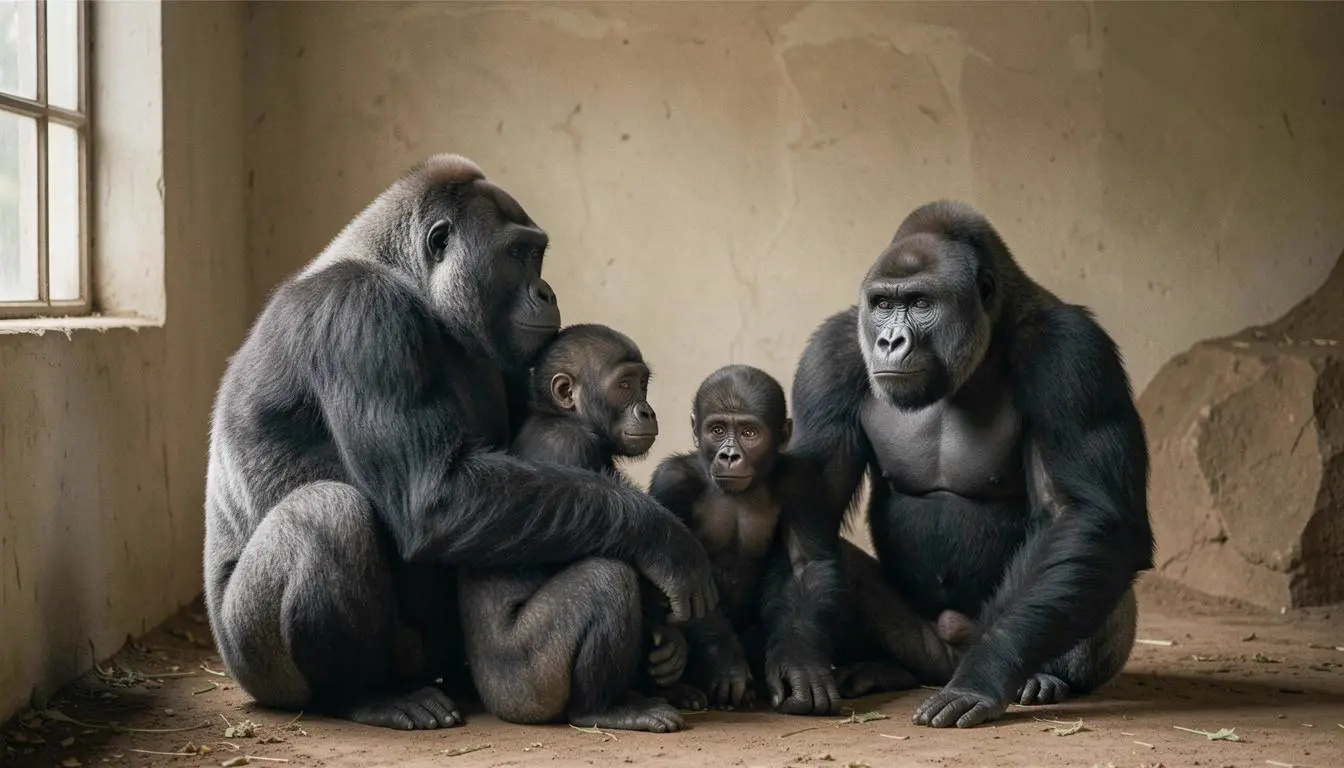
Mountain gorilla populations have faced significant challenges due to habitat loss, disease, and poaching. However, recent trends show a glimmer of hope. In 2024, the total mountain gorilla population is estimated to be around 1,000 individuals, a significant increase from the low of 620 in the late 1980s. This article explores the evidence-led strategies that have contributed to this recovery and outlines three conservation strategies that could further stabilize and grow mountain gorilla populations.
Habitat Protection: The Backbone of Conservation
Habitat protection is the backbone of mountain gorilla conservation. The creation of protected areas like Bwindi Impenetrable National Park in Uganda and Volcanoes National Park in Rwanda has significantly contributed to the increase in mountain gorilla populations.
“The establishment of protected areas has been crucial for the recovery of mountain gorilla populations. However, it is not enough on its own. We need a multi-faceted approach that includes community involvement and sustainable tourism.”
| Park | 1989 | 2018 | 2024 (Estimated) |
|---|---|---|---|
| Bwindi Impenetrable National Park | 300 | 480 | 550 |
| Volcanoes National Park | 240 | 410 | 450 |
| Mgahinga Gorilla National Park | 60 | 90 | 100 |
Community-Based Conservation: A Key Supporting Strategy
Community involvement is crucial for the long-term success of mountain gorilla conservation. Community-based conservation initiatives have led to a reduction in human-wildlife conflict and an increase in local support for conservation efforts.
Sustainable Gorilla Tourism: A Viable Income Source
Gorilla tourism has emerged as a viable income source for local communities and a significant contributor to conservation efforts. In Rwanda, for instance, gorilla trekking permits generate around $15 million annually, which goes towards conservation efforts and community development.
Expanding Habitat Protection
While the existing protected areas have played a pivotal role in mountain gorilla conservation, there is a need to expand these areas to include critical habitats outside the parks. This can be achieved through the establishment of community-led protected areas and the expansion of existing parks where possible.
Mountain gorilla population trends (2010-2025)
Expanding Community-Based Conservation
Community-based conservation initiatives should be expanded to include more communities living around the Virunga Mountains. This can be achieved through education, awareness campaigns, and the provision of alternative livelihoods that reduce dependence on natural resources.
Frequently asked questions
What is the current mountain gorilla population?+
In 2024, the estimated mountain gorilla population is around 1,000 individuals.
What are the main threats to mountain gorillas?+
Habitat loss, disease, and poaching are the main threats to mountain gorillas.
How can I support mountain gorilla conservation?+
You can support mountain gorilla conservation by donating to reputable organizations, advocating for strong wildlife protection policies, and practicing sustainable tourism.