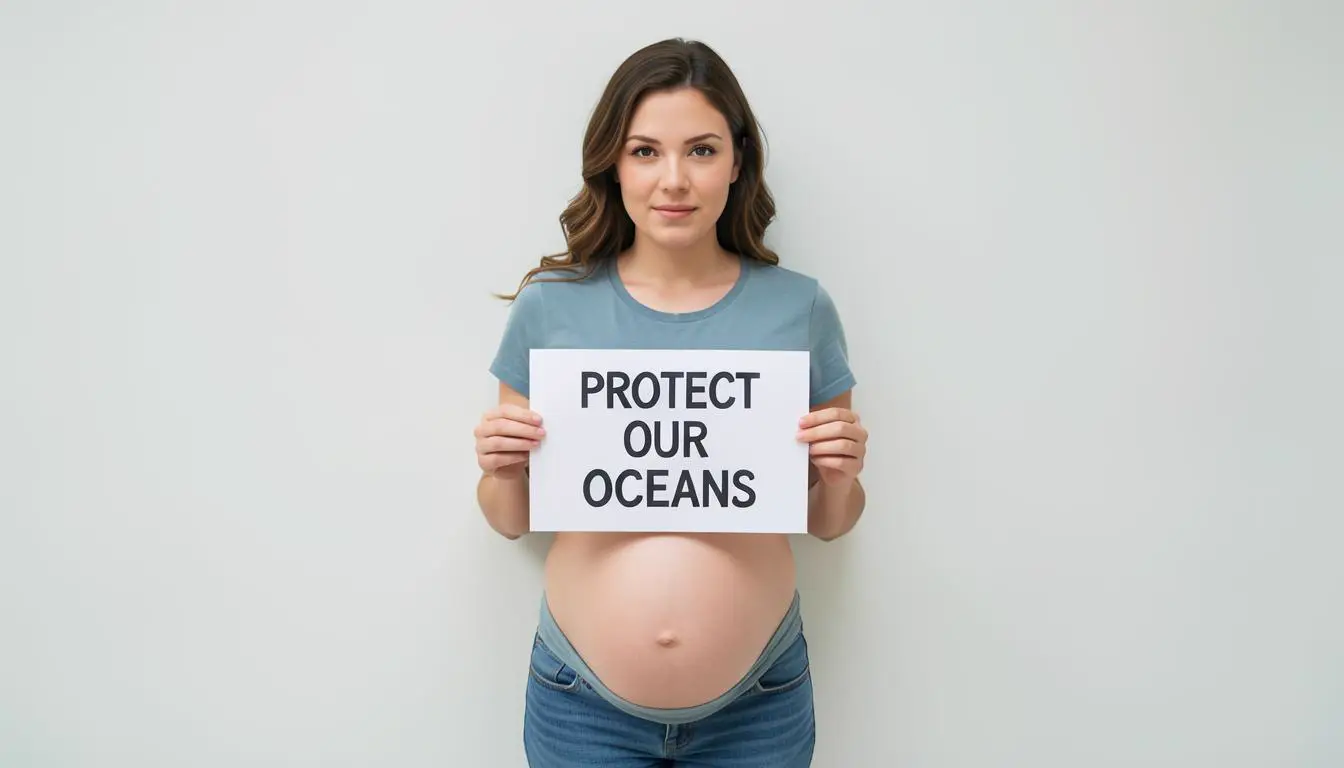
মহাসাগরীয় জীববৈচিত্র্য হ্রাসের দামি ট্যাগ হয়তো অদৃশ্য মনে হতে পারে, কিন্তু এর প্রকৃত মূল্য সুদূরপ্রসারী এবং লক্ষ লক্ষ মানুষের জীবনকে প্রভাবিত করে, যার মধ্যে গর্ভবতী ও প্রসূতি মায়েরাও রয়েছেন। এই নিবন্ধটি মহাসাগরীয় জীববৈচিত্র্য হ্রাসের লুকানো ব্যয়, ভর্তুকি এবং বাহ্যিক প্রভাব এবং কীভাবে তারা বিশ্বব্যাপী মা ও পরিবারের স্বাস্থ্য, জলবায়ু, প্রাণী কল্যাণ এবং শ্রম খরচকে প্রভাবিত করে তা নিয়ে আলোচনা করে।
জাতিসংঘ অনুমান করে যে শুধুমাত্র অতিরিক্ত মাছ ধরার কারণে বিশ্বব্যাপী প্রতি বছর ৫০ বিলিয়ন ডলারের অর্থনৈতিক ক্ষতি হয়, যার মধ্যে ক্ষুদ্র-পরিসরের জেলে এবং তাদের পরিবার, যাদের মধ্যে অনেকেই নারী, তারা অসমভাবে ক্ষতিগ্রস্ত হয় (FAO, ২০২৩)।
স্বাস্থ্য খরচ: মাতৃ ও শিশু স্বাস্থ্যের উপর প্রভাব
মহাসাগরীয় জীববৈচিত্র্য হ্রাসের মাতৃ ও শিশু স্বাস্থ্যের জন্য মারাত্মক প্রভাব রয়েছে। দ্য ল্যানসেট প্ল্যানেটারি হেলথ (২০১৯) -এ প্রকাশিত একটি গবেষণায় দেখা গেছে যে উচ্চ মাত্রার সামুদ্রিক জীববৈচিত্র্য সহ উপকূলীয় সম্প্রদায়ের মা ও শিশুদের পুষ্টিকর সামুদ্রিক খাবারে ভাল অ্যাক্সেস ছিল, যার ফলে স্বাস্থ্যের ফলাফল উন্নত হয়েছে। বিপরীতে, মহাসাগরের অবক্ষয় খাদ্য নিরাপত্তাহীনতা, অপুষ্টি এবং রোগের প্রতি সংবেদনশীলতা বৃদ্ধি করতে পারে।
“আমাদের মহাসাগরের স্বাস্থ্য সরাসরি আমাদের পরিবার ও সম্প্রদায়ের স্বাস্থ্যের সাথে যুক্ত। আমরা যখন মহাসাগরের জীববৈচিত্র্য রক্ষা করি, তখন আমরা গর্ভবতী ও প্রসূতি মা এবং তাদের সন্তানদের মঙ্গলের জন্য বিনিয়োগ করি।”
জলবায়ু খরচ: মহাসাগরীয় জীববৈচিত্র্য এবং জলবায়ু পরিবর্তনের মধ্যে সংযোগ
মহাসাগরীয় জীববৈচিত্র্য হ্রাস জলবায়ু পরিবর্তনকে আরও বাড়িয়ে তোলে, একটি দুষ্টচক্র তৈরি করে যা গর্ভবতী ও প্রসূতি মায়েদের অসমভাবে প্রভাবিত করে। সুস্থ মহাসাগরগুলি উল্লেখযোগ্য পরিমাণে কার্বন ডাই অক্সাইড শোষণ করে, কিন্তু জীববৈচিত্র্য হ্রাস পাওয়ার সাথে সাথে এই গুরুত্বপূর্ণ কার্বন সিঙ্কও হ্রাস পায়। তাছাড়া, ম্যানগ্রোভ, সামুদ্রিক ঘাস এবং প্রবাল প্রাচীরের ক্ষতি, যা উপকূলীয় সম্প্রদায়কে ঝড় ও সমুদ্রপৃষ্ঠের উচ্চতা বৃদ্ধি থেকে রক্ষা করে, মা ও তাদের পরিবারকে জলবায়ু-সম্পর্কিত দুর্যোগের জন্য ক্রমবর্ধমানভাবে ঝুঁকিপূর্ণ করে তোলে (WWF, ২০২৪)।
| খরচ বিভাগ | বার্ষিক খরচ (মার্কিন ডলার) | মা ও পরিবারের উপর প্রভাব |
|---|---|---|
| স্বাস্থ্য খরচ | ১৫০ বিলিয়ন | মাতৃ ও শিশু অপুষ্টি, খাদ্য নিরাপত্তাহীনতা এবং রোগের প্রতি সংবেদনশীলতা বৃদ্ধি |
| জলবায়ু খরচ | ১.৭ ট্রিলিয়ন | কার্বন শোষণ হ্রাস, জলবায়ু-সম্পর্কিত দুর্যোগের প্রতি দুর্বলতা বৃদ্ধি |
| প্রাণী কল্যাণ খরচ | প্রযোজ্য নয় | অগণিত সামুদ্রিক প্রজাতির কষ্ট ও মৃত্যু, বাস্তুতন্ত্রের ব্যাঘাত |
প্রাণী কল্যাণ খরচ: সামুদ্রিক জীবনের কষ্ট
মহাসাগরীয় জীববৈচিত্র্য হ্রাস সামুদ্রিক জীবনের জন্য প্রচণ্ড কষ্ট নিয়ে আসে, যেখানে অগণিত প্রজাতি মানবিক ক্রিয়াকলাপের কারণে ব্যথা, আঘাত এবং মৃত্যুর সম্মুখীন হয়। এই কষ্টের অর্থনৈতিক খরচ পরিমাপ করা কঠিন হলেও, গর্ভবতী ও প্রসূতি মায়েদের জন্য নৈতিক প্রভাব, যারা প্রায়শই সমস্ত জীবের মঙ্গলকে অগ্রাধিকার দেন, তা গভীর।
শ্রম খরচ: নারী ও পরিবারের উপর অর্থনৈতিক প্রভাব
মহাসাগরীয় জীববৈচিত্র্য হ্রাস নারী ও পরিবারের জীবিকাকে অসমভাবে প্রভাবিত করে যারা তাদের আয়ের জন্য সুস্থ মহাসাগরের উপর নির্ভরশীল। মেরিন পলিসি (২০২১) -এ প্রকাশিত একটি গবেষণায় দেখা গেছে যে উপকূলীয় সম্প্রদায়ের নারীরা সামুদ্রিক খাদ্য শিল্পে নিযুক্ত হওয়ার সম্ভাবনা বেশি, যা অতিরিক্ত মাছ ধরা এবং মহাসাগরের অন্যান্য ধরনের অবক্ষয়ের দ্বারা মারাত্মকভাবে প্রভাবিত হয়। ফলস্বরূপ, মা ও পরিবারগুলি অর্থনৈতিক নিরাপত্তাহীনতা, বর্ধিত চাপ এবং প্রয়োজনীয় পরিষেবাগুলিতে সীমিত অ্যাক্সেসের মুখোমুখি হয়।
অঞ্চল অনুসারে অতিরিক্ত মাছ ধরার কারণে অর্থনৈতিক ক্ষতি (সূত্র: FAO, ২০২৩)
মহাসাগরীয় জীববৈচিত্র্য হ্রাসের প্রকৃত মূল্য কীভাবে হ্রাস করা যায়
মহাসাগরীয় জীববৈচিত্র্য হ্রাসের প্রকৃত মূল্য কীভাবে হ্রাস করা যায়
- 1
১. টেকসই মাছ ধরার চর্চা সমর্থন করুন
অতিরিক্ত মাছ ধরা এবং আবাসস্থল ধ্বংস কমাতে দায়িত্বশীল মাছ ধরার পদ্ধতি এবং টেকসই সামুদ্রিক খাবারের পছন্দ প্রচার করুন।
- 2
২. প্লাস্টিক দূষণ হ্রাস করুন
একক-ব্যবহারের প্লাস্টিক সীমিত করুন এবং মহাসাগরের প্লাস্টিক দূষণ হ্রাস করে এমন নীতিগুলি সমর্থন করুন, যা সামুদ্রিক জীবনের ক্ষতি করে এবং খাদ্য শৃঙ্খলে প্রবেশ করে।
- 3
৩. গুরুত্বপূর্ণ আবাসস্থল রক্ষা করুন
ম্যানগ্রোভ, সামুদ্রিক ঘাস এবং প্রবাল প্রাচীর সংরক্ষণ ও পুনরুদ্ধার করুন, যা প্রয়োজনীয় বাস্তুতন্ত্র পরিষেবা প্রদান করে এবং সামুদ্রিক জীববৈচিত্র্যকে সমর্থন করে।
- 4
৪. শক্তিশালী মহাসাগর শাসনের পক্ষে ওকালতি করুন
আন্তর্জাতিক ও জাতীয় নীতিগুলি সমর্থন করুন যা মহাসাগর শাসনকে শক্তিশালী করে, ধ্বংসাত্মক শিল্পের জন্য ভর্তুকি হ্রাস করে এবং টেকসই মহাসাগর ব্যবহারকে উৎসাহিত করে।
সচরাচর জিজ্ঞাসিত প্রশ্ন
মহাসাগরীয় জীববৈচিত্র্য হ্রাস কীভাবে মাতৃস্বাস্থ্যকে প্রভাবিত করে?+
মহাসাগরীয় জীববৈচিত্র্য হ্রাস খাদ্য নিরাপত্তাহীনতা, অপুষ্টি এবং রোগের প্রতি সংবেদনশীলতা বৃদ্ধি করতে পারে, যা সবই মাতৃস্বাস্থ্যকে প্রভাবিত করে।
মহাসাগরীয় জীববৈচিত্র্য এবং জলবায়ু পরিবর্তনের মধ্যে সংযোগ কী?+
সুস্থ মহাসাগরগুলি উল্লেখযোগ্য পরিমাণে কার্বন ডাই অক্সাইড শোষণ করে, কিন্তু জীববৈচিত্র্য হ্রাস পাওয়ার সাথে সাথে এই গুরুত্বপূর্ণ কার্বন সিঙ্কও হ্রাস পায়। উপরন্তু, ম্যানগ্রোভ, সামুদ্রিক ঘাস এবং প্রবাল প্রাচীরের ক্ষতি উপকূলীয় সম্প্রদায়কে জলবায়ু-সম্পর্কিত দুর্যোগের জন্য ক্রমবর্ধমানভাবে ঝুঁকিপূর্ণ করে তোলে।
আমরা কীভাবে মহাসাগরীয় জীববৈচিত্র্য হ্রাসের প্রকৃত মূল্য হ্রাস করতে পারি?+
টেকসই মাছ ধরার চর্চা সমর্থন করা, প্লাস্টিক দূষণ হ্রাস করা, গুরুত্বপূর্ণ আবাসস্থল রক্ষা করা এবং শক্তিশালী মহাসাগর শাসনের পক্ষে ওকালতি করা মহাসাগরীয় জীববৈচিত্র্য হ্রাসের প্রকৃত মূল্য হ্রাস করতে সাহায্য করতে পারে।