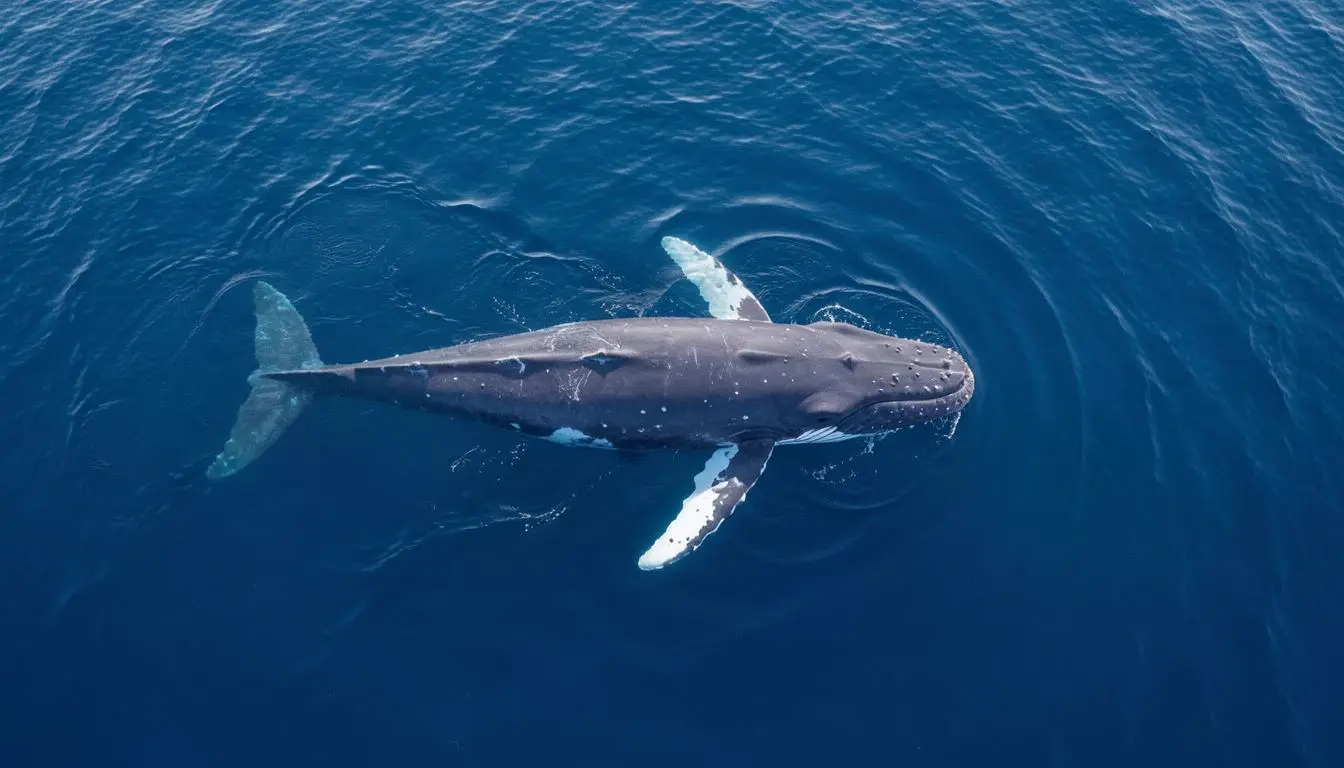
উচ্চ-সমুদ্র চুক্তি, যা আনুষ্ঠানিকভাবে জাতীয় এখতিয়ারের বাইরে জীববৈচিত্র্য (BBNJ) চুক্তি নামে পরিচিত, এটি উচ্চ-সমুদ্রে সামুদ্রিক জীববৈচিত্র্য সংরক্ষণের লক্ষ্যে একটি ঐতিহাসিক আন্তর্জাতিক উপকরণ। ২০২৩ সালে গৃহীত, এটি টেকসইতা এবং সুষম মহাসাগর ব্যবহারের দিকে একটি গুরুত্বপূর্ণ পদক্ষেপ চিহ্নিত করে।
উচ্চ-সমুদ্র চুক্তি কী করে?
উচ্চ-সমুদ্র চুক্তি উচ্চ-সমুদ্রে সামুদ্রিক জীববৈচিত্র্য রক্ষা ও টেকসইভাবে ব্যবহারের জন্য বেশ কয়েকটি ব্যবস্থা প্রবর্তন করে। মূল বিধানগুলির মধ্যে রয়েছে:
মূল বিধান
- 1
সংরক্ষণ ও টেকসই ব্যবহার
সামুদ্রিক সুরক্ষিত এলাকা সহ সামুদ্রিক জীববৈচিত্র্য সংরক্ষণ ও টেকসই ব্যবহারের ব্যবস্থা প্রতিষ্ঠা করে।
- 2
সামুদ্রিক জিনগত সম্পদ
সামুদ্রিক জিনগত সম্পদে প্রবেশাধিকার এবং সুবিধা ভাগাভাগি নিয়ন্ত্রণ করে।
- 3
পরিবেশগত প্রভাব মূল্যায়ন
উচ্চ-সমুদ্রে কার্যকলাপের জন্য পরিবেশগত প্রভাব মূল্যায়ন প্রচার করে।
- 4
ক্ষমতা-নির্মাণ ও প্রযুক্তি হস্তান্তর
উন্নয়নশীল দেশগুলিতে ক্ষমতা-নির্মাণ এবং প্রযুক্তি হস্তান্তরকে উৎসাহিত করে।
এটি কাদের কভার করে?
উচ্চ-সমুদ্র চুক্তি সমস্ত রাষ্ট্র এবং প্রাসঙ্গিক আন্তর্জাতিক সংস্থার ক্ষেত্রে প্রযোজ্য। এটি সামুদ্রিক জিনগত সম্পদ এবং উচ্চ-সমুদ্রে সামুদ্রিক জীববৈচিত্র্যকে প্রভাবিত করে বা প্রভাবিত করতে পারে এমন যেকোনো কার্যকলাপ কভার করে।
এটি কাদের বাদ দেয়?
চুক্তি কাউকে বাদ দেয় না বরং নীতি ও ব্যবস্থা নির্ধারণ করে যাতে উচ্চ-সমুদ্রে কার্যকলাপ টেকসই হয় এবং সামুদ্রিক জীববৈচিত্র্যের উপর নেতিবাচক প্রভাব না ফেলে। এটি সকল স্টেকহোল্ডারকে এর বাস্তবায়নে অংশগ্রহণ করতে উৎসাহিত করে।
প্রয়োগ রেকর্ড ও সংস্কার প্রস্তাব
এখন পর্যন্ত, চুক্তিটি ১৩৬টি রাষ্ট্র দ্বারা স্বাক্ষরিত হয়েছে কিন্তু এখনও কার্যকর হয়নি। একবার কার্যকর হলে, এটি বাস্তবায়ন সহজতর করার জন্য একটি সচিবালয় এবং অগ্রগতি পর্যালোচনা ও সিদ্ধান্ত নেওয়ার জন্য পক্ষগুলির একটি সভা প্রতিষ্ঠা করবে। সংস্কার প্রস্তাবগুলি প্রয়োগ ব্যবস্থা শক্তিশালীকরণ এবং উন্নয়নশীল দেশগুলির কার্যকর অংশগ্রহণ নিশ্চিত করার উপর দৃষ্টি নিবদ্ধ করে।
| চুক্তি | পরিধি | সংরক্ষণ ব্যবস্থা | শাসন |
|---|---|---|---|
| UNCLOS | উচ্চ-সমুদ্র অন্তর্ভুক্ত | সীমিত সংরক্ষণ ব্যবস্থা | জাতীয় এখতিয়ার প্রতিষ্ঠা করে |
| বন কনভেনশন | পরিযায়ী প্রজাতির উপর দৃষ্টি নিবদ্ধ করে | সুরক্ষিত এলাকা প্রতিষ্ঠা করে | একটি সচিবালয় ও পক্ষগুলির সভা রয়েছে |
| উচ্চ-সমুদ্র চুক্তি | উচ্চ-সমুদ্রের উপর দৃষ্টি নিবদ্ধ করে | সংরক্ষণ ব্যবস্থা প্রতিষ্ঠা করে | একটি সচিবালয় ও পক্ষগুলির সভা প্রতিষ্ঠা করে |
১৯৮০ সাল থেকে মহাসাগর-সম্পর্কিত আন্তর্জাতিক চুক্তিতে বৃদ্ধি
“উচ্চ-সমুদ্র চুক্তি আমাদের মহাসাগরের দীর্ঘমেয়াদী টেকসইতা নিশ্চিত করার দিকে একটি গুরুত্বপূর্ণ পদক্ষেপ। এটি আমাদের নীল গ্রহকে ভবিষ্যৎ প্রজন্মের জন্য রক্ষা করার একটি সুযোগ।”
প্রায়শই জিজ্ঞাসিত প্রশ্ন
কখন উচ্চ-সমুদ্র চুক্তি কার্যকর হবে?+
চুক্তিটি ৬০টি রাষ্ট্র দ্বারা অনুমোদিত হওয়ার ১২ মাস পরে কার্যকর হবে, যার মধ্যে কমপক্ষে ৪০টি উপকূলীয় রাষ্ট্র অন্তর্ভুক্ত থাকতে হবে।
চুক্তিটি কীভাবে গভীর-সমুদ্র খনির সমস্যা সমাধান করে?+
চুক্তিটি গভীর-সমুদ্র খনির নিয়ন্ত্রণের জন্য একটি কাঠামো প্রতিষ্ঠা করে, যার মধ্যে একটি নিয়ন্ত্রক কাঠামো তৈরি না হওয়া পর্যন্ত নতুন চুক্তি ইস্যুতে দুই বছরের স্থগিতাদেশ অন্তর্ভুক্ত রয়েছে।
ব্যক্তিরা কীভাবে উচ্চ-সমুদ্র চুক্তির বাস্তবায়নে অবদান রাখতে পারেন?+
ব্যক্তিরা মহাসাগর সংরক্ষণের গুরুত্ব সম্পর্কে সচেতনতা বাড়িয়ে, চুক্তির বাস্তবায়নের পক্ষে সমর্থন করে এবং মহাসাগর রক্ষায় কাজ করা সংস্থাগুলিকে সমর্থন করে অবদান রাখতে পারেন।