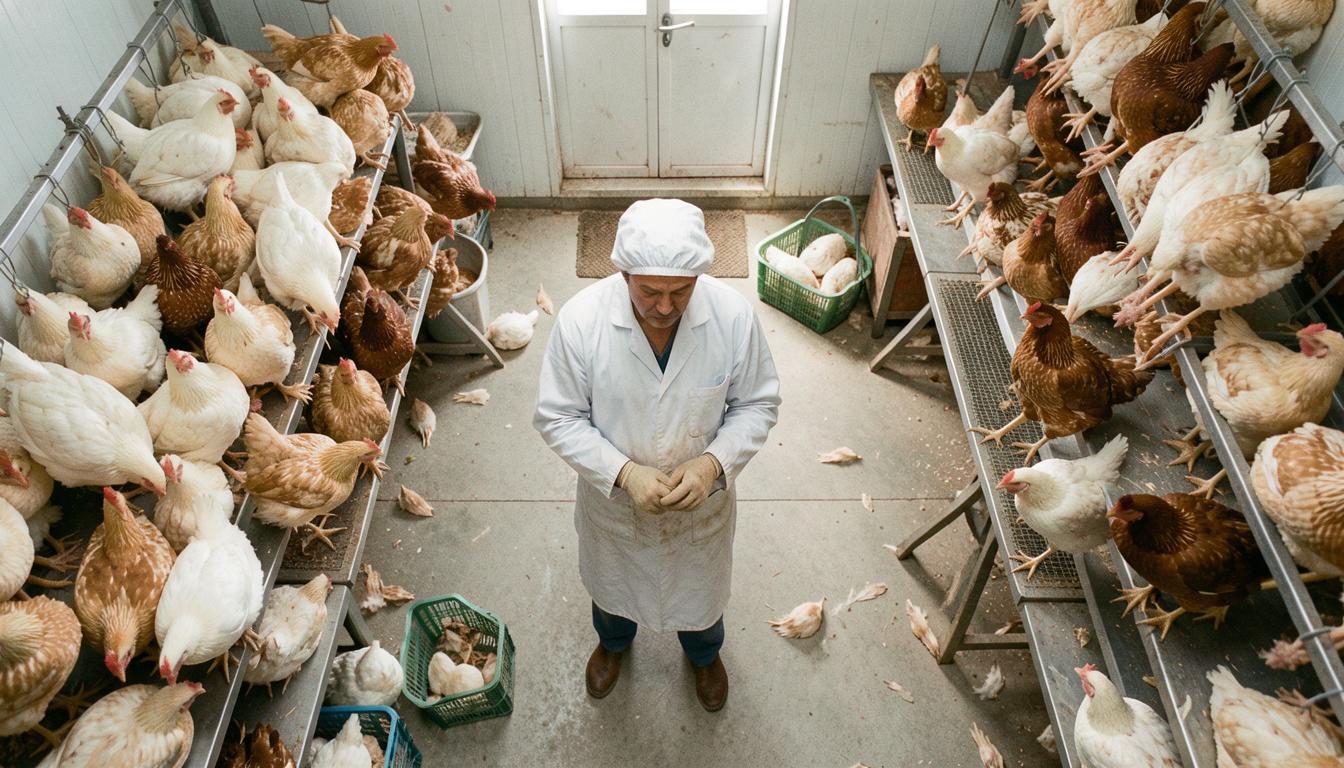
Dehorning ve Zoonotik Hastalık Riski: Karma Beslenme Ailesi için Dehorning Rehberi 2024
Dehorning, endüstriyel hayvancılıkta yaygın bir uygulama olsa da, zoonotik hastalık riskini ve karma beslenme aileleri için ne anlama geliyor?
4 dk okuma
Endüstriyel hayvancılık, dünya çapında tüketilen et, süt ve yumurtanın ezici çoğunluğunu üretiyor. Bu merkez, kapalı sistemlerin nasıl işlediği, yarattıkları refah ve halk sağlığı maliyetleri ile test edilen reformlar ve alternatifler hakkındaki haberlerimizi bir araya getiriyor.
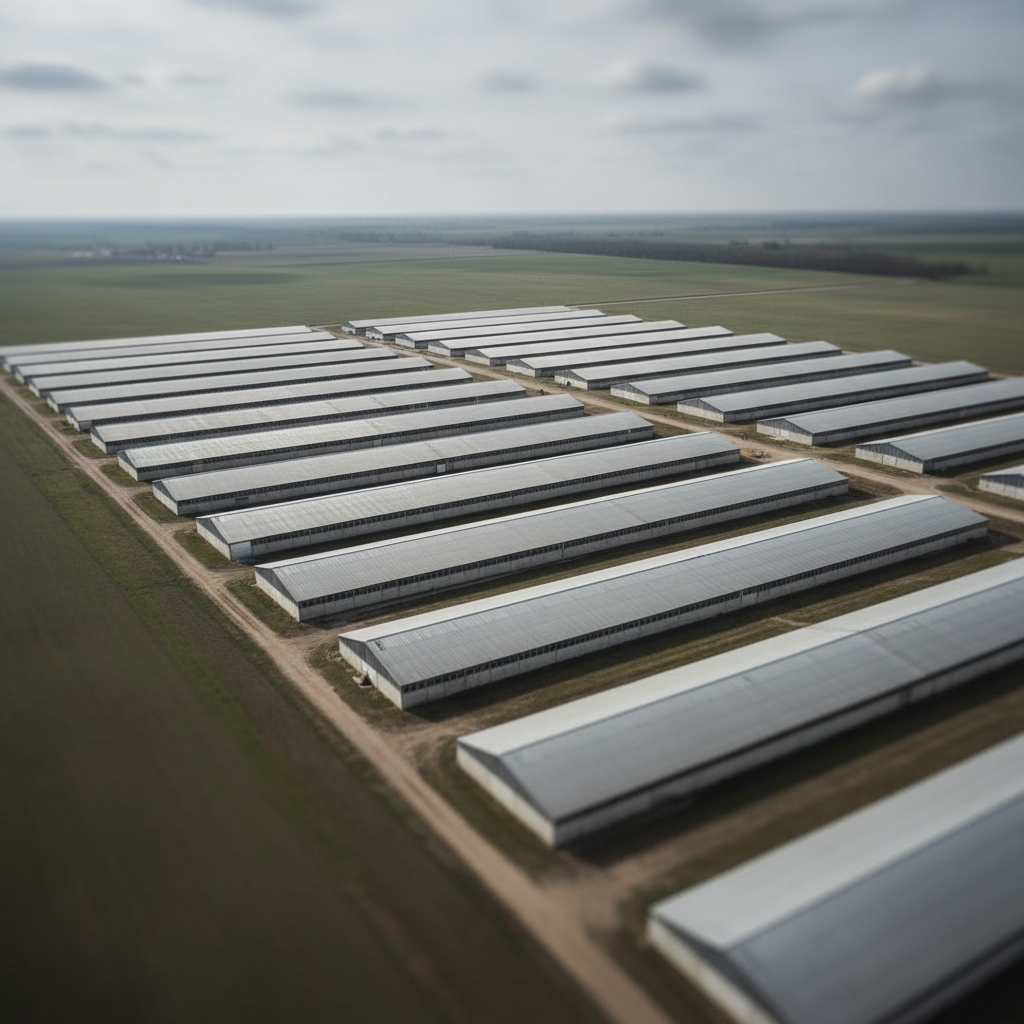
An in-depth look into the global poultry supply chain's dark secret, chick maceration, and the urgent need for accountability.
Yazan Mehmet Yildirim · 4 dk okuma
Dehorning, endüstriyel hayvancılıkta yaygın bir uygulama olsa da, zoonotik hastalık riskini ve karma beslenme aileleri için ne anlama geliyor?
4 dk okuma
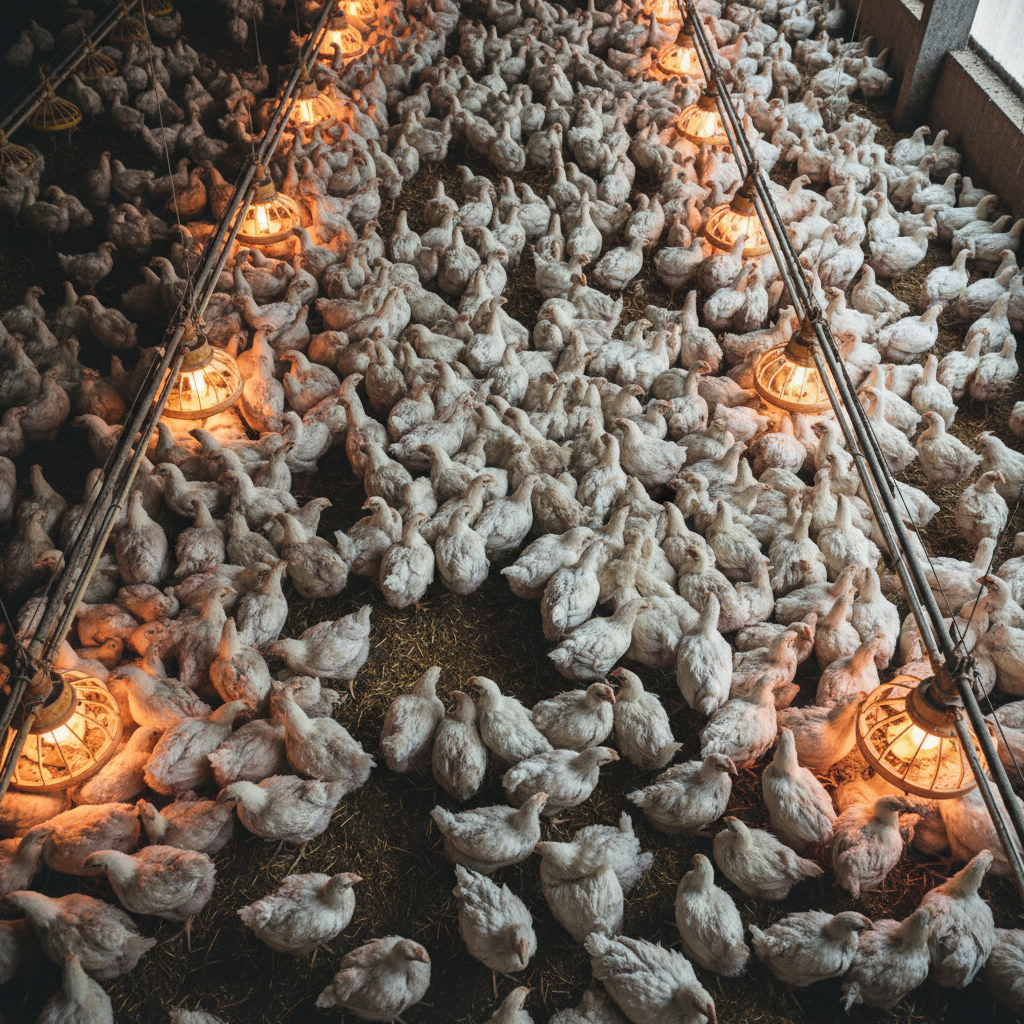
Batarya kafes sisteminin Latin Amerika'daki hayvan sağlığı ve işçiler için etkileri hakkında kesin gerçekler ve alternatif yollar.
4 dk okuma

ABD'de domuz kesiminde yaygın kullanılan CO2 bayıltma yönteminin çevresel adalet üzerindeki etkisini, yasal düzenlemeleri ve reform önerilerini inceliyoruz.
4 dk okuma
Batı Afrika'da tilapia üretiminde çiftliklerin yabancılaşmış ortamında tilapialarının doğal davranışlarıyla karşılaştırın.
4 dk okuma

Üniversitelerde paylaşılan mutfaklarda hayvan hakları konusunda farkındalık yaratmak için en etkili etkinlik türleri nelerdir? Çoğaltmacı veya bitkisel yemeklerin etkinliğe ne katkısı var?
4 dk okuma
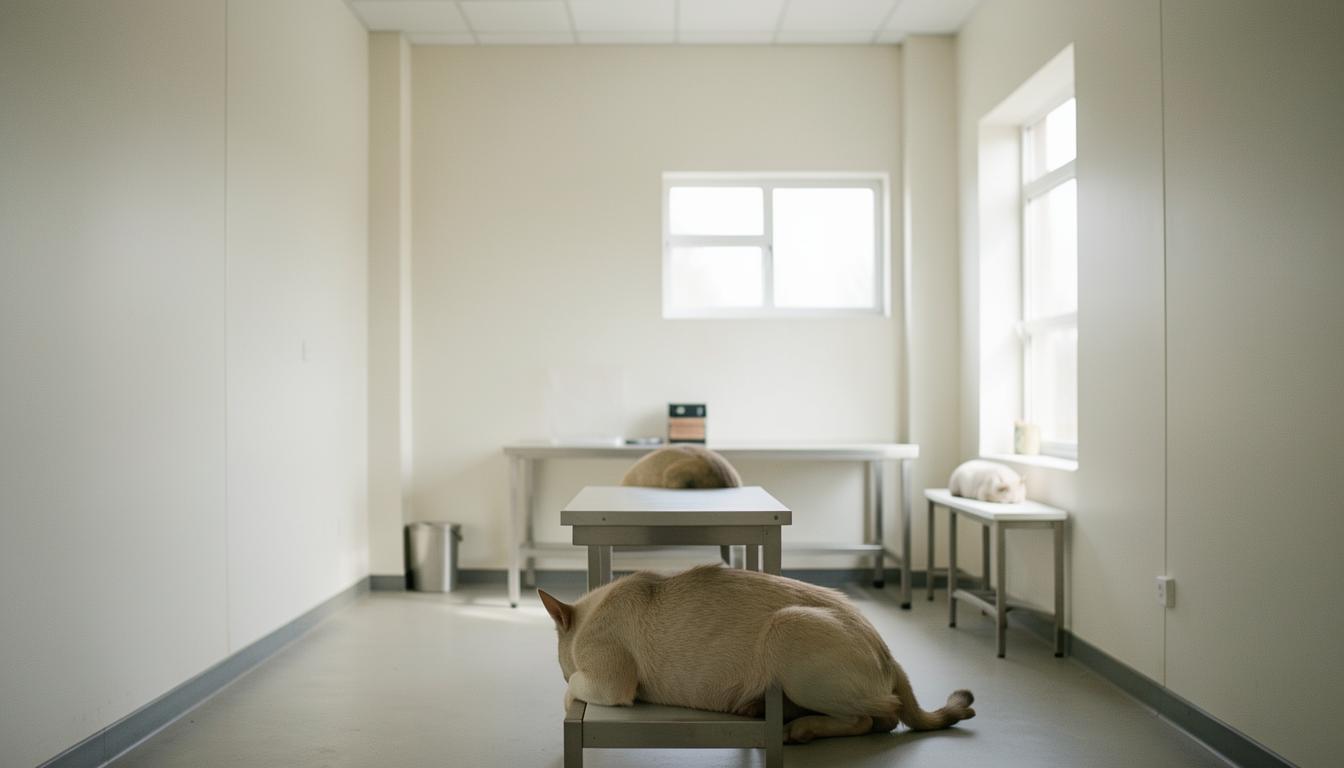
Castrasyonun acılı olmaması için kullanılan yöntemlerin maliyetleri ve etkinlikleri hakkında bir sistematik bakış
4 dk okuma
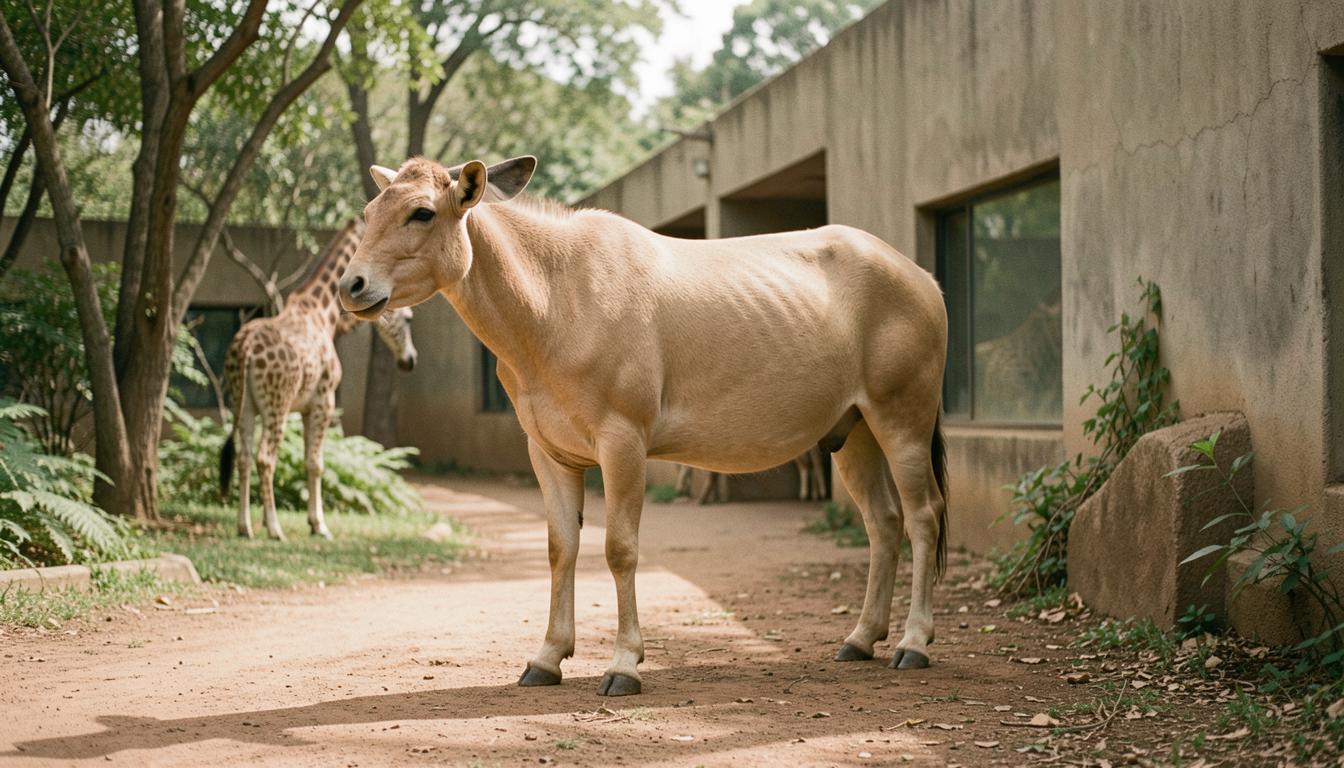
Yolcu hayvanat bahçelerinin Güney Afrika'da sona ermesi için ne tür adımlar atılmalı ve bunlar hayvan hakları hareketinin geleceği için ne anlama geliyor?
4 dk okuma
Tarihi koruma avı, And Dağlık Bölgesi'nde conservasyon argümanı inceleyin: eólica maliyet, verimlilik ve hayvan hakları açısından.
4 dk okuma
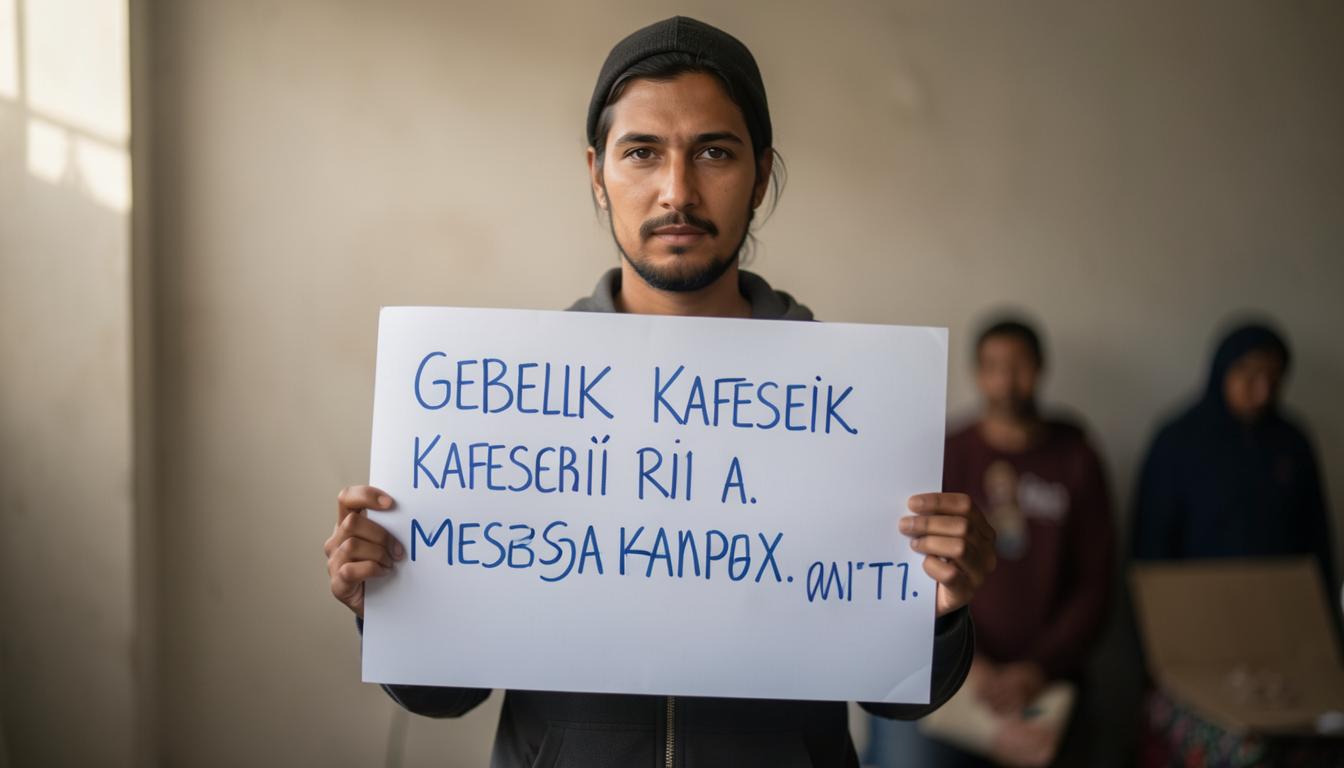
Düşük bütçeli kampanyalar için gebelik kafesleri karşıtı mesajlaşma stratejileri, etkili dil kullanımı ve veri odaklı taktiklerle hayvan refahı savunuculuğunu güçlendirin.
4 dk okuma
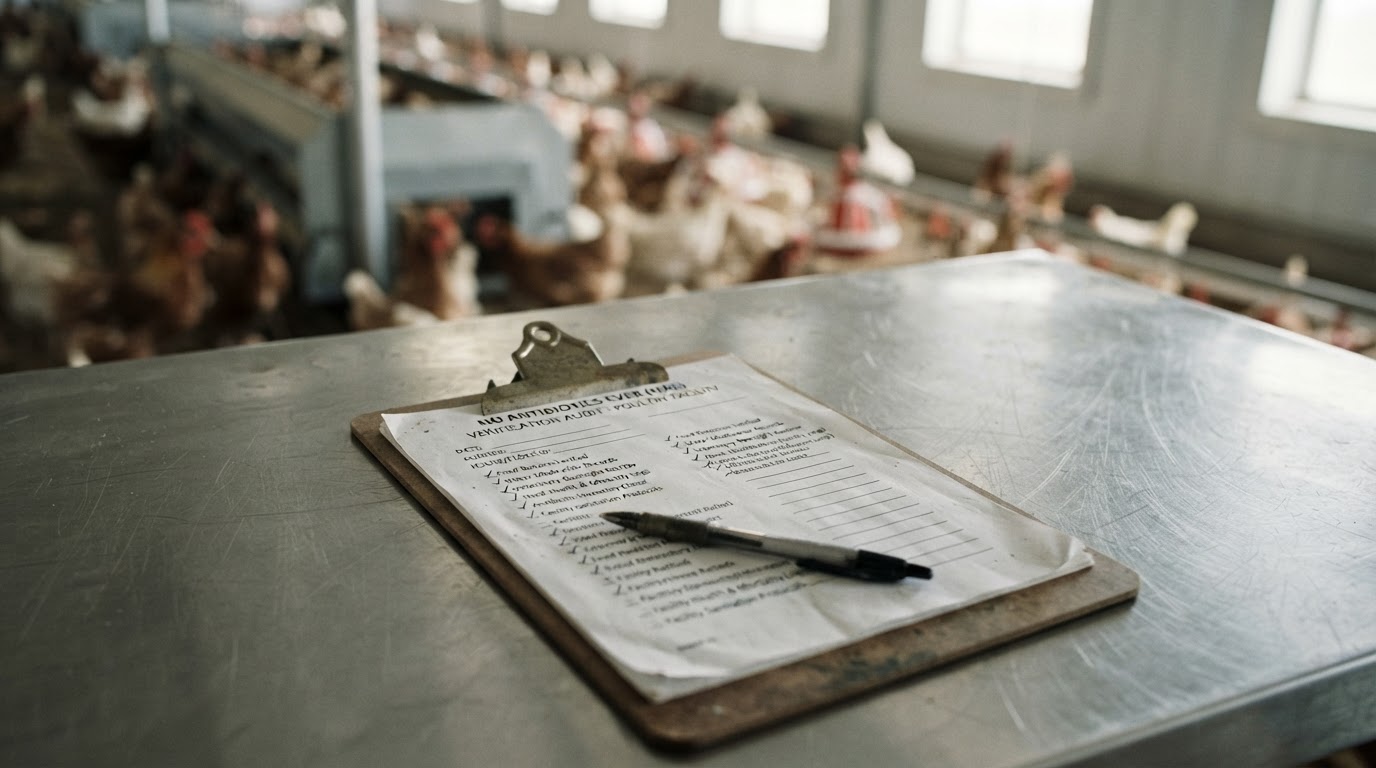
Endüstriyel hayvancılık, antimikrobiyal direnç krizini körükleyerek halk sağlığı için ciddi riskler oluşturmakta; sektörün pazarlama mesajları ise bu gerçekleri gizlemektedir.
4 dk okuma
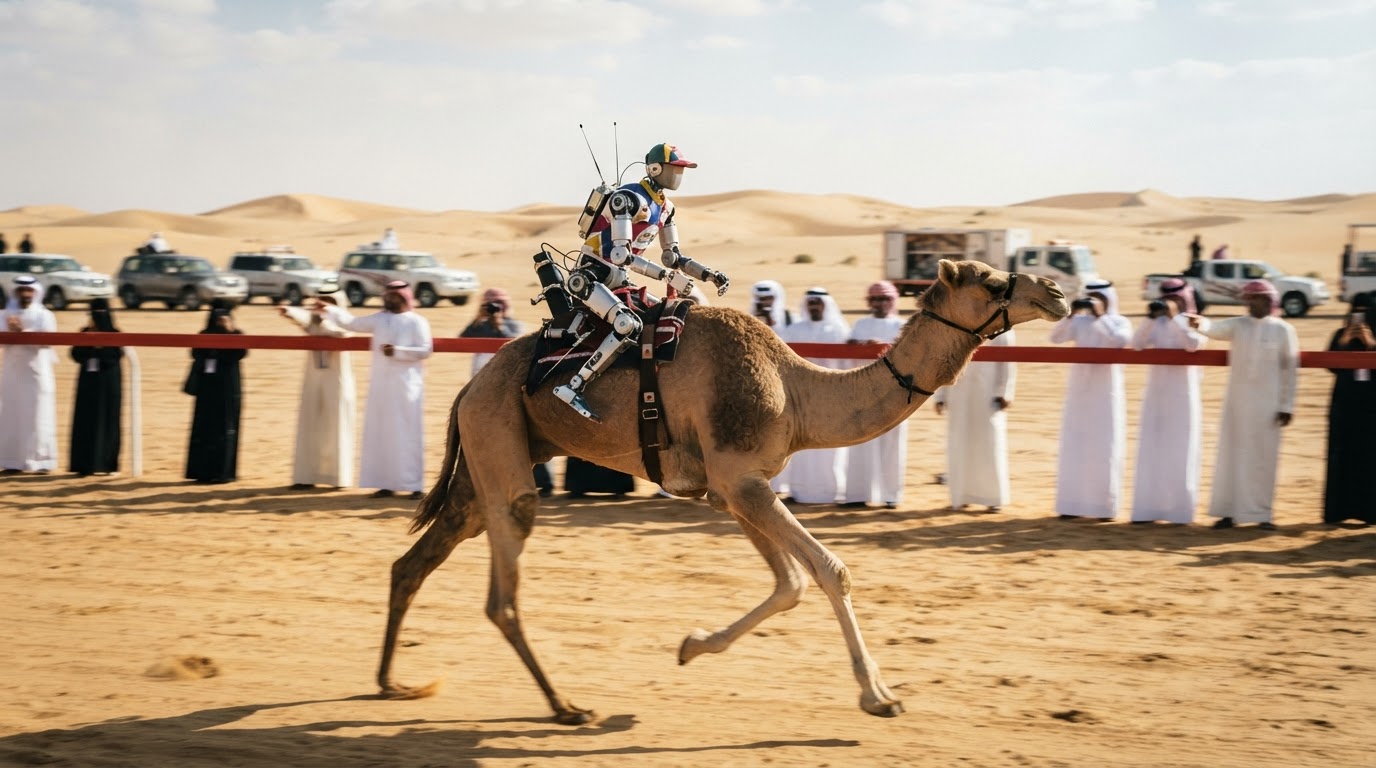
Deve yarışı etiği, robot jokey reformları aracılığıyla hayvan refahı standartlarını nasıl yükseltiyor ve bu dönüşüm, göçmen toplulukları için kültürel değerlerle nasıl kesişiyor?
4 dk okuma

Kafes sistemlerinin etik ve çevresel sorunları, alternatif proteinlere yapılan stratejik yatırımlarla nasıl dönüştürülebilir ve pazar benimsemesi nasıl artırılabilir?
4 dk okuma
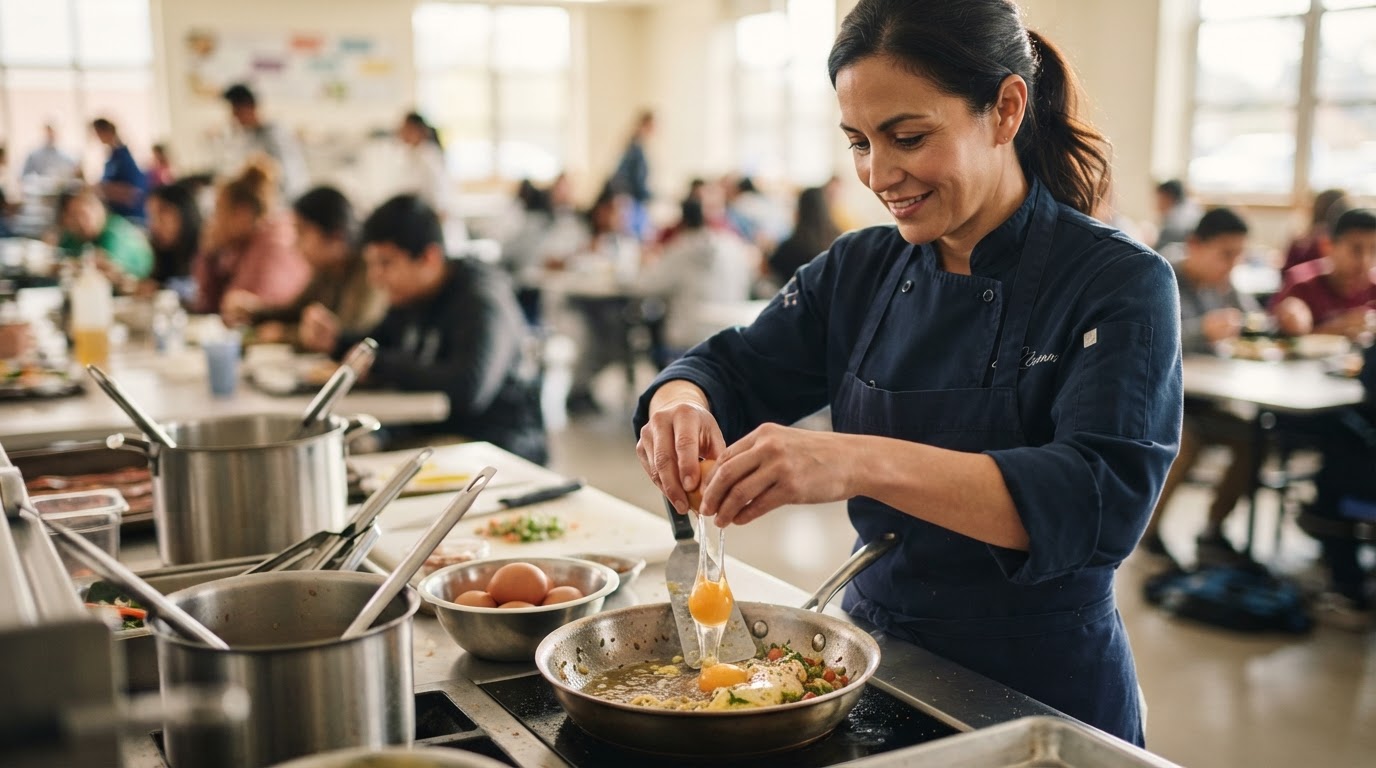
Batarya kafesleri kullanımından vazgeçmek için okul ve hastane tedarik reformu, hayvan refahını ve sürdürülebilir gıda sistemlerini destekleyen önemli bir adımdır.
4 dk okuma
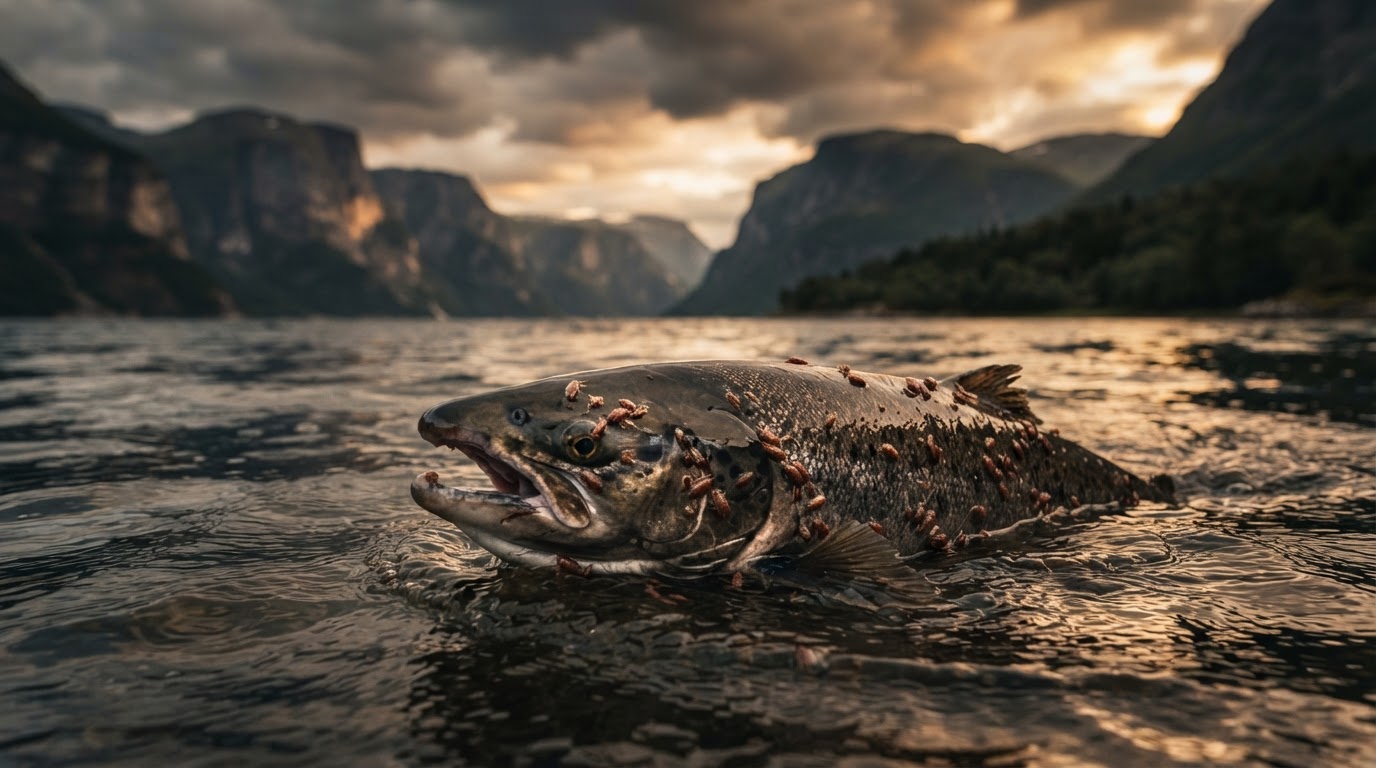
Norveç'teki somon çiftliklerindeki deniz biti salgınları, hamile ve emziren bireyler için vahşi Atlantik somon popülasyonlarının çöküşü bağlamında ciddi sağlık riskleri oluşturmaktadır.
4 dk okuma
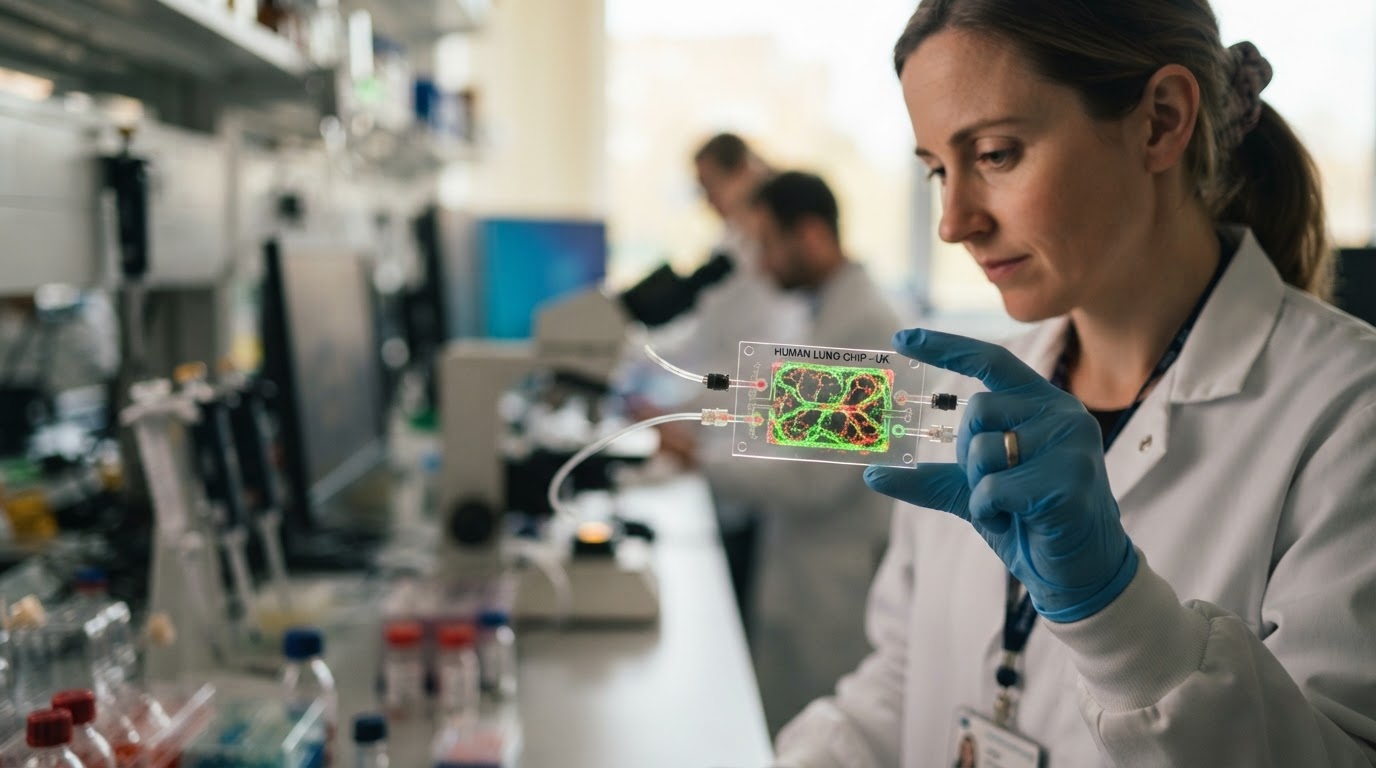
Son beş yılda hayvan testi alternatifleri alanındaki kayda değer ilerlemeler, bilimsel inovasyon ve etik duyarlılığın kesişimini vurgulamaktadır.
4 dk okuma
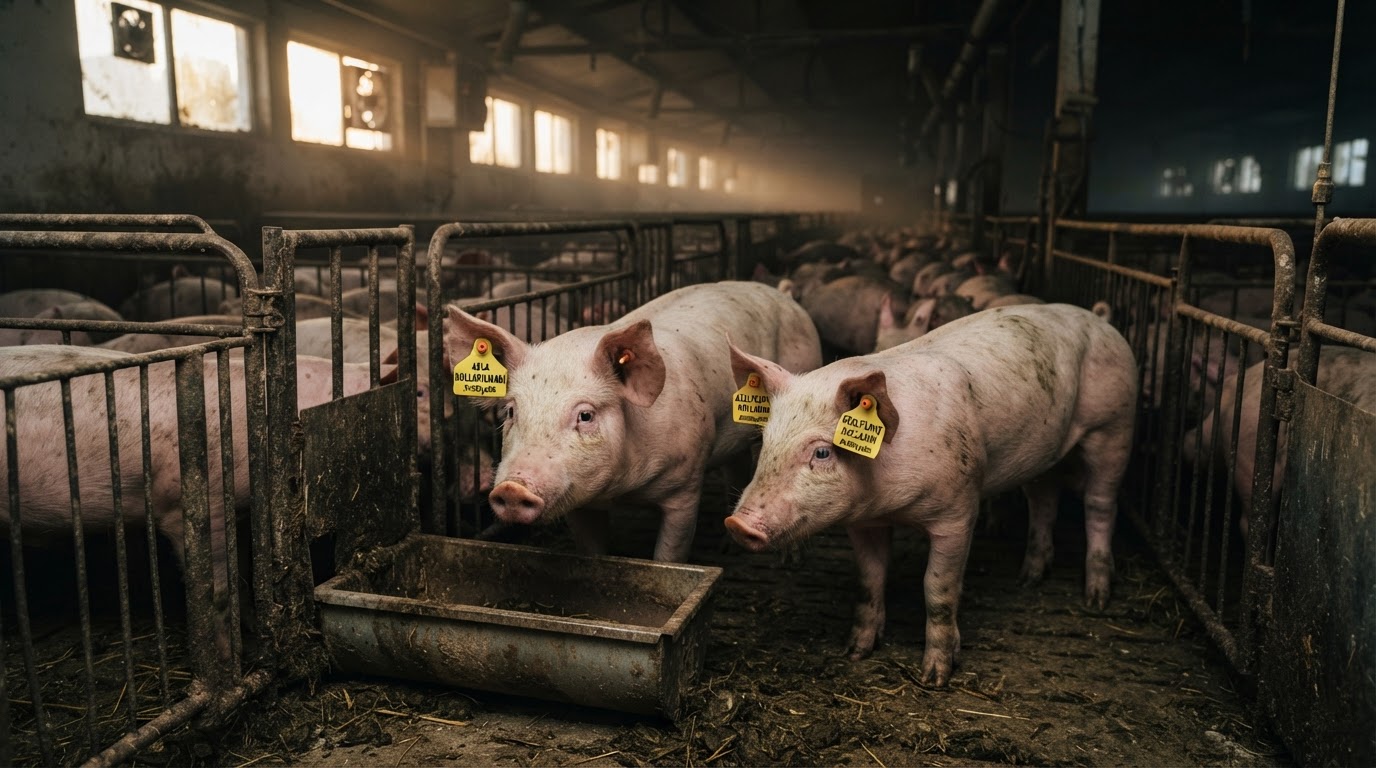
Endüstriyel hayvancılıkta 'asla kullanılmamış' ve 'azaltılmış kullanım' antibiyotik etiketleri arasındaki farkı anlamak, bilinçli tüketici seçimleri için kritik bir başlangıç noktasıdır.
4 dk okuma

Bu vaka çalışması, Avustralya, Kanada ve Avrupa'daki tarım-gag yasalarının hayvan refahı aktivizmi üzerindeki etkilerini vatandaş bilimi verileriyle derinlemesine inceliyor.
4 dk okuma
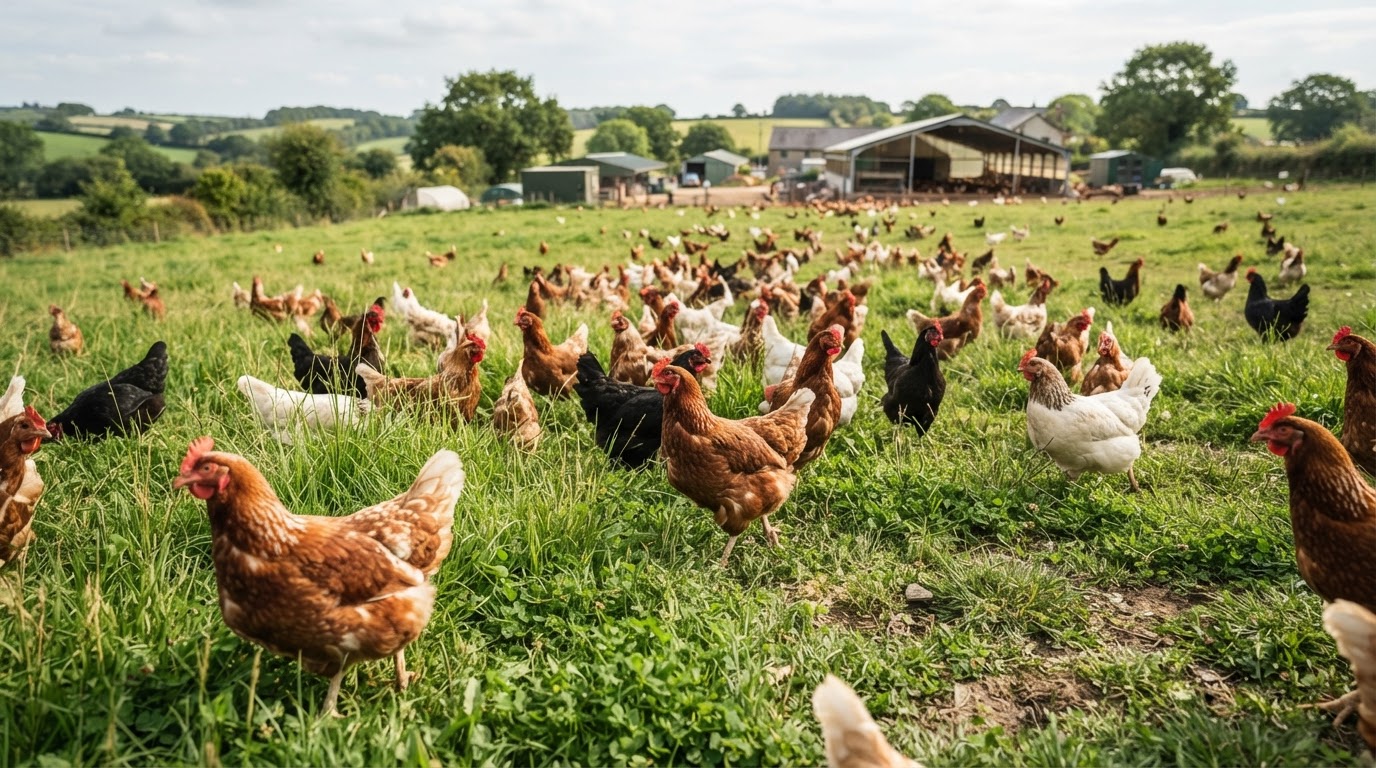
Avrupa Tavuk Taahhüdü'nün şirketler tarafından benimsenmesi, büyük ölçüde lobicilik faaliyetleri, ticaret grupları ve halkla ilişkiler firmalarının etkisiyle şekillenmektedir.
4 dk okuma

Bu liste, 2024 itibarıyla insan olmayan büyük maymun kişilik davalarını, yasal statü ve ahlaki tanınma açısından 'en kötüden en iyiye' sıralar ve küresel etkilerini değerlendirir.
5 dk okuma
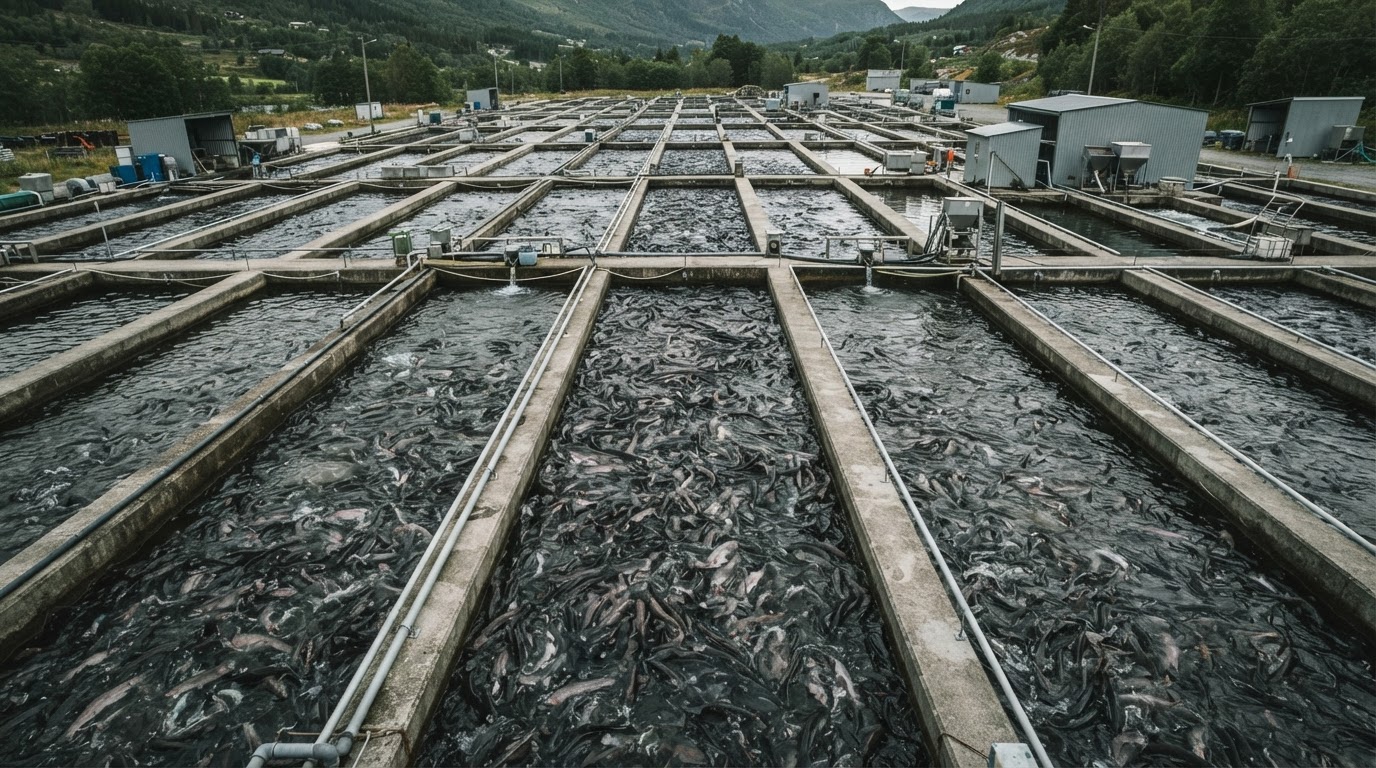
2024 yılı itibarıyla fabrika çiftliklerinde alabalık yetiştiriciliği, doğal davranışları üzerindeki endüstriyel yaşamın olumsuz etkileriyle önemli etik ve refah sorunları yaratmaktadır.
4 dk okuma
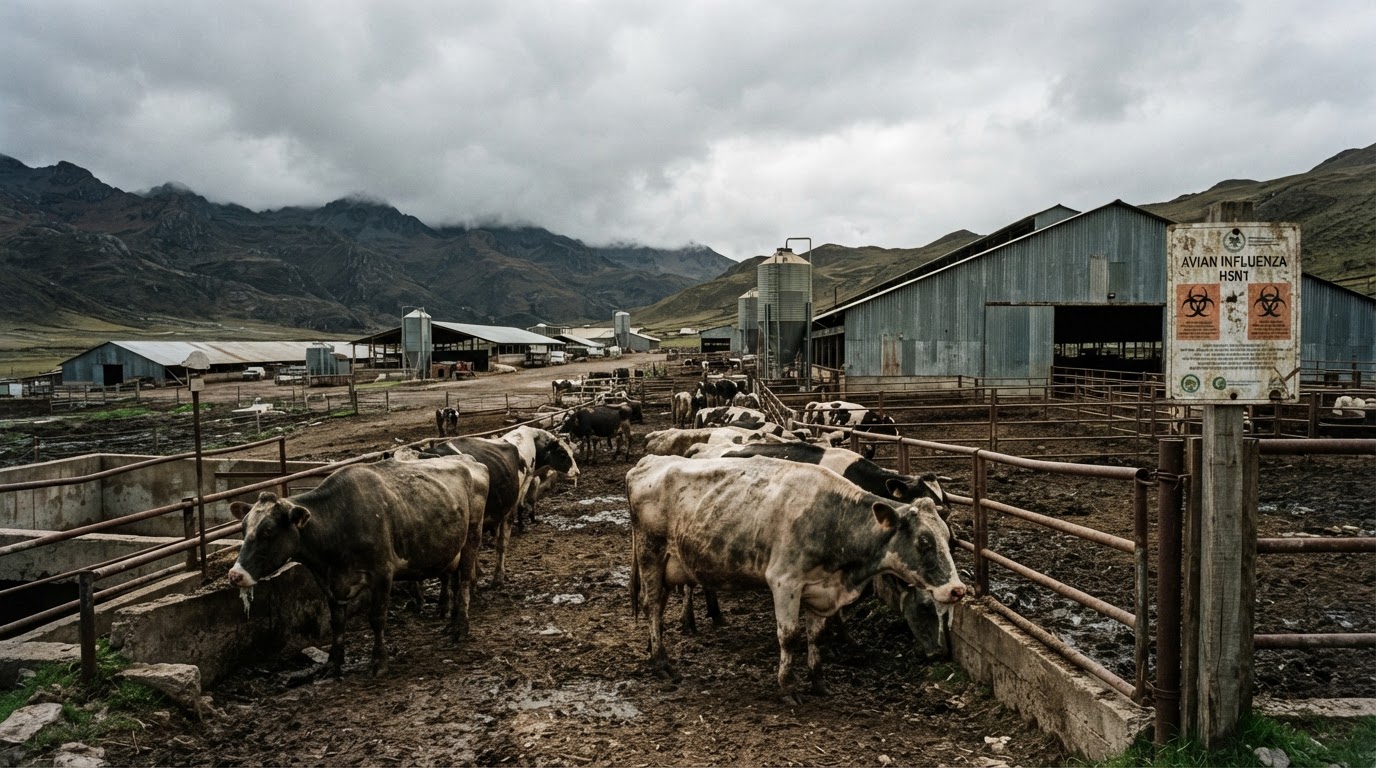
2024-2026 arasında yüksek rakımlı bölgelerde ABD süt sığırlarında H5N1 kuş gribi salgınının kontrolden çıkma potansiyeli, endüstriyel hayvancılık uygulamalarıyla doğrudan ilişkilidir.
4 dk okuma
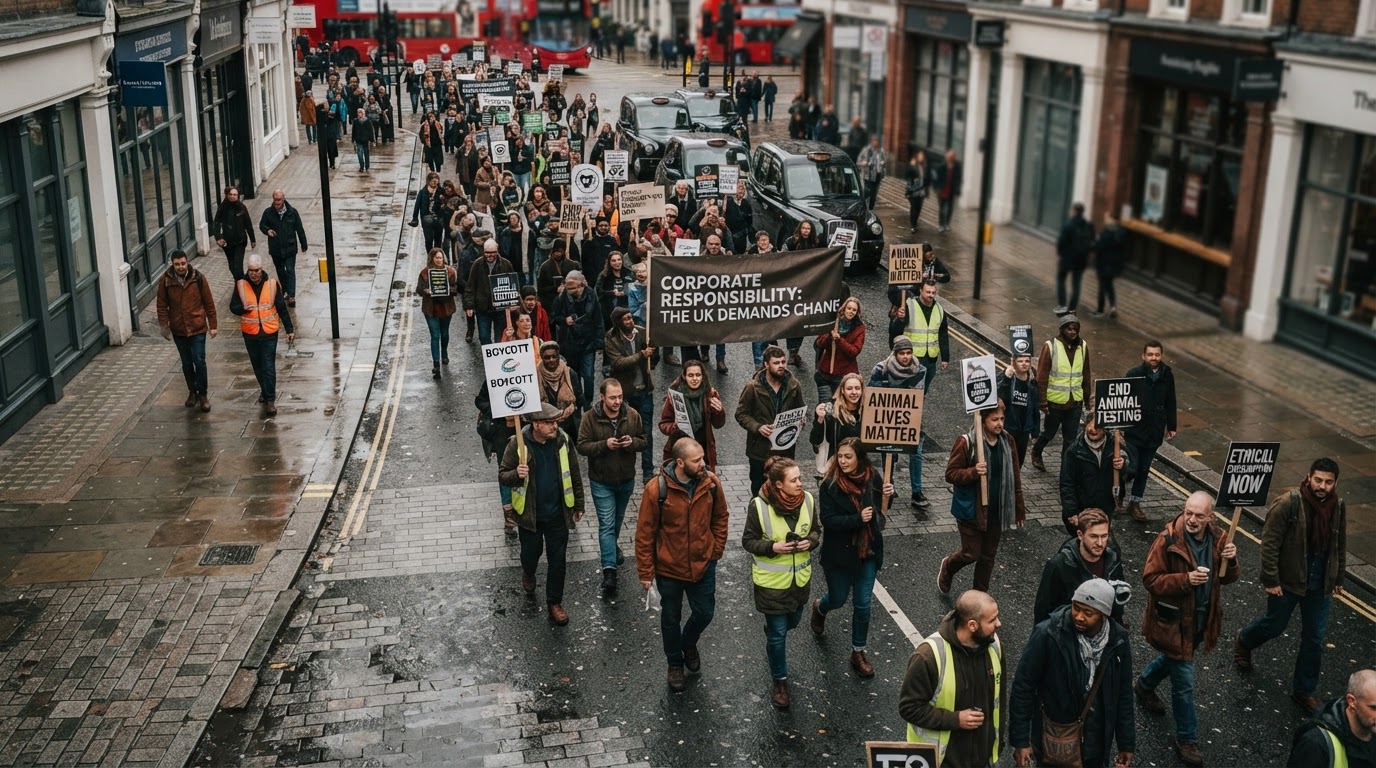
Birleşik Krallık bağlamında kurumsal boykotlar, tüketicilerin şirketler üzerinde etik ve sürdürülebilirlik konularında baskı oluşturmasının güçlü bir yoludur, ancak başarıları birçok faktöre bağlıdır.
4 dk okuma
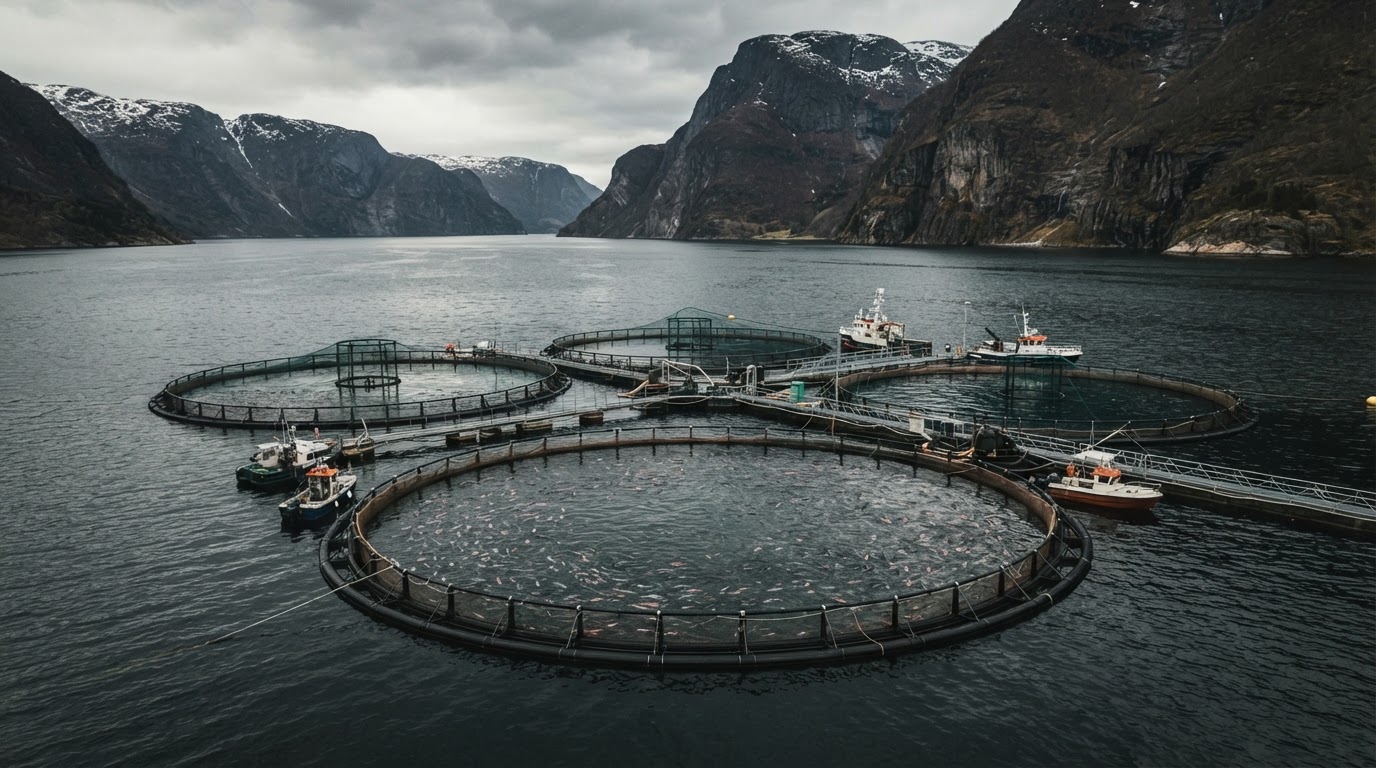
Bu makale, somon çiftliklerinde deniz biti salgınları hakkında yaygın yanılgıları inceliyor ve balık refahı ile çevresel etkileri ele alıyor.
4 dk okuma
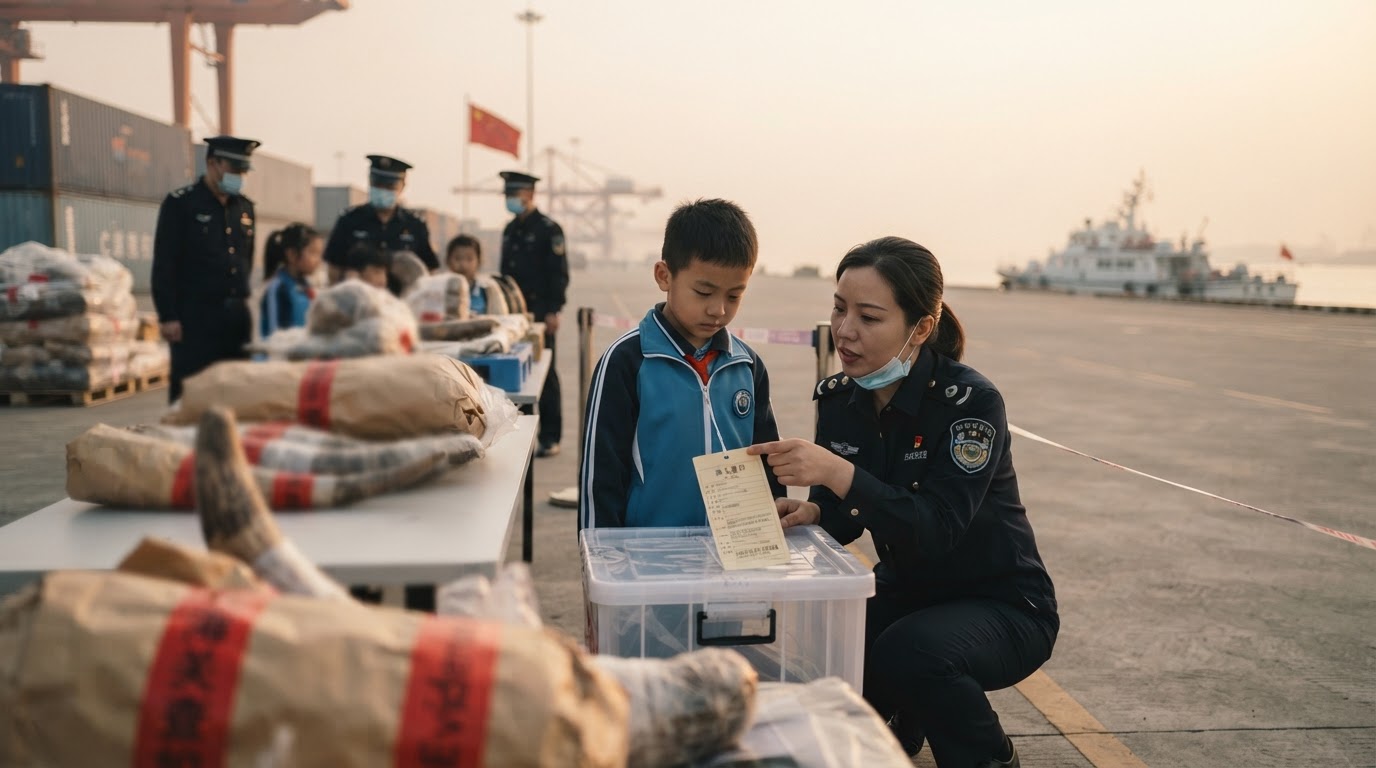
Çocuklarla Doğu Asya bağlamında av kupası ticaretinin karmaşıklığını ve uluslararası hukuk ilkelerini yaşa uygun bir şekilde ele almak, empati ve eleştirel düşünme becerilerini geliştirir.
4 dk okuma
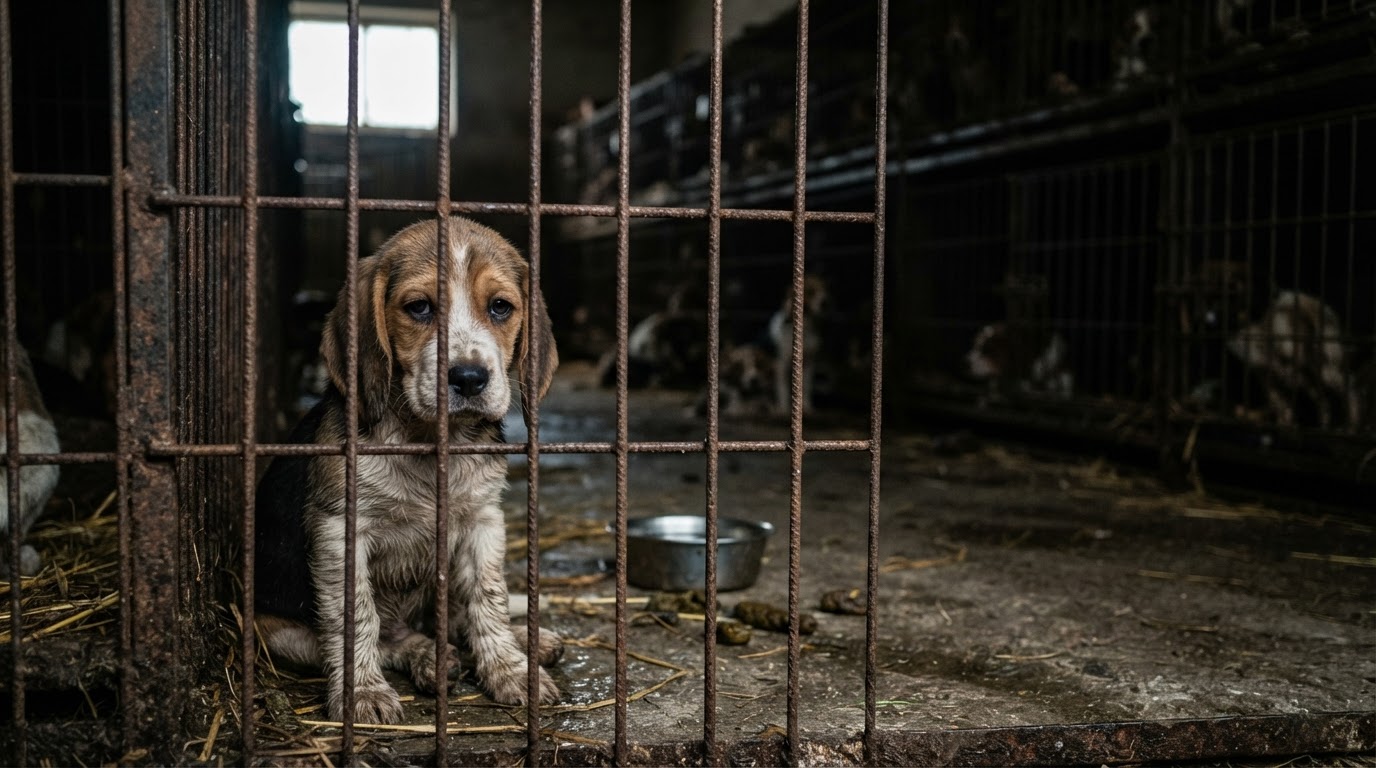
Pet shop çiftlik köpekleri etiği, hayvan refahına yönelik ciddi endişeler yaratmaktadır ve bu sistemin etik boyutu, eski bir sektör çalışanının bakış açısıyla derinlemesine incelenmektedir.
4 dk okuma
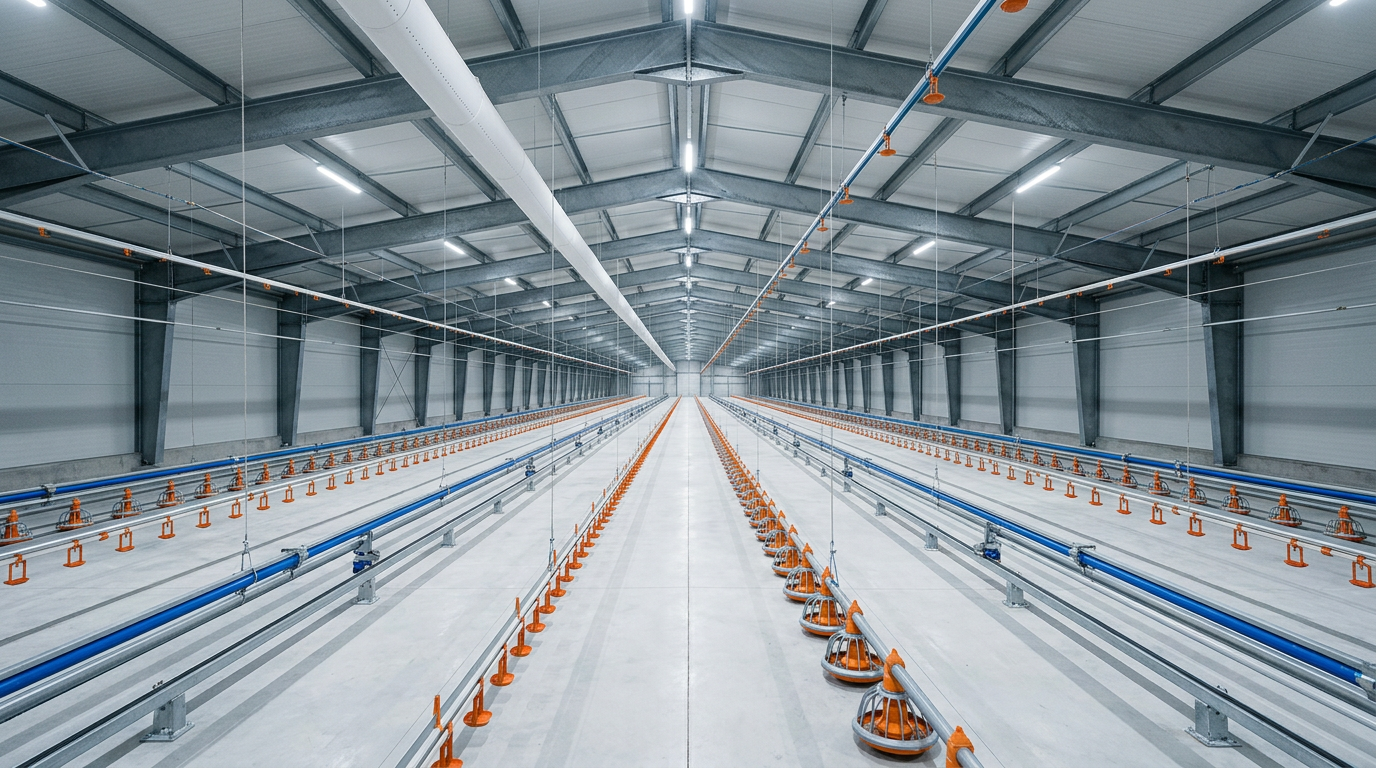
Verimlilik uğruna inşa edilen devasa hayvancılık sistemleri, tek bir hastalık salgını veya lojistik krizle çökebilecek bir gıda tedarik zinciri yaratarak ulusal güvenlik için beklenmedik bir tehdit oluşturuyor.
5 dk okuma
Yararlı bir başlangıç · index
İyi çevre gazeteciliği yön bulmanıza, iddiaları kontrol etmenize ve sıradaki konuyu seçmenize yardımcı olur. Kanıtı, bağlamı ve uygulanabilir yolları sloganlara indirgemeden bir araya getiriyoruz.
Kanıt
Araştırma temelli
Bağlam
Bağlantılı
Sonraki adım
Uygulanabilir
| Şununla başlayın | Bulacaklarınız | İçin |
|---|---|---|
| The overview | A clear answer and the essential terms | First-time readers |
| The evidence | Sources, comparisons and reported context | Checking a claim |
| The pathways | Related topics, tools and further reading | Going deeper |
We separate evidence, interpretation and practical guidance. Claims should be traceable to research, public records or clearly identified editorial analysis.
No. Food systems, animal welfare and climate are connected systems. Individual choices matter, and so do policy, business and collective action.
Use the related topics, topic hubs and calculators on this page to move from a quick answer to the primary context behind it.
Daha derin bağlam
Animal agriculture sits at the intersection of climate, land use, water, public health and animal welfare. These reference points recur across our reporting, so we keep them in one place: the numbers most often cited, the way we read a claim, the myths that survive longest, and the vocabulary you need to follow the debate in any language.
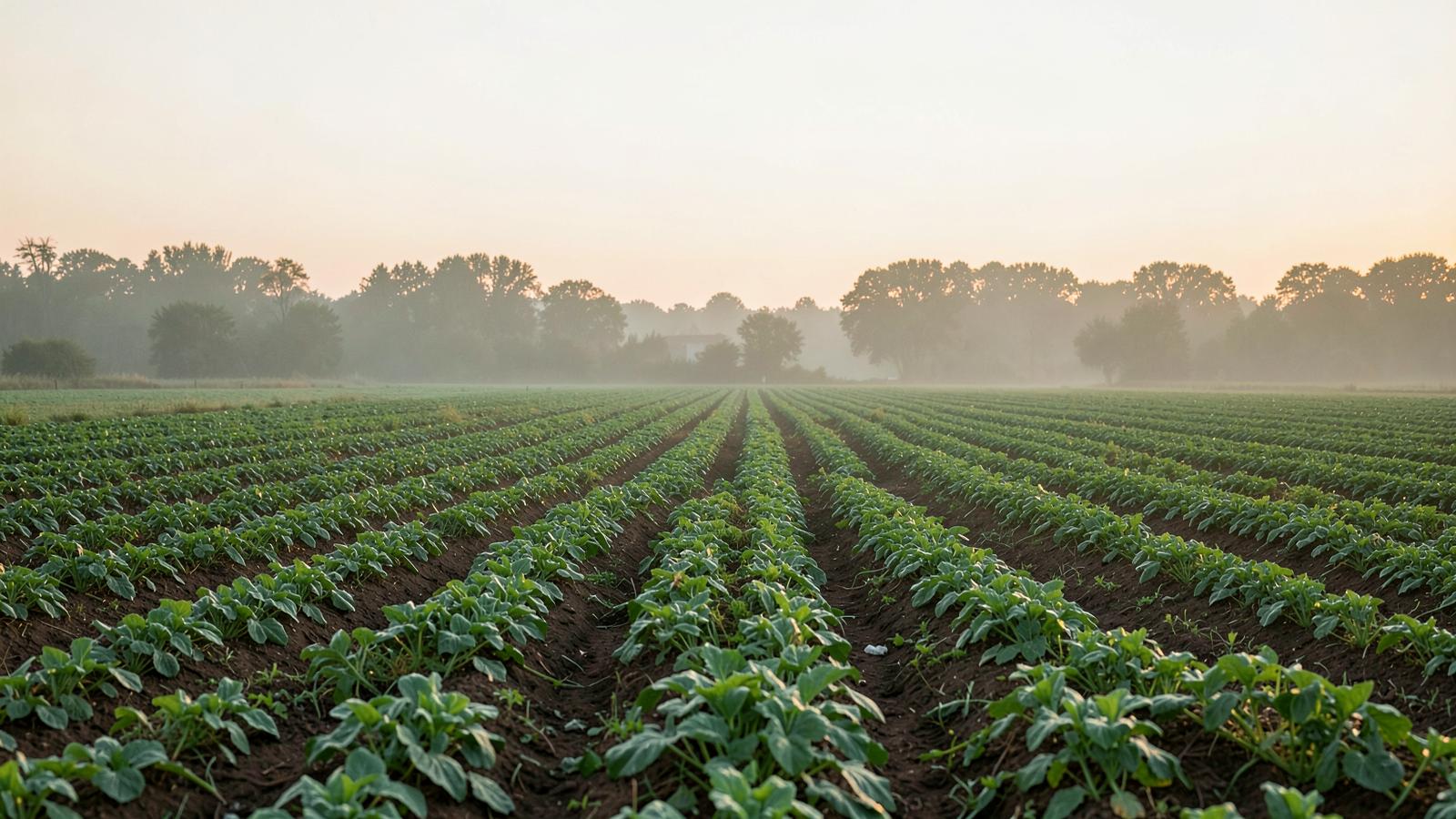
Kilit nokta toprak
Roughly three quarters of global farmland is used for livestock, yet it supplies a minority of the world's calories. Shifting even part of that land back to crops, forest or wetland is the single largest lever most countries hold.
| Yaygın iddia | Kanıtlar ne gösteriyor | Neden önemli |
|---|---|---|
| Local food is always the lowest-carbon choice | Transport is a small share of most food footprints; what is produced matters more than how far it travelled. | It redirects effort towards the choices with real leverage. |
| Plant-based eating cannot meet protein needs | Legumes, grains, soy foods, nuts and seeds cover protein and amino-acid needs in well-planned diets at every life stage. | Nutrition myths keep people from a change they were open to. |
| Higher-welfare labels mean animals are not harmed | Label standards vary widely and many permit routine practices readers would not expect. | Informed choices depend on knowing what a label actually certifies. |
| Individual choices are irrelevant next to policy | Demand shifts change what is produced, funded and legislated; the two move together. | It replaces fatalism with something you can act on this week. |
Kanıttan günlük tercihlere
Numbers describe the system; meals, votes and purchases are how most people meet it. This field guide turns the reporting into concrete swaps, a four-week plan and the signals worth watching, so a page of research becomes something you can act on this week without pretending the hard parts are simple.
| Bunun yerine | Şunu deneyin | Neden önemli |
|---|---|---|
| Beef mince | Lentils, beans or soy mince | Beef carries by far the highest emissions and land use per gram of protein. |
| Dairy milk | Soy or pea milk | Comparable protein with a fraction of the land, water and emissions. |
| Cheese in daily meals | Nut or seed-based spreads, cashew cheese | Cheese is the most resource-intensive dairy product per kilogram. |
| Chicken and eggs | Tofu, tempeh, chickpeas | Removes the welfare cost of the most intensively farmed animals. |
| Farmed shrimp and salmon | Beans, jackfruit, seaweed-seasoned dishes | Avoids mangrove loss, bycatch and wild fish used as feed. |
| Butter | Olive or rapeseed oil | Lower emissions per kilogram and better cardiovascular profile. |
Most people who change their diet permanently do it gradually, one meal slot at a time, keeping the food they already like at the centre.
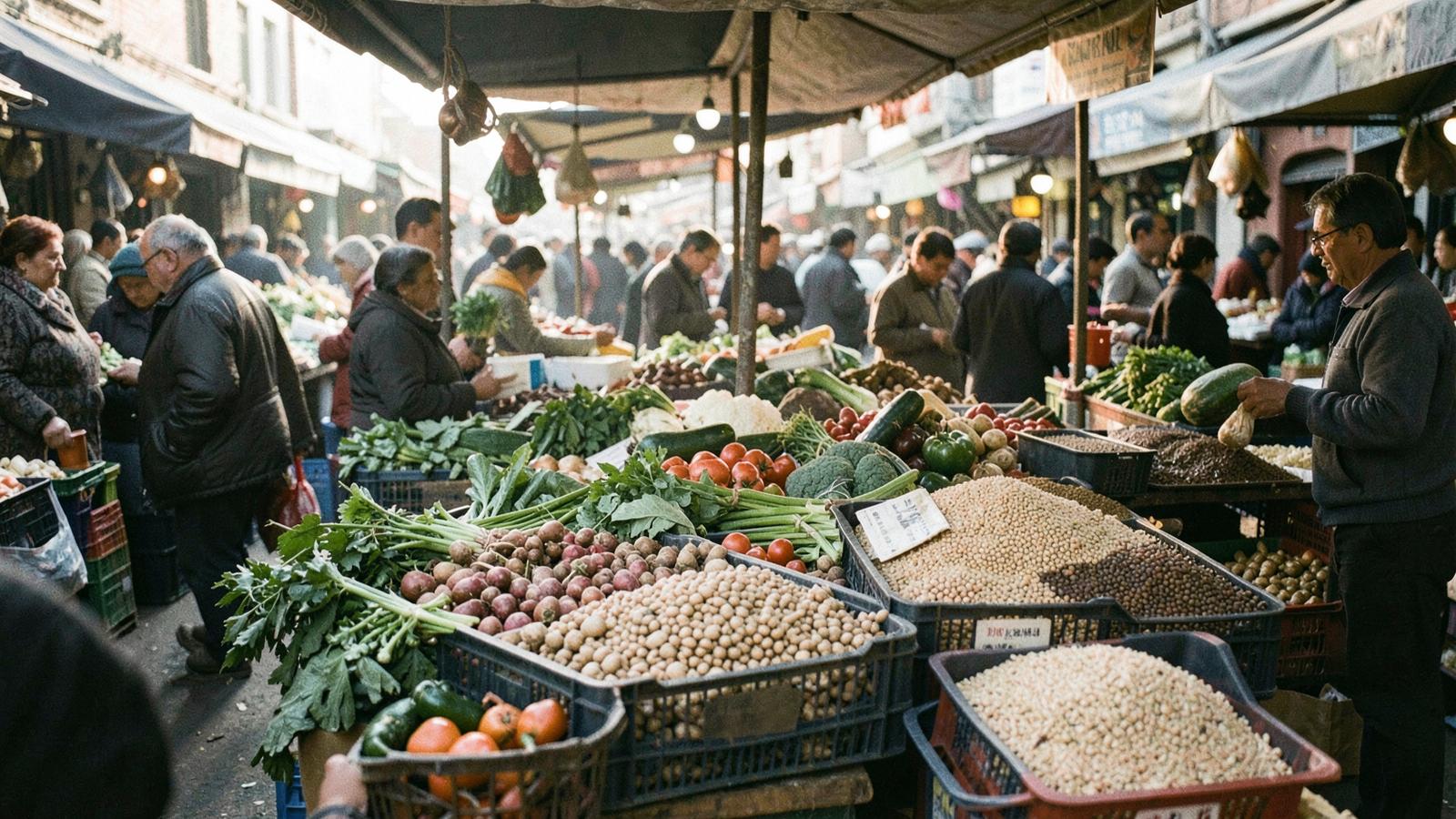
Değişimin görünür olduğu yer
Markets are the clearest place to watch demand shift: as pulses, grains and vegetables take more shelf space, producers, buyers and policy follow the money rather than the argument.
Bu sistem gerçekte nasıl işliyor
Most coverage of animals, diets and climate arrives as isolated stories: a slaughterhouse investigation, a methane figure, a supermarket launch. They belong to one system with a small number of decision points. This map sets out that system stage by stage — who owns each step, where animals enter it, what the public can see, and which levers have historically moved it — so every article on this site can be read in context rather than as an isolated shock.
Animal agriculture is a chain of separate businesses. Pressure applied at one link rarely stays there; it moves upstream to feed and land, or downstream to retail and price.
| Aşama | Ne oluyor | Kaldıraç nerede |
|---|---|---|
| Land and feed | Soy, maize and grass are grown to feed animals, using roughly three quarters of agricultural land worldwide. | Deforestation rules, feed-import standards, and any fall in demand for animal products. |
| Breeding | Genetics companies supply fast-growing birds and high-yield dairy lines used across most of the industry. | Growth-rate standards; welfare commitments that specify breed, not just space. |
| Rearing | Animals are housed at density, typically indoors, with confinement systems that vary by species and country. | Cage, crate and stocking-density law — the fastest-moving area of animal legislation. |
| Transport and slaughter | Live animals move to centralised plants; a small number of companies process most of the volume. | Journey-time limits, CCTV and inspection rules, stunning requirements. |
| Processing and brands | Meat and dairy become branded products, with margins concentrated in processing rather than farming. | Labelling law, marketing claims, and corporate sourcing commitments. |
| Retail and food service | Supermarkets, canteens and restaurants set the default meal for most people most days. | Shelf share, menu defaults, procurement contracts and price parity. |
| The plate | Households choose within the range and prices the previous stages allow. | Repeat purchases, which retailers track far more closely than surveys. |
Individual choices matter, but they are amplified or blunted by a handful of institutions that set defaults for millions of meals at a time.
Toprak sessiz değişkendir
Most farmland on earth feeds animals rather than people directly. That single fact explains why diet, deforestation, wildlife loss and climate keep turning up in the same story.
| Bölge | Sonuçları belirleyen etken |
|---|---|
| European Union | Confinement law and labelling lead globally; the unresolved question is imported animal products produced to lower standards. |
| United States | State ballot measures drive welfare change while federal rules lag; litigation over interstate sales is the recurring battleground. |
| Brazil and South America | Feed-crop expansion and cattle ranching sit at the interface with forest loss, making land use the decisive issue. |
| China and East Asia | Rapid growth in intensive production alongside fast-growing plant-based and cultivated protein investment. |
| India and South Asia | The world's largest dairy sector, where welfare questions centre on cattle, transport and the fate of male calves. |
| Sub-Saharan Africa | Smallholder systems dominate today; whether intensive models are imported is still an open decision. |
Change in this system is slow, then sudden. These are the shifts that repeat across countries once they start.
Most disputes come down to a handful of recurring tricks. Running a claim through these questions resolves the majority of them.