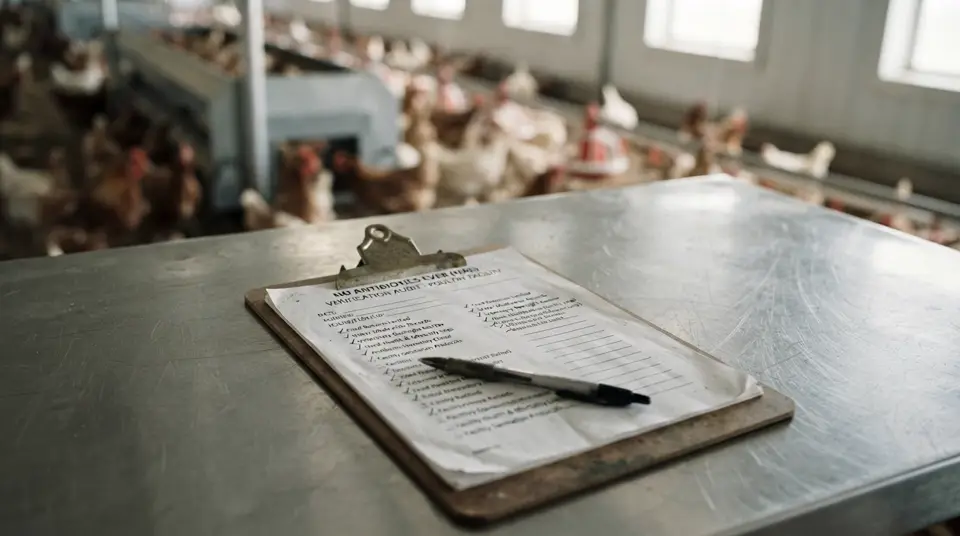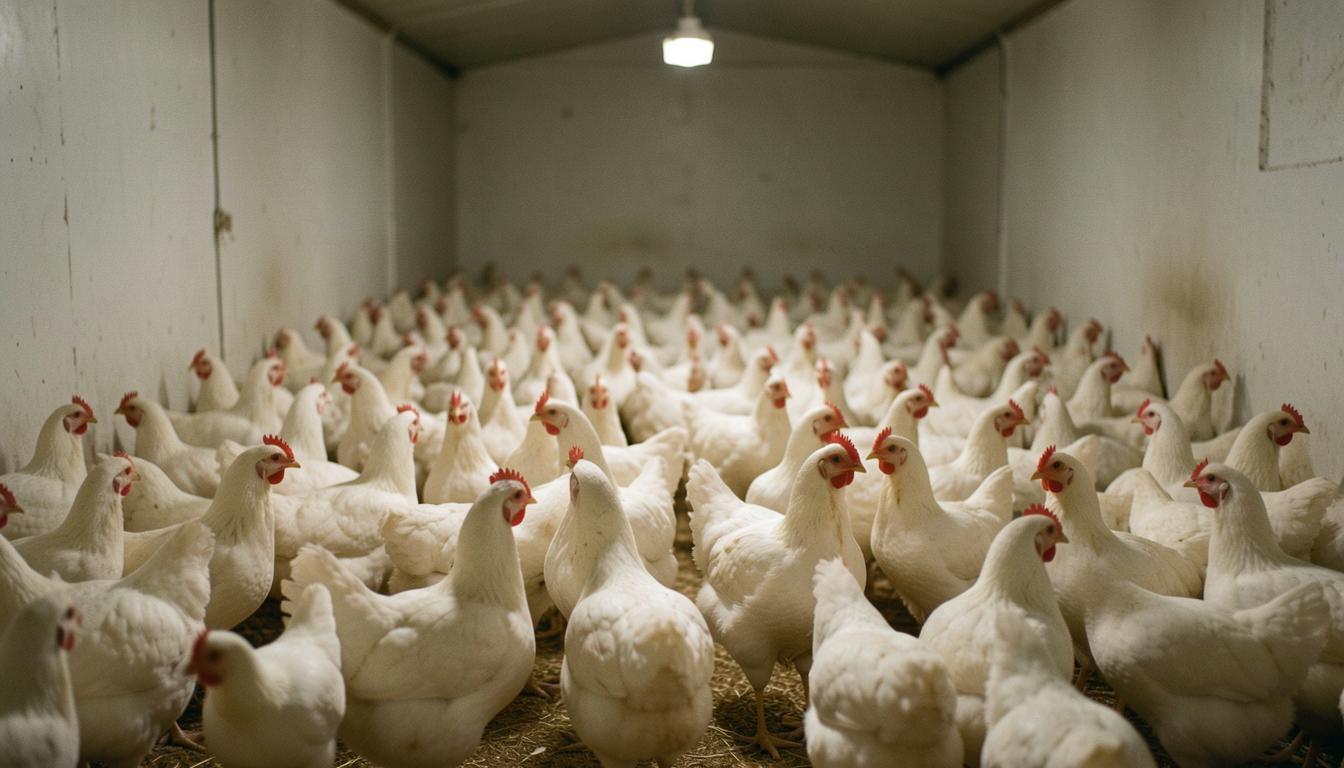
Chick maceration, a grim reality in the global poultry industry, involves the grinding or shredding of live male chicks shortly after they hatch, purely based on their gender. This hidden practice, exposed in 2024, raises serious concerns about animal welfare and supply chain accountability.
The global poultry market, valued at USD 452.4 billion in 2023, is expected to grow at a CAGR of 3.5% from 2024 to 2030 (Grand View Research, 2024). However, the industry's growth is fueled by questionable practices like chick maceration.
“Chick maceration is one of the most disturbing and widespread animal welfare issues in the world today.”
| Country | Poultry Production (Million birds) |
|---|---|
| Germany | 601 |
| Poland | 417 |
| France | 376 |
| Spain | 324 |
| United Kingdom | 182 |
In the European Union, which accounts for around 14% of the global poultry market (Statista, 2024), the practice is widespread, with major producers including Germany, Poland, and France (EU Commission, 2023).
Poultry Market Growth (2020-2030)
The issue of chick maceration has been brought to light by undercover investigations by animal welfare organizations, sparking outrage among consumers and calls for action.
“The public is appalled by this practice, and they're right to be. We cannot allow industries to treat life so cheaply.”
The practice is not limited to the EU or North America. In 2024, it was revealed that major poultry producers in Brazil, the world's largest poultry exporter, also engage in chick maceration (The Guardian, 2024).
In response to public pressure, some retailers and food service companies have pledged to phase out chick maceration from their supply chains. However, without robust supply chain accountability, these pledges are difficult to monitor and enforce.
Frequently asked questions
Is chick maceration legal?+
Yes, chick maceration is legal in many countries, despite being widely considered cruel and inhumane.
What alternatives exist to chick maceration?+
Alternatives include in ovo sexing, which allows for the culling of male embryos, and the development of male line-specific vaccines.