Shrimp peeling sheds in India are the hidden nodes in the global shrimp supply chain where labor exploitation and antibiotic misuse converge. To trace these facilities, you must follow a systematic process: map the geographic clusters, audit labor conditions, verify antibiotic records, cross-check export documentation, and engage local NGOs. This guide provides actionable steps for journalists, auditors, and ethical sourcing managers.
Step 1: Map shrimp peeling shed clusters in India
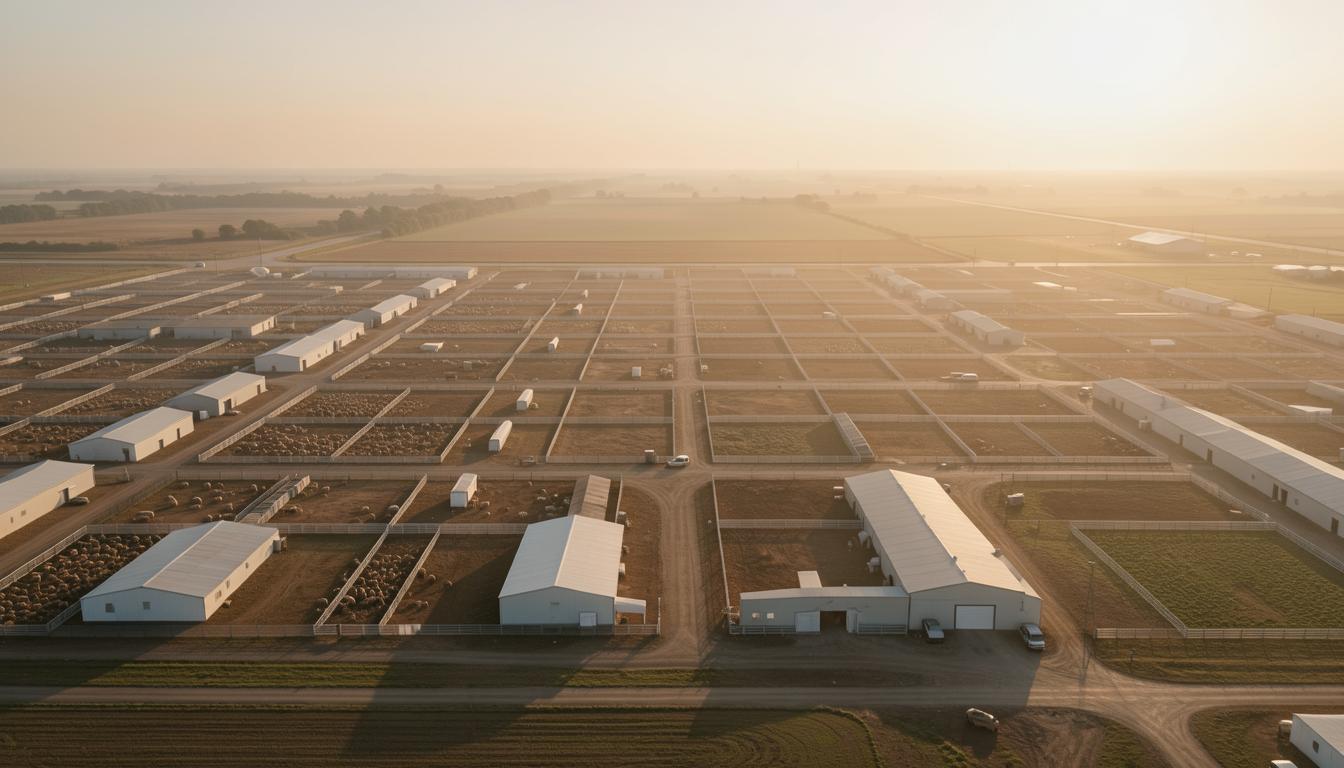
The first step in tracing shrimp peeling sheds is identifying their geographic concentration. India's shrimp farming is heavily clustered in the coastal states of Andhra Pradesh, Tamil Nadu, and Odisha, which together account for over 80% of production (MPEDA, 2024). Peeling sheds are most dense in the districts of Nellore, East Godavari, and West Godavari in Andhra Pradesh, and Nagapattinam in Tamil Nadu. Use satellite imagery and local land-use maps to spot clusters of small industrial buildings near shrimp farms and processing plants. Cross-reference with MPEDA's list of registered seafood processors, but note that many peeling sheds remain unregistered.
Step 2: Audit labor conditions in peeling sheds
Once you identify a cluster, conduct on-the-ground audits of labor conditions. A 2023 report by the International Labour Organization documented that workers in Indian peeling sheds, predominantly women from marginalized communities, earn an average of 150-200 rupees per day (roughly $2-2.50), well below the national minimum wage. Many work 10-12 hour shifts without breaks, and injuries from sharp shells and repetitive motion are common. Interview workers discreetly, using local NGOs as intermediaries. Check for the presence of protective gloves, clean water, and rest areas. Document wage records and shift logs if accessible.
“The peeling shed is where the human cost of cheap shrimp becomes visible. Women work in conditions that would be illegal in any formal factory.”
Step 3: Verify antibiotic use in shrimp supply chains
Antibiotic misuse in Indian shrimp farming is a major public health concern. A 2024 study by the Centre for Science and Environment found that over 40% of shrimp samples from Andhra Pradesh contained residues of antibiotics banned in export markets, including nitrofurans and chloramphenicol. Peeling sheds often receive shrimp from multiple farms, making traceability difficult. To verify antibiotic use, request batch-level testing records from processing plants. Check for compliance with the EU's Rapid Alert System for Food and Feed (RASFF) alerts, which in 2024 issued 15 notifications for Indian shrimp. Use third-party testing labs to screen samples for common antibiotics.
Step 4: Cross-check export documentation
Tracing shrimp peeling sheds requires analyzing export documentation. Indian shrimp exports are regulated by MPEDA, which issues certificates of origin and health. Request copies of these documents from processors. Look for discrepancies between the volume of shrimp declared at the farm level and the volume processed at the shed. A 2022 investigation by The Centre for Research on Multinational Corporations (SOMO) revealed that peeling sheds often underreport production to evade labor laws and taxes. Compare export data from the Indian Ministry of Commerce with import records from destination countries like the US, EU, and Japan. Significant gaps may indicate undocumented peeling shed operations.
| Market | Total shipments tested | Rejected shipments | Primary reason for rejection |
|---|---|---|---|
| United States | 1,200 | 144 (12%) | Antibiotic residues |
| European Union | 850 | 85 (10%) | Antibiotic residues and hygiene |
| Japan | 600 | 42 (7%) | Bacterial contamination |
| China | 400 | 20 (5%) | Heavy metals |
Antibiotic detection rate in Indian shrimp exports, 2020-2025
Step 5: Engage local NGOs and worker unions
Local organizations are essential for accessing peeling sheds and verifying conditions. Groups like the Andhra Pradesh Fisherwomen's Union, the Tamil Nadu Fishworkers' Union, and the NGO Solidaridad have documented labor abuses and antibiotic misuse in these facilities. Establish relationships with these groups before conducting audits. They can provide translators, safe interview spaces, and historical data. In 2024, Solidaridad published a report showing that 70% of peeling sheds in Andhra Pradesh lacked basic sanitation, including toilets and clean drinking water. Use their findings as a baseline for your own investigations.
Step 6: Advocate for regulatory and corporate reform
After tracing the supply chain, use your findings to push for change. Contact MPEDA to report unregistered peeling sheds. Share evidence with international buyers, such as Walmart, Costco, and European retailers, who have committed to sustainable sourcing. Support campaigns by groups like the Environmental Justice Foundation, which has called for mandatory traceability systems in Indian shrimp farming. In 2025, the Indian government introduced a draft Seafood Traceability Bill, but enforcement remains voluntary. Advocate for binding regulations that require all peeling sheds to register, comply with labor laws, and conduct antibiotic testing.
How to trace shrimp peeling sheds in India
- 1
Map clusters
Use satellite imagery and MPEDA data to identify peeling shed clusters in Andhra Pradesh, Tamil Nadu, and Odisha, focusing on Nellore and Nagapattinam districts.
- 2
Audit labor
Conduct discreet worker interviews with NGO support. Document wages, hours, injuries, and access to protective gear and sanitation.
- 3
Test antibiotics
Request batch testing records from processors. Use third-party labs to screen for banned antibiotics like nitrofurans and chloramphenicol.
- 4
Analyze documents
Cross-check MPEDA export certificates with farm production data. Look for volume discrepancies that suggest undocumented sheds.
- 5
Engage locals
Partner with unions like Andhra Pradesh Fisherwomen's Union. Use their reports to validate conditions and access safe interview spaces.
- 6
Advocate reform
Share findings with MPEDA, international buyers, and campaigns like the Environmental Justice Foundation. Push for mandatory traceability laws.
Frequently asked questions
Where are most shrimp peeling sheds located in India?+
Most shrimp peeling sheds are in the coastal districts of Andhra Pradesh, Tamil Nadu, and Odisha. Key areas include Nellore, East Godavari, and West Godavari in Andhra Pradesh, and Nagapattinam in Tamil Nadu, according to MPEDA data from 2024.
What are the main labor issues in Indian shrimp peeling sheds?+
Workers, mostly women and migrants, face low wages (150-200 rupees per day), long hours up to 12 hours, lack of protective gear, and wage theft. A 2023 ILO study documented these conditions as widespread.
How does antibiotic use in Indian shrimp affect consumers?+
Antibiotic residues, including banned nitrofurans and chloramphenicol, have been detected in Indian shrimp exports. The US FDA issued 12 import alerts in 2024, and the EU RASFF reported 15 notifications, posing risks of antibiotic resistance in consumers.
Can shrimp peeling sheds be traced through export records?+
Yes, but it requires cross-referencing MPEDA export certificates with farm production data and import records from destination countries. Volume discrepancies often indicate undocumented peeling shed operations.
What can consumers do to avoid shrimp from abusive peeling sheds?+
Buy shrimp with third-party certifications like Aquaculture Stewardship Council (ASC) or GlobalG.A.P., which require labor and antibiotic audits. Support brands that publish full supply chain traceability reports.