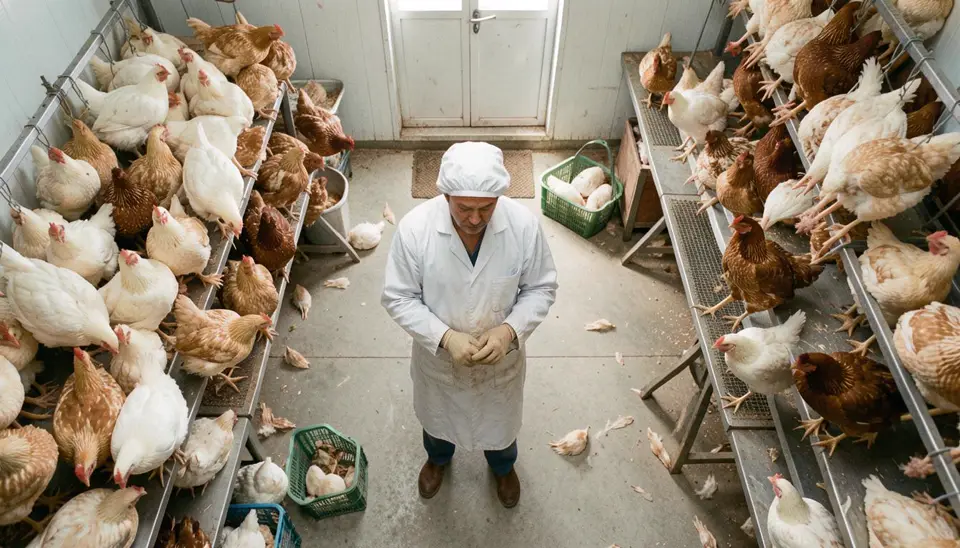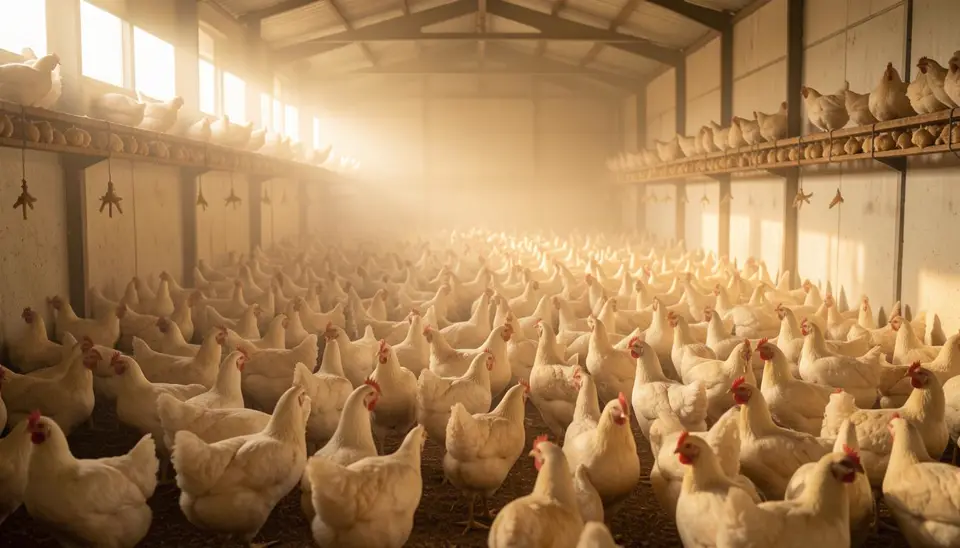
In-ovo sexing technology, which determines the sex of birds before hatching, promises a more humane and efficient egg production industry. However, the industry's marketing of this technology raises questions about its scientific validity and practicality.

What is in-ovo sexing technology?
In-ovo sexing technology uses non-invasive methods, such as infrared spectroscopy or DNA testing, to detect the sex of chicken embryos while they are still in their eggs. This process aims to reduce the need for chick culling, a practice that has long been criticized for its welfare implications.
Industry claims: Marketing vs reality
“In-ovo sexing is a game-changer. It's not just more humane, it's more profitable too. We can now sex 100% of our chicks with no need for culling. It's a win-win.”
| Industry Claim | Scientific Finding |
|---|---|
| 100% accurate sex determination | Accuracy varies, with some studies reporting up to 95% accuracy |
| Eliminates the need for chick culling | Reduces, but does not eliminate, the need for chick culling |
| Cost-effective and efficient | High initial costs and potential long-term expenses |
Independent scientists weigh in
“While in-ovo sexing holds promise, it's not the panacea the industry makes it out to be. We need more research and transparency to ensure it's effective and practical on a large scale.”
Growth in demand for in-ovo sexing technology
FAQ: In-ovo sexing technology
Frequently asked questions
How does in-ovo sexing technology work?+
In-ovo sexing uses techniques like infrared spectroscopy or DNA testing to determine the sex of chicken embryos in their eggs.
Does in-ovo sexing eliminate the need for chick culling?+
While it reduces the need for chick culling, it does not eliminate it due to varying accuracy.
Is in-ovo sexing technology widely available?+
In-ovo sexing is becoming more common, but its widespread adoption is still limited due to its high costs.