Composting at home is an excellent way to reduce waste and create nutrient-rich soil for your plants, especially in the Middle East where water scarcity makes efficient use of resources crucial. According to the Arab Countries Water Utilities Association, organic waste makes up about 40% of municipal solid waste in the Middle East, presenting an opportunity for recycling and reducing waste sent to landfills.
Before You Start: Understanding the Middle Eastern Climate
The Middle East's arid climate, with hot summers and mild winters, presents unique challenges for composting. High temperatures can accelerate the decomposition process, while low humidity may require additional watering. It's essential to choose a composting method that suits your local climate and cultural practices.
Choosing the Right Composting Method
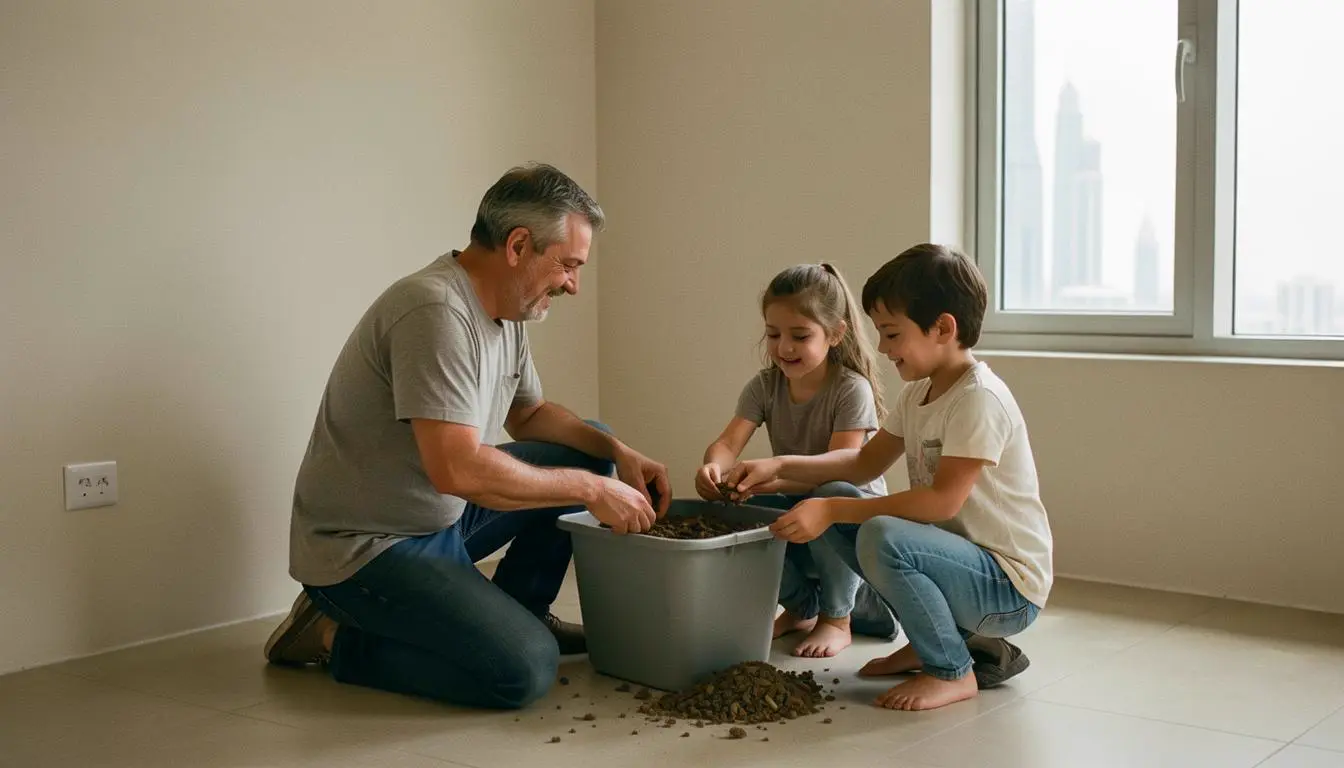
There are several composting methods to choose from, each with its advantages and disadvantages. In the Middle East, where space may be limited, consider vertical composting methods like the Bokashi system or earthworm composting (vermicomposting). For those with more space, traditional pile composting or compost bins can be effective.
| Method | Space Required | Cost | Ease of Use | Composting Time |
|---|---|---|---|---|
| Pile Composting | Medium | Low | Medium | 3-6 months |
| Bin Composting | Medium | Medium | Medium | 3-6 months |
| Vermicomposting | Small | Low | High | 2-3 months |
| Bokashi | Small | High | High | 2-4 weeks |
Setting Up Your Composting System
Steps to Set Up a Composting System
- 1
Choose a location
Select a well-draining, shady spot for your compost pile or bin, ideally near your kitchen for easy access.
- 2
Gather materials
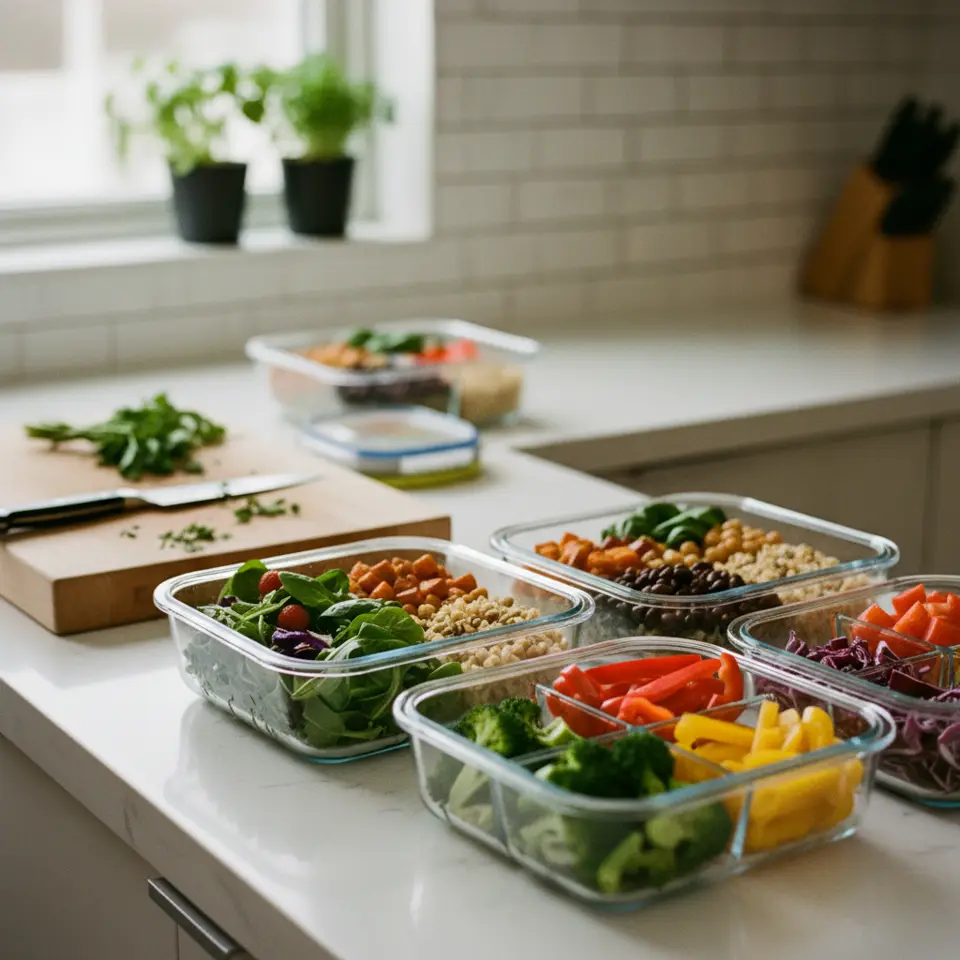
Collect a mix of carbon-rich 'brown' materials (like dry leaves or cardboard) and nitrogen-rich 'green' materials (such as fruit scraps or coffee grounds).
- 3
Add earthworms (if vermicomposting)
Purchase red wiggler earthworms from a local garden supply store and add them to your compost bin.
- 4
Start composting
Begin adding your kitchen scraps and yard waste to the compost pile or bin, maintaining a balance of green and brown materials.
- 5
Monitor and maintain
Regularly turn or aerate the compost pile, and maintain moisture levels similar to a wrung-out sponge.
“Composting is nature's way of recycling. By composting, we can reduce waste, create nutrient-rich soil, and support a more sustainable future.”
What Can and Can't Be Composted?
Most fruit and vegetable scraps, tea bags, coffee grounds, and yard trimmings can be composted. However, avoid composting meat, dairy, diseased plants, weeds with seeds, and pet waste. In the Middle East, it's also essential to consider cultural practices and religious guidelines when determining what to compost.
Composting Rates in the Middle East (2020-2025)
Frequently Asked Questions
Frequently asked questions
Do I need to turn my compost pile?+
Yes, turning your compost pile or bin helps aerate the materials, speeding up the decomposition process and preventing odors.
Can I compost in an apartment?+
Yes, consider indoor composting methods like Bokashi or vermicomposting, or explore community composting options in your area.
How long does it take to create usable compost?+
The time it takes to create usable compost varies depending on the method used and local climate, but it generally takes between 2 to 6 months.
Can I compost in the summer heat of the Middle East?+
Yes, the high temperatures in the Middle East can actually speed up the composting process. Ensure your compost pile remains moist and well-aerated to prevent it from becoming too hot.