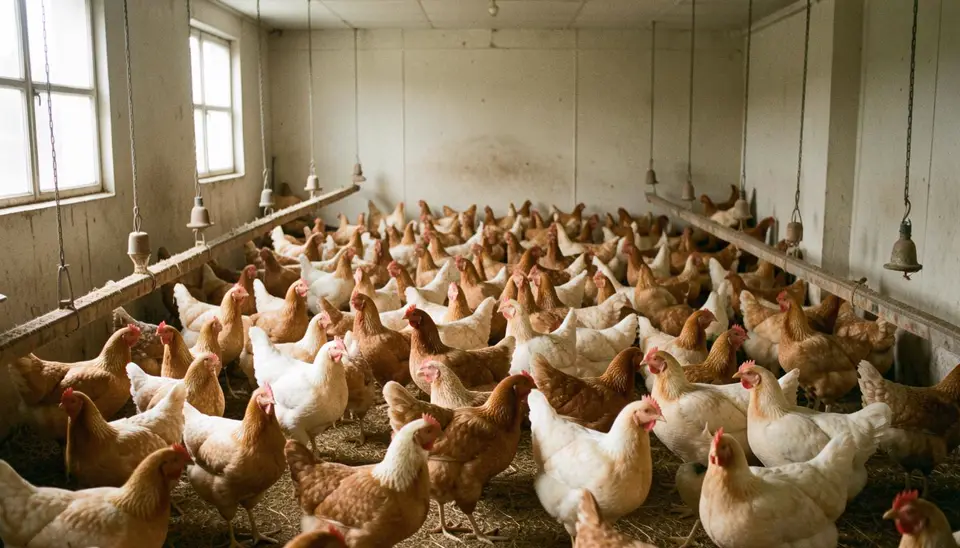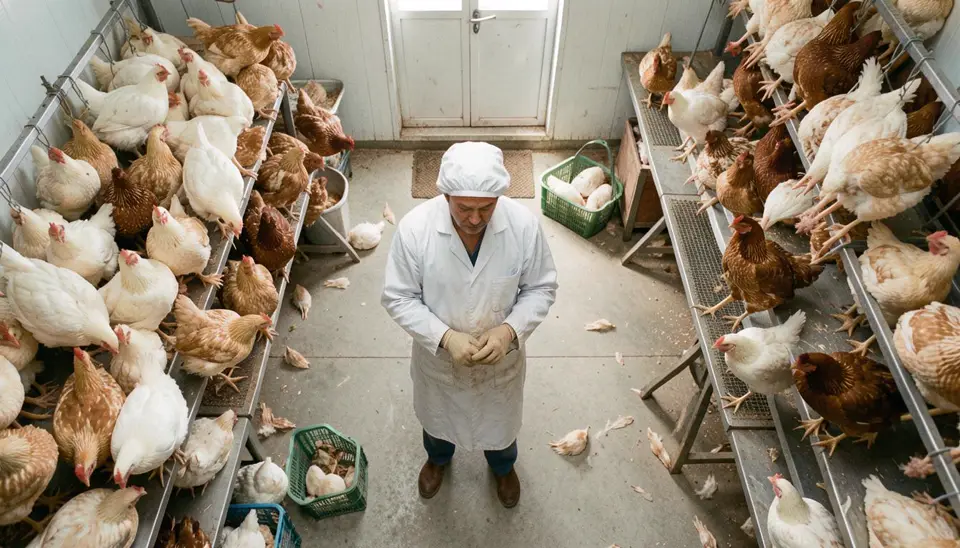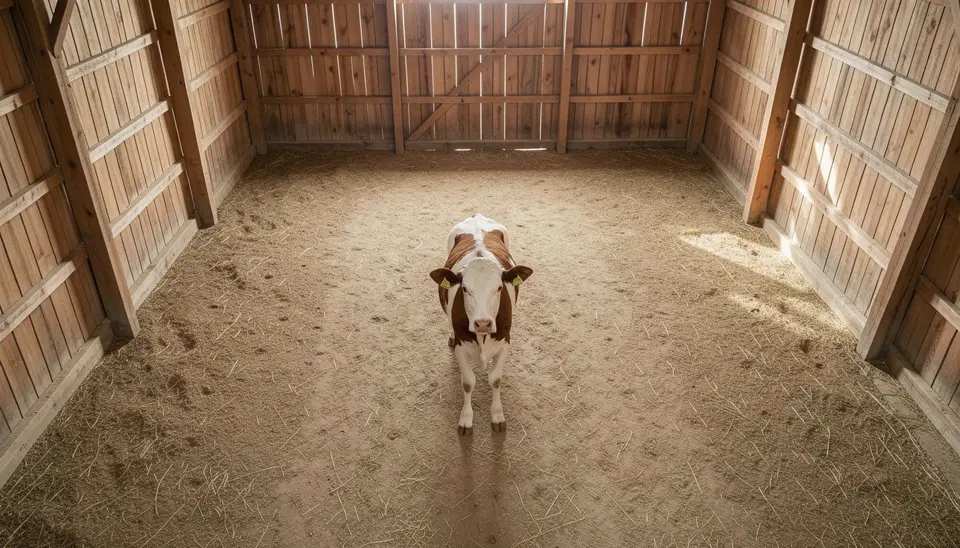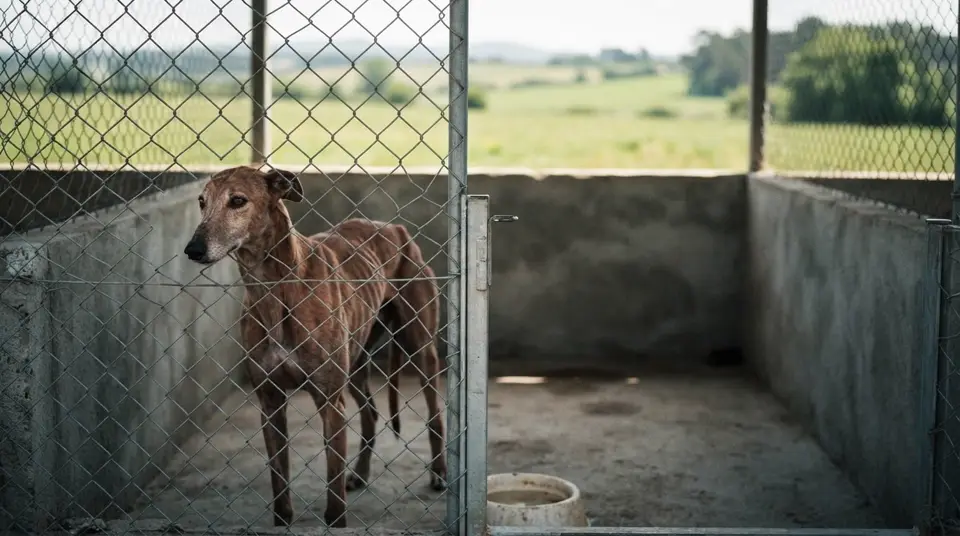
Undercover investigations across the Mediterranean have exposed shocking conditions within factory farms, with ventilation shutdowns leading to severe animal suffering and worker exploitation. This article delves into the findings from these investigations, highlighting the need for stronger regulations and international cooperation to improve animal welfare and worker conditions.
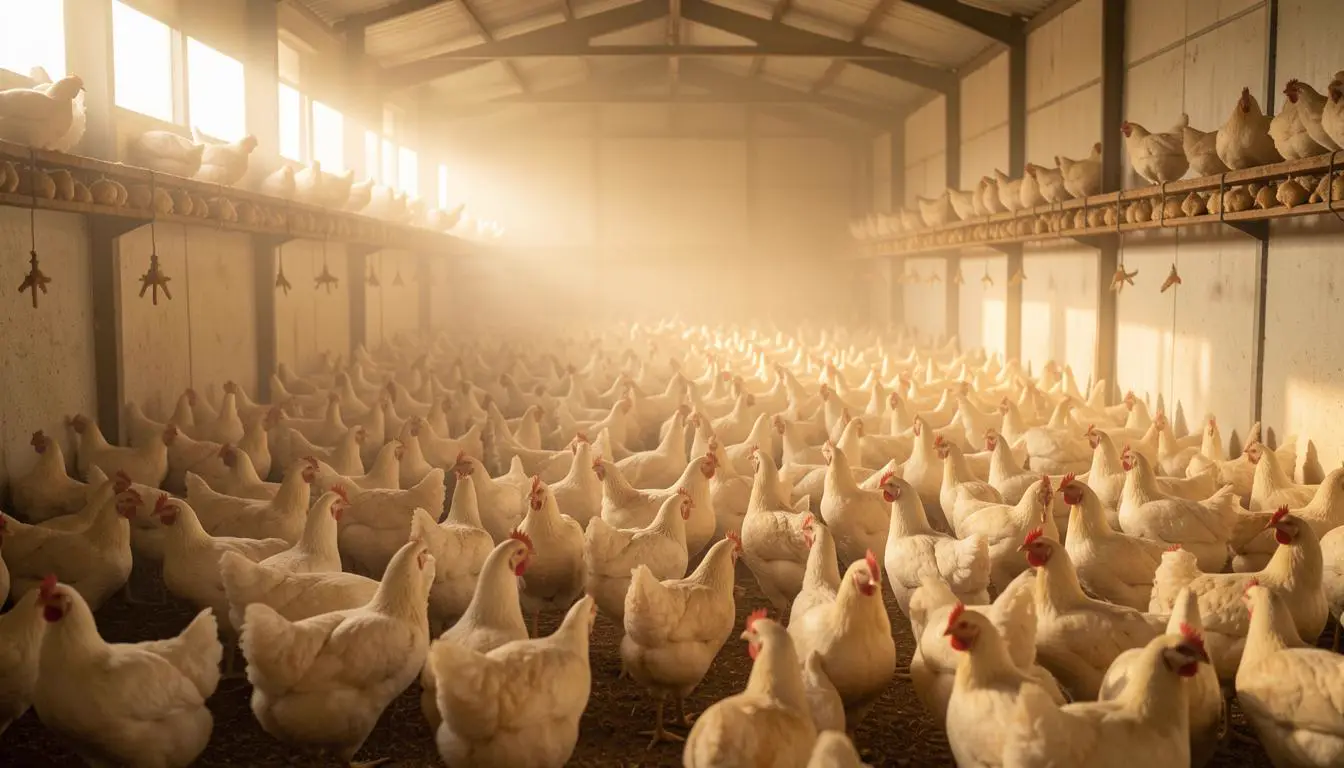
In 2024, undercover investigations conducted by organizations such as Compassion in World Farming and L214 have revealed the grim reality of Mediterranean factory farms. These investigations have shown that ventilation shutdowns are a widespread and common practice, with devastating consequences for the animals confined within these facilities.
The impact of ventilation shutdowns on animal welfare
“We've seen animals suffering from heat stress, panting heavily, and even collapsing due to exhaustion. The ammonia levels in some barns were so high that our investigators had difficulty breathing and had to wear protective gear.”
Heat stress, suffocation, and increased ammonia levels are just some of the consequences of ventilation shutdowns. These conditions can lead to severe suffering, injuries, and even death among the animals trapped within these facilities. According to a study published in the journal Animal Welfare (2023), heat stress can cause significant physiological and behavioral changes in farm animals, negatively impacting their overall welfare.
| Indicator | Adequate Ventilation | Inadequate Ventilation |
|---|---|---|
| Respiratory rate (breaths per minute) | 40-60 | 80-120 |
| Rectal temperature (°C) | 38.5-40.5 | 40.6-42 |
| Lying behavior (%) | 70-80 | 40-50 |
| Feeding behavior (%) | 80-90 | 50-60 |
| Aggression incidents (per day) | 0-2 | 5-10 |
The impact of ventilation shutdowns on animal welfare is undeniable, with numerous studies and undercover investigations highlighting the severe suffering caused by this practice. Yet, despite the overwhelming evidence, many factory farms continue to use ventilation shutdowns, prioritizing profit over animal welfare.
Worker conditions and exploitation in Mediterranean factory farms
The harsh conditions experienced by animals in Mediterranean factory farms are often mirrored by the working conditions faced by the people employed within these facilities. Long hours, low pay, and limited rights and protections are commonplace, with workers often facing verbal and physical abuse from supervisors and managers.
Hours worked per week by factory farm workers in the Mediterranean region
The International Labour Organization (ILO) has identified several areas of concern regarding worker conditions in the Mediterranean factory farming sector. In a 2024 report, the ILO found that workers in these facilities often face long working hours, lack of job security, and limited access to social protection and workers' rights.
International organizations fighting for better regulations
In response to the shocking findings from undercover investigations, international organizations have been calling for stricter regulations and improved enforcement of existing laws. These organizations, such as Compassion in World Farming, L214, and the Clean Clothes Campaign, are working tirelessly to raise awareness of the issues and advocate for change.
“The suffering of animals and workers in Mediterranean factory farms is a global issue that requires international cooperation. We must work together to demand stronger regulations and improved enforcement of existing laws to ensure the welfare of both animals and workers in these facilities.”
What can consumers do to support the cause?
How to support the fight against animal suffering and worker exploitation in Mediterranean factory farms
- 1
Step 1
Switch to a plant-based diet to reduce demand for factory-farmed animals.
- 2
Step 2
Support international organizations working to improve animal welfare and worker conditions.
- 3
Step 3
Contact local politicians and demand stricter regulations and enforcement of existing laws.
- 4
Step 4
Spread awareness about the issues facing animals and workers in Mediterranean factory farms.
Frequently asked questions
What is the main cause of animal suffering in Mediterranean factory farms?+
Ventilation shutdowns during hot summer months lead to severe heat stress, suffocation, and increased ammonia levels, causing severe suffering and mortalities among animals.
What are the working conditions like for employees in Mediterranean factory farms?+
Workers in these facilities face harsh conditions, long hours, and low pay, with limited rights and protections. Verbal and physical abuse from supervisors and managers is also common.
What can consumers do to support the fight against animal suffering and worker exploitation in Mediterranean factory farms?+
Consumers can switch to a plant-based diet, support international organizations, contact local politicians, and spread awareness about the issues.
Which international organizations are working to improve animal welfare and worker conditions in Mediterranean factory farms?+
Organizations such as Compassion in World Farming, L214, and the Clean Clothes Campaign are at the forefront of the fight for better regulations and improved enforcement of existing laws.