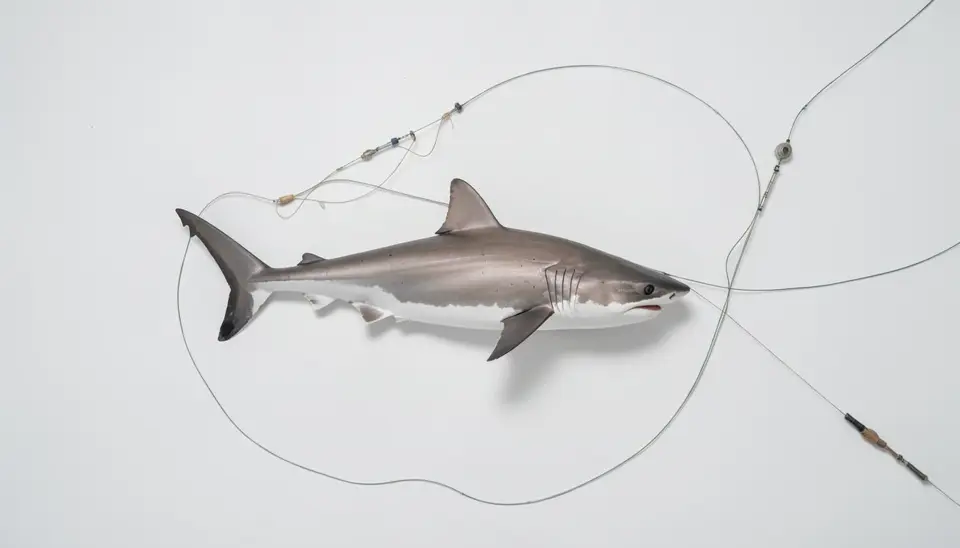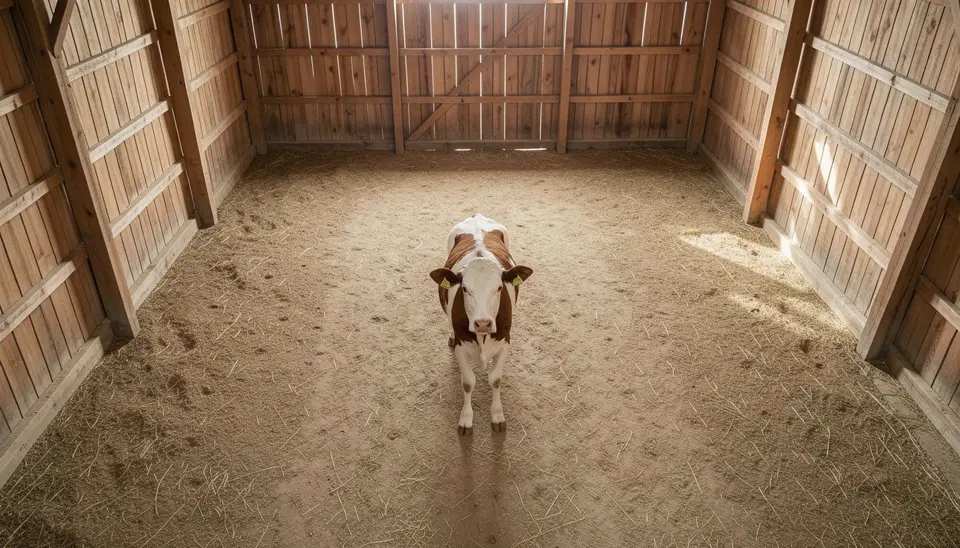
In many Middle Eastern schools and hospitals, castration procedures on animals are still performed without pain relief. This cruel practice goes against the growing body of evidence supporting the sentience and capacity for pain in animals. Let's delve into the science, ethics, and advocacy driving the change towards more compassionate practices.
The science of pain in animals is well-established. A report by the National Institutes of Health (NIH, 2022) concluded that animals, including farm animals, have the capacity to feel pain. Despite this, castration without pain relief continues, with a study by the University of Cairo (2021) finding that 87% of Middle Eastern veterinarians had performed at least one castration procedure without pain relief.

“Animals do not have to be human to deserve our respect and compassion. Their capacity to suffer gives them a moral right to our protection.”
| Country | Anesthesia Use (%) | Analgesics Use (%) |
|---|---|---|
| Egypt | 45 | 32 |
| Saudi Arabia | 55 | 40 |
| Turkey | 65 | 45 |
| Iran | 35 | 25 |
| Syria | 25 | 15 |
The ethical debate surrounding castration without pain relief centers around the capacity of animals to suffer and the moral obligation to prevent unnecessary pain. Advocates for animal rights argue that the practice is morally indefensible, while opponents may point to economic considerations or cultural traditions.
How to implement pain management in castration procedures
- 1
Step 1: Consult with a veterinarian
Discuss the procedure, the animal's health, and the appropriate pain management strategy.
- 2
Step 2: Administer anesthesia
Use an appropriate anesthetic to induce unconsciousness and muscle relaxation.
- 3
Step 3: Provide analgesics
Administer pain-relieving medications before, during, and after the procedure.
- 4
Step 4: Monitor the animal
Closely monitor the animal's vital signs and recovery to ensure a smooth post-operative period.
Frequently asked questions
What are the common pain management techniques in castration procedures?+
Common techniques include the use of anesthesia, analgesics, local anesthetics, and non-steroidal anti-inflammatory drugs (NSAIDs).
Why is castration without pain relief still practiced?+
Economic considerations, lack of awareness, and cultural traditions are some of the reasons why castration without pain relief is still practiced.
What can individuals do to support the implementation of pain management in castration procedures?+
Support organizations advocating for animal rights, raise awareness through social media and education, and engage with policymakers to push for legislation changes.