Did you know that your down jacket or duvet might be contributing to a global health crisis? The live plucking of ducks for their feathers, a common practice in the duck down industry, has been linked to an increase in antibiotic resistance. But what does this mean, and how is it connected to factory farming? Let's dive into the world of duck down plucking and explore the hidden risks it poses to our health and the environment.
How live plucking contributes to antibiotic resistance
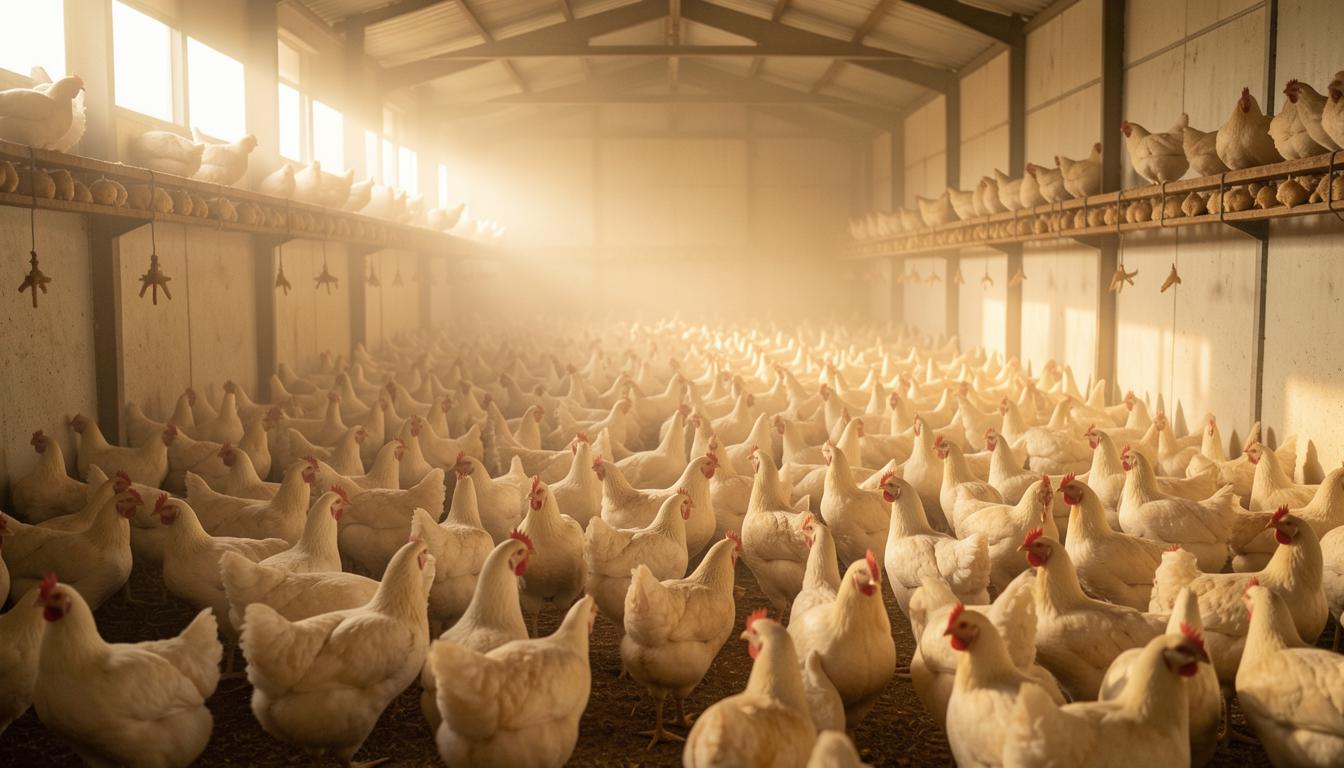
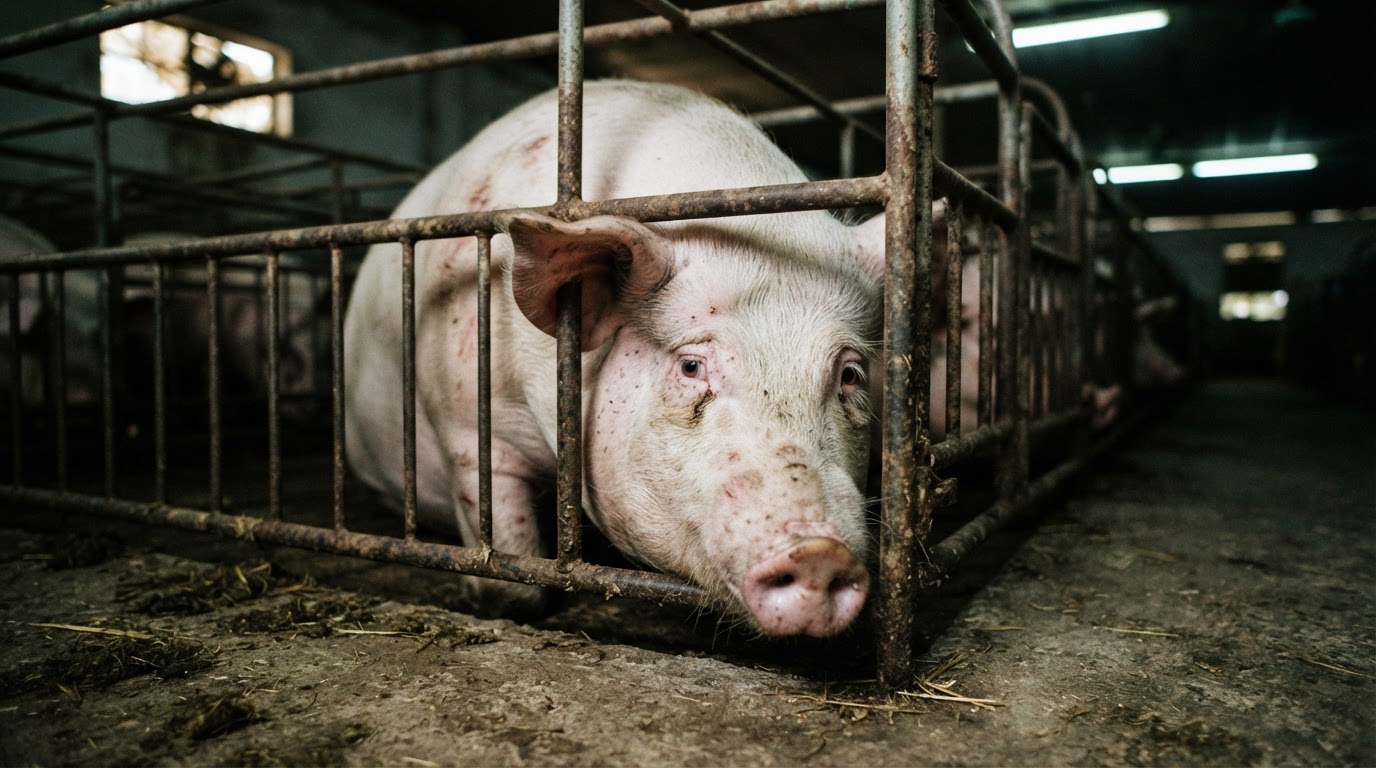
The link between live plucking and antibiotic resistance might not be immediately apparent, but it's rooted in the intensive farming practices used to produce down. In these factory farms, birds are often kept in crowded, unsanitary conditions, which can lead to the spread of infectious diseases. To combat this, farmers rely heavily on antibiotics, contributing to the rise of antibiotic-resistant bacteria.
“'Live plucking is not just a welfare issue; it's also a public health concern. The intensive farming practices used to produce down create ideal conditions for the spread of drug-resistant bacteria,' says Dr. Louise Kelleher, veterinarian and animal welfare expert.”
| Region | Antibiotic use (mg/kg live weight) | Percentage of total antibiotics used |
|---|---|---|
| North America | 14.8 | 25.6 |
| Europe | 5.2 | 32.1 |
| Asia | 26.7 | 34.7 |
| Africa | 1.2 | 5.2 |
| Oceania | 8.1 | 3.5 |
The ethical alternatives to live plucking
Despite the clear health and ethical concerns associated with live plucking, it remains a common practice due to consumer demand for cheap down products. However, ethical alternatives do exist. One common method is to collect feathers from birds that have naturally molted, causing no harm to the animal.
How to make ethical choices when buying down products
How to make ethical choices when buying down products
- 1
Step 1
Look for products labeled 'molt-harvested' or 'post-molt' to ensure the feathers were collected ethically.
- 2
Step 2
Check for certifications from reputable organizations like the Responsible Down Standard (RDS) or the Global Traceable Down Standard (TDS).
- 3
Step 3
Be prepared to pay more for ethically sourced down products, as they often come at a premium.
Frequently asked questions
What is the difference between down and feathers?+
Down is the soft, fluffy undercoating of birds, while feathers are the larger, more rigid outer feathers. Both can be used in textiles and bedding, but down is prized for its insulating properties.
Is there a way to tell if a down product uses live-plucked feathers?+
Unfortunately, there is no foolproof way to tell if the down in a product was obtained through live plucking. However, certifications like the RDS and TDS can help ensure that the down was sourced ethically.
What other animal welfare issues are associated with the down industry?+
In addition to live plucking, the down industry has been linked to other animal welfare concerns, including the force-feeding of geese for foie gras production and the killing of male ducklings as a byproduct of the egg industry.