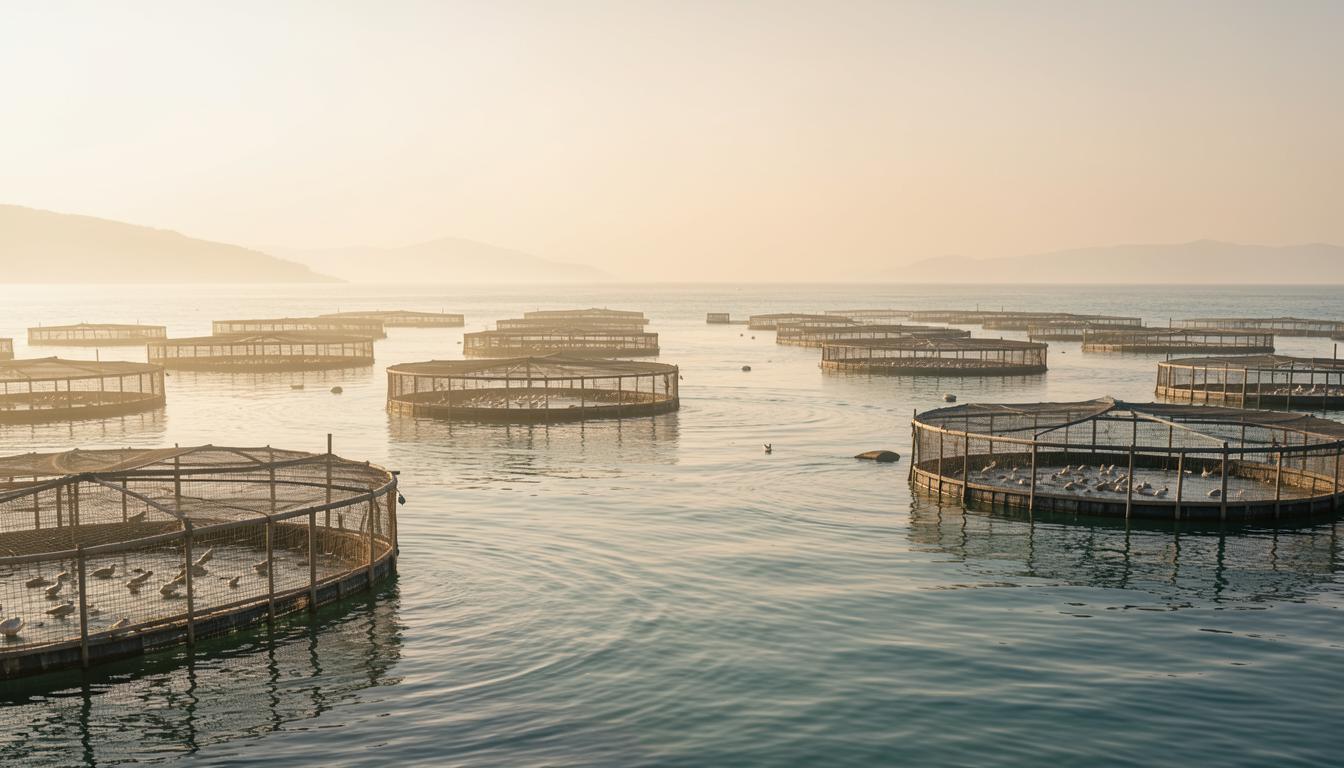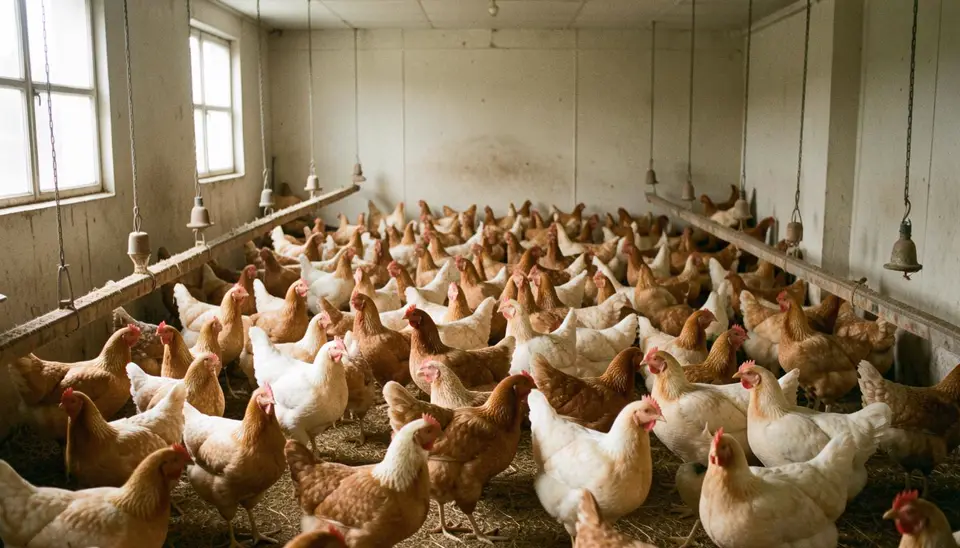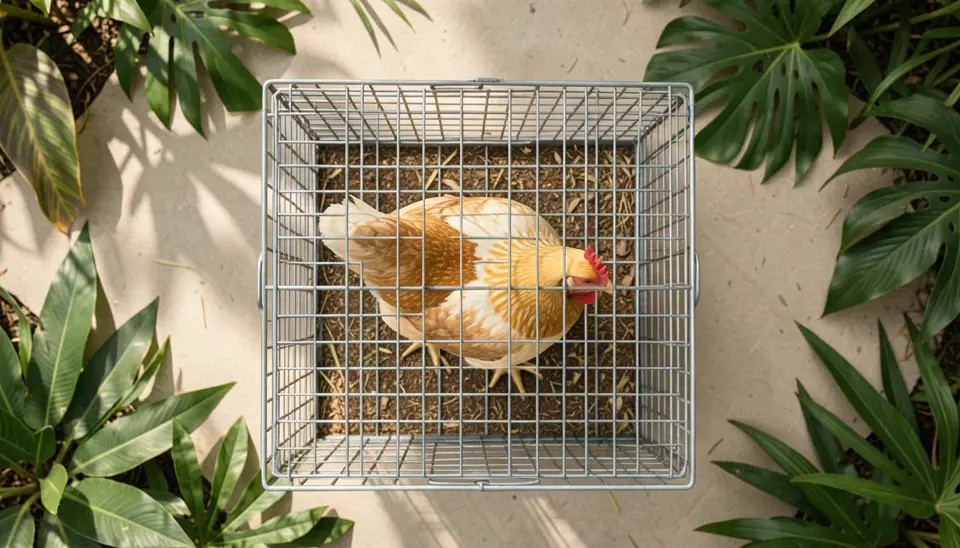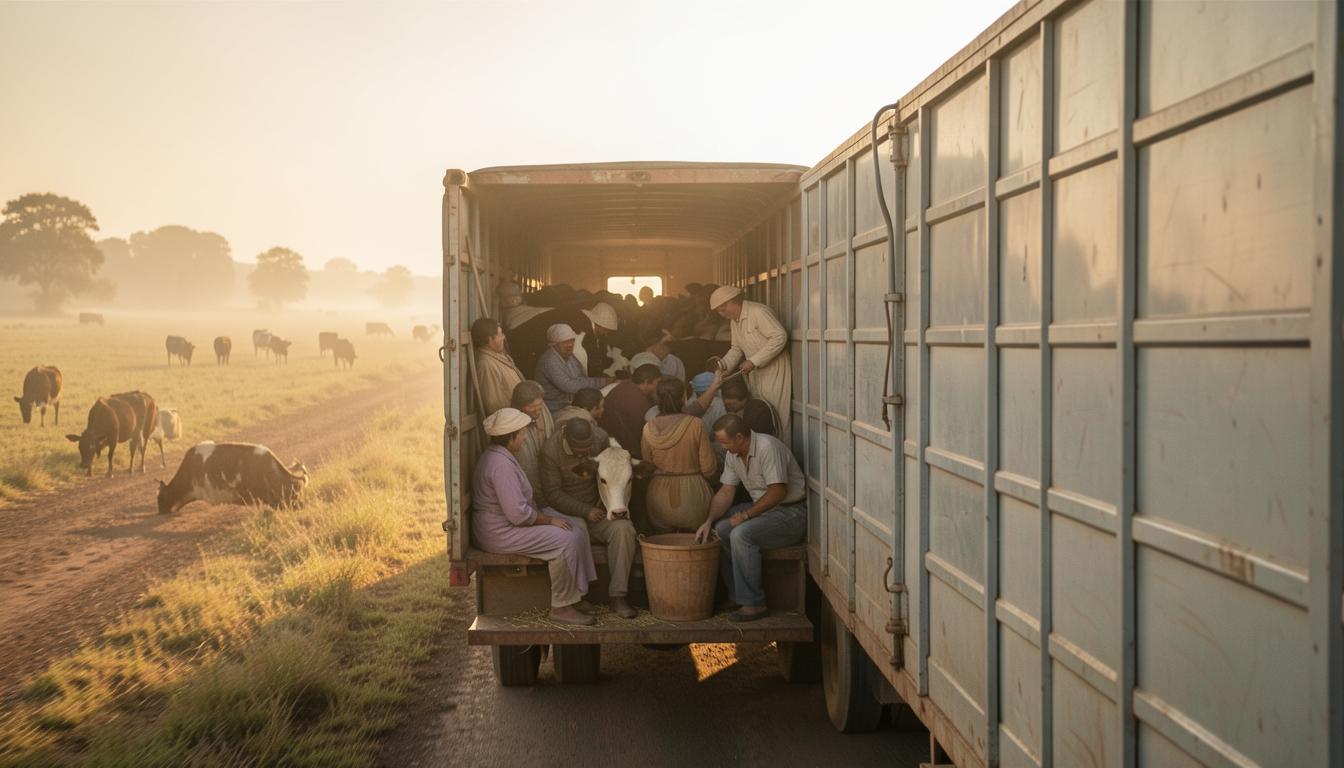
Downed animals in Middle Eastern and North African (MENA) meat supply chains pose significant environmental, ethical, and economic challenges. These animals, unable to walk or stand, are often a result of intensive farming practices, poor animal welfare standards, and lack of traceability in the supply chain.
Causes of downed animals in MENA
The primary causes of downed animals in MENA include intensive farming practices, poor animal welfare standards, and lack of traceability in the supply chain.
Environmental and ethical impacts of downed animals
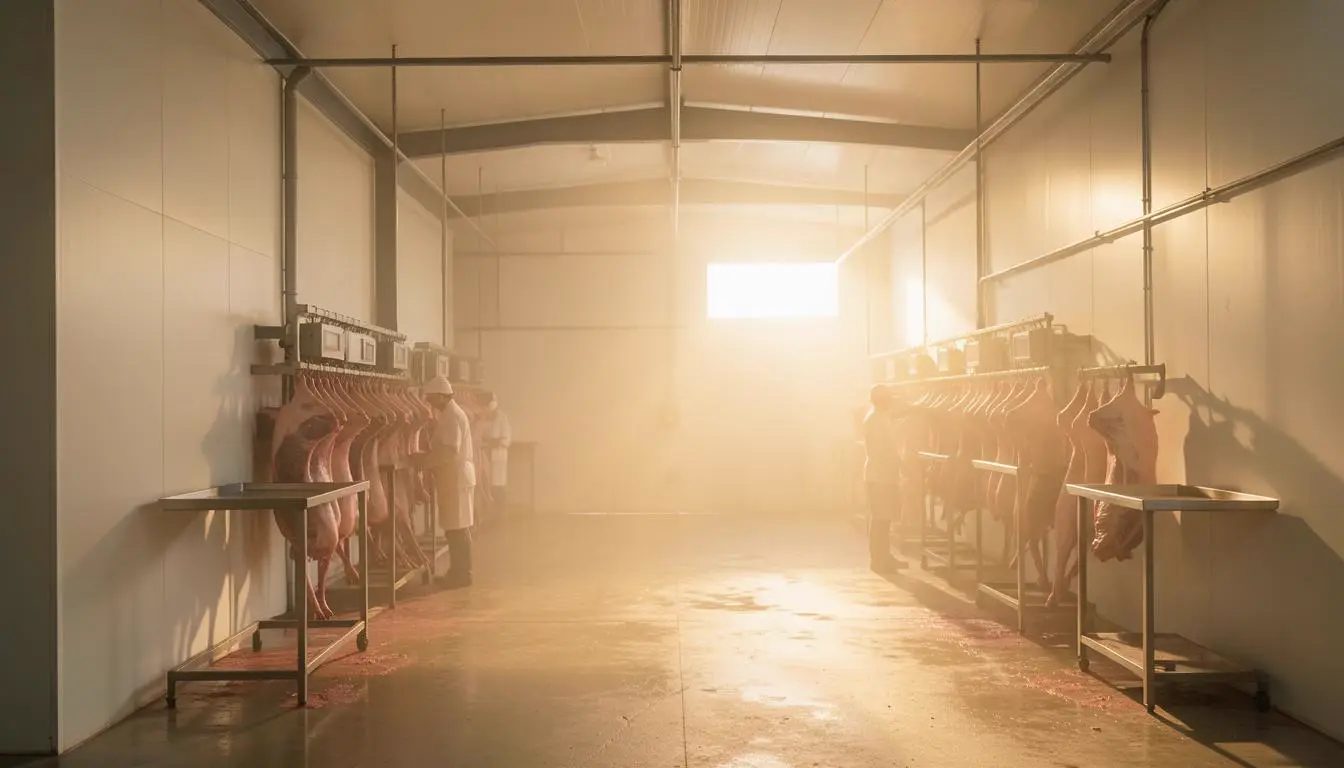
Downed animals have severe environmental impacts, including greenhouse gas emissions due to decomposition, water pollution from carcass disposal, and soil degradation. Moreover, they raise ethical concerns related to animal welfare and labor conditions in the meat industry.
| Method | GHG Emissions | Water Pollution | Soil Degradation |
|---|---|---|---|
| Open disposal (e.g., burning, burying) | High | High | High |
| Rendering | Low | Low | Low |
| Composting | Low | Low | Low |
| Anaerobic digestion | Low | Low | Low |
Solutions for addressing downed animals in MENA
To address the issue of downed animals in MENA, a multi-pronged approach is necessary, involving improved animal welfare standards, enhanced traceability in the supply chain, and better disposal methods.
“Addressing downed animals requires a holistic approach that engages farmers, consumers, and policymakers. We need to prioritize animal welfare, improve traceability, and promote sustainable disposal methods.”
GHG emissions from meat production in MENA
Frequently asked questions
How do intensive farming practices contribute to downed animals?+
Intensive farming practices often lead to overcrowding, poor ventilation, and inadequate nutrition, increasing the risk of injury, disease, and stress in animals.
What are some sustainable disposal methods for downed animals?+
Rendering, composting, and anaerobic digestion are sustainable disposal methods that can help minimize the environmental impacts of downed animals.
How can consumers contribute to reducing downed animals in MENA?+
Consumers can support farms that prioritize animal welfare, buy locally sourced meat, and reduce their overall meat consumption to lower demand for intensively produced meat.