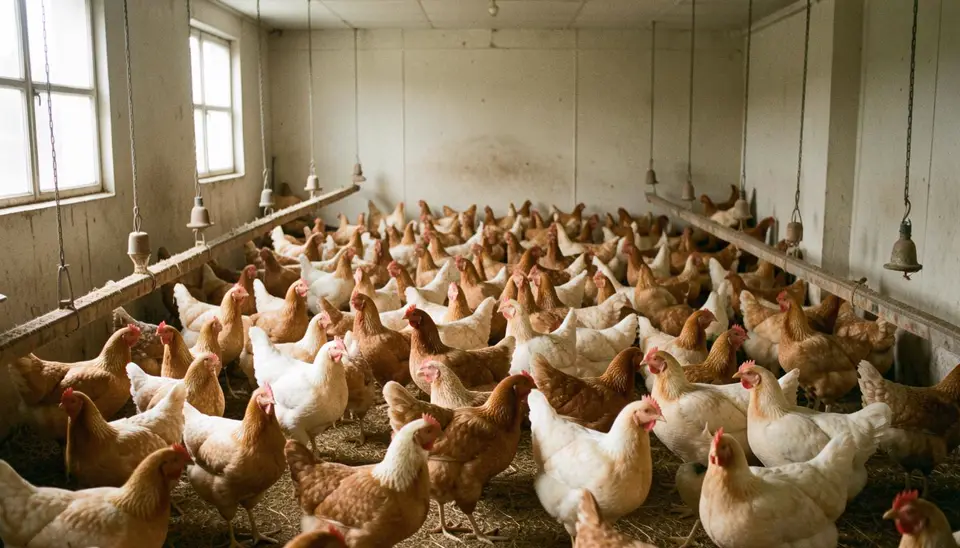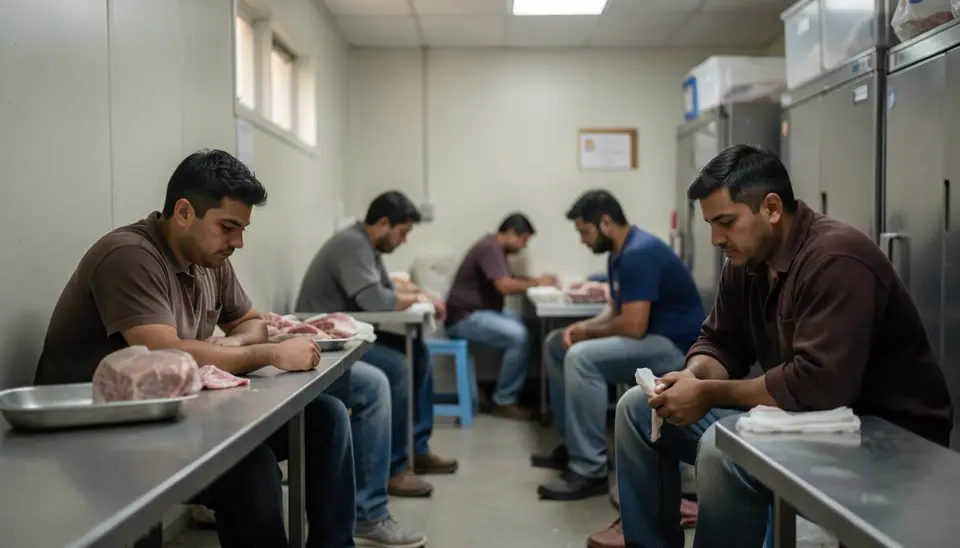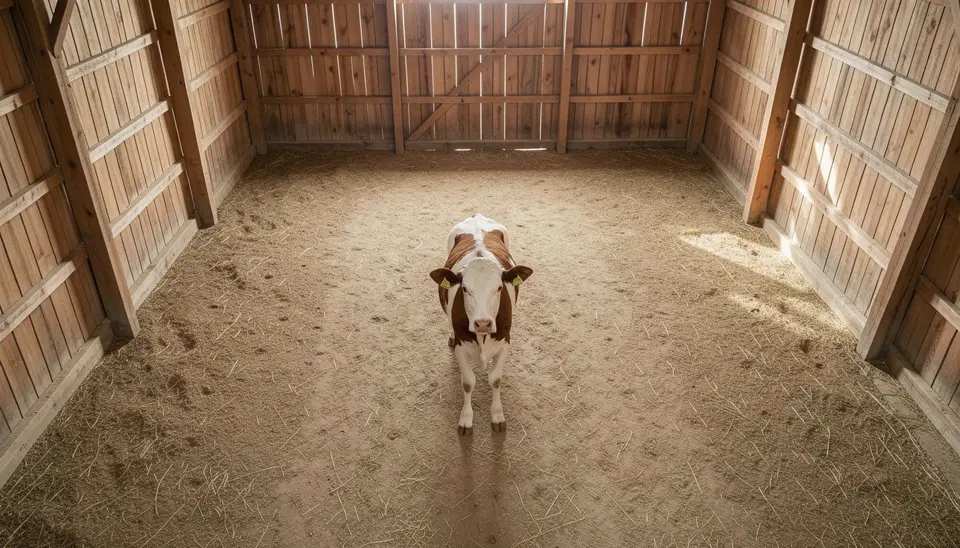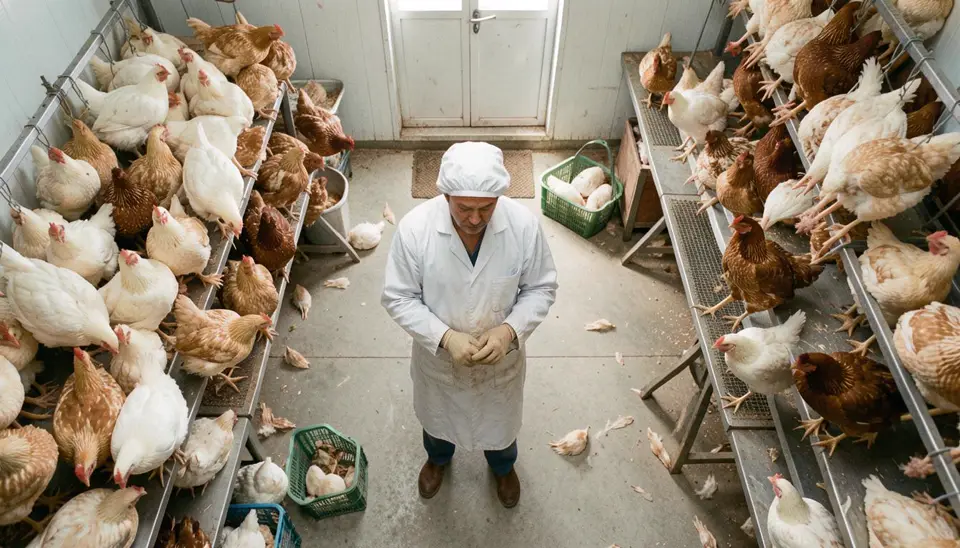
In Australia's factory farming industry, the fate of spent hens — hens past their laying prime — is a contentious issue, marked by legal grey areas and welfare concerns.
Despite Australia's Modern Ethics standards and the Exporter Supply Chain Assurance System (ESCAS), spent hens fall into a regulatory gap, leaving their welfare uncertain.

What are the legal loopholes facing spent hens in Australia?
The primary legal loophole is the lack of clarity in the definition and regulation of spent hens. The Australian Chicken Industry Association (ACIAR) acknowledges this gap, stating that 'there is no clear definition of what constitutes a spent hen'.
| Country | Definition of Spent Hen | Regulations |
|---|---|---|
| Australia | No clear definition | Lack of specific regulations for spent hen welfare |
| EU | Hens no longer able to lay more than 40 eggs in a period of 7 months | Regulations on transport, stunning, and slaughter |
How do these loopholes impact spent hen welfare?
“Without clear definitions and regulations, spent hens may face substandard care, prolonged suffering, and inhumane disposal methods.”
In addition to welfare concerns, the lack of clear regulations creates uncertainty for farmers, who may struggle to dispose of spent hens humanely and profitably.
What are the proposed solutions to address these loopholes?
Stakeholders and advocates suggest several solutions, including clear definitions, stronger regulations, and improved enforcement.
Support for improved spent hen regulations among Australian consumers
Frequently asked questions
What is the current status of spent hen welfare in Australia?+
Spent hen welfare is uncertain due to legal loopholes and lack of clear regulations.
Why is it important to address these legal loopholes?+
Addressing legal loopholes can improve spent hen welfare, provide clarity for farmers, and enhance Australia's reputation in the global market.
What can consumers do to support spent hen welfare?+
Consumers can advocate for stronger regulations, support organizations promoting animal welfare, and choose products from companies committed to ethical practices.