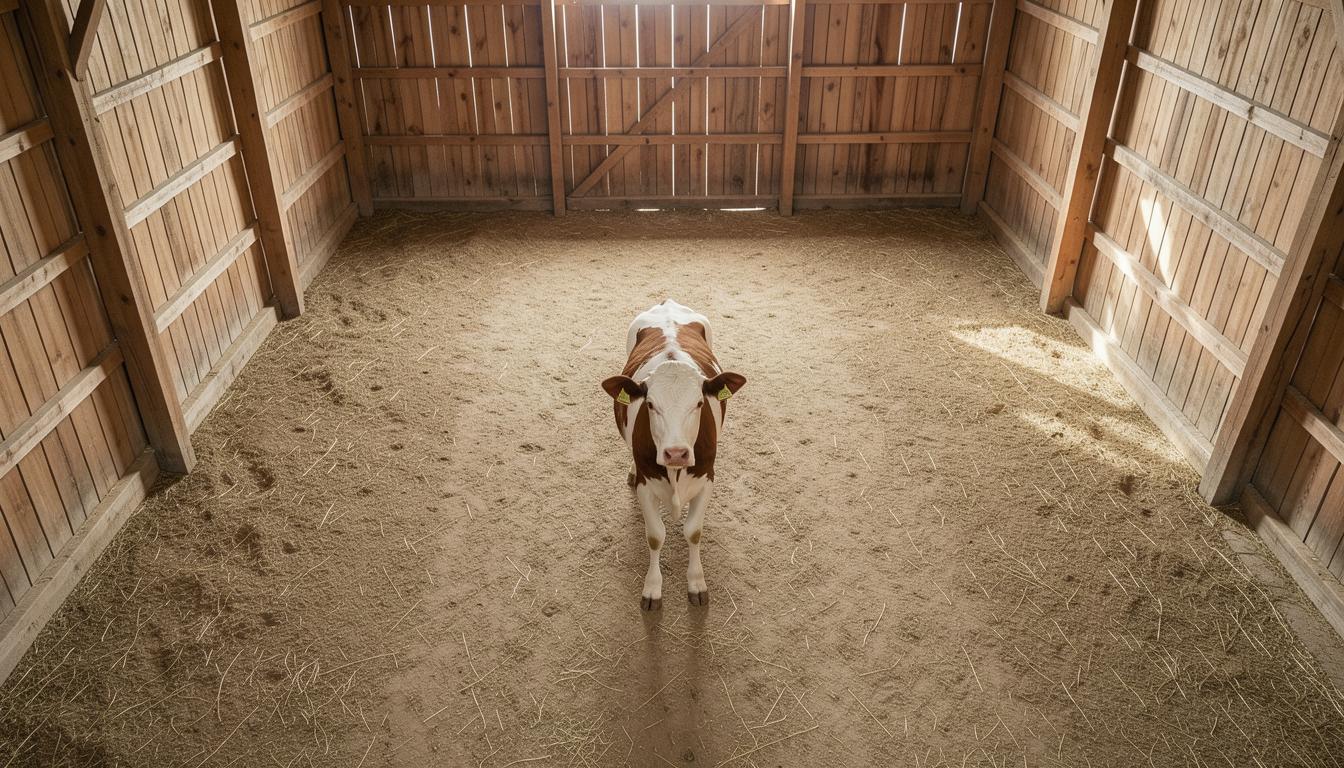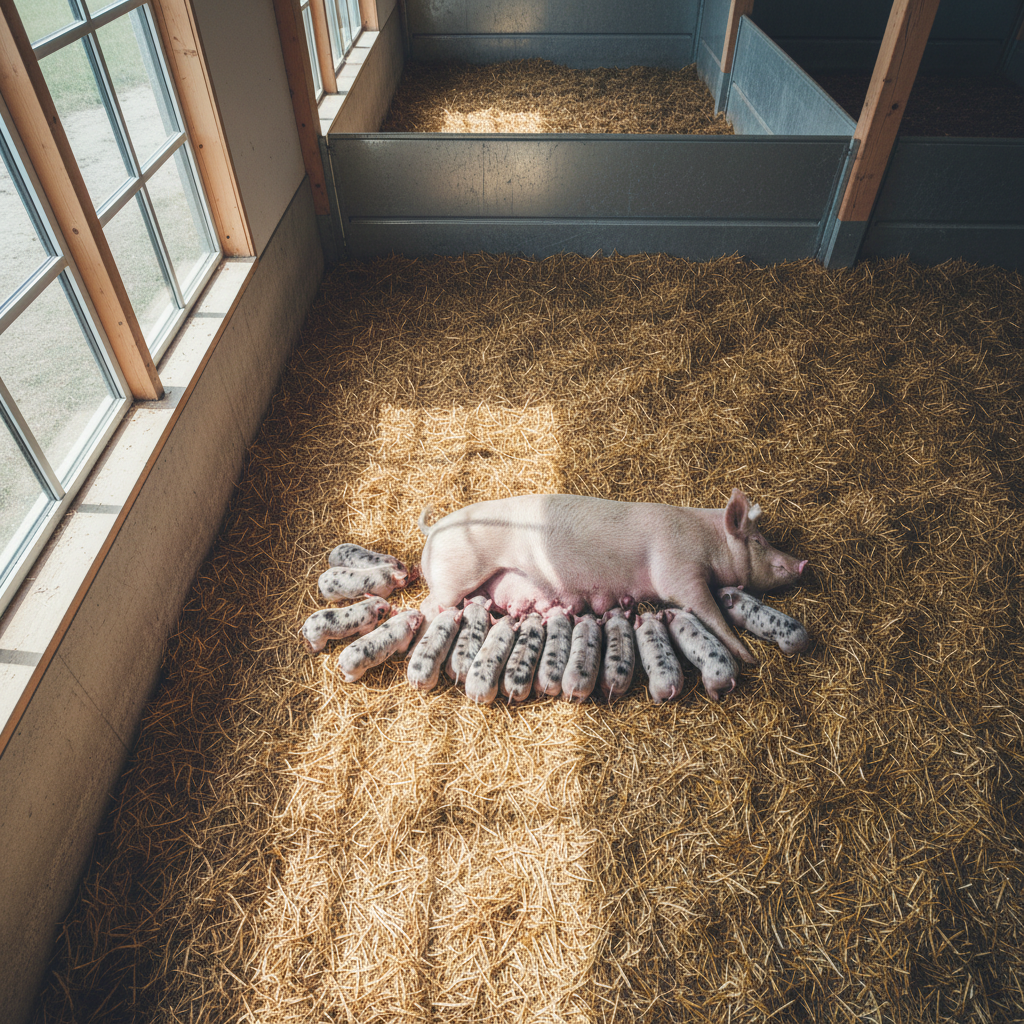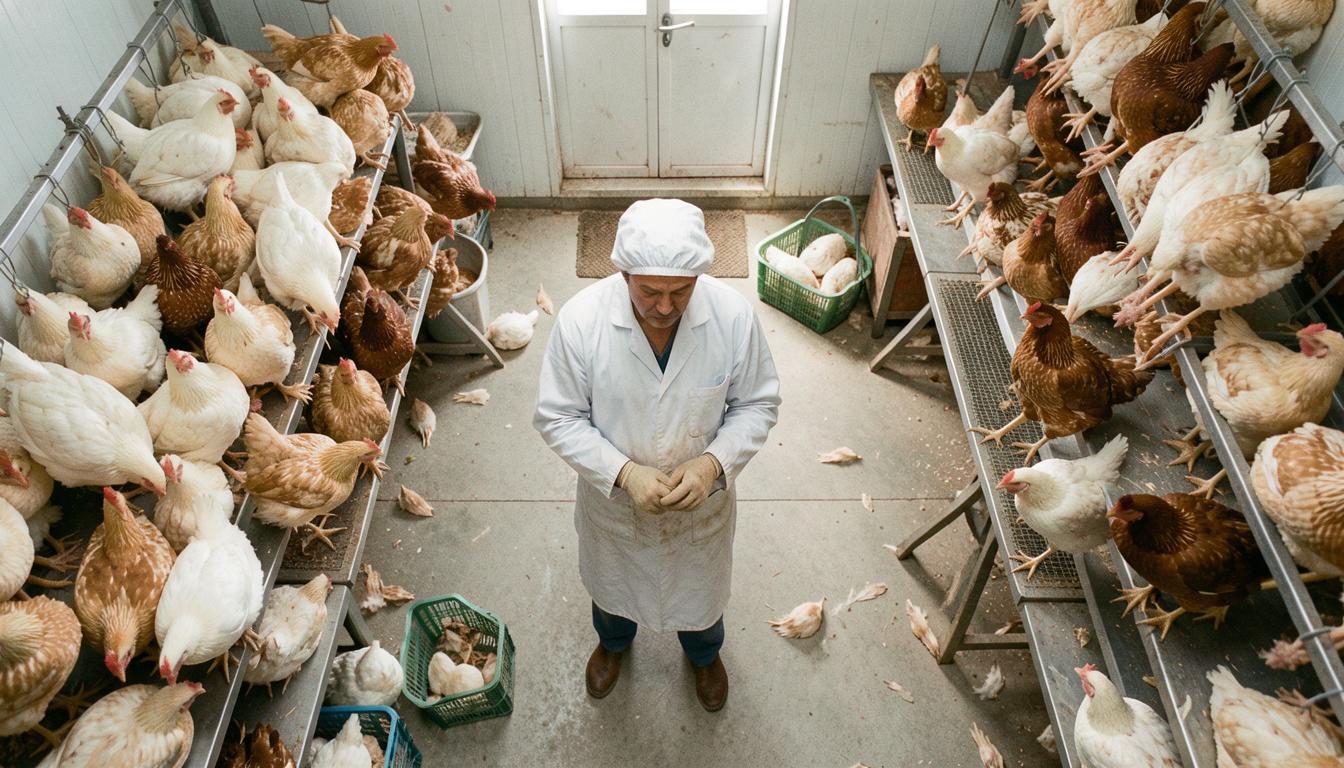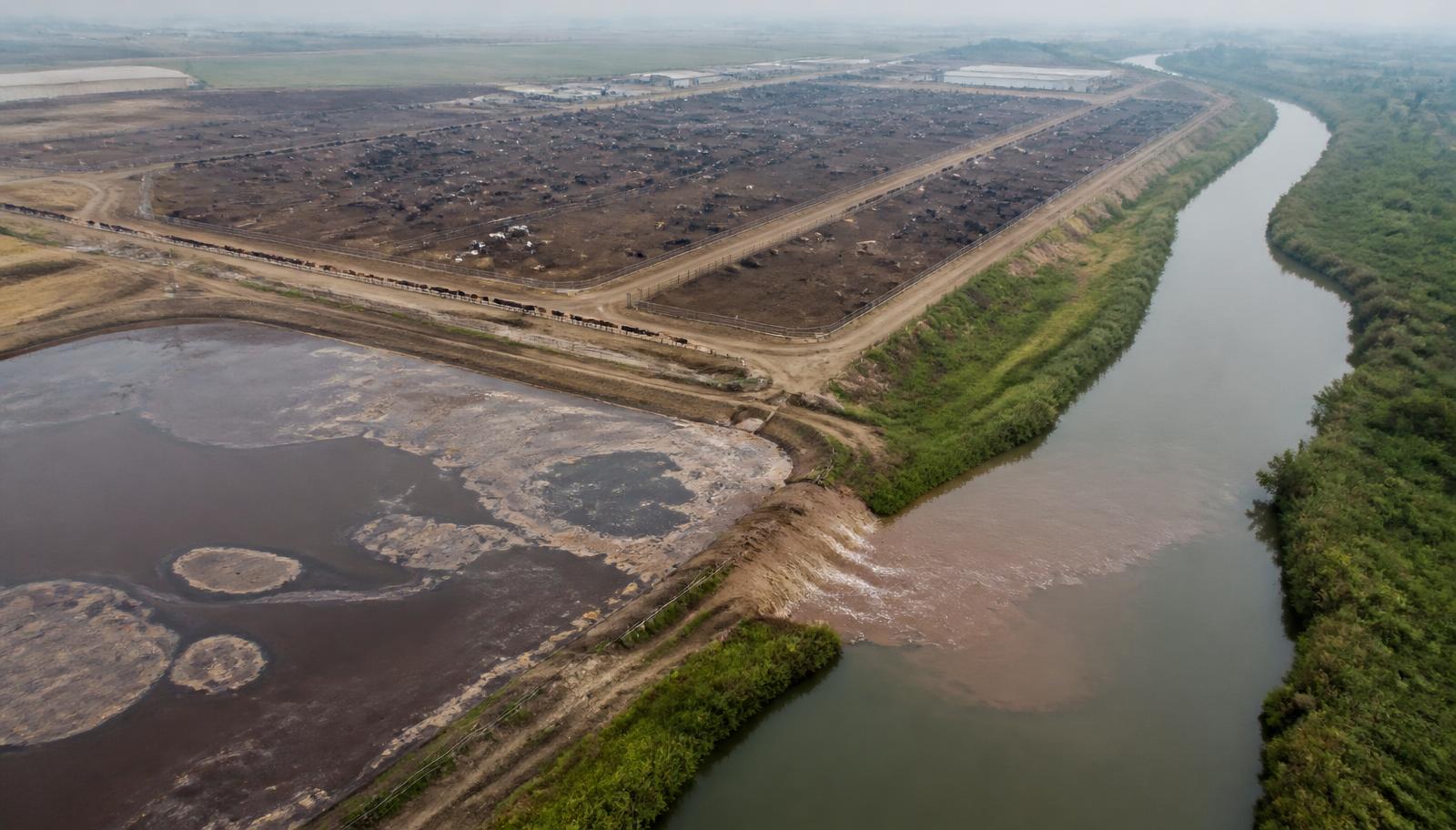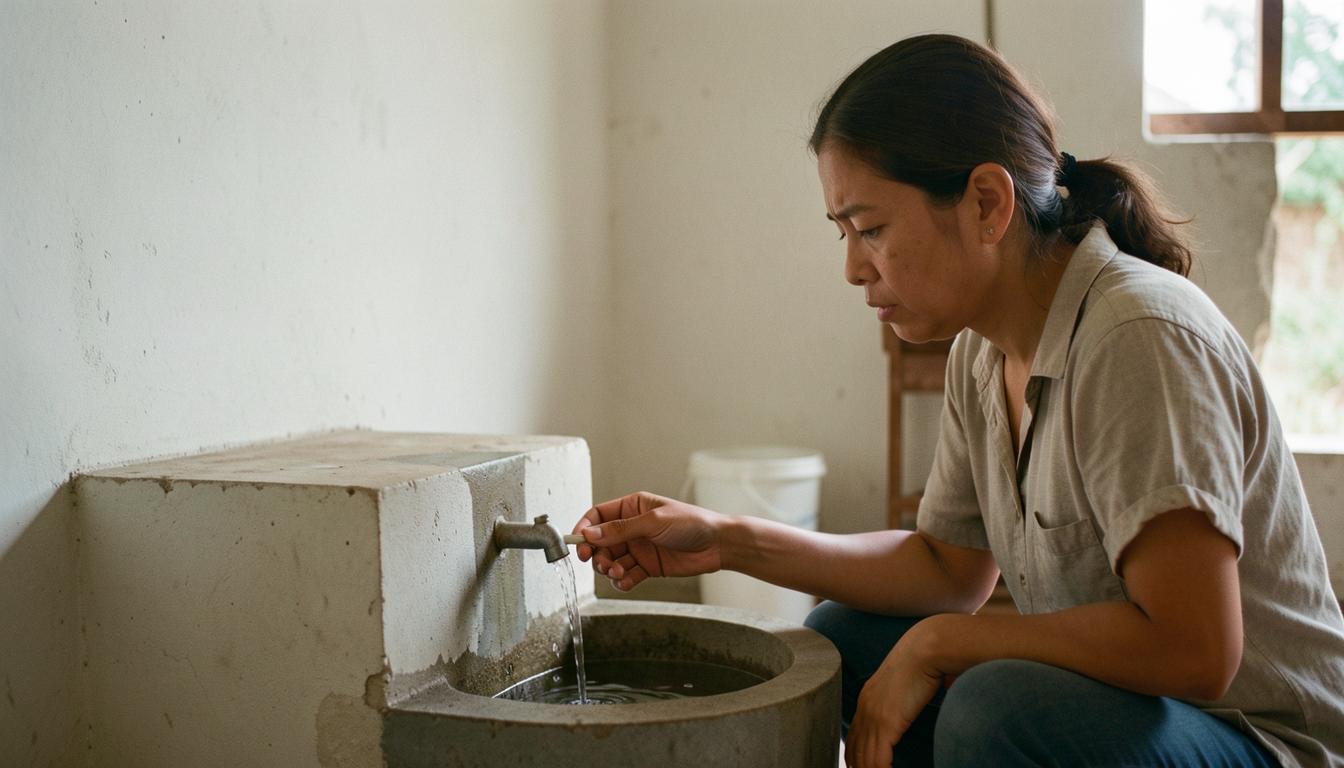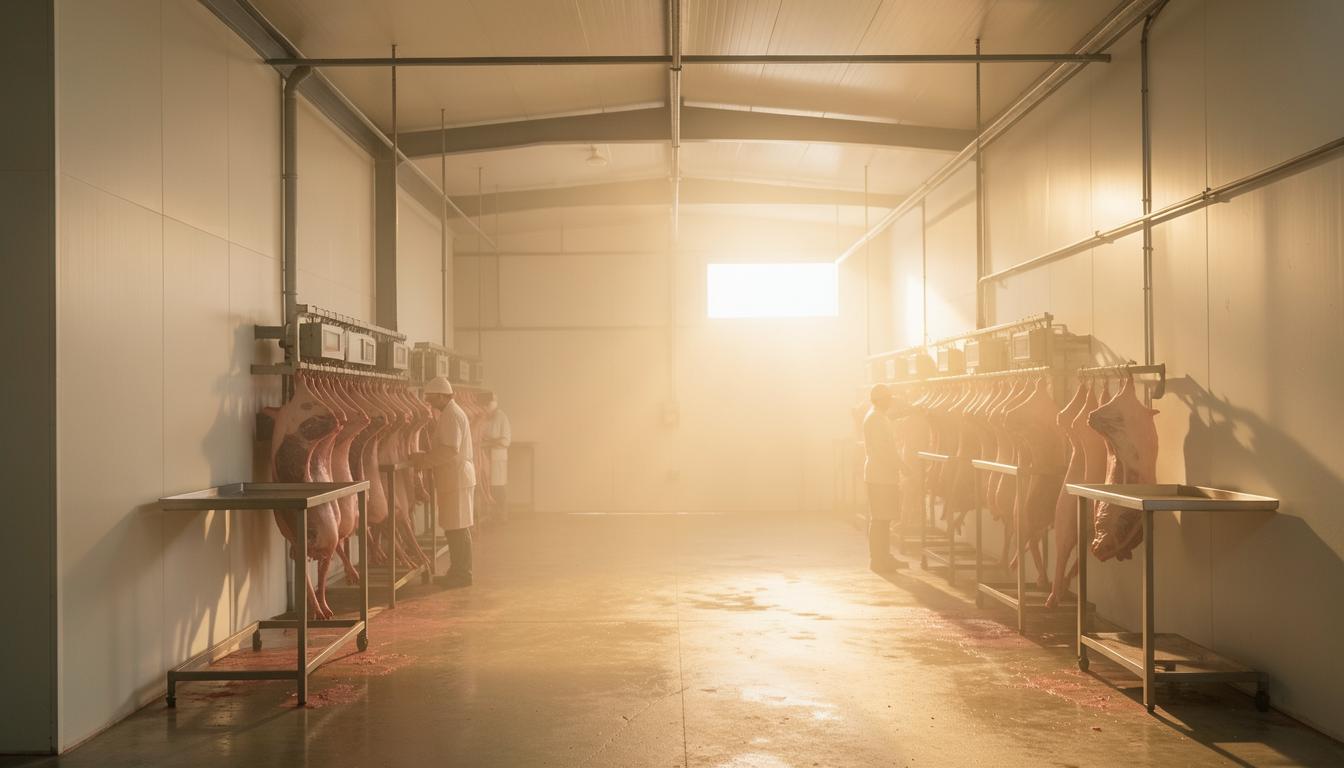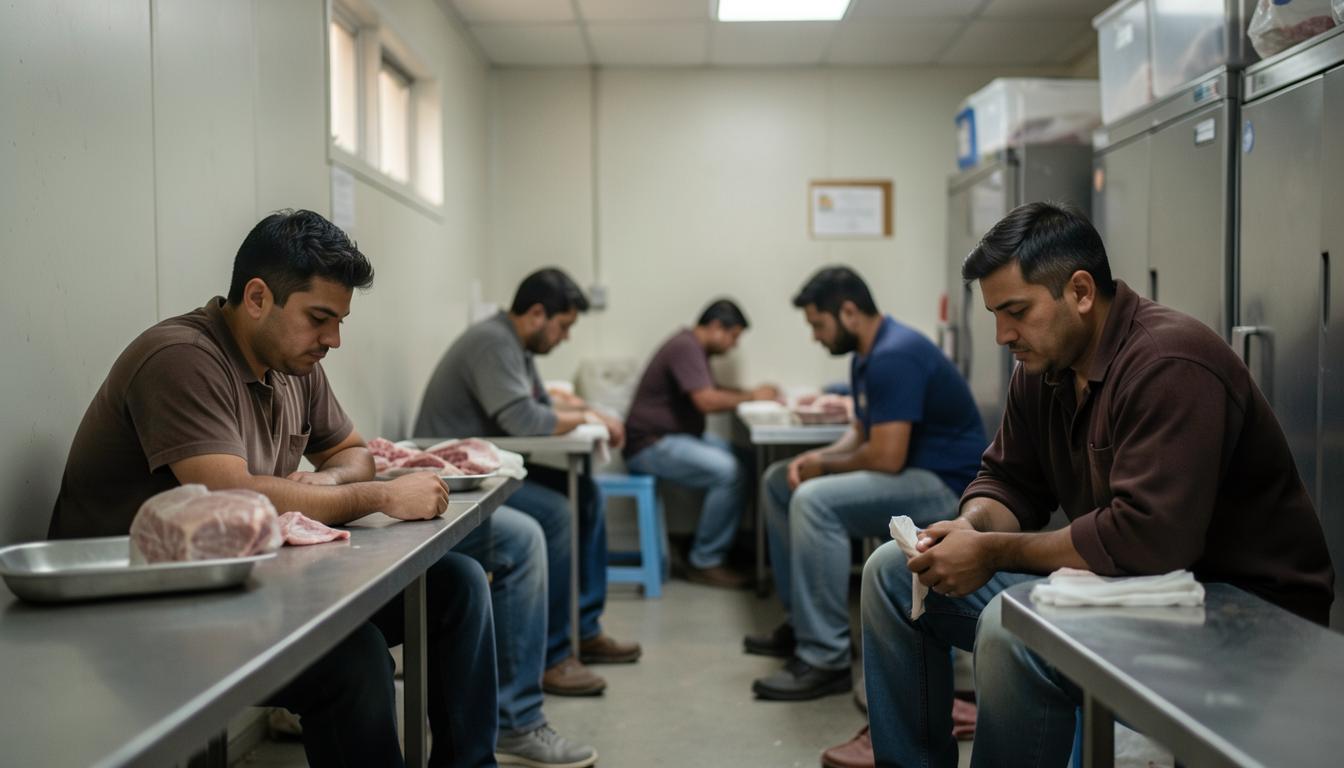
Calf separation in factory farming, a practice that separates newborn calves from their mothers shortly after birth, is a hidden cruelty that has significant impacts on both animal welfare and worker conditions. In this article, we delve into the harsh realities of this process through the perspectives of slaughterhouse and farm workers.
The emotional distress caused by calf separation is evident in both the separated calves and their mothers. Cows have been observed to call out for their calves for up to two weeks after separation (Grandin, 2021). Calves, on the other hand, experience stress-related behaviors such as increased vocalizations, decreased appetite, and even tongue rolling (Weary et al., 2006).

“It's heartbreaking. You see the calves calling out for their mothers, and the cows looking for their calves. It's just not natural.”
The demand for veal and cheap milk contributes to calf separation. Veal production relies on the separation of calves from their mothers to produce the tender meat. Additionally, the dairy industry separates calves from their mothers to collect the milk for human consumption (FAO, 2019).
| Type of Separation | Duration | Impact on Calf | Impact on Cow |
|---|---|---|---|
| Standard | 24 hours | Short-term distress, potential long-term impacts on growth and health | Short-term distress, potential reduction in milk production |
| Early | Less than 6 hours | Potential long-term impacts on growth and health, increased stress-related behaviors | Potential reduction in milk production, increased stress-related behaviors |
| Late | More than 24 hours | Minimal immediate distress, potential long-term impacts on growth and health | Minimal immediate distress, potential reduction in milk production |
Emotional distress among farm and slaughterhouse workers due to calf separation
Regulations and improved farming practices can help alleviate the suffering caused by calf separation. For instance, the European Union has banned the early separation of calves (European Commission, 2008). In the United States, some states have implemented restrictions on veal production (Animal Legal Defense Fund, 2021).
Frequently asked questions
Why is calf separation practiced?+
Calf separation is primarily practiced for veal production and to collect milk for human consumption.
Is there an alternative to calf separation?+
Yes, some farms practice 'calf-friendly' dairy farming, where calves are allowed to stay with their mothers for at least six months.
What can be done to reduce calf separation?+
Reducing consumption of veal and dairy products, supporting humane farming practices, and advocating for stronger regulations can help reduce calf separation.