Foie gras, a French delicacy, is infamously produced through force-feeding ducks and geese, a practice that is not only cruel but also harmful to human health and the environment. If you're ready to leave this industry behind and embrace a more compassionate and sustainable lifestyle, this 30-day starter plan is for you.
The force-feeding process is not only cruel but also leads to significant health issues for the birds, including liver damage, physical strain, and psychological distress. Moreover, the foie gras industry contributes to environmental degradation through greenhouse gas emissions, water pollution, and habitat destruction.
What exactly is force-feeding, and how is it carried out?
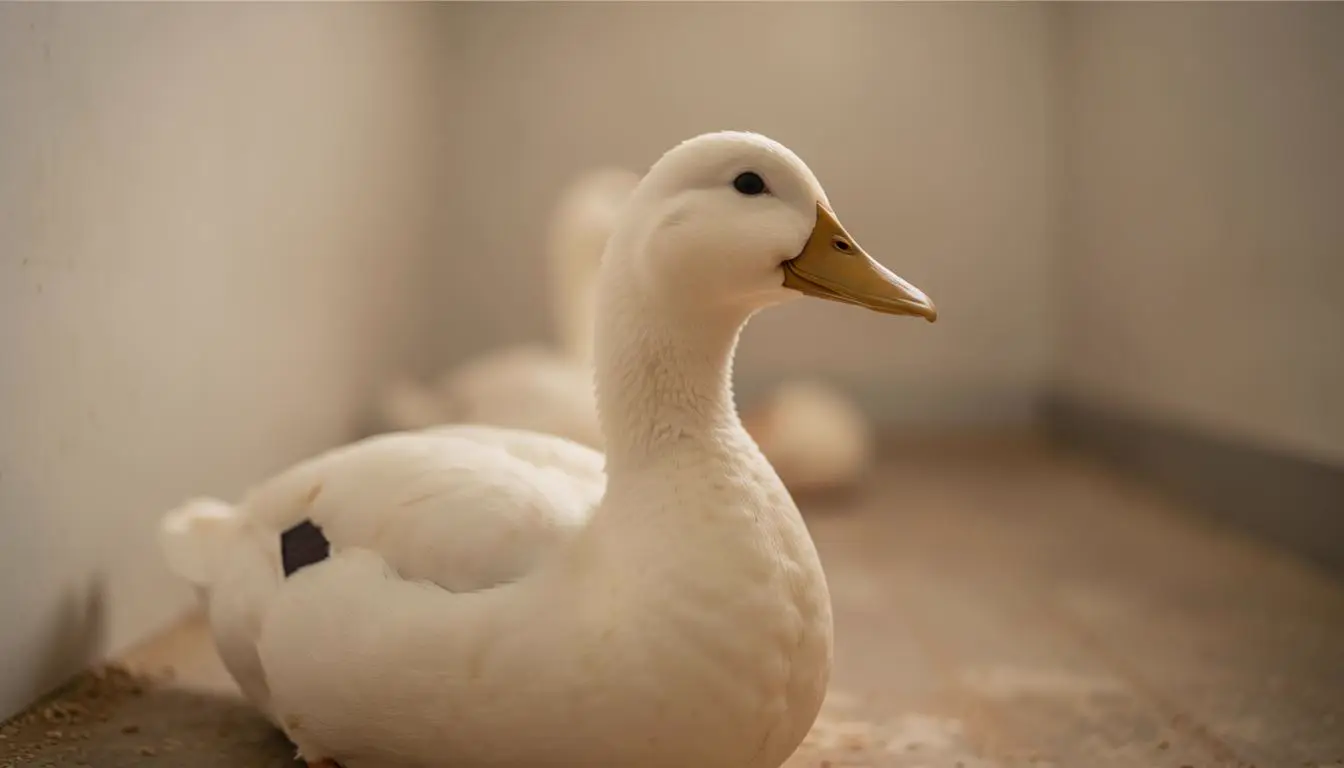
Force-feeding, or gavage, is the process of inserting a tube down the bird's throat and pumping large amounts of grain and fat into its stomach. This is done two to three times a day for up to 18 days, causing the bird's liver to swell to up to 10 times its normal size. Despite widespread condemnation and bans in several countries, this cruel practice continues in the name of producing the 'delicacy' known as foie gras.
| Bird Species | Normal Liver Size | Force-Fed Liver Size | Force-Feeding Period |
|---|---|---|---|
| Duck | 100g | 1kg | 18 days |
| Goose | 200g | 2kg | 17 days |
How does force-feeding impact the birds' health and welfare?
Force-feeding causes severe health issues for ducks and geese. The rapid expansion of the liver leads to serious health problems such as hepatitis, liver fibrosis, and even cancer. Additionally, the birds suffer from physical strain, depression, and other psychological distress due to the force-feeding process.
“Force-feeding is a cruel and abusive practice that causes pain, suffering, and distress to the birds. It's time we recognize that food should not come at the expense of animal welfare.”
How does the foie gras industry impact the environment?
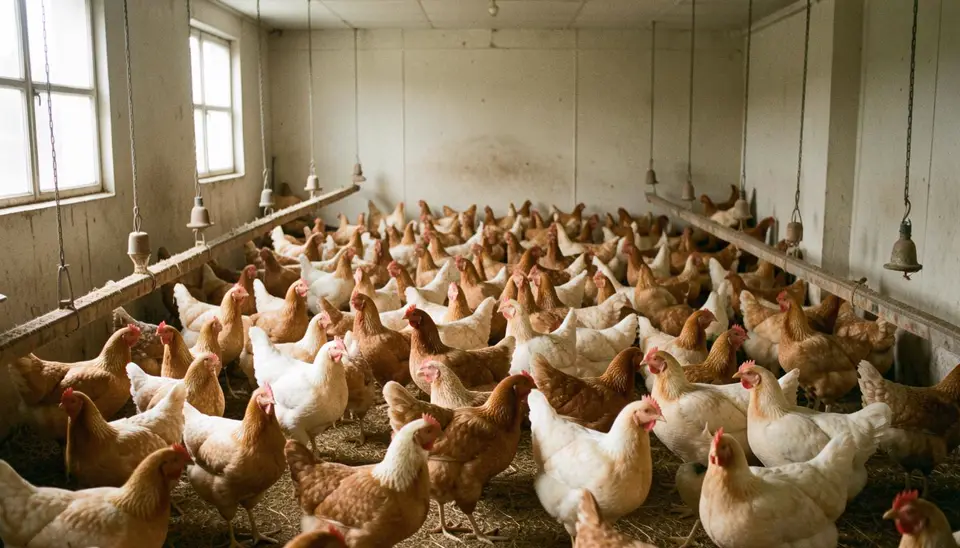
The foie gras industry has a significant environmental impact, contributing to greenhouse gas emissions, water pollution, and habitat destruction. The intensive farming practices used in the industry result in high levels of waste and the emission of harmful gases such as nitrous oxide and methane. Additionally, the industry's demand for water leads to increased water pollution and the destruction of wetlands and other habitats.
Greenhouse gas emissions from the foie gras industry
How can you make a difference by reducing your demand for foie gras?
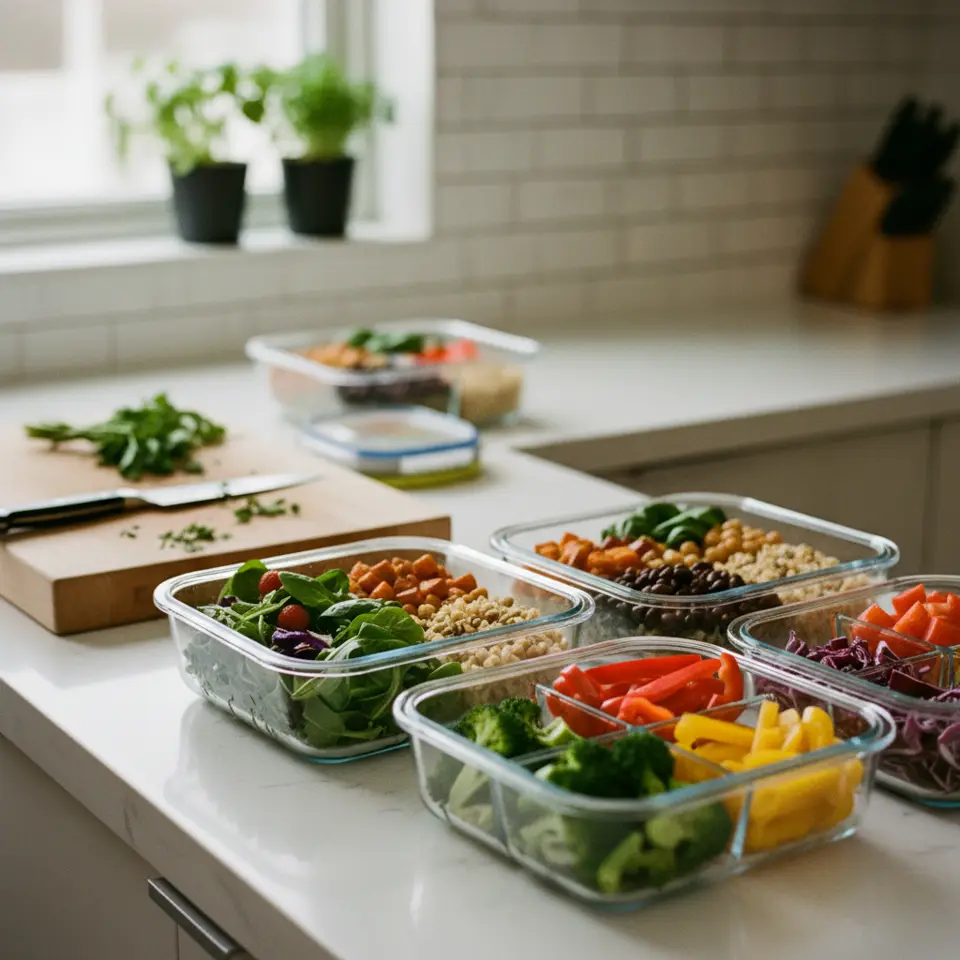
The most effective way to reduce your demand for foie gras is to stop consuming it. By choosing plant-based alternatives, you can help reduce the suffering of ducks and geese and minimize your environmental impact. Additionally, you can raise awareness about the cruel and unsustainable practices of the foie gras industry by sharing information with friends and family.
A 30-day plant-based transition plan
How to transition to a plant-based diet in 30 days
- 1
Week 1: Education
Learn about the benefits of a plant-based diet for both your health and the planet. Research plant-based recipes and meal plans.
- 2
Week 2: Gradual Reduction
Start reducing your intake of animal products gradually. Experiment with plant-based alternatives in your favorite dishes.
- 3
Week 3: Plant-Based Meals
Try having at least one plant-based meal per day. Explore new ingredients and flavors.
- 4
Week 4: Fully Plant-Based
Commit to a fully plant-based diet for the rest of the 30 days. Continue to experiment with new recipes and ingredients.
Frequently asked questions
Won't I miss out on essential nutrients by going plant-based?+
A well-planned plant-based diet can provide all the nutrients your body needs. In fact, it can be richer in vitamins, minerals, and fiber than an omnivorous diet. Make sure to include a variety of fruits, vegetables, whole grains, and legumes in your meals.
Isn't plant-based food more expensive?+
A plant-based diet can be more affordable than an animal-based diet, especially if you focus on whole foods like beans, lentils, tofu, and grains. Additionally, you'll save money by reducing your meat and dairy intake.
What about protein? Where will I get it from?+
Protein is abundant in plant-based foods such as legumes, tofu, tempeh, nuts, and seeds. You can also find plant-based protein powders and supplements if you're looking for a more convenient option.