Are you considering buying products filled with duck down? Before you make a purchase, it's crucial to understand the impacts of duck down plucking and how to make informed decisions as a conscious consumer. Here's a breakdown of the real cost of duck down and how to track corporate pledges to ensure you're supporting ethical practices.
The real cost of duck down
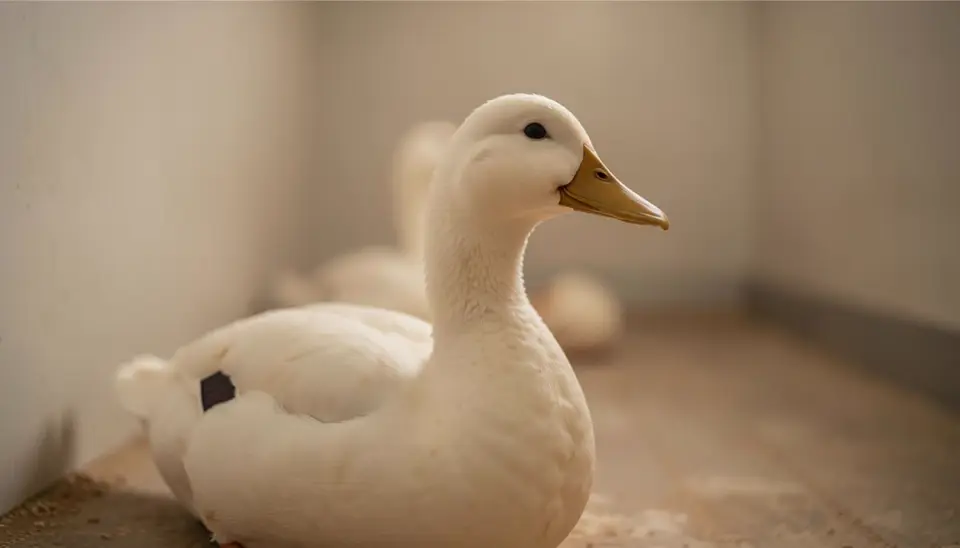
The primary issue with duck down plucking is the live-plucking process, which can cause severe pain and stress to the ducks. This practice is banned in many countries due to animal welfare concerns. However, it continues in some parts of the world, often under the guise of 'harvesting'.

| Standard | Live Plucking | Force Feeding | Welfare Audits |
|---|---|---|---|
| No Standard | ✓ | ✓ | |
| Downpass | X | X | |
| Responsible Down Standard | X | X | |
| Global Traceable Down Standard | X | X | X |
Corporate pledge tracker for individuals
To address these concerns, many corporations have made pledges to improve duck welfare in their supply chains. As a consumer, you can track these pledges and make informed decisions about which brands to support.
“By tracking corporate pledges, we can send a clear message to brands that consumers care about animal welfare and expect them to meet their commitments.”
Brands' commitment to ending live-plucking
Frequently asked questions
Which brands have made commitments to improve duck welfare?+
Many brands, including Patagonia, The North Face, and H&M, have made commitments to improve duck welfare in their supply chains.
How can I ensure my down is ethical?+
Look for products labeled with responsible down standards, such as the Responsible Down Standard or the Global Traceable Down Standard.