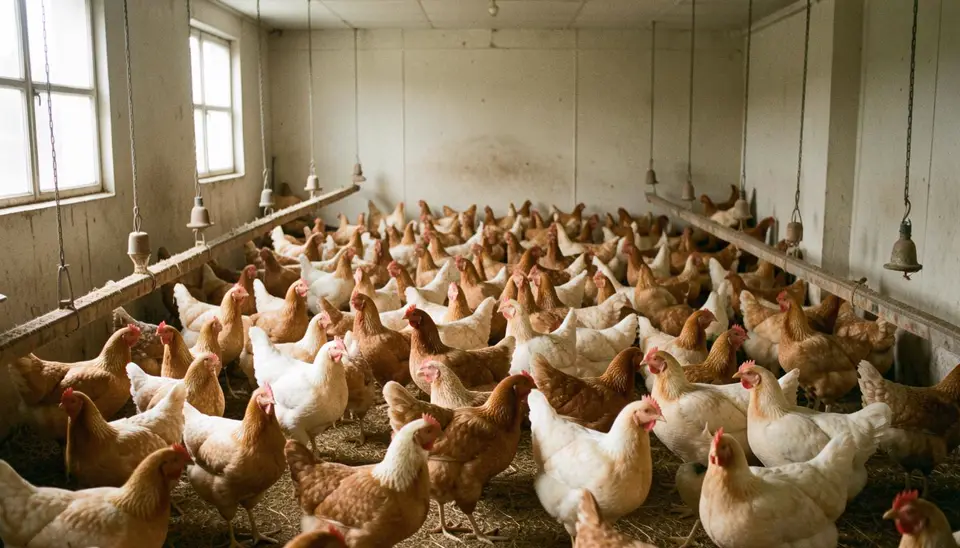
Big meat companies, notorious for their environmental impact, are now employing greenwashing tactics to portray themselves as eco-friendly. But what do the workers who toil in these industries have to say? We spoke to slaughterhouse and farm workers to get the truth behind the labels.
The meat industry, a significant contributor to greenhouse gas emissions, is now using sustainability claims to appeal to eco-conscious consumers. But how accurate are these claims, and what do the workers on the ground have to say?
What is Greenwashing in the Meat Industry?
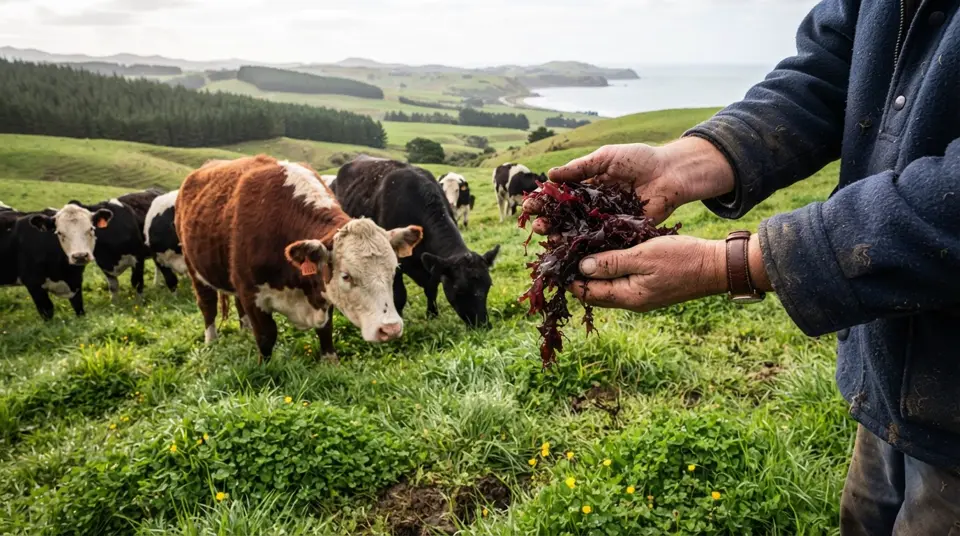
Greenwashing involves making false or misleading claims about an organization's environmental practices to improve its public image. In the meat industry, this can manifest as 'sustainable', 'organic', or 'grass-fed' labels, despite the industry's significant environmental impact.
Workers Speak Out
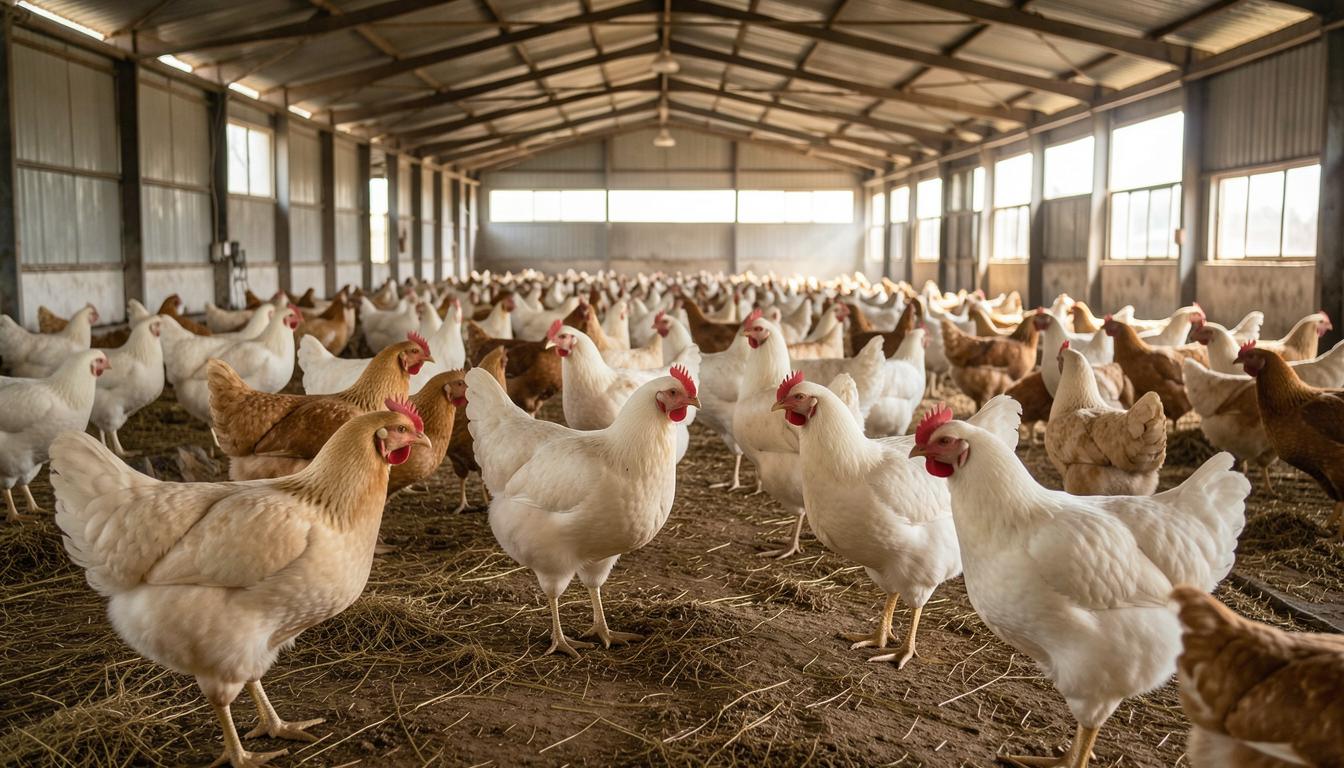
We spoke to several workers in the meat industry, who painted a different picture than the one presented by the big meat companies.
“The conditions here are grueling. We work long hours, and the pay is barely enough to live on. And the environmental impact? It's catastrophic. The waste, the emissions, it's all hidden behind these green labels.”
Sara's sentiments were echoed by many others we spoke to. The reality on the ground is far from the idyllic pastoral scenes often portrayed on packaging.
The Environmental Impact
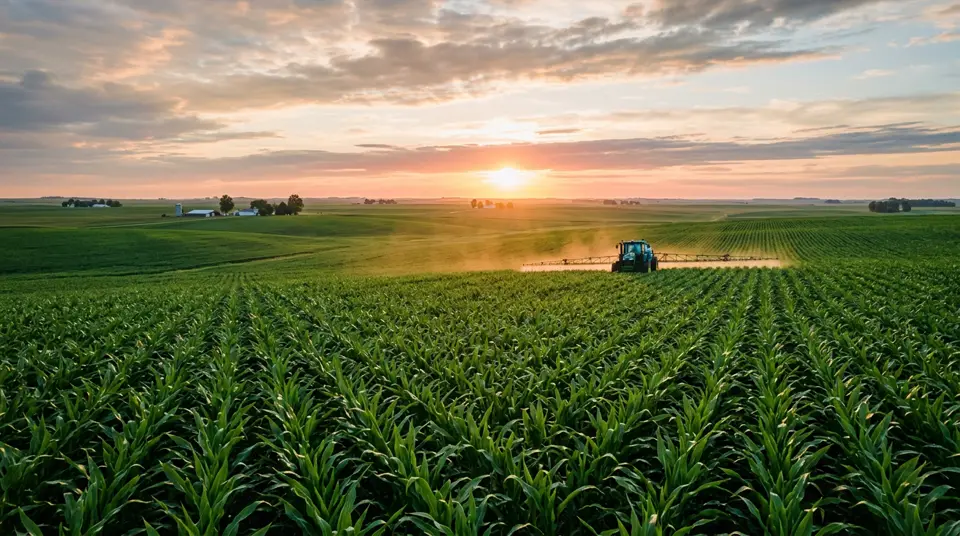
The meat industry is responsible for a significant portion of global greenhouse gas emissions, with beef and lamb production being the most emission-intensive. Despite this, many big meat companies are using greenwashing tactics to shift the narrative.
| Food Type | Emissions (kg CO2 eq per kg of protein) |
|---|---|
| Beef | 27 |
| Lamb | 39.2 |
| Pork | 7.0 |
| Chicken | 5.7 |
| Soy | 2.0 |
| Lentils | 0.9 |
What Can We Do?
Given the environmental impact of the meat industry, reducing our consumption is a crucial step. Supporting more sustainable farming practices and holding big meat companies accountable for their environmental claims are also necessary.
Reduction in emissions with a shift towards plant-based diets
Frequently asked questions
What is greenwashing in the meat industry?+
Greenwashing in the meat industry involves making false or misleading claims about the environmental practices of meat companies to improve their public image.
What can consumers do to help?+
Consumers can reduce their meat consumption, support local, sustainable farmers, and demand transparency from big meat companies.
How does reducing meat consumption help the environment?+
Reducing meat consumption, particularly red and processed meat, can lead to significant reductions in greenhouse gas emissions.