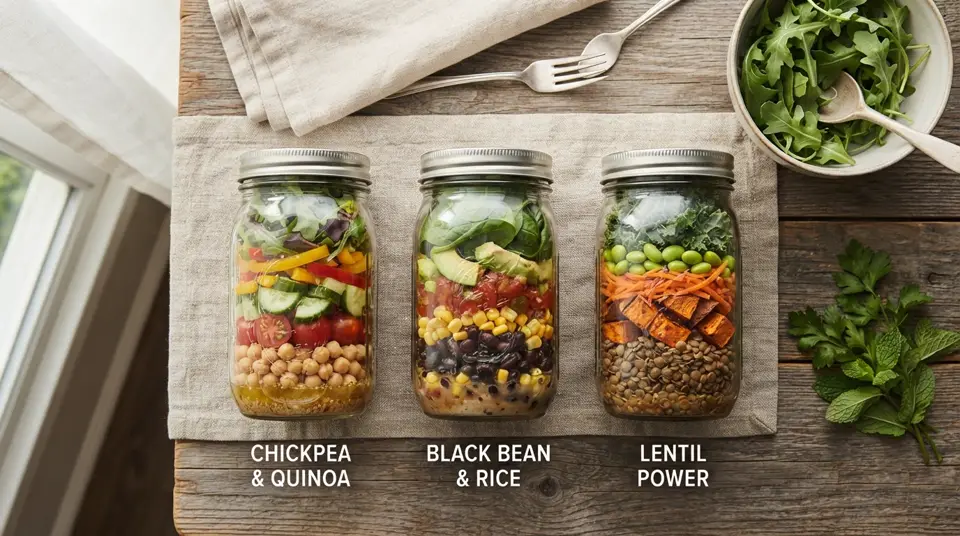
Dining out vegan can be a challenge, especially at large restaurant chains. With the rise of plant-based diets, many chains now offer vegan options. However, there are common mistakes that can hinder the vegan dining experience. Let's explore these issues within the context of US regulations.
The US has seen a surge in vegan restaurant chains, from national fast-food outlets to local casual dining spots. However, the quality and authenticity of vegan options can vary greatly. Let's uncover the mistakes chains often make and how to address them within the regulatory context.
1. Lack of clear labeling and training
Mistake: Inadequate labeling and staff training on vegan options. Solution: Mandate clear, upfront labeling of vegan items on menus and provide comprehensive staff training on vegan ingredients and cross-contamination risks.
2. Inconsistent vegan options
Mistake: Inconsistent vegan menu items across locations. Solution: Standardize vegan options across all locations and ensure they meet the same quality and safety standards.

3. Cross-contamination risks
Mistake: Lack of protocols to prevent cross-contamination with animal products. Solution: Implement strict protocols to prevent cross-contamination, such as separate preparation areas, cooking oil, and utensils for vegan items.
“Cross-contamination is a significant issue for vegan diners. Chains should prioritize preventing it to ensure the accuracy and safety of their vegan offerings.”
4. Inadequate ingredient sourcing
Mistake: Using low-quality, highly processed ingredients. Solution: Source high-quality, plant-based ingredients and prioritize sustainability and ethical sourcing practices.
| Ingredient | Vegan Status | Potential Issues |
|---|---|---|
| Meat alternatives | Vegan | May contain allergens, soy, or GMOs |
| Dairy alternatives | Vegan | May contain allergens, added sugars, or stabilizers |
| Plant-based oils | Vegan | May contribute to deforestation or monoculture crops |
5. Ignoring regional preferences
Mistake: Not tailoring vegan options to regional tastes and preferences. Solution: Conduct market research and adapt vegan menus to suit local tastes and customs.
6. Marketing vegan options incorrectly
Mistake: Mislabeling or overstating vegan claims. Solution: Ensure accurate labeling and refrain from making claims that cannot be substantiated, such as 'healthier' or 'more sustainable.'
Vegan label claims in the US
7. Failing to address accessibility
Mistake: Not considering accessibility for vegan diners with allergies or dietary restrictions. Solution: Offer allergen information, clear labeling, and accommodations for specific dietary needs.
To improve the vegan dining experience at restaurant chains, it's crucial to address these common mistakes within the regulatory context. By understanding and implementing best practices, chains can better cater to the growing demand for plant-based meals.
Frequently asked questions
Frequently asked questions
What are the most common allergens in vegan restaurant chains?+
Soy, wheat, and tree nuts are among the most common allergens found in vegan restaurant chains.
How can vegan restaurant chains ensure the accuracy of their labeling?+
Chains should implement strict protocols for ingredient verification, staff training, and regular menu audits to ensure accurate labeling.
What are the differences in vegan dining experiences across different US regions?+
Vegan dining experiences can vary by region, reflecting local tastes, preferences, and dietary customs. Chains should adapt their vegan menus to suit each market.