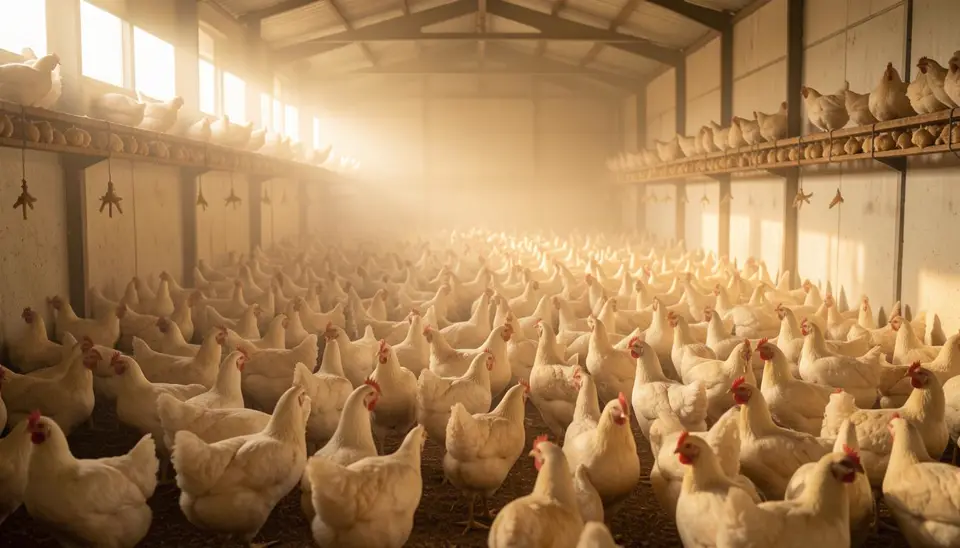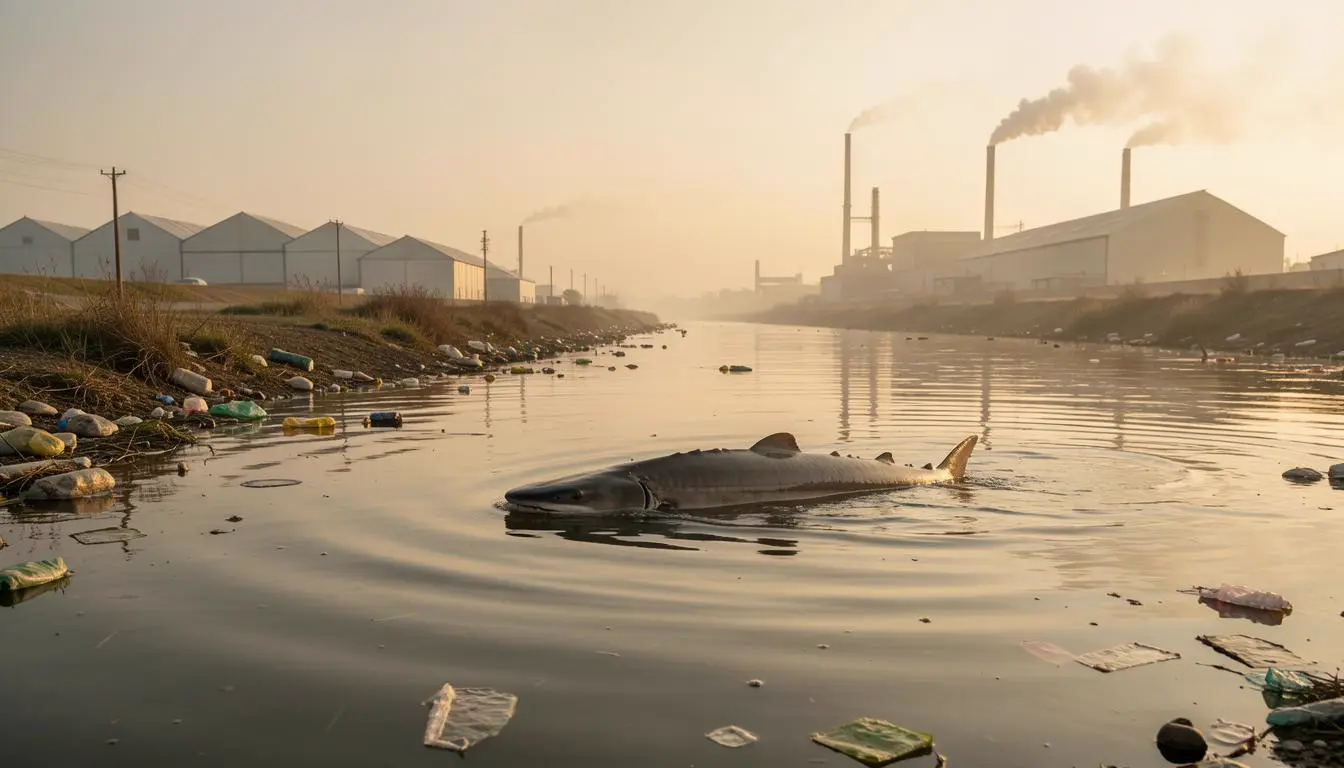
স্টার্জন মাছ, প্রাচীন মাছের প্রজাতি যা ২০০ মিলিয়নেরও বেশি বছর ধরে পৃথিবীর জলে বসবাস করে আসছে, এখন বিভিন্ন মানবসৃষ্ট হুমকির কারণে গুরুতর বৈশ্বিক বিলুপ্তির ঝুঁকির মুখোমুখি। এই সংকটের একটি গুরুত্বপূর্ণ অবদানকারী হল কেন্দ্রীভূত পশু খাদ্য উৎপাদন কার্যক্রম (CAFOs) এবং তাদের বর্জ্য ব্যবস্থাপনা পদ্ধতি, যা অসমভাবে দুর্বল সম্প্রদায়কে প্রভাবিত করে, এই সমস্যা সমাধানে পরিবেশগত ন্যায়বিচারের দৃষ্টিভঙ্গির প্রয়োজনীয়তা তুলে ধরে।
স্টার্জন মাছের প্রধান হুমকিগুলি কী কী?
স্টার্জন মাছ অতিরিক্ত মাছ ধরা, আবাসস্থল হ্রাস, দূষণ এবং জলবায়ু পরিবর্তন সহ একাধিক হুমকির মুখোমুখি। সবচেয়ে জরুরি সমস্যা হল কৃষি ও শিল্পের প্রবাহের কারণে জলের গুণমান হ্রাস, যেখানে CAFOs একটি গুরুত্বপূর্ণ অবদানকারী।
| স্টার্জন প্রজাতি | বর্তমান অবস্থা | প্রধান হুমকি |
|---|---|---|
| বেলুগা স্টার্জন (Huso huso) | গুরুতরভাবে বিপন্ন | অতিরিক্ত মাছ ধরা, আবাসস্থল হ্রাস, দূষণ |
| চীনা স্টার্জন (Acipenser sinensis) | গুরুতরভাবে বিপন্ন | দূষণ, আবাসস্থল হ্রাস, বাঁধ |
| উত্তর আমেরিকার প্যালিড স্টার্জন (Scaphirhynchus albus) | বিপন্ন | আবাসস্থল হ্রাস, দূষণ, বাঁধ |
“আমাদের জলপথের মুখোমুখি দূষণ সংকট অনেক প্রজাতির বেঁচে থাকার জন্য একটি সংকট, যার মধ্যে স্টার্জন মাছও রয়েছে, যা জলের গুণমানের পরিবর্তনের প্রতি বিশেষভাবে সংবেদনশীল।”
কীভাবে CAFOs স্টার্জন জনসংখ্যাকে প্রভাবিত করে?
CAFOs বিপুল পরিমাণ বর্জ্য উৎপন্ন করে, প্রধানত পশুর সার এবং মূত্রের আকারে, যাতে প্রায়শই উচ্চ মাত্রার পুষ্টি (নাইট্রোজেন এবং ফসফরাস), হরমোন, অ্যান্টিবায়োটিক এবং ভারী ধাতু থাকে। যখন এই দূষকগুলি জলাশয়ে প্রবেশ করে, তখন তারা ইউট্রোফিকেশন সৃষ্টি করতে পারে, যার ফলে অক্সিজেন হ্রাস এবং ক্ষতিকারক শৈবালের প্রস্ফুটন ঘটে, যা স্টার্জন মাছের বেঁচে থাকার জন্য ক্ষতিকর।
স্টার্জন জনসংখ্যার প্রবণতা
পরিবেশগত ন্যায়বিচারের দৃষ্টিভঙ্গি: CAFO স্থাপন এবং দুর্বল সম্প্রদায়ের উপর এর প্রভাব
পরিবেশগত ন্যায়বিচারের দৃষ্টিভঙ্গি প্রকাশ করে যে CAFOs প্রায়শই নিম্ন আয়ের, সংখ্যালঘু এবং আদিবাসী সম্প্রদায়ের মধ্যে বা তার কাছাকাছি স্থাপন করা হয়। এই সম্প্রদায়গুলি, রাজনৈতিক ও অর্থনৈতিক ক্ষমতার অভাবের কারণে, CAFOs-এর পরিবেশগত ও স্বাস্থ্যগত প্রভাবের বোঝা বহন করে, যার মধ্যে রয়েছে জল দূষণ, শ্বাসকষ্টজনিত সমস্যা এবং সম্পত্তির মূল্য হ্রাস।
প্রায়শই জিজ্ঞাসিত প্রশ্ন
CAFOs থেকে স্টার্জন জনসংখ্যাকে প্রভাবিত করে এমন প্রাথমিক দূষকগুলি কী কী?+
নাইট্রোজেন এবং ফসফরাসের মতো পুষ্টি, হরমোন, অ্যান্টিবায়োটিক এবং ভারী ধাতু হল CAFOs থেকে প্রাথমিক দূষক যা স্টার্জন জনসংখ্যা এবং তাদের আবাসস্থলকে নেতিবাচকভাবে প্রভাবিত করে।
টেকসই কৃষি পদ্ধতি কীভাবে স্টার্জন মাছের হুমকি প্রশমিত করতে সহায়তা করতে পারে?+
পশুর ঘনত্ব হ্রাস, বর্জ্য ব্যবস্থাপনার উন্নতি এবং খামার ও জলাশয়ের মধ্যে বাফার জোন বাস্তবায়নের মতো টেকসই কৃষি পদ্ধতি গ্রহণ করা স্টার্জন মাছের হুমকি প্রশমিত করতে এবং পরিবেশগত ন্যায়বিচার প্রচারে সহায়তা করতে পারে।
CAFO স্থাপন সম্পর্কিত পরিবেশগত ন্যায়বিচারের উদ্বেগগুলি সমাধানের জন্য কী করা যেতে পারে?+
নিয়মাবলী শক্তিশালীকরণ, সিদ্ধান্ত গ্রহণের প্রক্রিয়ায় সম্প্রদায়ের অংশগ্রহণ প্রচার এবং আরও ন্যায়সঙ্গত স্থাপন পদ্ধতিকে উৎসাহিত করা CAFO স্থাপন এবং দুর্বল সম্প্রদায়ের উপর এর প্রভাব সম্পর্কিত পরিবেশগত ন্যায়বিচারের উদ্বেগগুলি সমাধান করতে সহায়তা করতে পারে।