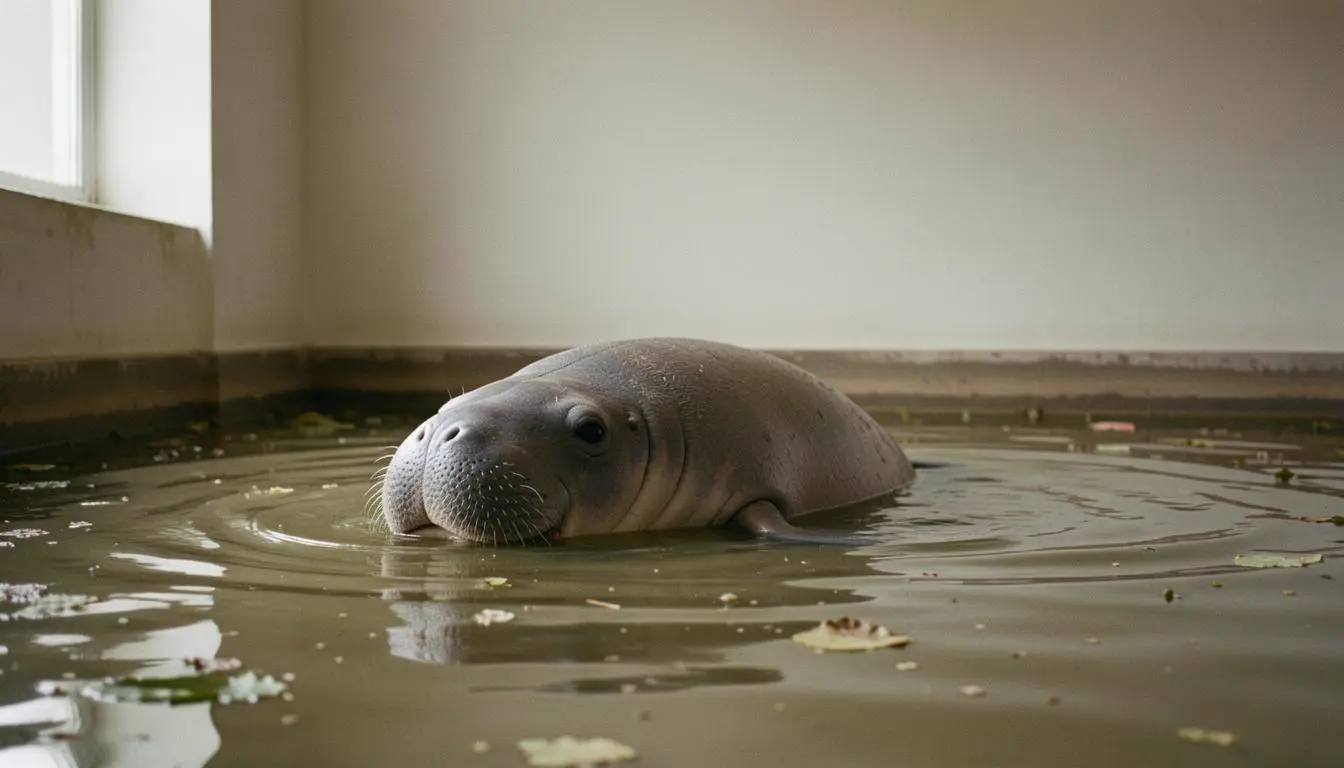
ফ্লোরিডার ম্যানাটিদের উদ্বেগজনক মৃত্যু বিশ্বব্যাপী উদ্বেগ সৃষ্টি করেছে, এবং কানাডাও এর ব্যতিক্রম নয়। আমাদের দক্ষিণের প্রতিবেশীরা এই সংকটের মুখোমুখি হওয়ায়, কানাডীয়দের উচিত ভাগ করা হুমকিগুলি চিহ্নিত করা এবং আমাদের নিজস্ব জলপথ রক্ষার জন্য তাদের সংরক্ষণ কৌশল থেকে শিক্ষা নেওয়া।
ফ্লোরিডা ম্যানাটি মৃত্যুর প্রধান কারণ হল রেড টাইড, একটি ক্ষতিকারক শৈবাল প্রস্ফুটন যা কৃষি runoff এবং পয়ঃনিষ্কাশন থেকে পুষ্টি দূষণের কারণে বৃদ্ধি পায়। জলবায়ু পরিবর্তন সমস্যাটিকে আরও জটিল করে তোলে, যার ফলে ঠান্ডা চাপের ঘটনা ঘটে যা ম্যানাটিদের রোগ প্রতিরোধ ক্ষমতা দুর্বল করে।
ভাগ করা হুমকি: জল দূষণ এবং জলবায়ু পরিবর্তন
জল দূষণ এবং জলবায়ু পরিবর্তন কানাডীয় জলপথ এবং জলজ জীবনের জন্যও উল্লেখযোগ্য হুমকি সৃষ্টি করে। কৃষি runoff এবং পয়ঃনিষ্কাশন থেকে পুষ্টি দূষণ গ্রেট লেক এবং অন্যান্য কানাডীয় জলপথে একটি ক্রমবর্ধমান উদ্বেগ। অন্যদিকে, জলবায়ু পরিবর্তন বৃষ্টিপাতের ধরণে পরিবর্তন এবং বন্যা ও খরার মতো চরম আবহাওয়ার ঘটনার ফ্রিকোয়েন্সি বৃদ্ধি করছে।
| দূষণকারী | ফ্লোরিডা | কানাডা |
|---|---|---|
| পুষ্টি দূষণ (নাইট্রোজেন, ফসফরাস) | উচ্চ, রেড টাইড প্রস্ফুটন চালিত করে | মাঝারি থেকে উচ্চ, গ্রেট লেক এবং অন্যান্য জলপথকে প্রভাবিত করে |
| বিষাক্ত রাসায়নিক (কীটনাশক, ভারী ধাতু) | উপস্থিত, ম্যানাটি এবং অন্যান্য বন্যপ্রাণীর জন্য ক্ষতিকর | উপস্থিত, জলজ জীবন এবং মানব স্বাস্থ্যের জন্য হুমকি |
| তেল ছড়িয়ে পড়া এবং প্লাস্টিক দূষণ | মাঝে মাঝে, উপকূলীয় আবাসস্থলকে প্রভাবিত করে | মাঝে মাঝে, গ্রেট লেক এবং অভ্যন্তরীণ জলপথকে হুমকি দেয় |
যদিও ম্যানাটি কানাডার স্থানীয় নয়, অন্যান্য ঝুঁকিপূর্ণ জলজ প্রজাতি যেমন বেলুগা তিমি এবং স্টার্জন একই রকম হুমকির সম্মুখীন। ফ্লোরিডা ম্যানাটি মৃত্যু বোঝা কানাডীয়দের নিজেদের দেশে জল দূষণ এবং জলবায়ু পরিবর্তন মোকাবেলার জরুরিতা উপলব্ধি করতে সাহায্য করতে পারে।
সংরক্ষণ কৌশল: ফ্লোরিডা থেকে শিক্ষা
ফ্লোরিডা ম্যানাটি রক্ষার জন্য বিভিন্ন সংরক্ষণ কৌশল বাস্তবায়ন করেছে, যেমন জলমান উন্নত করা, সুরক্ষিত আবাসস্থল তৈরি করা এবং জনসচেতনতা প্রচারণা চালানো। এই প্রচেষ্টাগুলি কানাডীয়দের জন্য তাদের নিজস্ব জলপথ এবং জলজ জীবন রক্ষার জন্য একটি নকশা হিসাবে কাজ করতে পারে।
“কানাডীয়রা ফ্লোরিডার সংরক্ষণ কৌশল থেকে শিক্ষা নিতে পারে, তবে আমাদের নিজস্ব অনন্য জলপথ এবং বন্যপ্রাণী রক্ষার জন্য আমাদের নিজস্ব প্রচেষ্টাকে অগ্রাধিকার দিতে হবে। প্রতিটি পদক্ষেপ, যত ছোটই হোক না কেন, সবার জন্য একটি স্বাস্থ্যকর গ্রহে অবদান রাখে।”
কানাডার ঝুঁকিপূর্ণ মিঠাপানির প্রজাতি
কানাডীয়রা কী করতে পারে সাহায্য করতে
কানাডা থেকে ম্যানাটি সংরক্ষণ কীভাবে সমর্থন করবেন
- 1
ধাপ ১
ফ্লোরিডা ম্যানাটি মৃত্যু এবং কানাডীয় জলপথের সাথে এর প্রাসঙ্গিকতা সম্পর্কে নিজেকে এবং অন্যদের শিক্ষিত করুন।
- 2
ধাপ ২
আপনার সম্প্রদায়ে নদী এবং হ্রদ পরিষ্কারের মতো পরিষ্কার জল উদ্যোগ সমর্থন করুন।
- 3
ধাপ ৩
কঠোর জলমানের নিয়ম এবং বিদ্যমান আইনের আরও ভাল প্রয়োগের পক্ষে ওকালতি করুন।
- 4
ধাপ ৪
ফ্লোরিডা ম্যানাটি এবং কানাডীয় জলজ জীবন রক্ষায় কাজ করা সংস্থাগুলিতে দান করুন, যেমন সেভ দ্য ম্যানাটি ক্লাব বা ওয়ার্ল্ড ওয়াইল্ডলাইফ ফান্ড কানাডা।
সচরাচর জিজ্ঞাসিত প্রশ্ন
ফ্লোরিডা ম্যানাটি মৃত্যুর প্রধান কারণগুলি কী কী?+
রেড টাইড, একটি ক্ষতিকারক শৈবাল প্রস্ফুটন যা পুষ্টি দূষণ এবং জলবায়ু পরিবর্তনের কারণে বৃদ্ধি পায়, ফ্লোরিডা ম্যানাটি মৃত্যুর প্রধান কারণ।
ফ্লোরিডা ম্যানাটি মৃত্যু কীভাবে কানাডাকে প্রভাবিত করে?+
ফ্লোরিডা ম্যানাটি মৃত্যু কানাডীয়দের জন্য আমাদের নিজস্ব জলপথ এবং জলজ জীবনের জন্য জল দূষণ এবং জলবায়ু পরিবর্তনের ভাগ করা হুমকি সম্পর্কে একটি সতর্কতা হিসাবে কাজ করে।
ম্যানাটি সংরক্ষণে কানাডীয়রা কী করতে পারে?+
কানাডীয়রা জল দূষণ কমাতে স্থানীয় পদক্ষেপ নিতে পারে, পরিষ্কার জল উদ্যোগ সমর্থন করতে পারে এবং ম্যানাটি ও অন্যান্য জলজ প্রজাতি রক্ষায় কাজ করা সংস্থাগুলিতে দান করতে পারে।
ম্যানাটি কি কানাডার স্থানীয়?+
না, ম্যানাটি কানাডার স্থানীয় নয়। তবে, বেলুগা তিমি এবং স্টার্জনের মতো অন্যান্য ঝুঁকিপূর্ণ জলজ প্রজাতি জল দূষণ এবং জলবায়ু পরিবর্তন থেকে একই রকম হুমকির সম্মুখীন।
ফ্লোরিডা ম্যানাটি এবং কানাডীয় জলজ জীবন রক্ষায় কোন সংস্থাগুলি কাজ করছে?+
সেভ দ্য ম্যানাটি ক্লাব এবং ওয়ার্ল্ড ওয়াইল্ডলাইফ ফান্ড কানাডা এমন কয়েকটি সংস্থা যা ফ্লোরিডা ম্যানাটি এবং কানাডীয় জলজ জীবন রক্ষায় কাজ করছে।