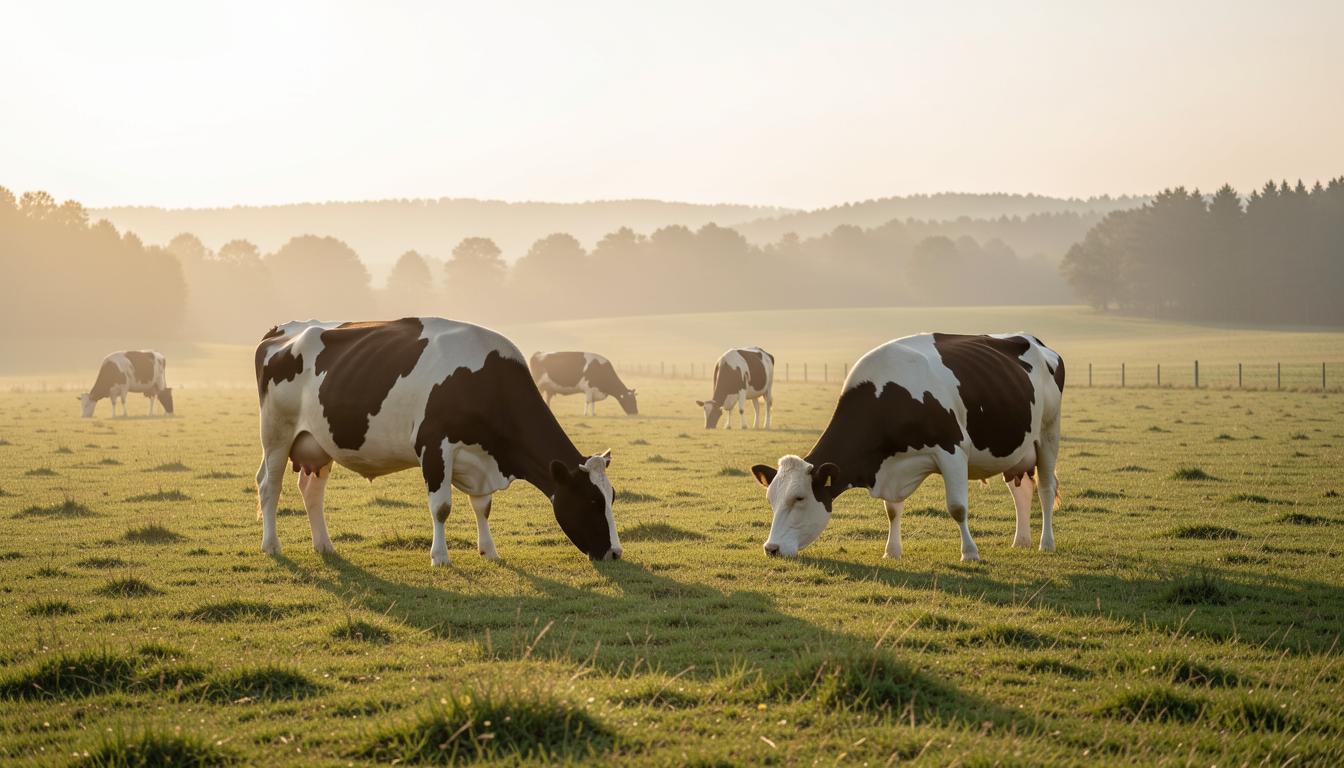
Regenerative grazing, a farming practice that aims to sequester carbon and reverse climate change, has gained significant attention. But do these claims hold up? Let's explore the promises and challenges through the lens of Luna, a rescued cow whose journey reflects the potential and limitations of this practice.
Luna, once a malnourished and neglected cow, was rescued and given a new life on a regenerative farm. Her transformation symbolizes the potential of this practice to improve animal welfare and soil health. But can it truly combat climate change?
The Promises of Regenerative Grazing
Advocates claim that regenerative grazing can sequester large amounts of carbon, ranging from 1 to 3 tons of carbon per acre per year. This is achieved by improving soil health, which in turn enhances its ability to absorb and store carbon from the atmosphere.
A study by the Savory Institute estimated that if all global grazing land was managed regeneratively, it could sequester up to 71% of the excess CO2 in the atmosphere, effectively combating climate change.
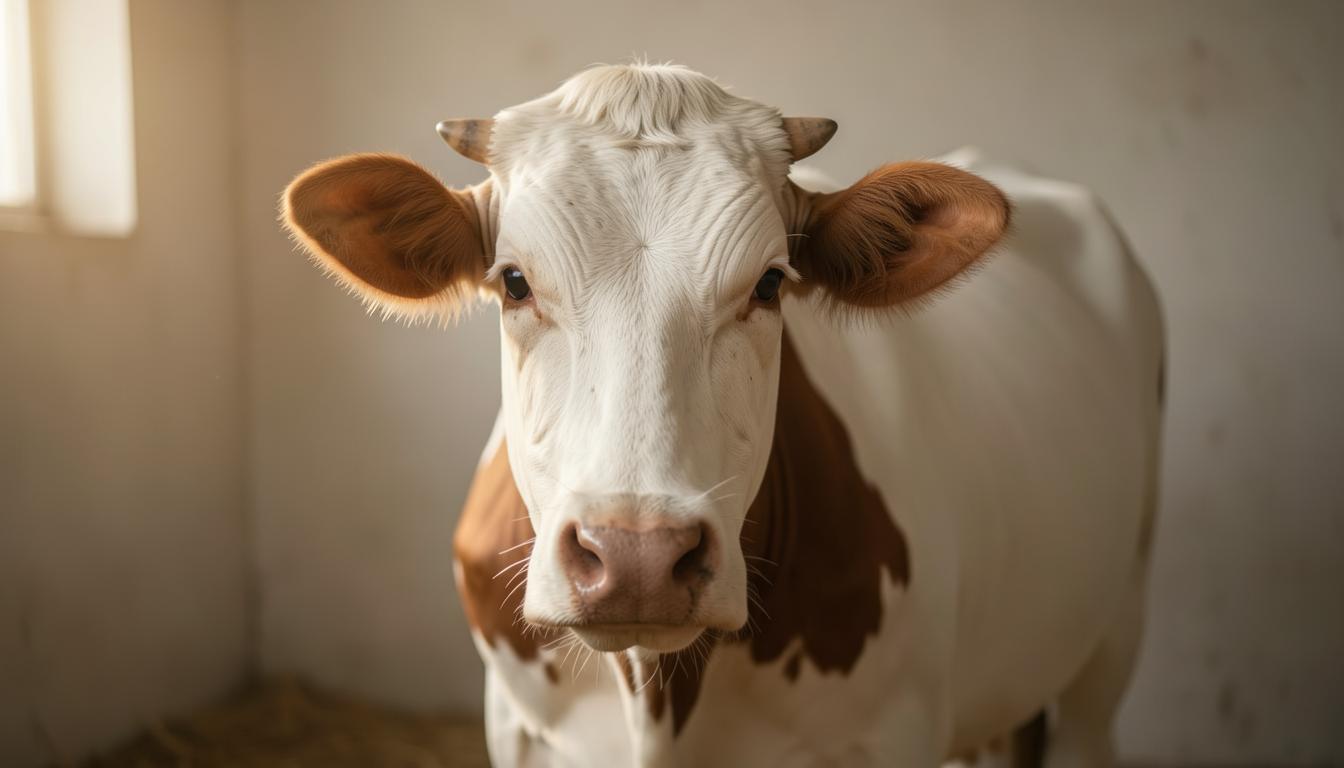
Moreover, regenerative grazing can improve soil fertility, increase biodiversity, and enhance animal welfare. For Luna, this meant a life of freedom and proper care, a stark contrast to her past.
The Challenges and Debates
While the promises of regenerative grazing are enticing, the scientific community is still divided on its potential. A 2021 review in the journal Agriculture, Ecosystems & Environment found that while the practice can improve soil health and carbon sequestration, the scale and consistency of these benefits are still uncertain.
| Farming Practice | Carbon Footprint (kg CO2 eq/kg protein) |
|---|---|
| Conventional beef | 27 |
| Grass-fed beef | 12 |
| Regenerative grazing | 7-8 |
Furthermore, a study published in the Proceedings of the National Academy of Sciences in 2016 found that while some regenerative grazing practices can increase carbon sequestration, others may actually increase greenhouse gas emissions due to increased methane production from livestock.
“The science is complex and still evolving, and we need more research to fully understand the potential and limitations of regenerative grazing.”
Luna's Story: A Symbol of Hope and Change
Luna's story is a testament to the power of regenerative grazing to improve animal welfare and soil health. However, it's crucial to remember that individual acts of rescue, while important, cannot replace systemic changes in our food system.
As we strive to combat climate change, we must continue to invest in research, support farmers transitioning to regenerative practices, and demand policy changes that promote sustainable agriculture. Only then can we truly harness the potential of regenerative grazing to sequester carbon and heal our planet.
Frequently asked questions
What are the key differences between regenerative grazing and conventional grazing?+
Regenerative grazing focuses on holistic management, mimicking natural grazing patterns, and improving soil health, while conventional grazing often prioritizes maximizing production with less regard for environmental impact.
How does regenerative grazing compare to plant-based diets in terms of carbon footprint?+
While regenerative grazing can reduce the carbon footprint of meat compared to conventional methods, plant-based diets consistently have the lowest carbon footprint, making them a more effective climate solution.
How can I support farmers transitioning to regenerative grazing?+
Supporting farmers can involve purchasing their products, advocating for policy changes that support regenerative agriculture, and sharing information about the benefits of regenerative grazing with others.