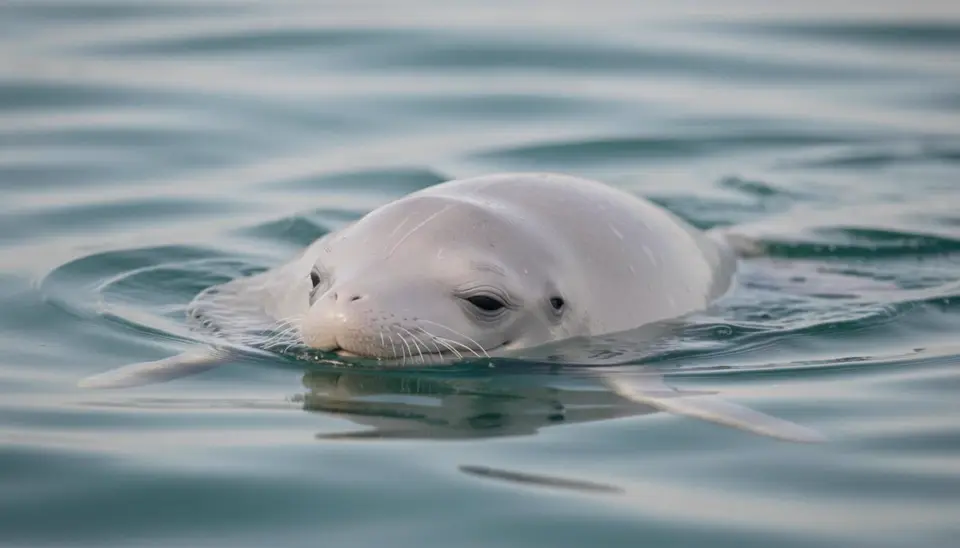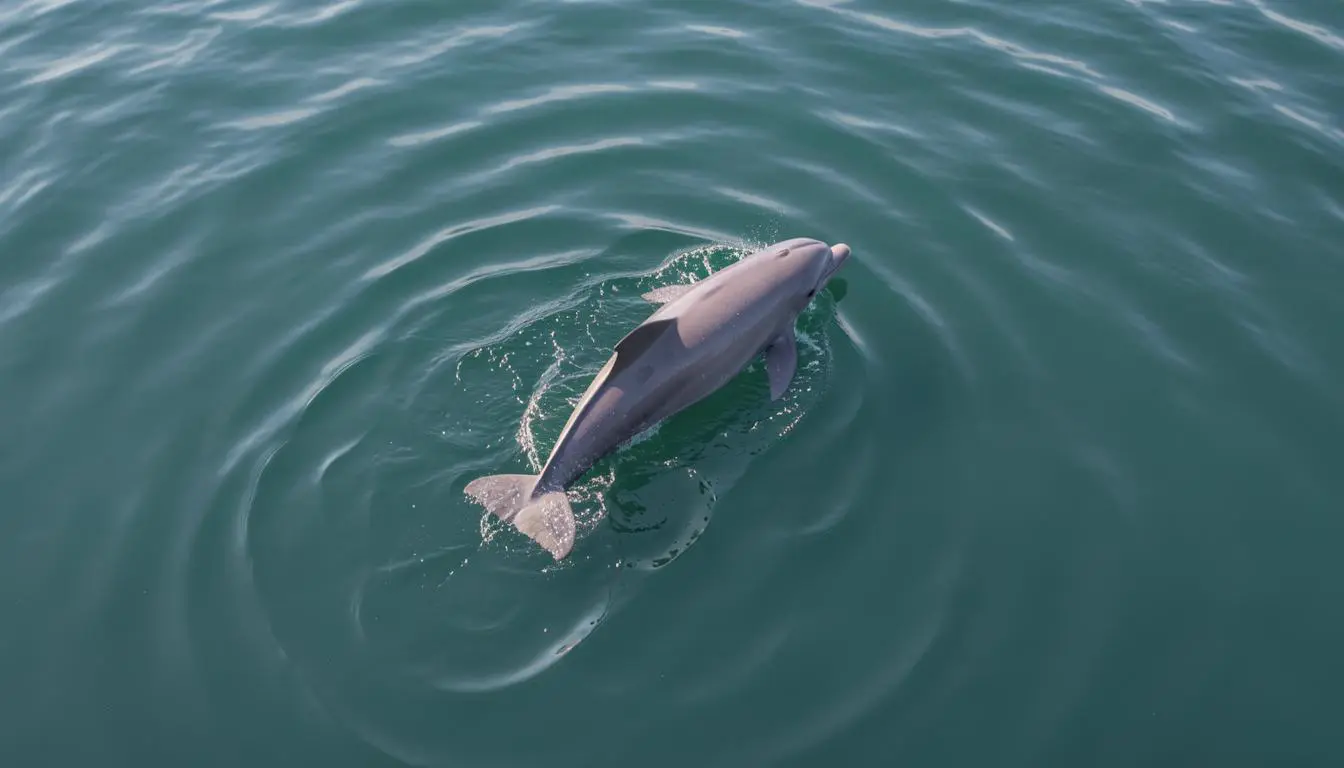
ইরাবতী ডলফিন, দক্ষিণ-পূর্ব এশিয়ার অগভীর উপকূলীয় ও নদীমোহনার জলে পাওয়া এক অনন্য প্রজাতি, আবাসস্থল হ্রাস, দূষণ এবং উপ-ধরার কারণে গুরুতর বিপদের সম্মুখীন। মাত্র ৬০০-এরও কম সংখ্যক ব্যক্তি অবশিষ্ট থাকায়, এই অসাধারণ প্রাণীগুলিকে বিলুপ্তির হাত থেকে বাঁচাতে জরুরি সংরক্ষণ প্রচেষ্টার প্রয়োজন। এই নির্দেশিকা একজন সংরক্ষণবাদীর 'দৈনন্দিন জীবন' অন্বেষণ করে যিনি ইরাবতী ডলফিন রক্ষায় কাজ করছেন এবং আপনি সাহায্য করতে পারেন এমন পদক্ষেপগুলি প্রদান করে।
হুমকিগুলি বোঝা
ইরাবতী ডলফিনগুলি অসংখ্য হুমকির সম্মুখীন, যার মধ্যে আবাসস্থল হ্রাস, দূষণ এবং উপ-ধরা সবচেয়ে গুরুত্বপূর্ণ। বালি ও কাদা ড্রেজিং, বাঁধ নির্মাণ এবং উপকূলীয় উন্নয়নের কারণে আবাসস্থলের অবক্ষয় ডলফিনগুলির উপযুক্ত আবাসস্থলের উল্লেখযোগ্য হ্রাস ঘটিয়েছে। কৃষি প্রবাহ, শিল্প বর্জ্য এবং প্লাস্টিক ধ্বংসাবশেষ থেকে দূষণও তাদের স্বাস্থ্য ও বেঁচে থাকার জন্য গুরুতর ঝুঁকি তৈরি করে। মাছ ধরার জালে উপ-ধরা, প্রায়শই চিংড়ি ও মাছের মতো অন্যান্য প্রজাতির জন্য স্থাপন করা হয়, প্রতি বছর উল্লেখযোগ্য সংখ্যক ডলফিনের মৃত্যুর কারণ।
| হুমকি | প্রভাব | সংরক্ষণ পদক্ষেপ |
|---|---|---|
| আবাসস্থল হ্রাস | খাদ্যের প্রাপ্যতা হ্রাস এবং উপ-ধরার প্রতি দুর্বলতা বৃদ্ধি | আবাসস্থল সুরক্ষা ও পুনরুদ্ধার |
| দূষণ | স্বাস্থ্য সমস্যা ও মৃত্যুহার | বর্জ্য ব্যবস্থাপনা ও পরিবেশগত শিক্ষা |
| উপ-ধরা | প্রত্যক্ষ মৃত্যু ও আঘাত | মৎস্য নিয়ম ও জালের পরিবর্তন |
একজন সংরক্ষণবাদীর দৈনন্দিন জীবন
ইরাবতী ডলফিন বাঁচাতে নিবেদিত সংরক্ষণবাদীরা সারা দিন বিভিন্ন কার্যকলাপে নিযুক্ত থাকেন। তাদের কাজের মধ্যে ডলফিন জনসংখ্যা পর্যবেক্ষণ, আবাসস্থলের গুণমানের তথ্য সংগ্রহ, আহত ডলফিনের পুনর্বাসন, ডলফিন সংরক্ষণের গুরুত্ব সম্পর্কে স্থানীয় সম্প্রদায়কে শিক্ষিত করা এবং ডলফিন ও তাদের আবাসস্থল রক্ষার জন্য নীতি পরিবর্তনের পক্ষে ওকালতি করা অন্তর্ভুক্ত থাকতে পারে।
“আমাদের কাজ চ্যালেঞ্জিং, কিন্তু পুনর্বাসনের পর এই অসাধারণ প্রাণীগুলিকে তাদের প্রাকৃতিক আবাসস্থলে ফিরে আসতে দেখা প্রতিটি প্রচেষ্টাকে সার্থক করে তোলে।”
আপনি কীভাবে সাহায্য করতে পারেন
ইরাবতী ডলফিন সংরক্ষণে সাহায্য করার পদক্ষেপ
- 1
১. ইরাবতী ডলফিন সম্পর্কে জানুন
ইরাবতী ডলফিন, তাদের অভ্যাস এবং তারা যে হুমকির মুখোমুখি হয় সে সম্পর্কে নিজেকে শিক্ষিত করুন। সচেতনতা বাড়াতে পরিবার এবং বন্ধুদের সাথে আপনার জ্ঞান ভাগ করুন।
- 2
২. হ্রাস করুন, পুনরায় ব্যবহার করুন, পুনর্ব্যবহার করুন
আপনার প্লাস্টিক ব্যবহার কমিয়ে আনুন এবং জলপথ ও মহাসাগরে দূষণ কমাতে দায়িত্বের সাথে বর্জ্য নিষ্পত্তি করুন।
- 3
৩. সংরক্ষণ সংস্থাগুলিকে সমর্থন করুন
ইরাবতী ডলফিন সংরক্ষণে নিবেদিত সংস্থাগুলিতে, যেমন ওয়ার্ল্ড ওয়াইল্ডলাইফ ফান্ড (WWF) বা ব্লু ক্রস বাংলাদেশ, দান করুন এবং স্বেচ্ছাসেবক হন।
- 4
৪. নীতি পরিবর্তনের পক্ষে ওকালতি করুন
আপনার স্থানীয় সরকারকে শক্তিশালী পরিবেশ সুরক্ষা এবং দূষণকারী শিল্পগুলির উপর কঠোর নিয়মাবলী বাস্তবায়নে উৎসাহিত করুন।
- 5
৫. সৈকত পরিষ্কারে অংশগ্রহণ করুন
উপকূলীয় আবাসস্থল থেকে আবর্জনা অপসারণ এবং সামুদ্রিক জীবনের প্লাস্টিক গিলে ফেলার ঝুঁকি কমাতে স্থানীয় সৈকত পরিষ্কারে যোগ দিন।
প্রায়শই জিজ্ঞাসিত প্রশ্ন
কীভাবে আমি একটি আহত বা আটকে পড়া ইরাবতী ডলফিনের রিপোর্ট করতে পারি?+
আহত বা আটকে পড়া ডলফিনের রিপোর্ট ও সহায়তার জন্য আপনার স্থানীয় স্ট্র্যান্ডিং নেটওয়ার্ক বা সামুদ্রিক স্তন্যপায়ী উদ্ধার সংস্থা, যেমন ব্লু ক্রস বাংলাদেশ (১০৬৫৫), এর সাথে যোগাযোগ করুন।
ইরাবতী ডলফিনের উপর আমার প্রভাব কমাতে আমি কী করতে পারি?+
ইরাবতী ডলফিন এবং তাদের আবাসস্থল রক্ষার জন্য আপনার কার্বন পদচিহ্ন হ্রাস করুন, টেকসই সামুদ্রিক খাবারের উৎস ব্যবহার করুন, প্লাস্টিক ব্যবহার কমিয়ে আনুন এবং সংরক্ষণ সংস্থাগুলিকে সমর্থন করুন।
কীভাবে আমি ইরাবতী ডলফিন সংরক্ষণে জড়িত হতে পারি?+
স্থানীয় সংরক্ষণ সংস্থাগুলির সাথে স্বেচ্ছাসেবক হন, সৈকত পরিষ্কারে অংশগ্রহণ করুন এবং ইরাবতী ডলফিন সংরক্ষণের গুরুত্ব সম্পর্কে সচেতনতা বাড়াতে অন্যদের সাথে আপনার জ্ঞান ভাগ করুন।