জাগুয়াররা একসময় দক্ষিণ মার্কিন যুক্তরাষ্ট্র থেকে আর্জেন্টিনা পর্যন্ত বিচরণ করত, কিন্তু আবাসস্থল হ্রাস এবং বিভক্তকরণ তাদের জনসংখ্যাকে বিচ্ছিন্ন করে দিয়েছে। আপনি আপনার সম্প্রদায়ে পদক্ষেপ নিয়ে জাগুয়ার করিডোর পুনরুদ্ধারে সাহায্য করতে পারেন, এমনকি যদি আপনি একটি ছোট শহরে বাস করেন।
চ্যালেঞ্জটি বুঝুন: মেক্সিকো এবং আর্জেন্টিনায় জাগুয়ার
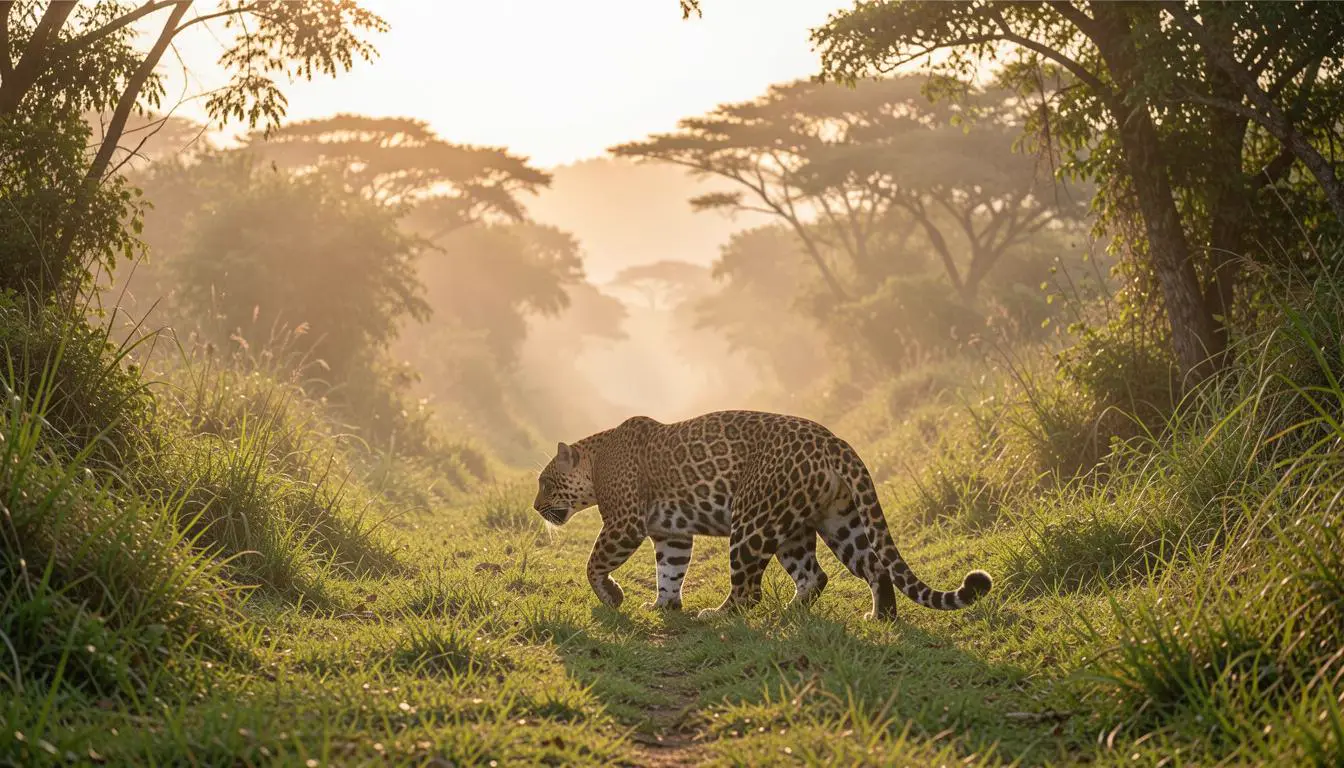
জাগুয়ার (Panthera onca) তৃতীয় বৃহত্তম বড় বিড়াল প্রজাতি এবং একসময় মধ্য ও দক্ষিণ আমেরিকা জুড়ে বিচরণ করত। তবে, আবাসস্থল হ্রাস, বিভক্তকরণ এবং শিকার তাদের জনসংখ্যার উল্লেখযোগ্য হ্রাসের দিকে পরিচালিত করেছে। মেক্সিকো এবং আর্জেন্টিনায় জাগুয়াররা অনন্য চ্যালেঞ্জের মুখোমুখি হয়, কিন্তু করিডোর তৈরি বিচ্ছিন্ন জনসংখ্যাকে পুনরায় সংযুক্ত করতে সাহায্য করতে পারে।
কীভাবে জাগুয়ার করিডোর তৈরি করবেন: একটি ধাপে ধাপে নির্দেশিকা
জাগুয়ার করিডোর তৈরির পদক্ষেপ
- 1
১. নিজেকে এবং অন্যদের শিক্ষিত করুন
জাগুয়ার জীববিজ্ঞান, হুমকি এবং সংরক্ষণ প্রচেষ্টা সম্পর্কে জানুন। সচেতনতা বাড়াতে আপনার সম্প্রদায়ের সাথে আপনার জ্ঞান ভাগ করুন।
- 2
২. সম্ভাব্য করিডোর সাইট চিহ্নিত করুন
প্যানথেরা এবং ওয়াইল্ডলাইফ কনজারভেশন সোসাইটির মতো সংস্থার তথ্য ব্যবহার করে সম্ভাব্য করিডোর সাইটগুলি গবেষণা এবং ম্যাপ করুন।
- 3
৩. স্থানীয় সম্প্রদায়ের সাথে যুক্ত হন
স্থানীয় সম্প্রদায়, আদিবাসী গোষ্ঠী এবং সংস্থাগুলির সাথে অংশীদারিত্ব গড়ে তুলুন। করিডোরের সাফল্যের জন্য তাদের সমর্থন অপরিহার্য।
- 4
৪. একটি করিডোর পরিকল্পনা তৈরি করুন
করিডোরের আকার, রুট এবং আবাসস্থলের প্রয়োজনীয়তা উল্লেখ করে একটি পরিকল্পনা তৈরি করুন। জলের প্রাপ্যতা, শিকারের প্রাচুর্য এবং মানব অবকাঠামোর মতো বিষয়গুলি বিবেচনা করুন।
- 5
৫. তহবিল এবং সম্পদ সুরক্ষিত করুন
স্থানীয় এবং আন্তর্জাতিক সংস্থা, সরকার বা ব্যক্তিগত দাতাদের মাধ্যমে তহবিল সন্ধান করুন। গাছপালা, সরঞ্জাম এবং শ্রমের মতো সম্পদ সংগ্রহ করুন।
- 6
৬. করিডোর তৈরি বাস্তবায়ন করুন
বনের টুকরোগুলি সংযুক্ত করতে দেশীয় গাছপালা রোপণ করুন, ক্ষয়প্রাপ্ত আবাসস্থল পুনরুদ্ধার করুন এবং বন্যপ্রাণী ক্রসিং স্থাপন করুন। অগ্রগতি পর্যবেক্ষণ করুন এবং সাফল্য মূল্যায়ন করুন।
- 7
৭. করিডোর পর্যবেক্ষণ এবং রক্ষণাবেক্ষণ করুন
জাগুয়ারের উপস্থিতি এবং আবাসস্থলের অখণ্ডতার জন্য নিয়মিত করিডোর পর্যবেক্ষণ করুন। চলমান ব্যবস্থাপনা এবং সম্প্রদায়ের সম্পৃক্ততার মাধ্যমে করিডোর রক্ষণাবেক্ষণ করুন।
| উদ্যোগ | অবস্থান | আকার (কিমি²) | সমর্থিত প্রজাতি |
|---|---|---|---|
| কালাকমুল জাগুয়ার করিডোর | মেক্সিকো | 200+ | জাগুয়ার, পুমা, ওসেলট |
| ইগুয়াজু করিডোর | আর্জেন্টিনা | 50 | জাগুয়ার, ট্যাপির, হরিণ |
মেক্সিকো এবং আর্জেন্টিনায় জাগুয়ার জনসংখ্যার প্রবণতা
“করিডোরগুলি জাগুয়ার সংরক্ষণের জন্য অপরিহার্য, জিনগত বিনিময় এবং স্থানান্তর সহজতর করে। ছোট শহরের বাসিন্দারা স্থানীয় সম্প্রদায় এবং সংস্থাগুলির সাথে যুক্ত হয়ে উল্লেখযোগ্য প্রভাব ফেলতে পারেন।”
প্রায়শই জিজ্ঞাসিত প্রশ্ন
জাগুয়ার করিডোরের জন্য কত জমির প্রয়োজন?+
করিডোরের আকার বিভিন্ন কারণের উপর নির্ভর করে, যার মধ্যে রয়েছে ভূদৃশ্য বৈশিষ্ট্য, শিকারের প্রাচুর্য এবং মানব অবকাঠামো। সাধারণত, করিডোরগুলি কমপক্ষে ২ কিমি চওড়া এবং ১০ কিমি লম্বা হওয়া উচিত।
আমি কি আমার নিজের জমিতে জাগুয়ার করিডোর তৈরি করতে পারি?+
হ্যাঁ, জমির মালিকরা তাদের নিজস্ব জমিতে জাগুয়ার করিডোর তৈরি এবং রক্ষণাবেক্ষণ করতে পারেন। নির্দেশনা এবং সহায়তার জন্য স্থানীয় সংস্থাগুলির সাথে যোগাযোগ করুন।
কীভাবে আমি কার্যকরভাবে জাগুয়ার করিডোর পর্যবেক্ষণ করতে পারি?+
ক্যামেরা ট্র্যাপ, জিনগত নমুনা এবং জাগুয়ার কার্যকলাপের চিহ্ন (পায়ের ছাপ, আঁচড়, শিকারের অবশেষ) এর মতো অ-আক্রমণাত্মক পদ্ধতি ব্যবহার করুন। পর্যবেক্ষণ দক্ষতার জন্য স্থানীয় সংস্থাগুলির সাথে সহযোগিতা করুন।