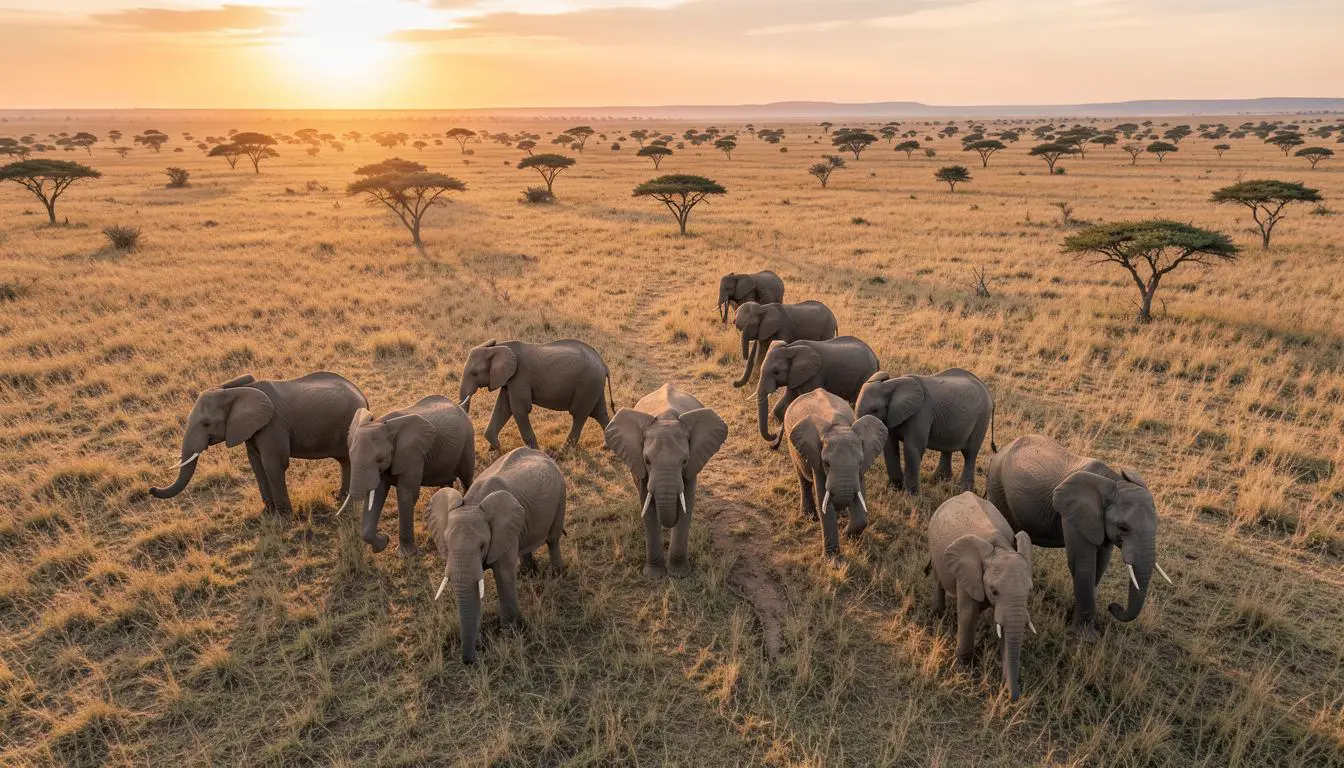
হাতি শিকার, অবৈধ হাতির দাঁতের ব্যবসা দ্বারা চালিত, বিশ্বব্যাপী হাতির জনসংখ্যা ধ্বংস করেছে। ২০২৪ সালে, চিত্রটি উদ্বেগজনক, তবে সংরক্ষণ প্রচেষ্টায় আশা রয়েছে।
২০২৪ সালে হাতি শিকারের বর্তমান অবস্থা
২০২৪ সালে, হাতি শিকার একটি গুরুতর হুমকি হিসাবে রয়ে গেছে। ওয়ার্ল্ড ওয়াইল্ডলাইফ ফান্ড (WWF) অনুসারে, গত দশকে আফ্রিকান হাতির জনসংখ্যা প্রায় ১,১১,০০০ কমেছে, যার প্রধান কারণ শিকার। এশীয় হাতিরাও আবাসস্থল হ্রাস এবং শিকারের কারণে গুরুতর বিপদের সম্মুখীন।
| অঞ্চল | আনুমানিক জনসংখ্যা (২০১৬) | আনুমানিক জনসংখ্যা (২০২৩) |
|---|---|---|
| আফ্রিকা | 415,000 | 304,000 |
| এশিয়া | 40,000-50,000 | 35,000-45,000 |
ক্রীড়াবিদ এবং হাতি সংরক্ষণ: একটি শক্তিশালী অংশীদারিত্ব
হাতি সংরক্ষণে সচেতনতা বাড়াতে এবং পরিবর্তন আনতে ক্রীড়াবিদদের ক্ষমতা রয়েছে। শিকার বিরোধী প্রচেষ্টাকে সমর্থন করে এবং টেকসই বন্যপ্রাণী পর্যটন প্রচার করে, তারা এই মহৎ প্রাণীদের বাঁচাতে অবদান রাখতে পারে।
“ক্রীড়া তারকারা তাদের প্রভাব ব্যবহার করে কর্মকে অনুপ্রাণিত করতে এবং হাতি সংরক্ষণকে সমর্থন করতে পারেন। তারা এমন একটি বিশ্ব তৈরি করতে সাহায্য করতে পারেন যেখানে হাতিদের তাদের সৌন্দর্য এবং বুদ্ধিমত্তার জন্য মূল্য দেওয়া হয়, তাদের দাঁতের জন্য নয়।”
সংরক্ষণ সাফল্যের গল্প এবং সামনের পথ
চ্যালেঞ্জ সত্ত্বেও, হাতি সংরক্ষণে সাফল্যের গল্প রয়েছে। সম্প্রদায়-ভিত্তিক উদ্যোগ, শিকার বিরোধী ইউনিট এবং আবাসস্থল পুনরুদ্ধার প্রকল্পগুলি হাতি রক্ষা এবং তাদের জনসংখ্যা পুনরুদ্ধারে আশাব্যঞ্জক ফল দেখিয়েছে।
নির্বাচিত দেশে হাতি শিকার হ্রাসের প্রবণতা (২০১০-২০২৩)
প্রায়শই জিজ্ঞাসিত প্রশ্ন
হাতি শিকারের পিছনে প্রধান চালিকাশক্তি কী?+
গয়না এবং অলঙ্কারের মতো হাতির দাঁতের পণ্যের চাহিদা দ্বারা চালিত অবৈধ হাতির দাঁতের ব্যবসা হাতি শিকারের পিছনে প্রধান চালিকাশক্তি।
ক্রীড়াবিদ হিসাবে আমি কীভাবে হাতি সংরক্ষণকে সমর্থন করতে পারি?+
সচেতনতা বাড়াতে, টেকসই বন্যপ্রাণী পর্যটন প্রচার করতে এবং আপনার প্ল্যাটফর্ম এবং সম্পদের মাধ্যমে সংরক্ষণ সংস্থাগুলিকে সমর্থন করতে আপনার প্রভাব ব্যবহার করুন।
কিছু সফল হাতি সংরক্ষণ কৌশল কী কী?+
সম্প্রদায়-ভিত্তিক উদ্যোগ, শিকার বিরোধী ইউনিট, আবাসস্থল পুনরুদ্ধার এবং চাহিদা হ্রাস কৌশল হাতি রক্ষা এবং তাদের জনসংখ্যা পুনরুদ্ধারে আশাব্যঞ্জক ফল দেখিয়েছে।
২০৩০ সালের মধ্যে হাতি বিলুপ্তির হুমকি মোকাবেলায় কী করা যেতে পারে?+
শিকার বিরোধী প্রচেষ্টা জোরদার করা, সম্প্রদায়-ভিত্তিক সংরক্ষণ উদ্যোগকে সমর্থন করা এবং হাতির দাঁতের পণ্যের চাহিদা মোকাবেলা করা ২০৩০ সালের মধ্যে হাতি বিলুপ্তির হুমকি মোকাবেলায় গুরুত্বপূর্ণ।