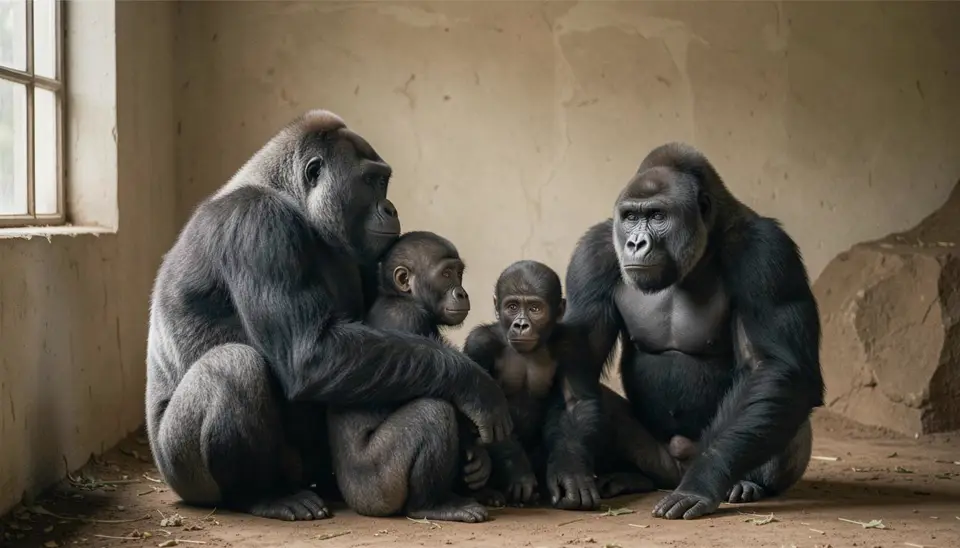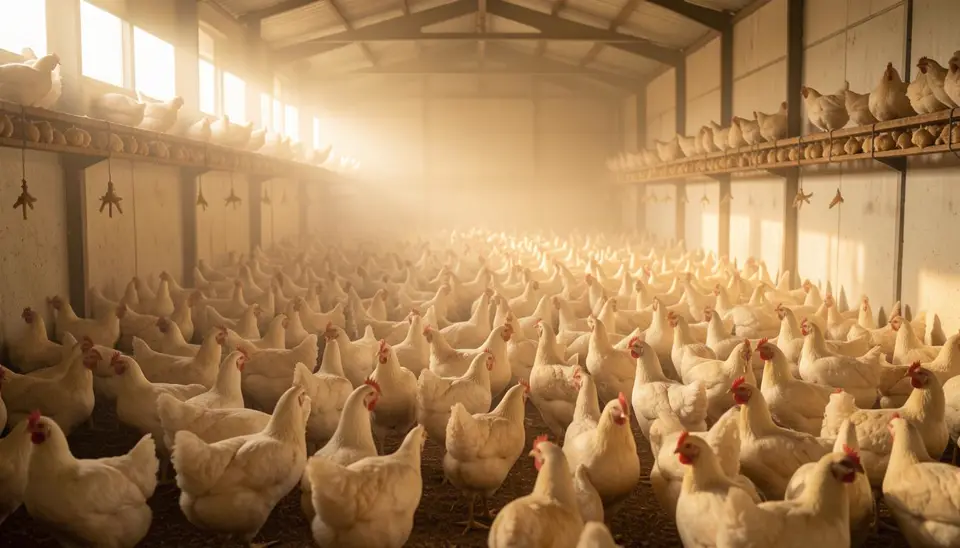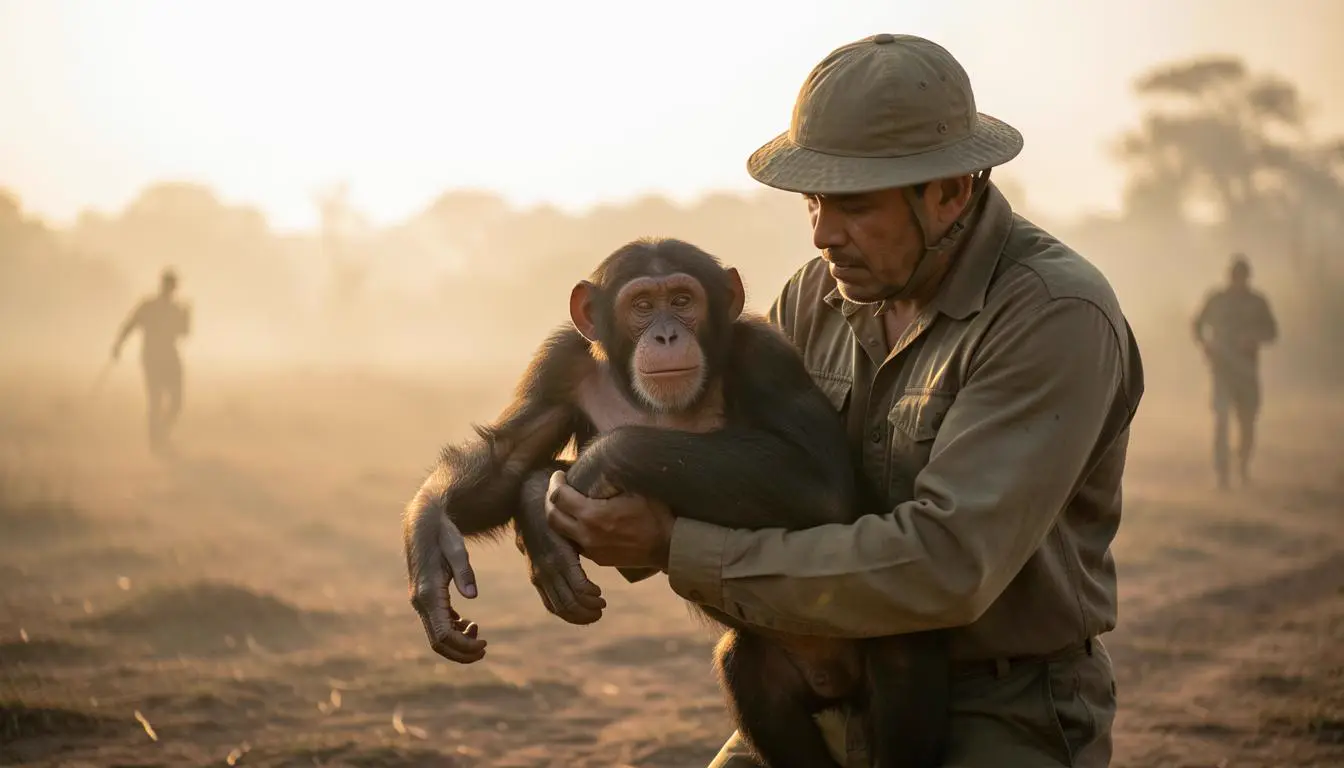
The chimpanzee bushmeat crisis, a critical threat to the existence of our closest living relatives, has worsened over the past decade. Despite global conservation efforts, the demand for bushmeat and deforestation have driven a stark decline in chimpanzee populations across Central Africa.
The rise in demand for bushmeat
The primary driver of the chimpanzee bushmeat crisis is the increasing demand for bushmeat, fueled by human population growth and poverty. According to the United Nations, Central Africa's human population has grown by 35% between 2014 and 2024 (UN, 2024).
Human population growth in Central Africa, 2014-2024
The impact of deforestation on chimpanzee populations
Deforestation, largely driven by agriculture and logging, has further threatened chimpanzee populations by destroying their habitats. Between 2014 and 2024, Central Africa has lost 13.7 million hectares of tree cover (Global Forest Watch, 2024).
| Year | Tree cover loss |
|---|---|
| 2014 | 3.8 |
| 2015 | 3.4 |
| 2016 | 3.5 |
| 2017 | 3.6 |
| 2018 | 3.3 |
| 2019 | 3.1 |
| 2020 | 3 |
| 2021 | 2.8 |
| 2022 | 2.9 |
| 2023 | 2.7 |
| 2024 | 2.6 |
Conservation efforts and their limitations
Over the past decade, numerous conservation efforts have been undertaken to protect chimpanzees. These include establishing protected areas, anti-poaching patrols, and community-based conservation projects. However, these efforts have had limited success in halting the decline in chimpanzee populations.
“The current conservation efforts are not enough to stop the decline. We need innovative strategies that address the root causes of the bushmeat crisis, such as reducing poverty and promoting sustainable livelihoods for local communities.”
Frequently asked questions
What is the estimated current population of chimpanzees in Central Africa?+
The estimated current population of chimpanzees in Central Africa is around 170,000 to 300,000, according to the World Wildlife Fund (WWF, 2024).
Which countries in Central Africa are most affected by the chimpanzee bushmeat crisis?+
The Democratic Republic of the Congo, Cameroon, and Gabon are among the countries most affected by the chimpanzee bushmeat crisis (WWF, 2024).