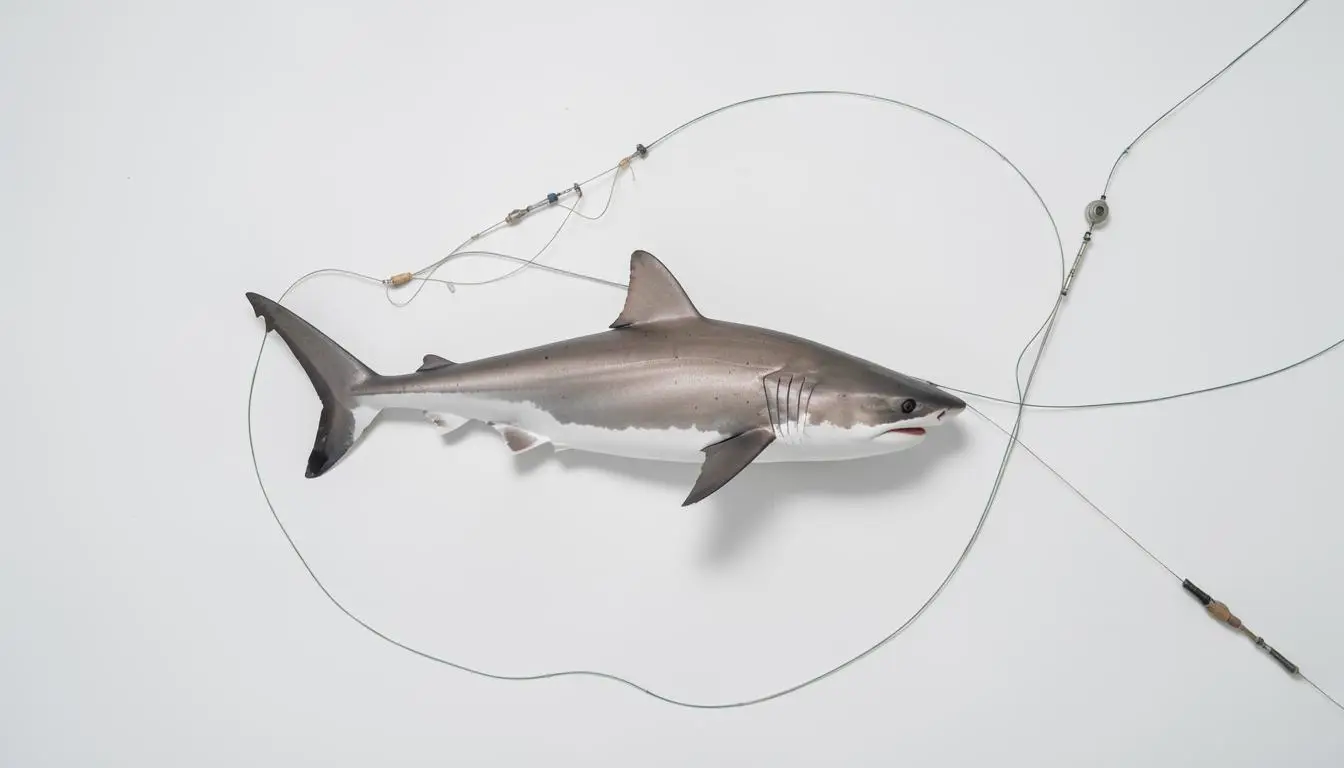
লংলাইন টুনা মৎস্যশিল্পে হাঙ্গর বাইক্যাচ একটি জরুরি সমস্যা, যেখানে প্রতি বছর লক্ষ লক্ষ অ-লক্ষ্য প্রজাতি, যার মধ্যে হাঙ্গরও রয়েছে, মারা যায়। কিন্তু যে কোনো মূল্যে এই বাইক্যাচ কমানো কি নৈতিক?
সমস্যার মাত্রা
আনুমানিক ৬.৮ মিলিয়ন টন বাইক্যাচ, যার মধ্যে ১০০ মিলিয়ন হাঙ্গর রয়েছে, বিশ্বব্যাপী প্রতি বছর ফেলে দেওয়া হয় (FAO, ২০২৩)। লংলাইন টুনা মৎস্যশিল্পে, ৪০% পর্যন্ত ধরা বাইক্যাচ হতে পারে (WWF, ২০২২)।
বাইক্যাচ কমানোর পক্ষে যুক্তি
বাইক্যাচ কমানোর প্রধান যুক্তি হলো সামুদ্রিক জীববৈচিত্র্য এবং বাস্তুতন্ত্রের কার্যকারিতা সংরক্ষণ। ১৯৭০ সাল থেকে বিশ্বব্যাপী হাঙ্গরের জনসংখ্যা ৭১% হ্রাস পেয়েছে (IUCN, ২০২১)।
“হাঙ্গর আমাদের মহাসাগরের স্বাস্থ্য বজায় রাখতে গুরুত্বপূর্ণ ভূমিকা পালন করে। বাইক্যাচ তাদের বেঁচে থাকা এবং তারা যে বাস্তুতন্ত্রকে সমর্থন করে তার জন্য একটি বড় হুমকি।”
বাইক্যাচ কমানোকে অগ্রাধিকার দেওয়ার বিরুদ্ধে যুক্তি
কিছু অংশীদার যুক্তি দেন যে বাইক্যাচ কমানোকে অগ্রাধিকার দিলে অপ্রত্যাশিত পরিণতি হতে পারে। বাইক্যাচ কমানোর ফলে টুনা মজুদের উপর চাপ বাড়তে পারে, কারণ জেলেদের ধরা বজায় রাখতে প্রচেষ্টা বাড়াতে হতে পারে (FAO, ২০২৩)।
অংশীদারদের দৃষ্টিভঙ্গি
জেলেরা তাদের জীবিকাকে অগ্রাধিকার দেয়, যা টুনা মৎস্যশিল্পের উৎপাদনশীলতার উপর নির্ভরশীল। সংরক্ষণবাদীরা সামুদ্রিক জীববৈচিত্র্য রক্ষার গুরুত্বের উপর জোর দেন। নীতিনির্ধারকদের এই প্রতিযোগী স্বার্থের ভারসাম্য বজায় রাখতে হবে।
| অংশীদার গোষ্ঠী | অগ্রাধিকার | পছন্দের সমাধান |
|---|---|---|
| জেলে | টুনা মৎস্যশিল্পের উৎপাদনশীলতা | টুনার গিয়ার-সম্পর্কিত ক্ষতি কমানো |
| সংরক্ষণবাদী | হাঙ্গর ও সামুদ্রিক জীববৈচিত্র্য | বাইক্যাচ হ্রাস প্রযুক্তি ও নিয়মকানুন |
| নীতিনির্ধারক | টেকসই মৎস্যশিল্প ও সামুদ্রিক বাস্তুতন্ত্র | টুনা ও বাইক্যাচ উভয় বিবেচনা করে ভারসাম্যপূর্ণ পদ্ধতি |
প্রযুক্তিগত ও ব্যবস্থাপনাগত সমাধান
সার্কেল হুক এবং ফিশ অ্যাগ্রিগেটিং ডিভাইস (FAD) পরিবর্তনের মতো প্রযুক্তিগত সমাধান টুনা মৎস্যশিল্পের উৎপাদনশীলতার সাথে আপস না করেই বাইক্যাচ কমাতে পারে (WWF, ২০২২)।
“সার্কেল হুক এবং FAD পরিবর্তন লংলাইন টুনা মৎস্যশিল্পে টুনা ধরার হারকে প্রভাবিত না করেই বাইক্যাচ কমাতে আশাব্যঞ্জক ফলাফল দেখিয়েছে।”
সার্কেল হুকের বাইক্যাচ হ্রাস সম্ভাবনা
নৈতিক বাইক্যাচ ব্যবস্থাপনার জন্য একটি ৩০-দিনের প্রারম্ভিক পরিকল্পনা
লংলাইন টুনা মৎস্যশিল্পে কীভাবে নৈতিকভাবে বাইক্যাচ পরিচালনা করবেন
- 1
দিন ১-৭
আপনার মৎস্যশিল্পে বাইক্যাচের মাত্রা ও প্রভাব বুঝুন
- 2
দিন ৮-১৪
কার্যকর, কম খরচের বাইক্যাচ হ্রাস প্রযুক্তি চিহ্নিত করুন
- 3
দিন ১৫-২১
বাইক্যাচ ব্যবস্থাপনায় ঐকমত্য গড়তে অংশীদারদের সাথে যুক্ত হন
- 4
দিন ২২-৩০
বাইক্যাচ হ্রাস ব্যবস্থা বাস্তবায়ন ও পর্যবেক্ষণ করুন, টুনা মৎস্যশিল্পের স্থায়িত্ব নিশ্চিত করুন
সচরাচর জিজ্ঞাসা
বাইক্যাচ কীভাবে টুনা মৎস্যশিল্পের উৎপাদনশীলতাকে প্রভাবিত করে?+
বাইক্যাচ মাছ ধরার সরঞ্জামের ক্ষতি বা ধ্বংস করতে পারে, যার ফলে জেলেদের টুনা ধরা কমে যায় এবং পরিচালন ব্যয় বেড়ে যায়।
সবচেয়ে কার্যকর বাইক্যাচ হ্রাস প্রযুক্তিগুলি কী কী?+
সার্কেল হুক, ফিশ অ্যাগ্রিগেটিং ডিভাইস (FAD) পরিবর্তন এবং গিয়ার চিহ্নিতকরণ সবচেয়ে কার্যকর বাইক্যাচ হ্রাস প্রযুক্তিগুলির মধ্যে অন্যতম।
নীতিনির্ধারকরা কীভাবে জেলে ও সংরক্ষণবাদীদের স্বার্থের ভারসাম্য বজায় রাখতে পারেন?+
নীতিনির্ধারকরা বহু-অংশীদার সংলাপ সহজতর করতে পারেন, প্রমাণ-ভিত্তিক সিদ্ধান্ত গ্রহণকে উৎসাহিত করতে পারেন এবং টেকসই মাছ ধরার অনুশীলনের জন্য প্রণোদনা বাস্তবায়ন করতে পারেন।