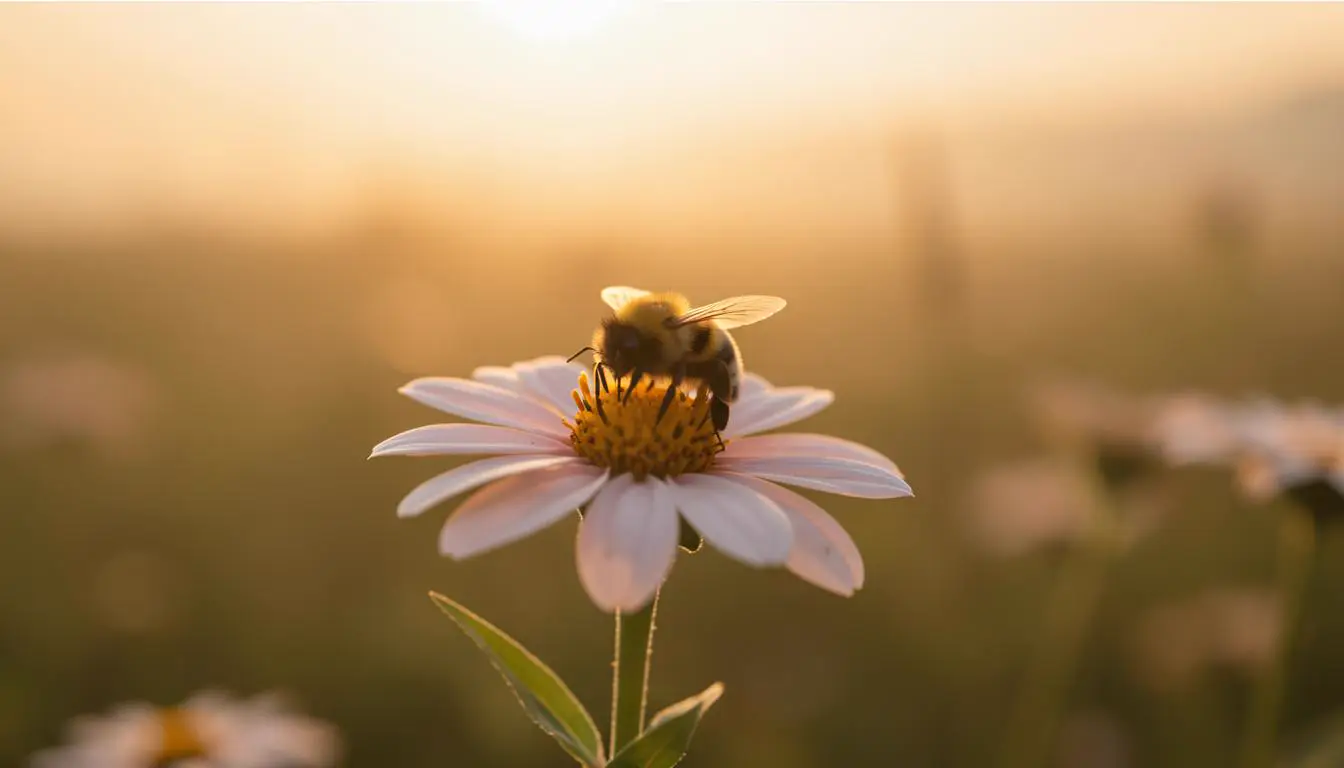
Bumblebee populations across Europe are facing a stark decline, with some species disappearing at alarming rates. This decline has significant implications for European wildlife and ecosystems, as bumblebees play a crucial role in pollination. Let's delve into the causes, consequences, and conservation efforts surrounding this pressing issue.
Why are bumblebees declining in Europe?
The decline of bumblebees in Europe can be attributed to multiple interconnected factors.
The impact of bumblebee decline on European wildlife
The decline of bumblebees has significant implications for European wildlife and ecosystems. As crucial pollinators, bumblebees support plant and animal species that depend on them for reproduction and survival.
Conservation efforts to save European bumblebees
Conservation efforts are underway to protect and restore European bumblebee populations. These efforts involve a combination of policy changes, habitat restoration, and individual actions.
“Bumblebees are the gardeners of the wild. If they decline, our ecosystems will follow. We must act now to protect these remarkable creatures and the habitats they depend on.”
Bumblebee Species
Conservation Status
Bombus hypnorum
Least Concern
Bombus lapidarius
Vulnerable
Bombus ruderarius
Endangered
Bombus cullumanus
Critically Endangered
Bombus sylvarum
Critically Endangered
Source: European Red List of Bees (2019)
Bumblebee population trends in Europe
Source: Bumblebee Watch, 2024
Frequently asked questions
What can I do to help bumblebees in my garden?+
Plant native wildflowers, provide nesting sites, and reduce pesticide use to support bumblebee populations in your garden.
How can I identify bumblebees in Europe?+
Bumblebees can be identified by their fuzzy bodies, black and yellow stripes, and ability to fly in cold weather. Specific species can be identified using online resources or by consulting a field guide.
Which European countries have the most diverse bumblebee populations?+
Countries with diverse bumblebee populations include the United Kingdom, Germany, and Sweden, which host a wide range of species, including some that are rare or endangered.
What are the main threats to bumblebee populations in Europe?+
The main threats to bumblebee populations in Europe include habitat loss, pesticide use, disease and parasites, and climate change.
How can I get involved in bumblebee conservation efforts?+
You can get involved in bumblebee conservation efforts by participating in citizen science projects, supporting conservation organizations, and advocating for policies that protect bumblebees and their habitats.