Are 'free-range' salmon claims just clever marketing, or do they reflect reality? We've compiled a corporate accountability scorecard to find out which major brands are actually delivering on 'free-range' promises. Join us as we follow the money and dig into the truth behind salmon farming.
First, let's address the elephant in the room: net pens. While 'free-range' salmon typically refers to improved conditions within net pens, these structures still pose challenges.
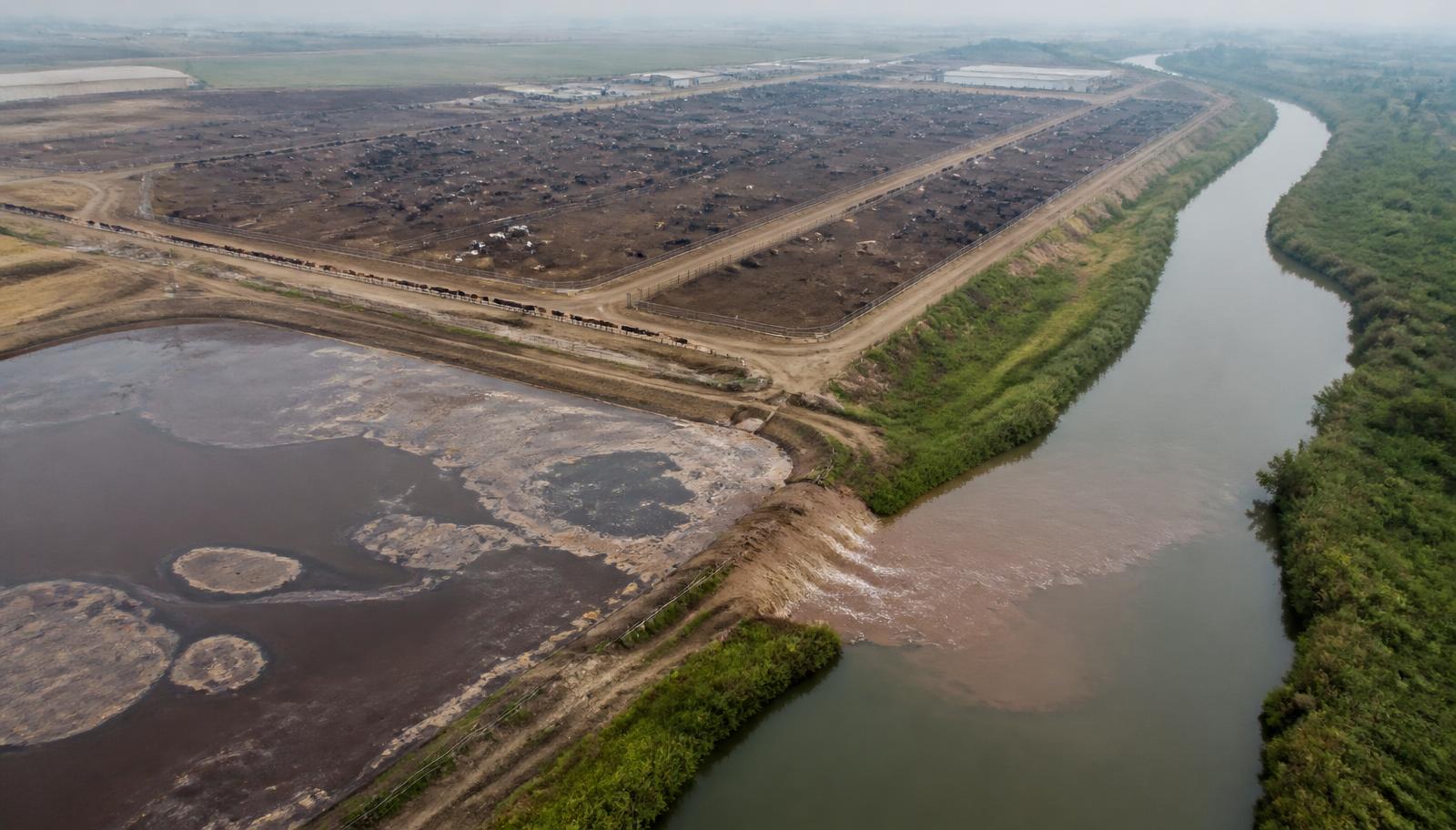
“Net pens are essentially floating feedlots in the ocean, with all the associated environmental and welfare issues.”
Now, let's explore how major brands fare in our 'free-range' salmon scorecard.
| Brand | 'Free-Range' Claim | Net Pen Stocking Density (kg/m³) | Certifications |
|---|---|---|---|
| Brand A | Wild-caught or responsibly farmed | 0.2-0.5 | ASC, BAP, Best Aquaculture Practices |
| Brand B | Sustainably farmed | 0.5-1 | MSC, Best Aquaculture Practices |
| Brand C | Free-range, sustainably farmed | 1-2 | BAP, Aquaculture Stewardship Council |
| Brand D | Responsibly sourced, 'free-range' | 1-1.5 | None |
| Brand E | Sustainable, responsibly farmed | 1.5-2 | ASC, BAP |
As you can see, not all 'free-range' claims are created equal. Stocking densities vary significantly, with some brands far exceeding the maximum recommended density of 1 kg/m³.
Stocking densities in major brands' 'free-range' salmon
Certifications also play a crucial role in ensuring sustainability and welfare standards. Be on the lookout for labels like Aquaculture Stewardship Council (ASC), Best Aquaculture Practices (BAP), and Marine Stewardship Council (MSC).
Now, let's highlight the best and worst performers in our scorecard.
To learn more about specific brands and their practices, visit our interactive scorecard at humanefoundation.org/free-range-salmon-scorecard.
Frequently asked questions
What is the maximum recommended stocking density for 'free-range' salmon?+
The maximum recommended stocking density for 'free-range' salmon is around 1 kg/m³, according to the Aquaculture Stewardship Council standards.
Which certifications should I look for when buying 'free-range' salmon?+
Look for certifications like Aquaculture Stewardship Council (ASC), Best Aquaculture Practices (BAP), and Marine Stewardship Council (MSC) when buying 'free-range' salmon.
Why are net pens still an issue despite 'free-range' claims?+
While 'free-range' claims address some challenges, net pens still pose environmental and welfare concerns, such as waste management and sea lice infestations.