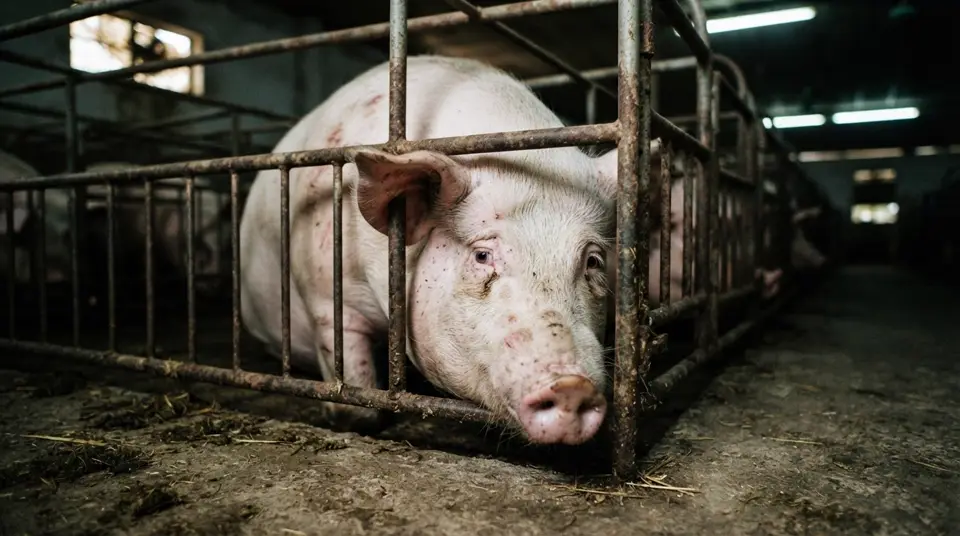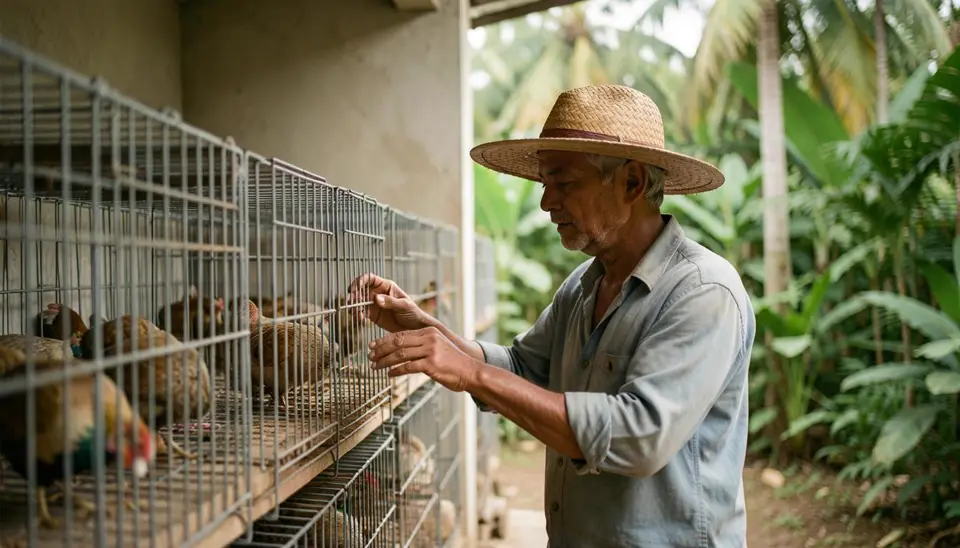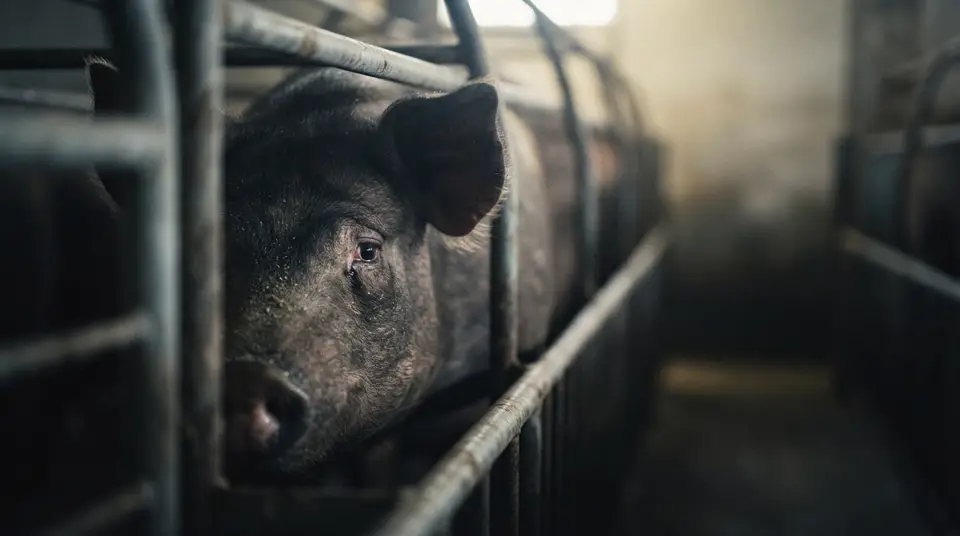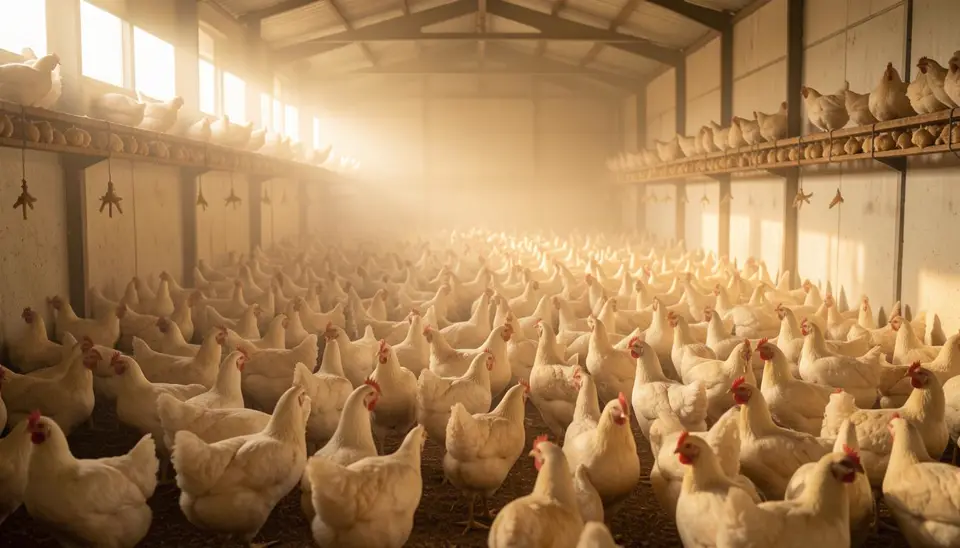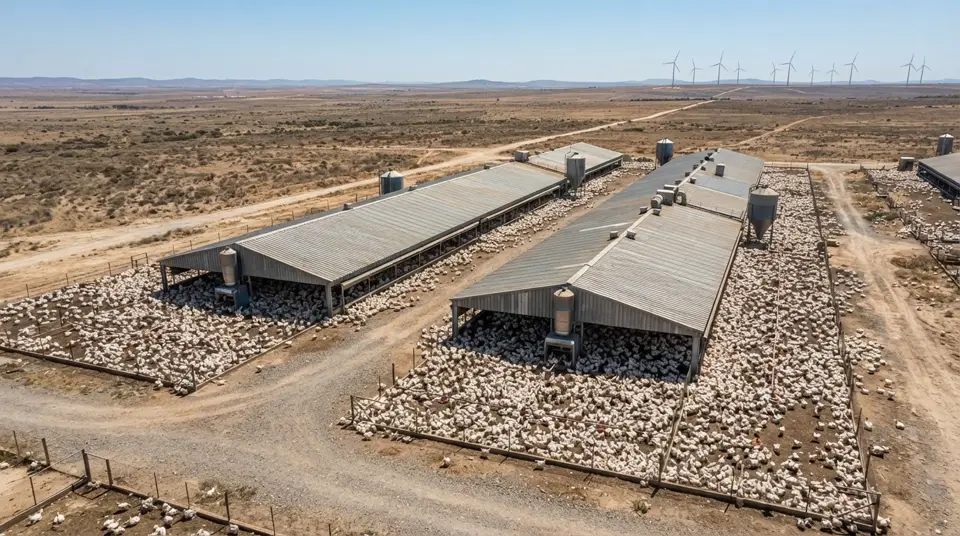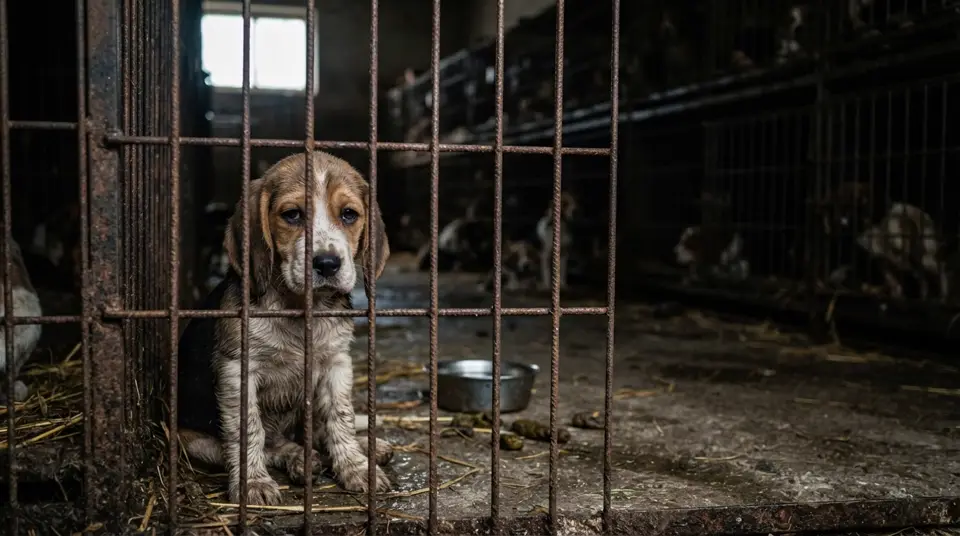
Colony cages, a mainstay in factory farming, have long been a contentious issue due to their impact on animal welfare. However, with increasing shareholder pressure for higher yields and lower costs, are we locked into this system, or is there a way to balance production, animal welfare, and shareholder interests?
Colony cages, though criticized for their impact on animal welfare, have been the primary method of egg production in many countries due to their high efficiency and low cost. However, as consumer awareness of animal welfare issues grows, the industry is facing increasing pressure to adopt more humane farming practices.
The case for colony cages: efficiency and shareholder value
Proponents of colony cages argue that they are a necessary evil in the quest for efficient and affordable protein production. By confining large numbers of birds in a small space, farmers can maximize their output while minimizing their input costs. This leads to increased profitability and shareholder value.

“Colony cages allow us to produce eggs at a price that consumers can afford. Removing them would lead to a significant increase in egg prices, making them unaffordable for many people.”
The case against colony cages: animal welfare and sustainability concerns
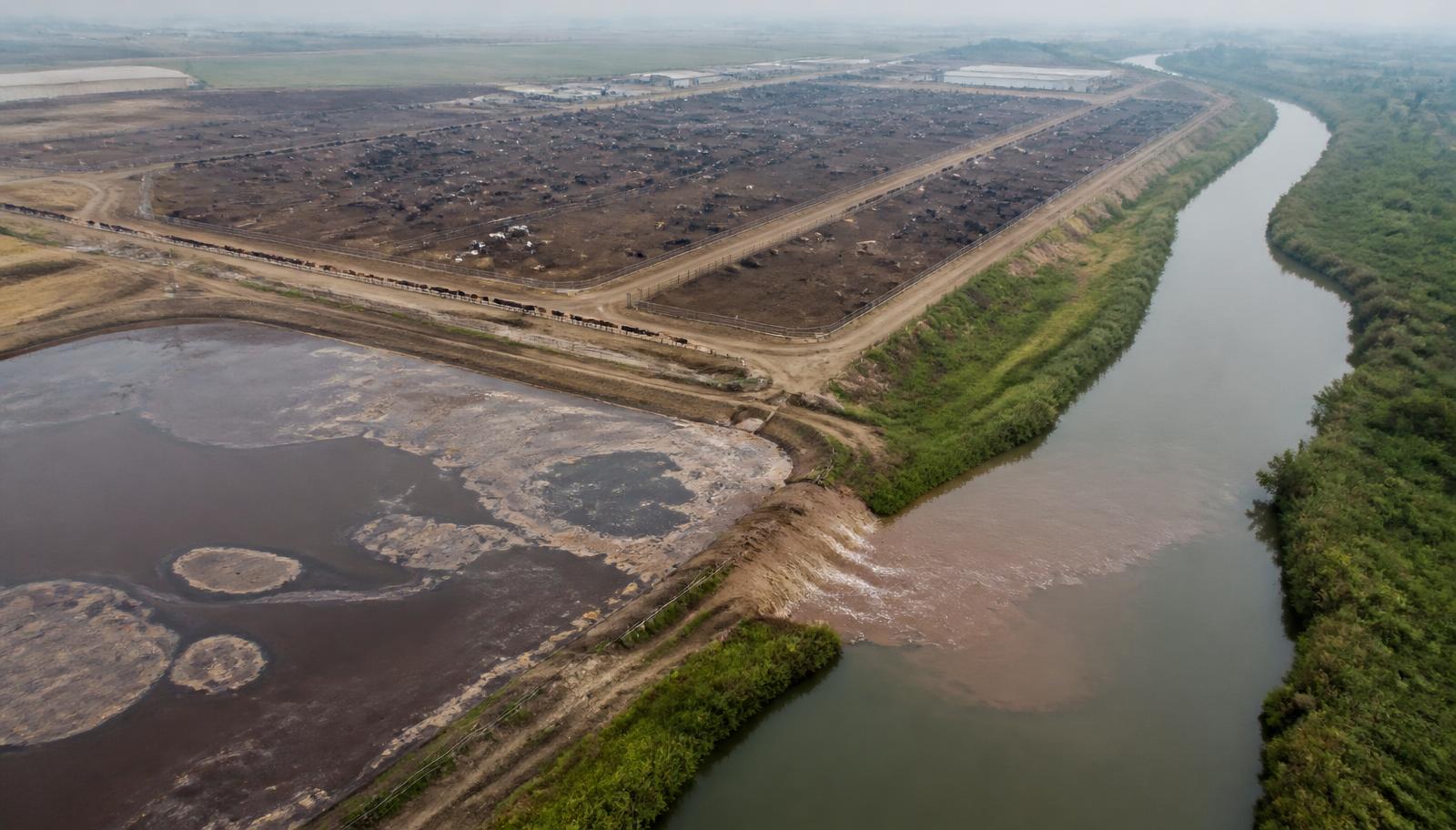
Opponents of colony cages point to the severe negative impacts they have on the welfare of the birds confined within them. The restricted space and lack of access to the outdoors lead to behavioral abnormalities, stress, and a variety of health issues. Furthermore, the environmental impact of factory farming, including colony cages, is significant and contributes to climate change and resource depletion.
| System | Production Cost (€/kg) | Animal Welfare Score (0-10) |
|---|---|---|
| Colony Cages | 0.75 | 2 |
| Furnished Cages | 0.85 | 4 |
| Free-Range | 0.95 | 7 |
| Organic Free-Range | 1.10 | 9 |
Steelman the opposing view: the role of shareholder pressure
Critics of colony cages often overlook the role of shareholder pressure in driving the industry's reliance on this production system. With investors demanding higher returns and lower production costs, farmers are forced to adopt the most efficient methods available, even if they come at the expense of animal welfare.
“Shareholders want to see a return on their investment, and that means maximizing efficiency and minimizing costs. If that means using colony cages, then that's what we'll do.”
The strongest rebuttal: the need for ethical consumerism and regulation
While shareholder pressure is a significant factor in the perpetuation of colony cages, it is not an insurmountable obstacle. Consumers, by voting with their wallets, can drive the demand for more humane and sustainable farming practices. Additionally, governments can implement regulations that incentivize the adoption of alternative systems and improve animal welfare standards.
Frequently asked questions
What are the main concerns regarding animal welfare in colony cages?+
The main concerns include restricted space, lack of access to the outdoors, behavioral abnormalities, stress, and health issues.
What are some alternatives to colony cages?+
Alternatives include furnished cages, free-range systems, and organic free-range systems, each with its own set of benefits and challenges.
How can consumers contribute to the shift away from colony cages?+
Consumers can vote with their wallets by supporting products from more humane farming systems, engaging with companies and governments to demand change, and raising awareness about the issue.